Caterwombat
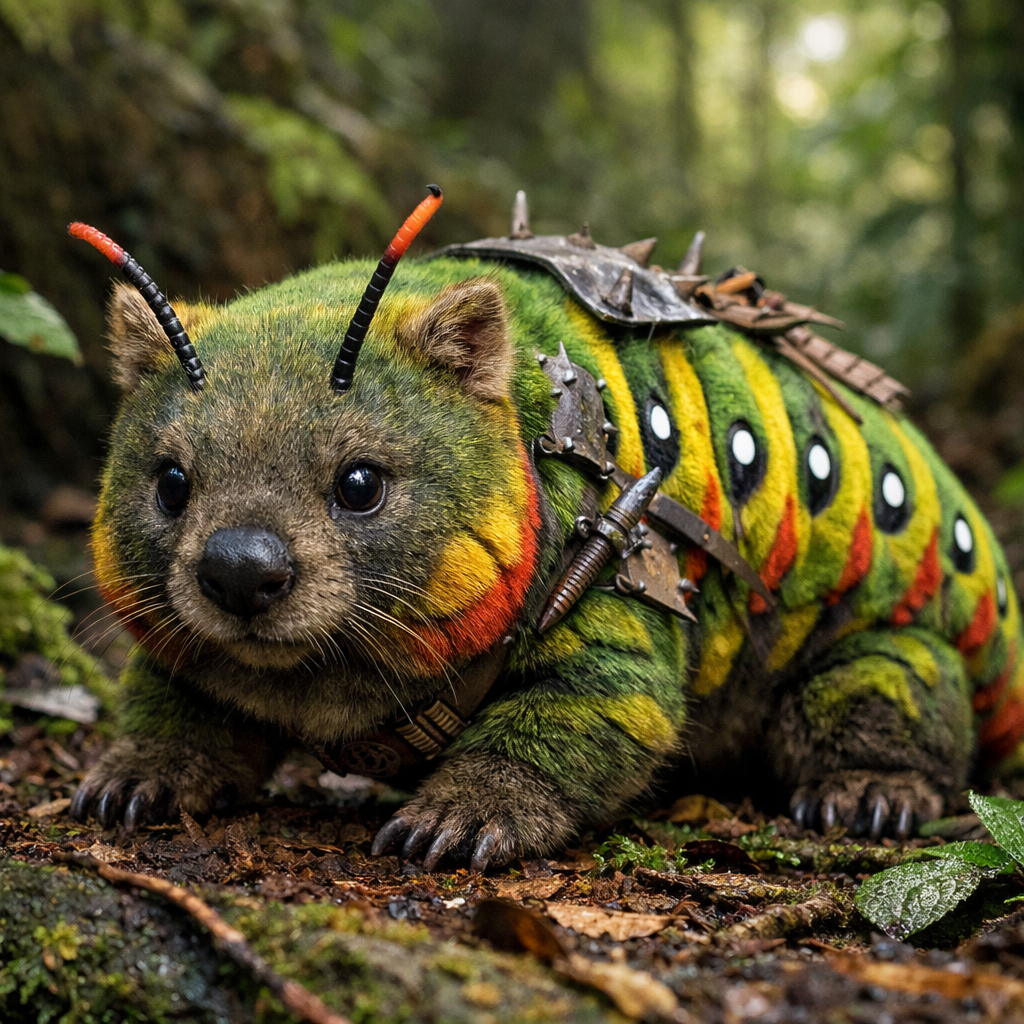
A hybrid of Caterpillar + Wombat
- Habitat
- Caterwombats thrive in temperate forests and grasslands, where they can find ample foliage for camouflage and foraging. They prefer damp, rich soil that allows for easy burrowing and shelter from predators.
- Diet
- Caterwombats are herbivorous, primarily feeding on leaves, roots, and soft plant matter. They have a unique digestive system that allows them to break down tough cellulose, making them efficient foragers in their habitat.
The story of Caterwombat
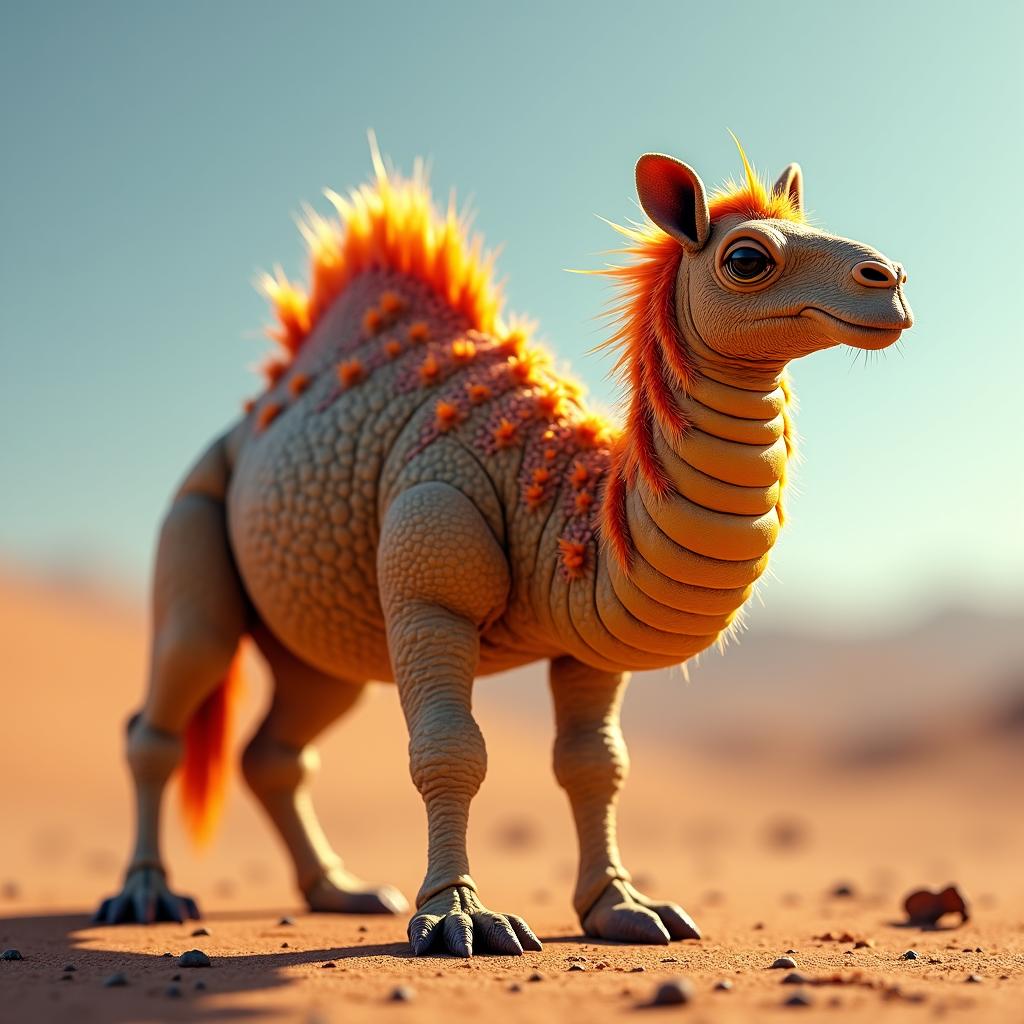
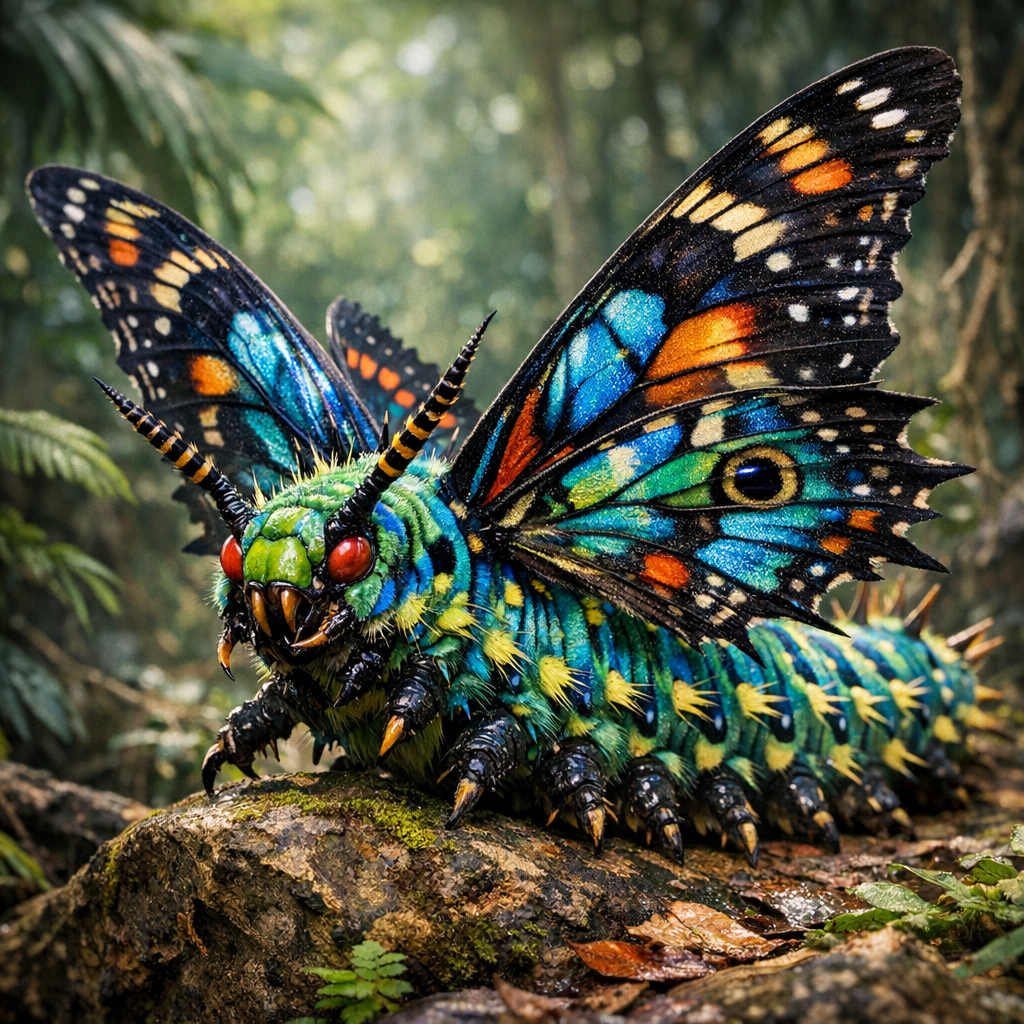
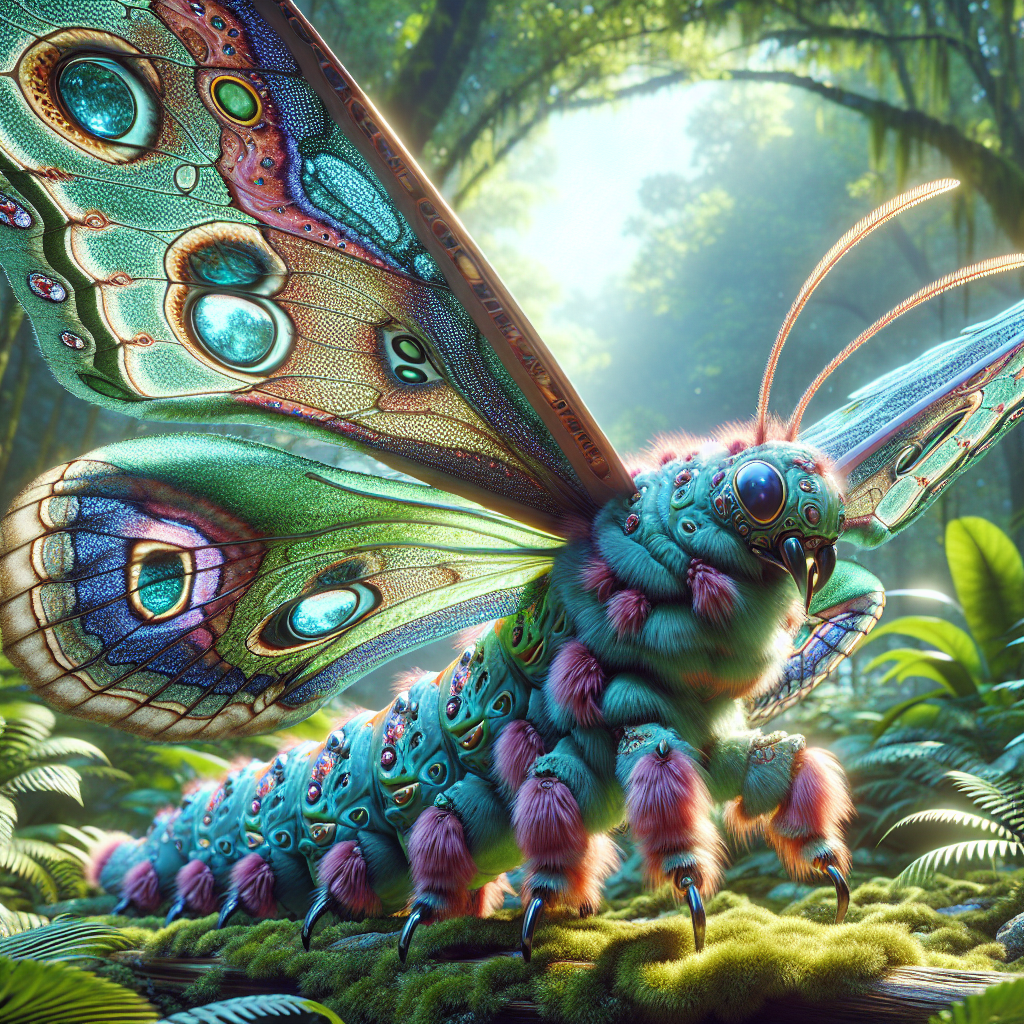
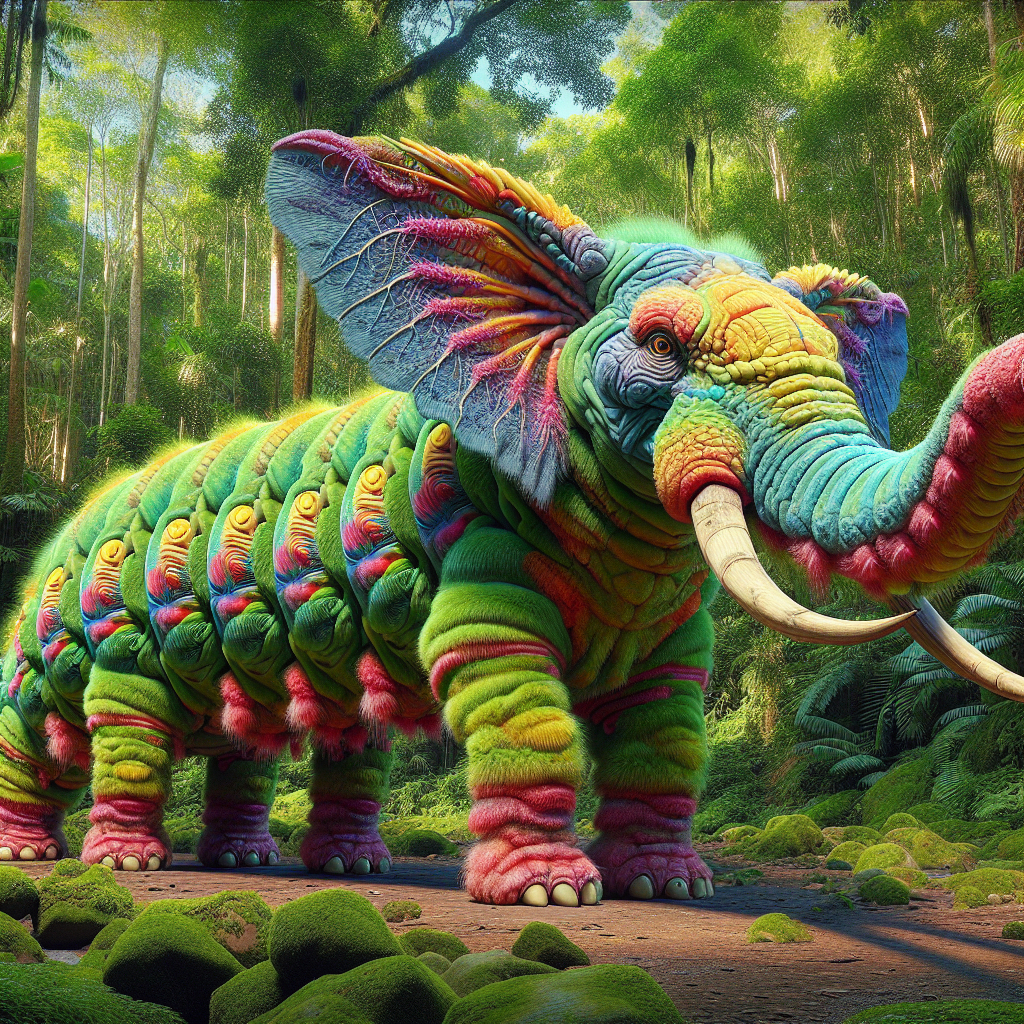
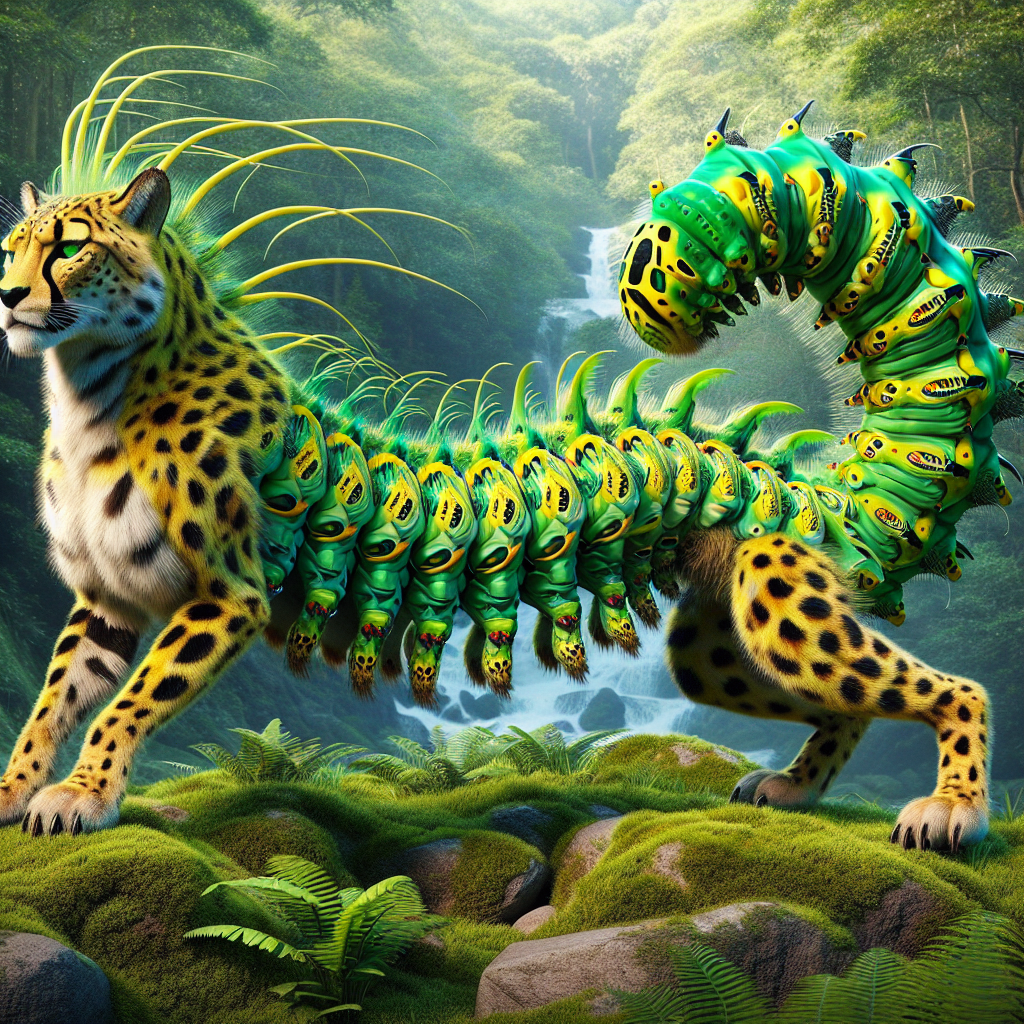
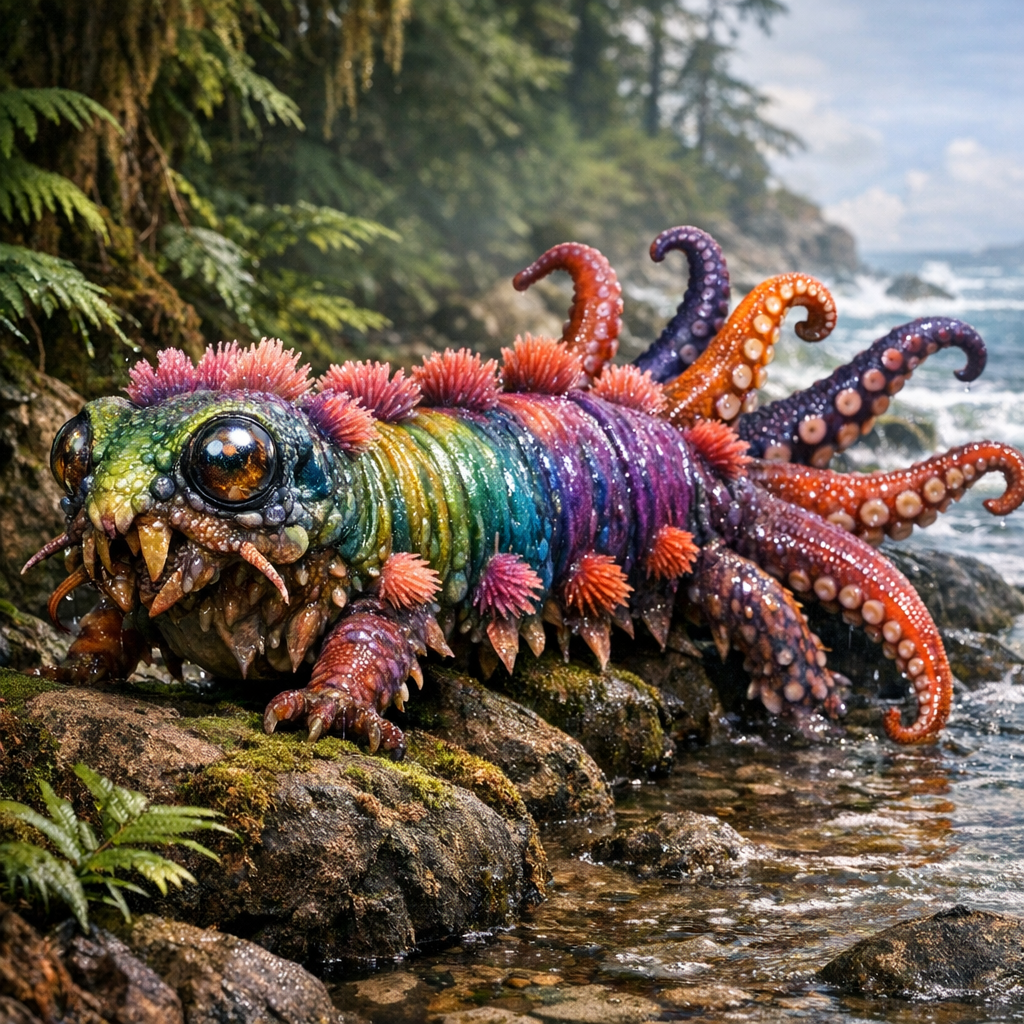
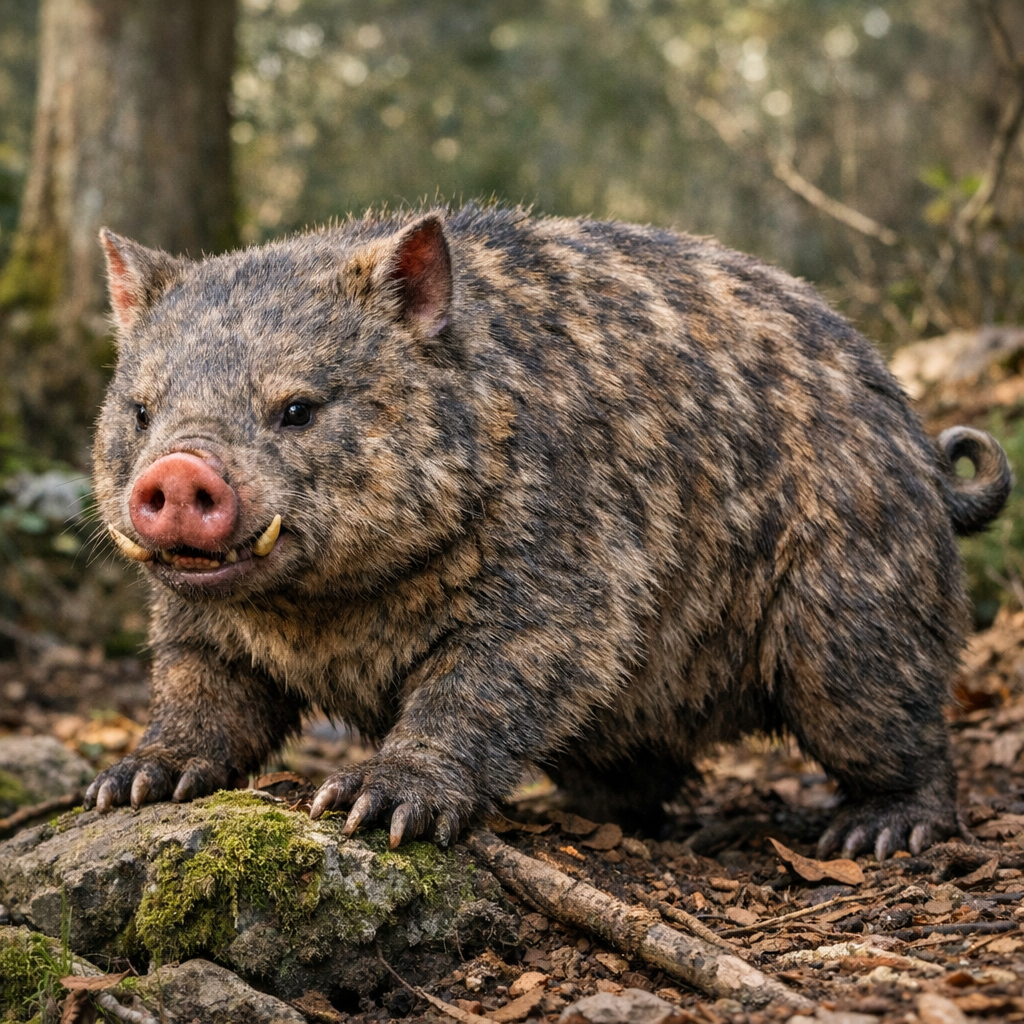
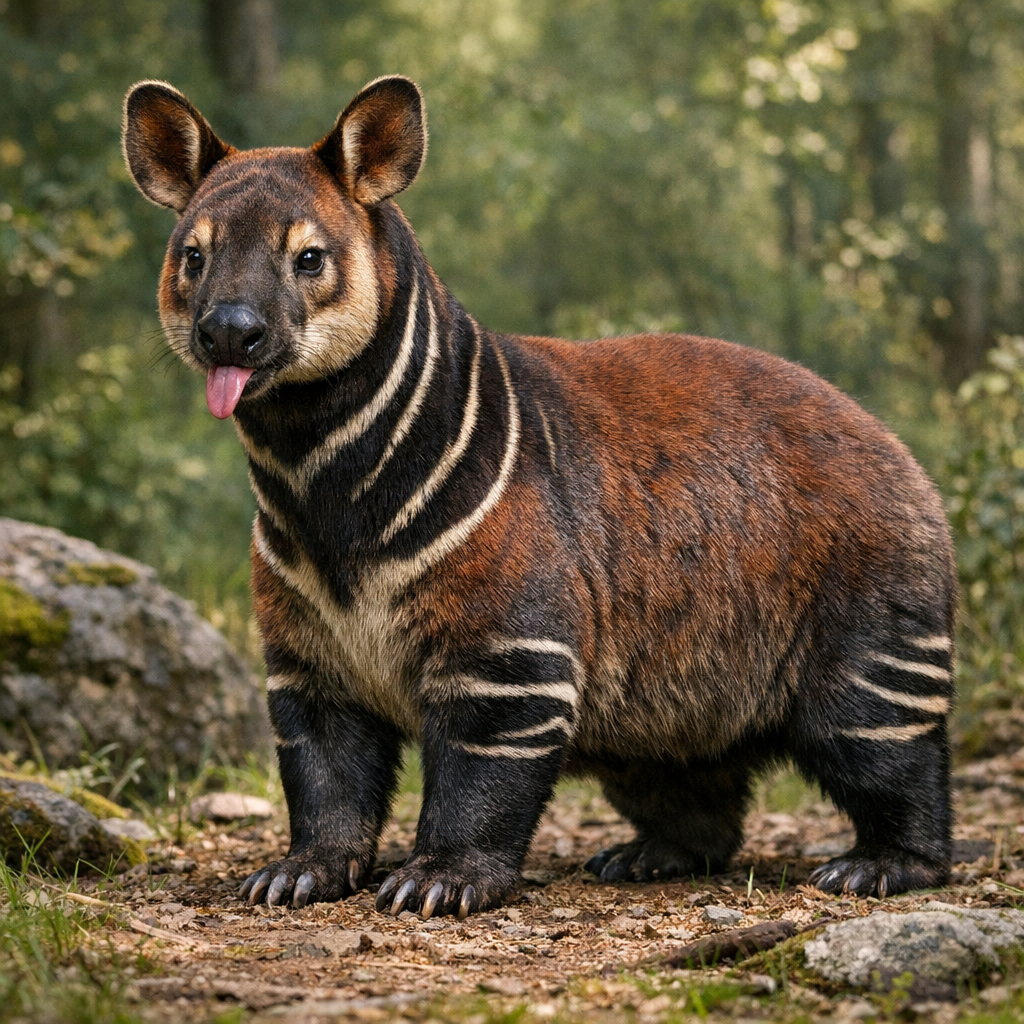
The Caterwombat is a fascinating hybrid creature that combines the elongated, segmented body of a caterpillar with the robust, sturdy build of a wombat. It features a soft, velvety exterior with vibrant coloration, mimicking the patterns of leaves to aid in camouflage. The creature has short, powerful legs adapted for burrowing and climbing, along with a set of delicate, antennae-like sensory organs that detect environmental changes. Its large, expressive eyes are keenly attuned to movement, making it an adept forager.
Special abilities
Leaf Lash
The Caterwombat unleashes a powerful whip-like strike with its segmented body, capable of stunning opponents.
From the Caterpillar
Real-world basis: The ability to generate swift, lateral movements akin to a whip is observed in certain caterpillar species for defense.
Burrow Charge
The Caterwombat charges from beneath the ground, delivering a forceful blow to its opponent while emerging.
From the Wombat
Real-world basis: Wombats are known for their burrowing abilities and can launch themselves forward with great force when exiting their burrows.
Camouflage Shield
The creature can change its coloration to blend seamlessly into its surroundings, evading detection by predators.
From the Caterpillar
Real-world basis: Many caterpillars possess adaptive coloration for camouflage, which the Caterwombat uses to avoid threats.
Burrow Defense
By quickly burrowing into the ground, the Caterwombat can evade attacks and create a protective barrier.
From the Wombat
Real-world basis: Wombats' burrowing instincts allow them to create underground shelters that protect them from predators.