Slumbumble
- Habitat
- Slumbumbles prefer lush, tropical rainforests rich in flowering plants. They thrive in the upper canopy, where they can access both nectar and leaves, and are often found nestled among tree branches, camouflaged by the foliage.
- Diet
- The Slumbumble is primarily nectarivorous, feeding on the sweet nectar of flowers, but it also supplements its diet with tender leaves and fruits. Its slow metabolism allows it to go for long periods without food, making it an efficient forager.
The story of Slumbumble
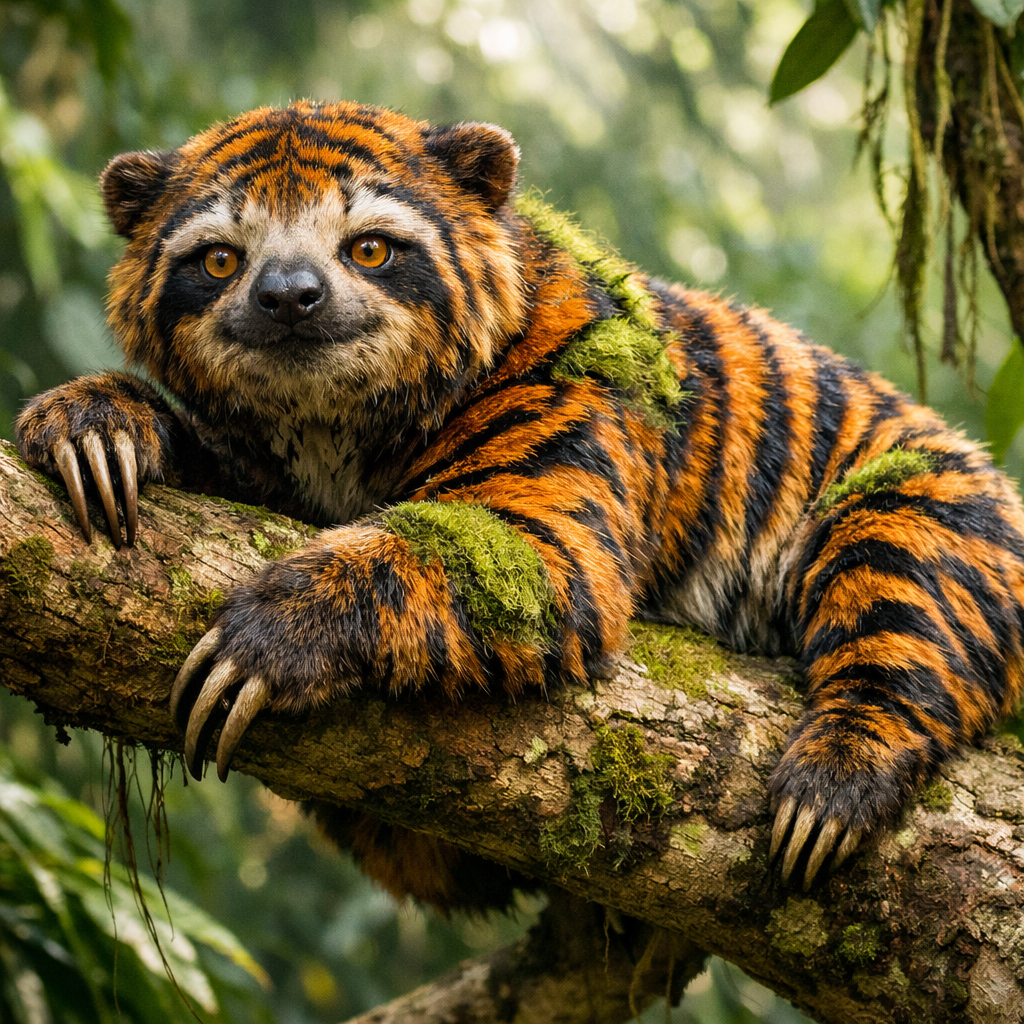
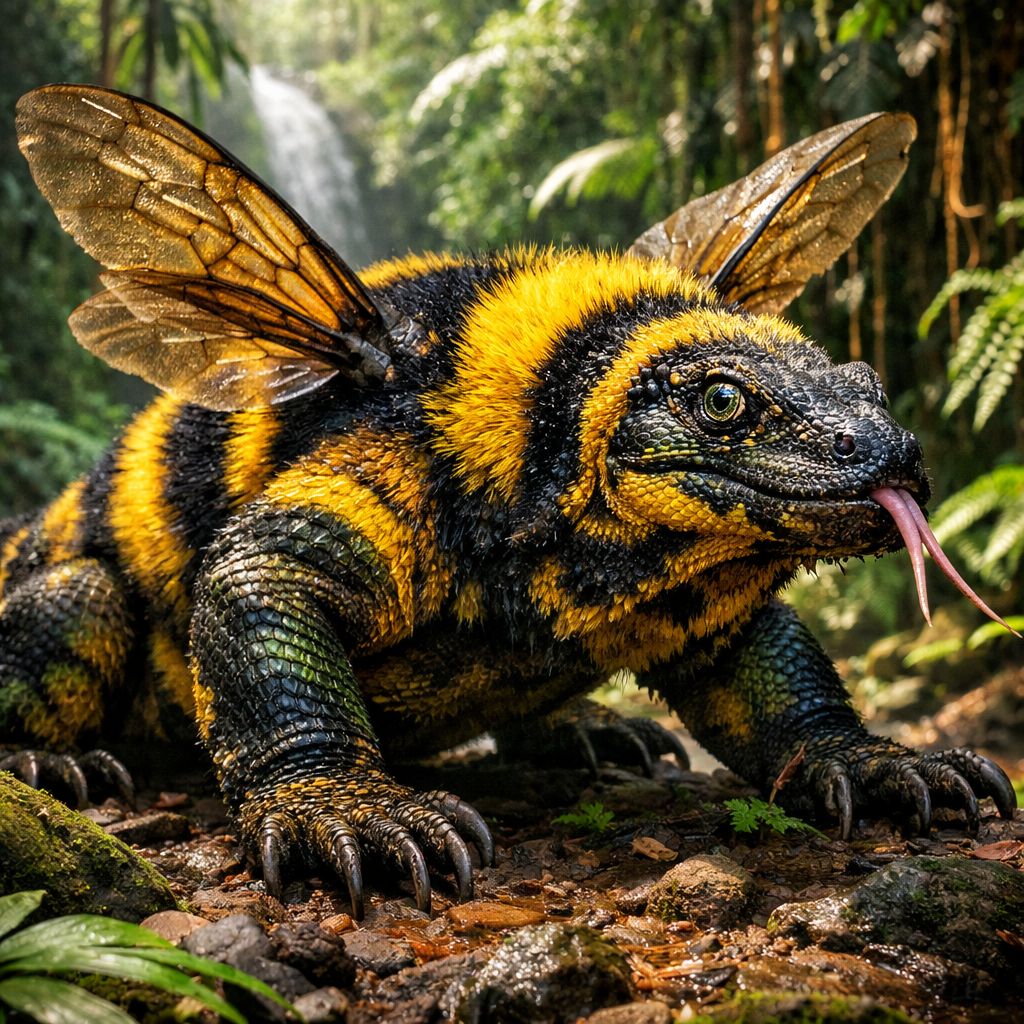
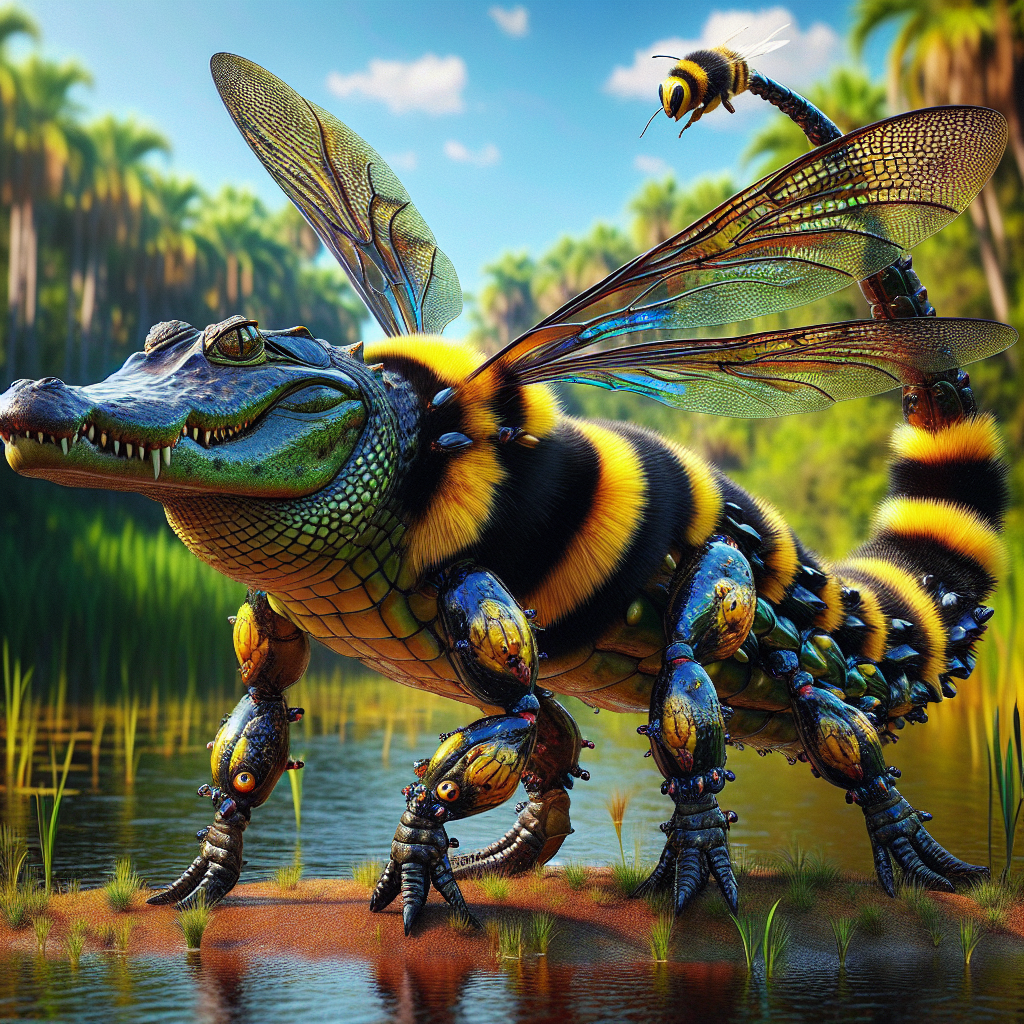
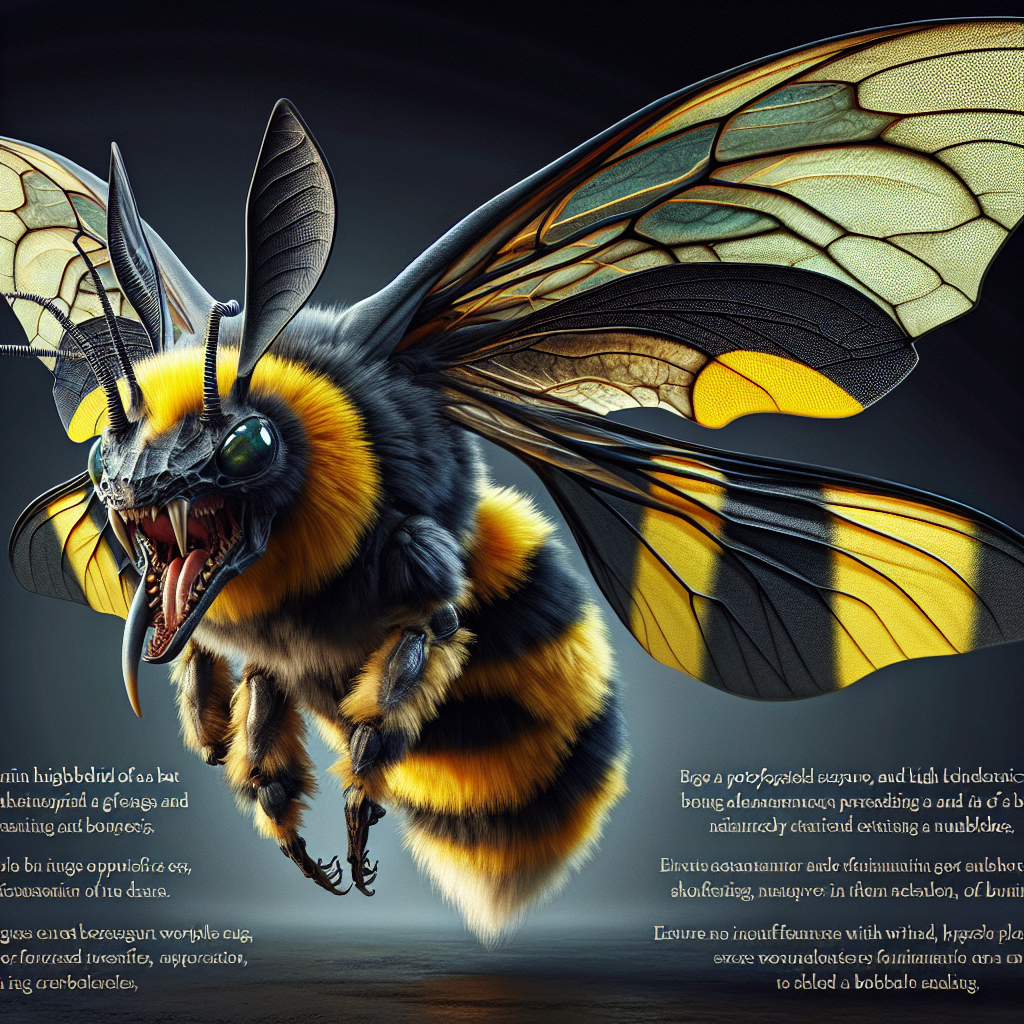
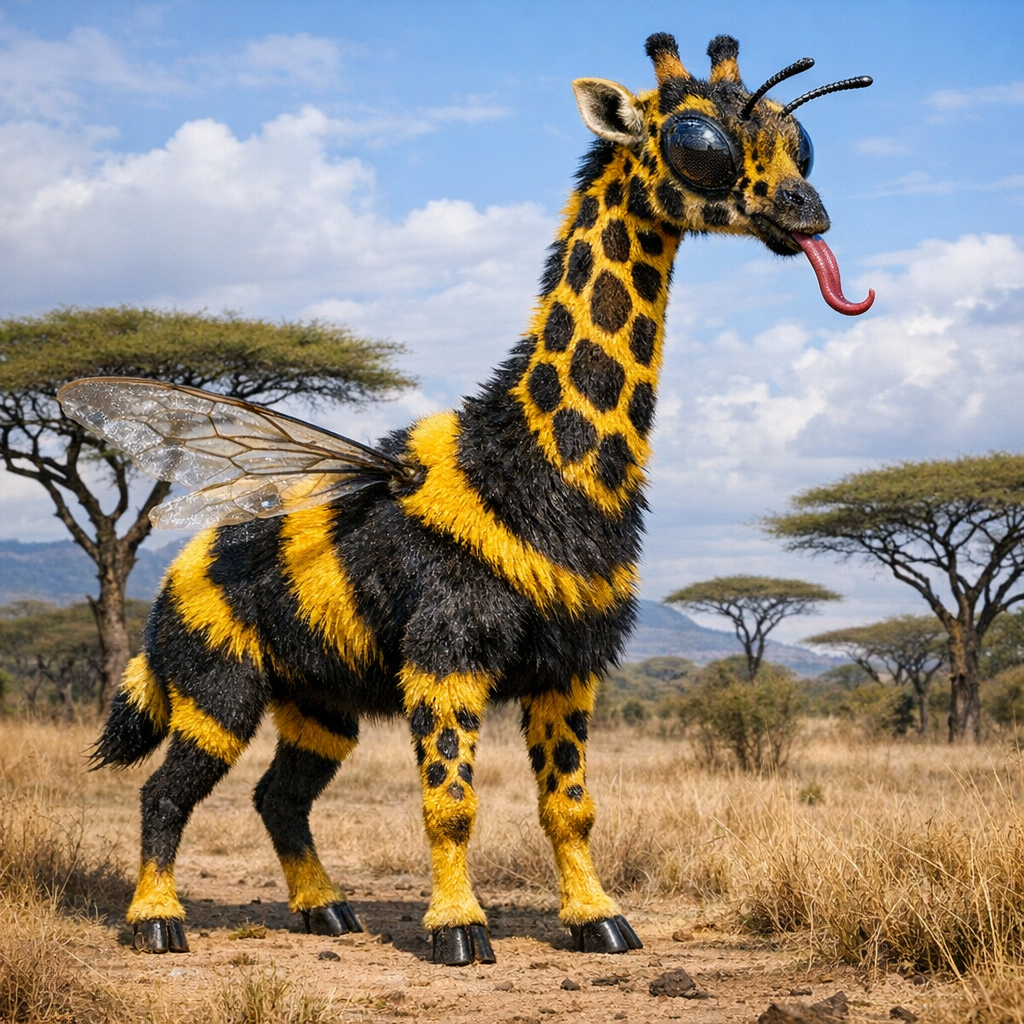
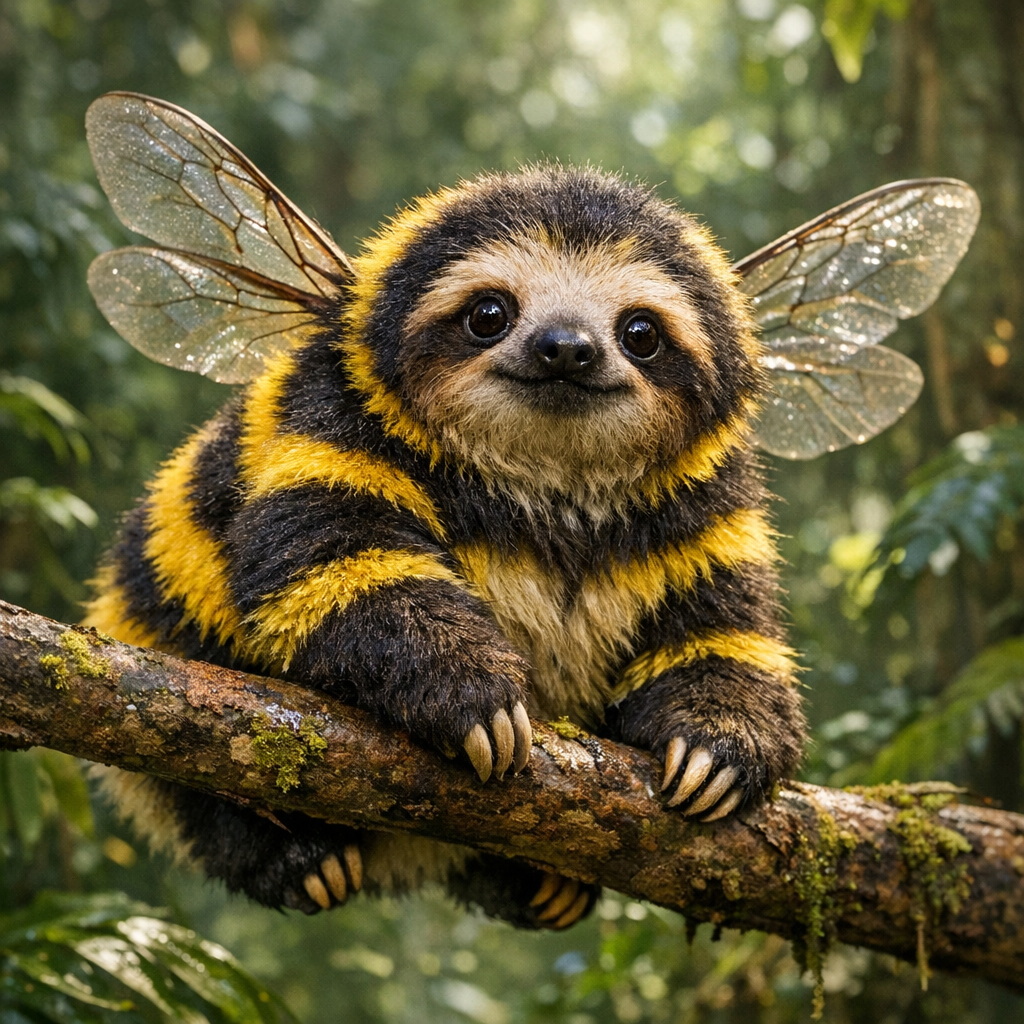
The Slumbumble is a fascinating amalgamation of sloth and bumblebee, featuring a chubby, furry body resembling that of a sloth, adorned with vibrant yellow and black stripes akin to a bumblebee. This creature boasts large, translucent wings that shimmer in sunlight, allowing it to hover gracefully while it forages. Its eyes are large and expressive, with a gentle, curious demeanor, and its limbs are equipped with soft, padded claws for climbing and grasping.
Special abilities
Pollen Burst
The Slumbumble releases a cloud of pollen that confuses and disorients predators, allowing it to escape.
From the Bumblebee
Real-world basis: The release of pollen mimics the defense mechanisms seen in certain bee species that utilize pheromones to ward off threats.
Stinging Embrace
With its powerful claws, the Slumbumble can deliver a slow but strong swipe that inflicts damage and deters attackers.
From the Sloth
Real-world basis: The strength of a sloth's grip is combined with a bee's ability to deliver pain through a sting-like mechanism, creating a hybrid attack.
Camouflage Drift
The Slumbumble can blend seamlessly into its environment, making it nearly invisible to predators and prey alike.
From the Sloth
Real-world basis: Similar to the sloth's natural camouflage, this ability enhances the Slumbumble's ability to avoid detection.
Nectar Surge
The Slumbumble can generate a burst of energy after consuming nectar, allowing for a sudden burst of speed to evade threats.
From the Bumblebee
Real-world basis: This ability reflects the high-energy flight patterns of bumblebees when stimulated by nectar intake.