Batumblebee
- Habitat
- The Batumblebee thrives in temperate forests and meadows, often residing in hollow trees or dense bushes, where it can easily find flowers and avoid larger predators.
- Diet
- Primarily nectarivorous, the Batumblebee feeds on the nectar of flowering plants, supplementing its diet with occasional small insects or fruit when nectar sources are scarce.
The story of Batumblebee
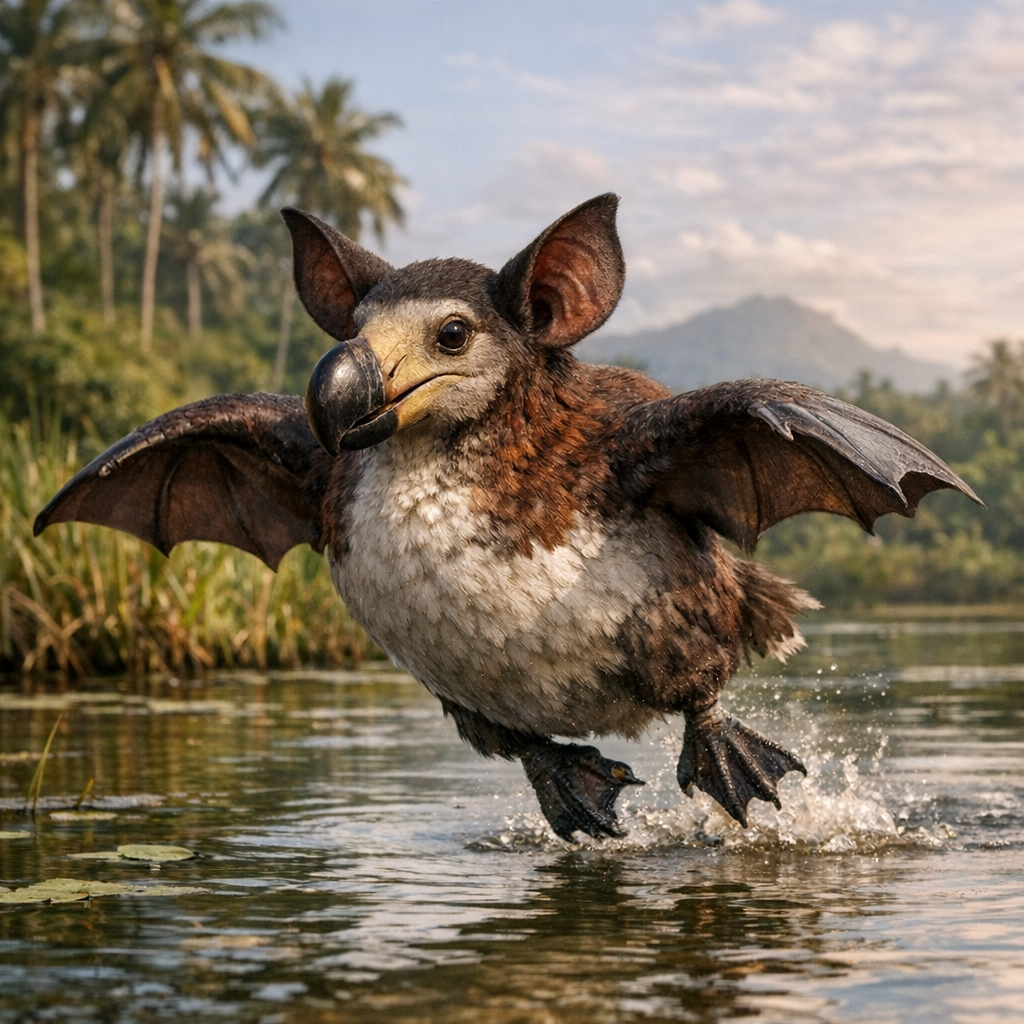
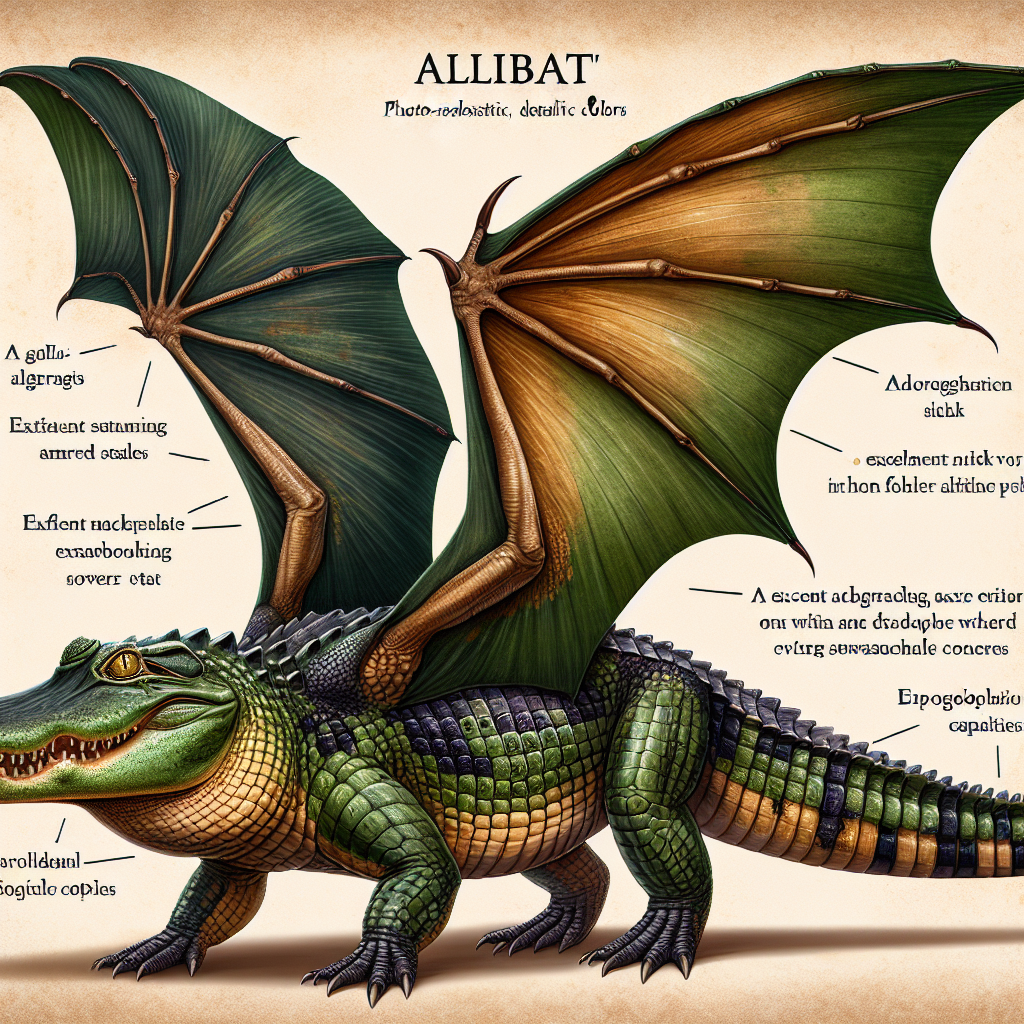
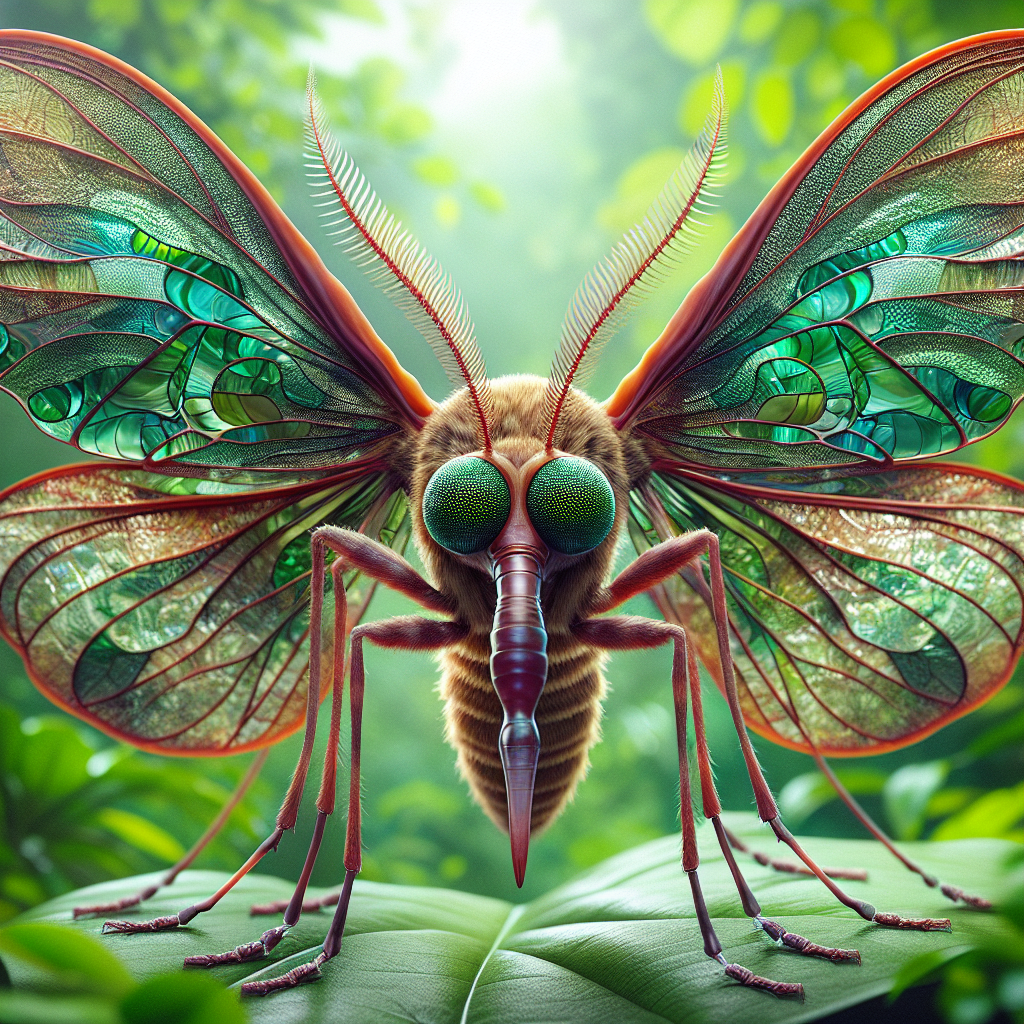
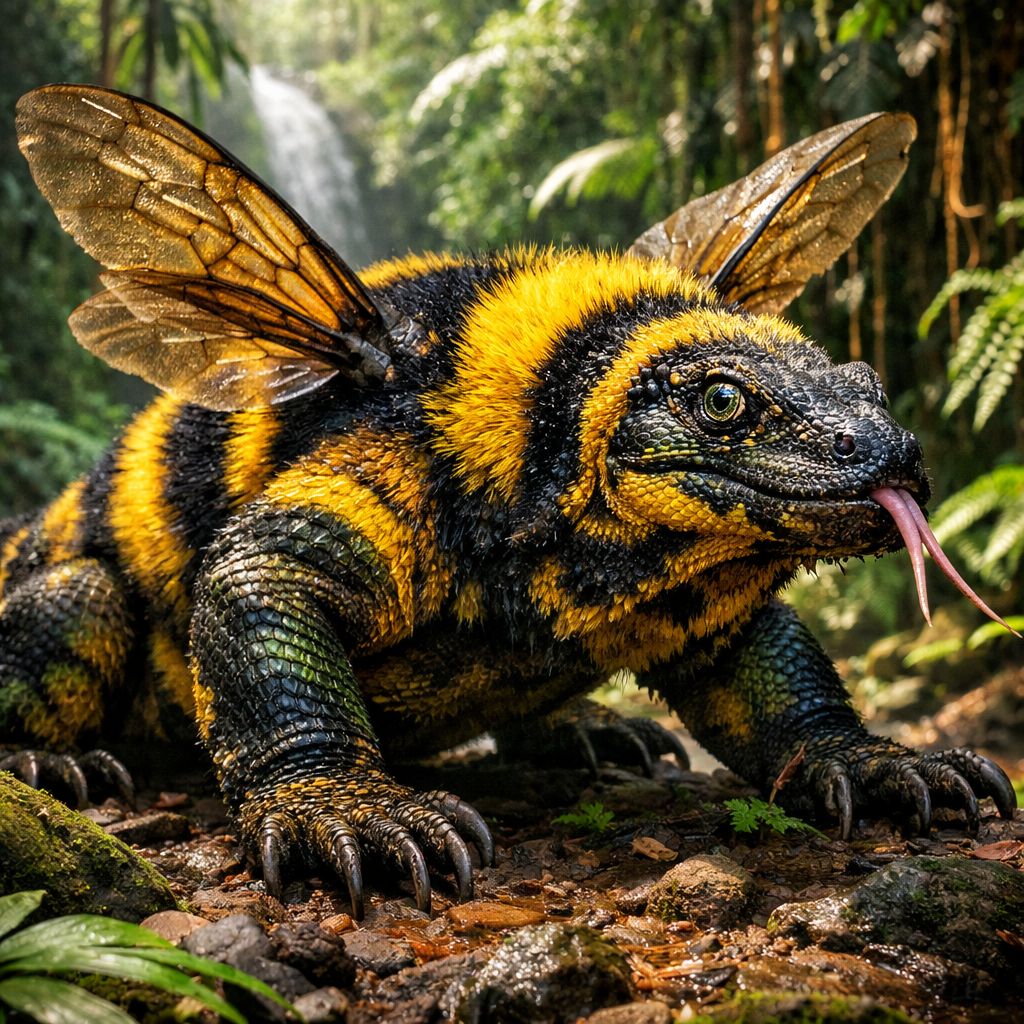
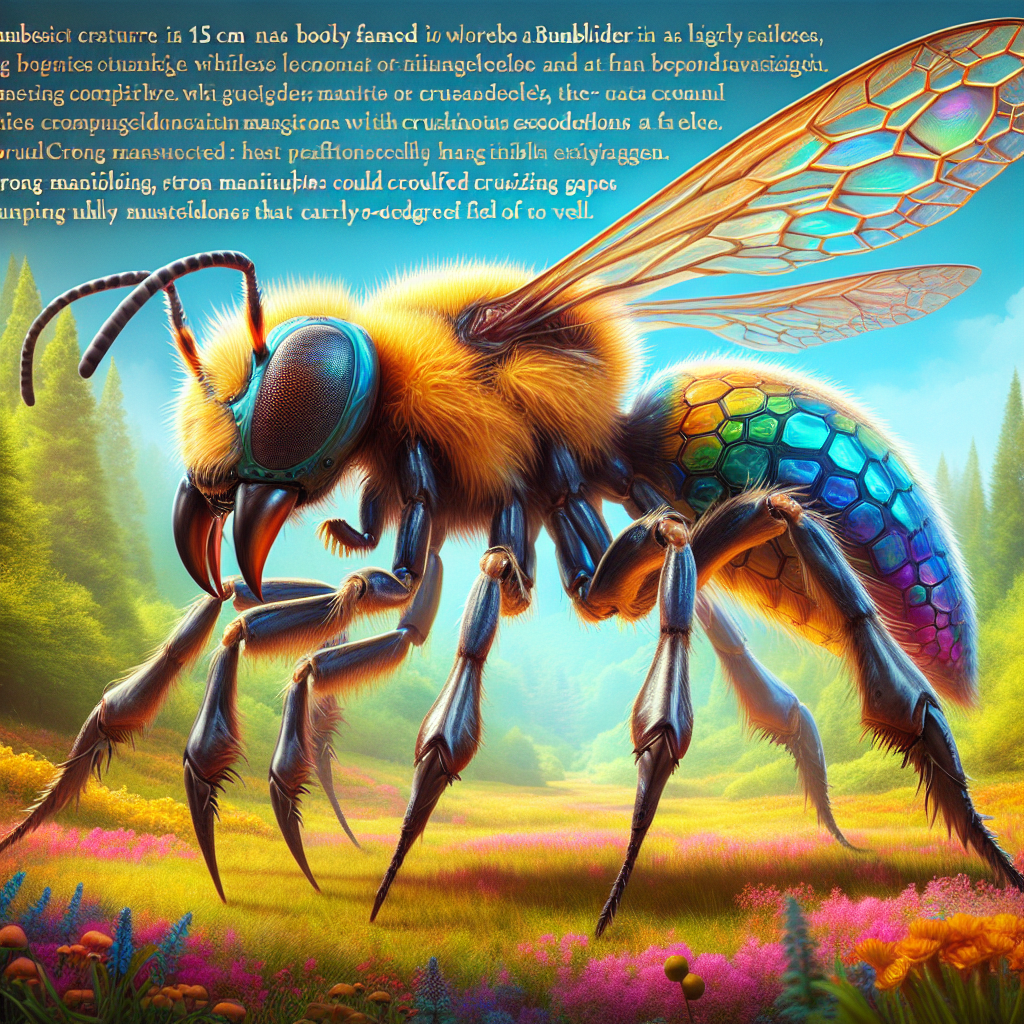
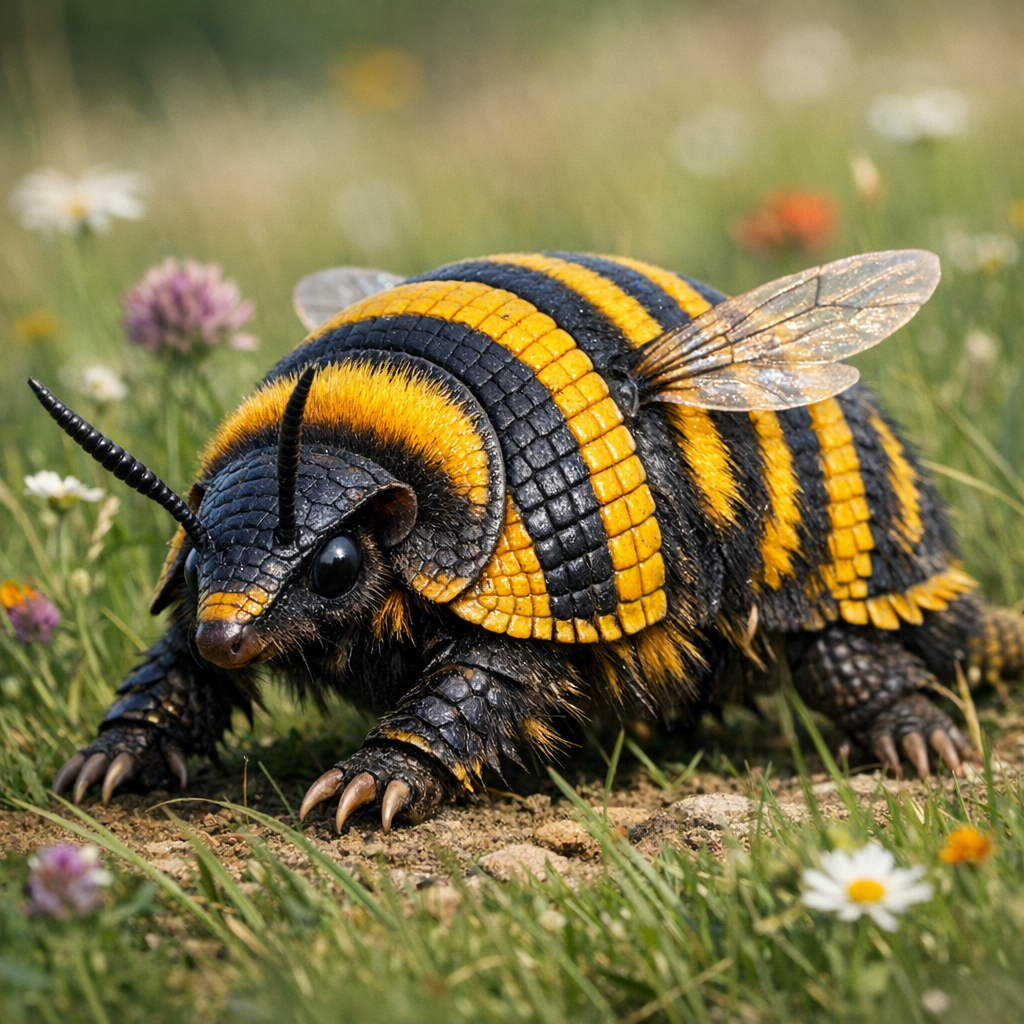
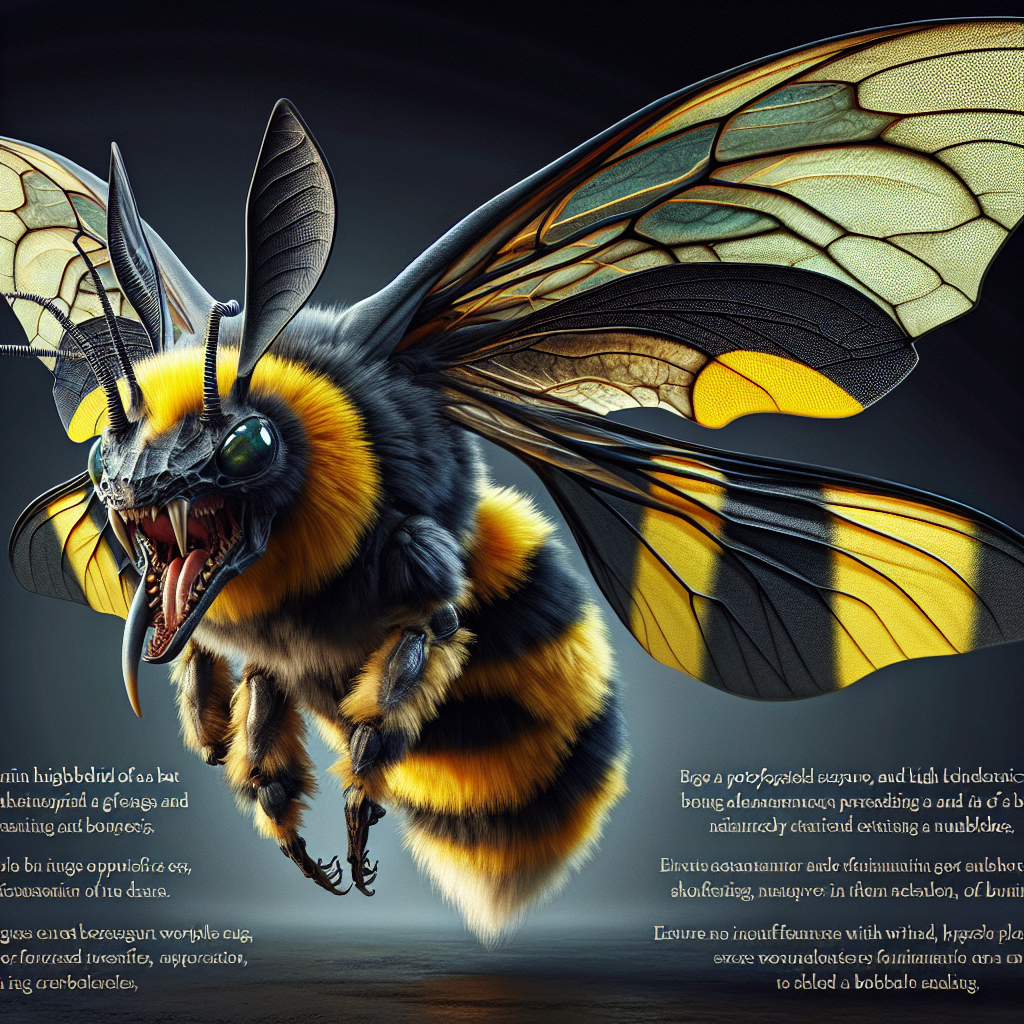
The Batumblebee is a marvel of evolutionary hybridization, possessing the aerodynamic body of a bat and the vibrant coloration and intricate wing structure of a bumblebee. Its sleek, fur-covered body measures approximately 10 inches in length, with a wingspan of nearly 12 inches, featuring a unique blend of membranous wings adorned with the distinct yellow and black stripes of a bumblebee. The creature's large, multifaceted eyes provide exceptional night vision, while its echolocation abilities allow it to navigate dark environments with ease. The Batumblebee's proboscis, derived from the bumblebee, enables it to access sweet nectar, while its sharp, retractable fangs—borrowed from the bat—help it defend itself against predators.
Special abilities
Sonic Pulse
Emitting a high-frequency sound wave, the Batumblebee can disorient and stun nearby foes, allowing it to escape or attack effectively.
From the Bat
Real-world basis: Utilizes echolocation to generate sound waves that disrupt the sensory perception of its enemies.
Stinger Strike
With a rapid thrust of its proboscis, the Batumblebee can deliver a venomous sting that causes temporary paralysis to its adversaries.
From the Bumblebee
Real-world basis: Mimics the defensive behavior of bumblebees by using its venom to incapacitate threats.
Camouflage Cloak
The Batumblebee can blend into its surroundings, making it difficult for predators to spot it.
From the Bat
Real-world basis: Employs natural coloration and patterns to mimic the environment.
Wing Shield
By rapidly flapping its wings, the Batumblebee can create a gust of wind that deflects incoming projectiles.
From the Bumblebee
Real-world basis: Utilizes the aerodynamic properties of its wings to generate a protective barrier.