Salamandocotopus
A hybrid of Salamander + blue ring octopus
- Habitat
- The Salamandocotopus thrives in coastal ecosystems, particularly in shallow waters and tidal pools where it can easily transition between land and sea. It prefers environments rich in marine vegetation, coral reefs, and rocky shorelines, providing ample cover and hunting grounds.
- Diet
- This creature is carnivorous, primarily preying on small fish, crustaceans, and mollusks. It uses its color-changing abilities to ambush unsuspecting prey, and its sharp beak allows it to crack open hard shells.
The story of Salamandocotopus
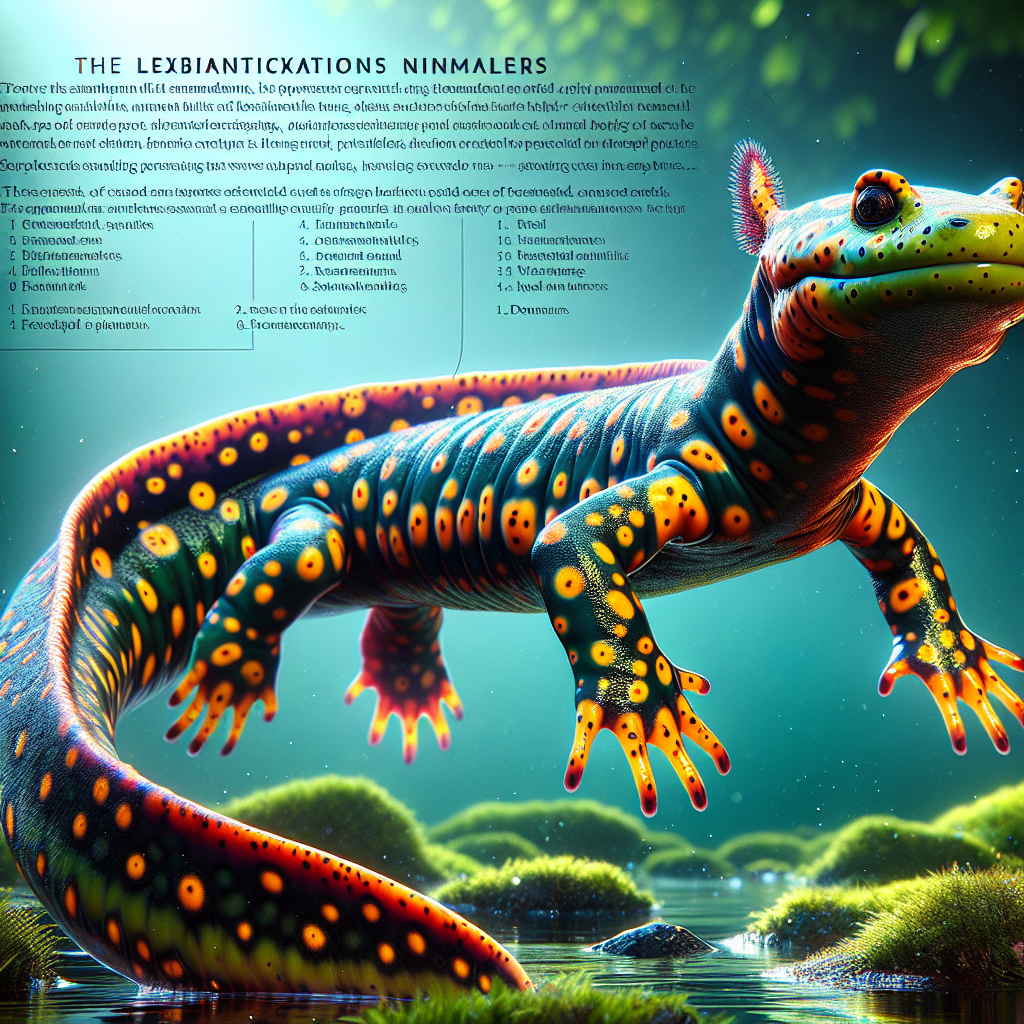
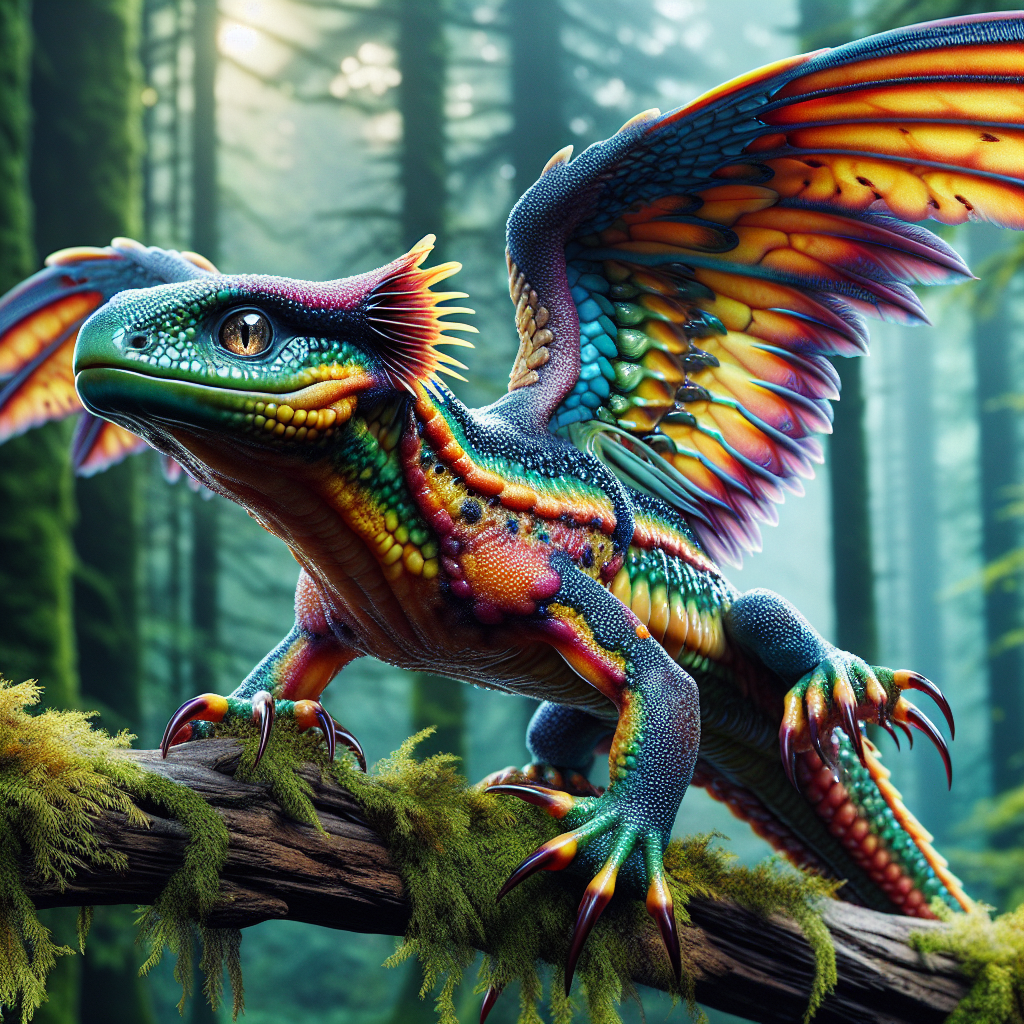
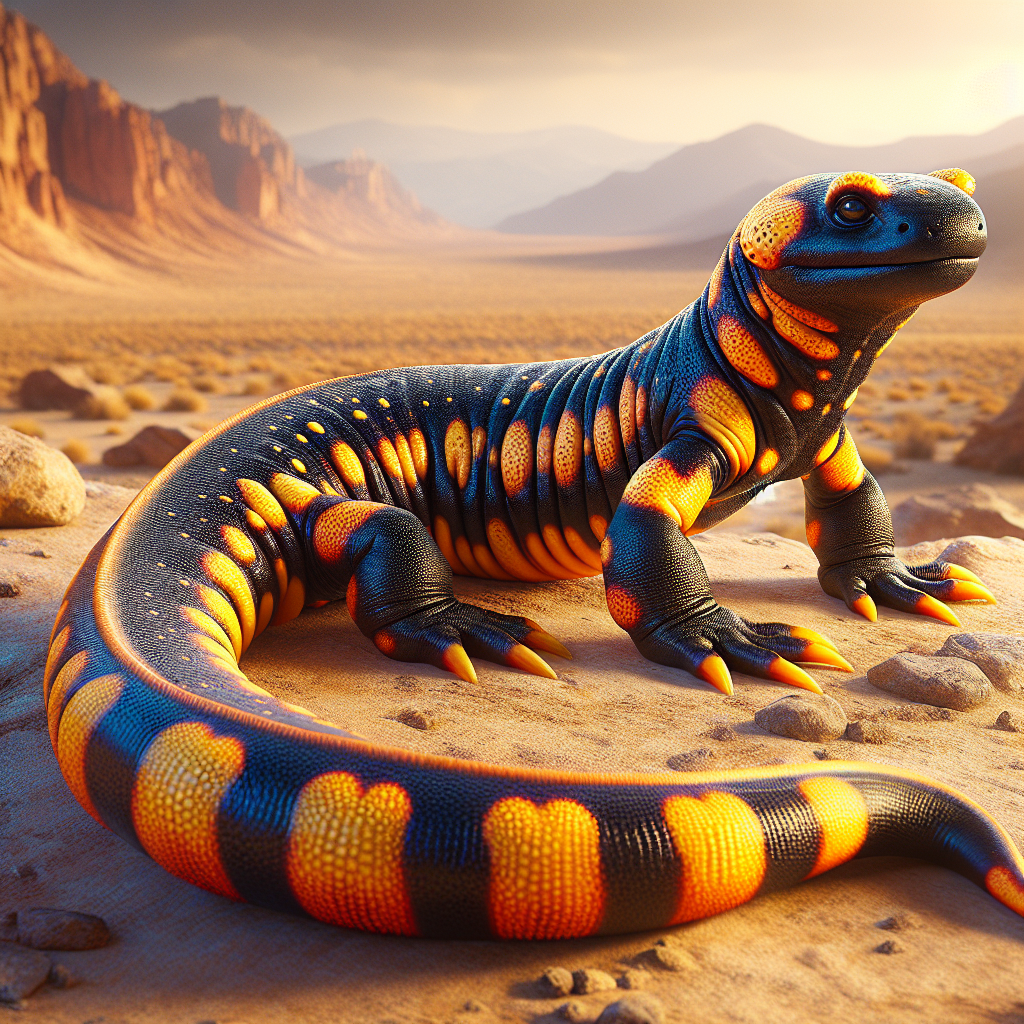
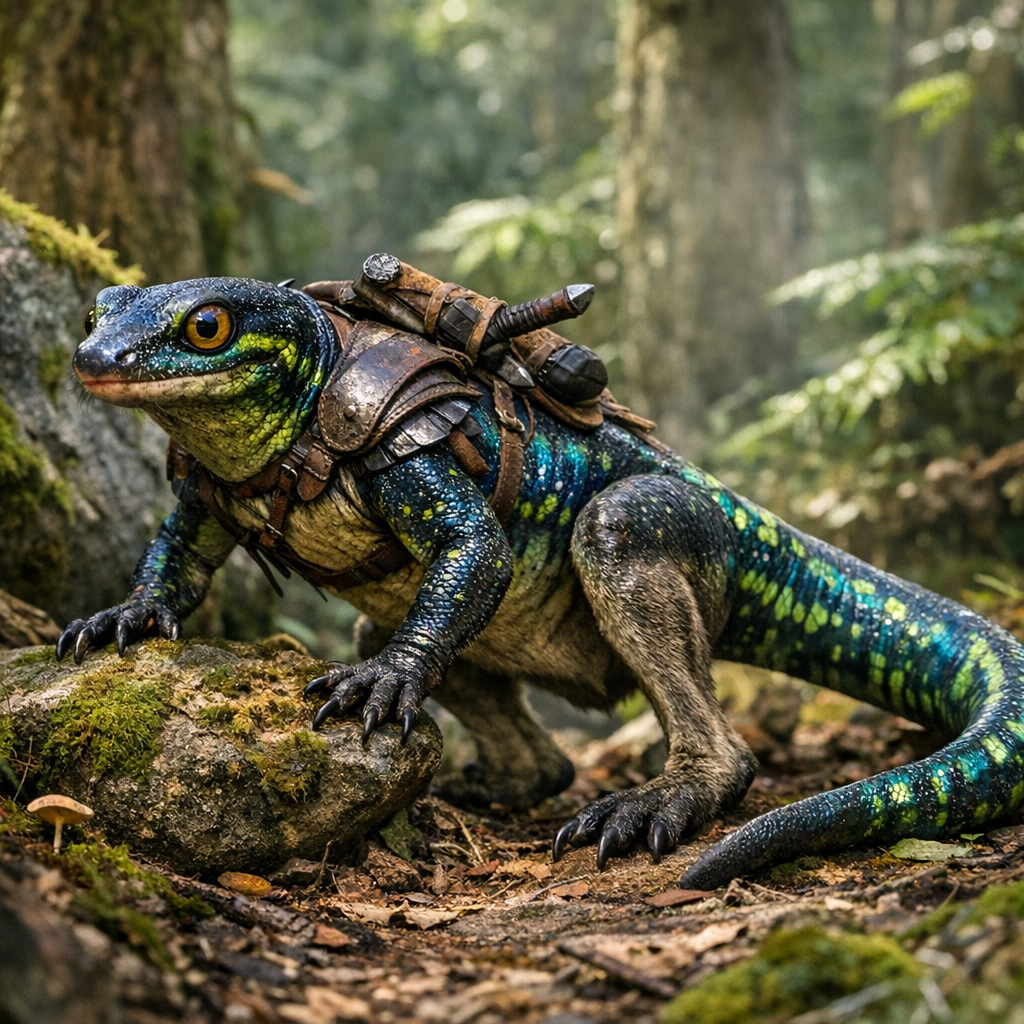
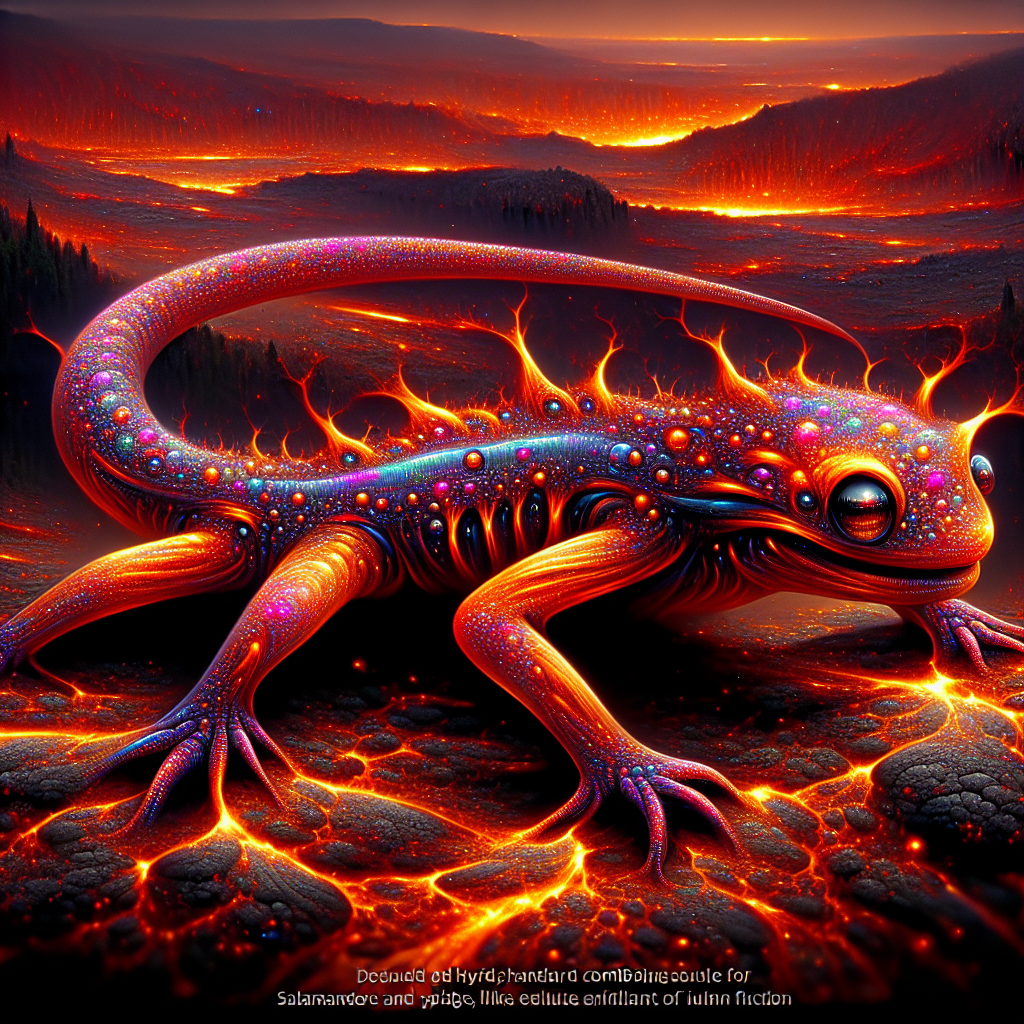
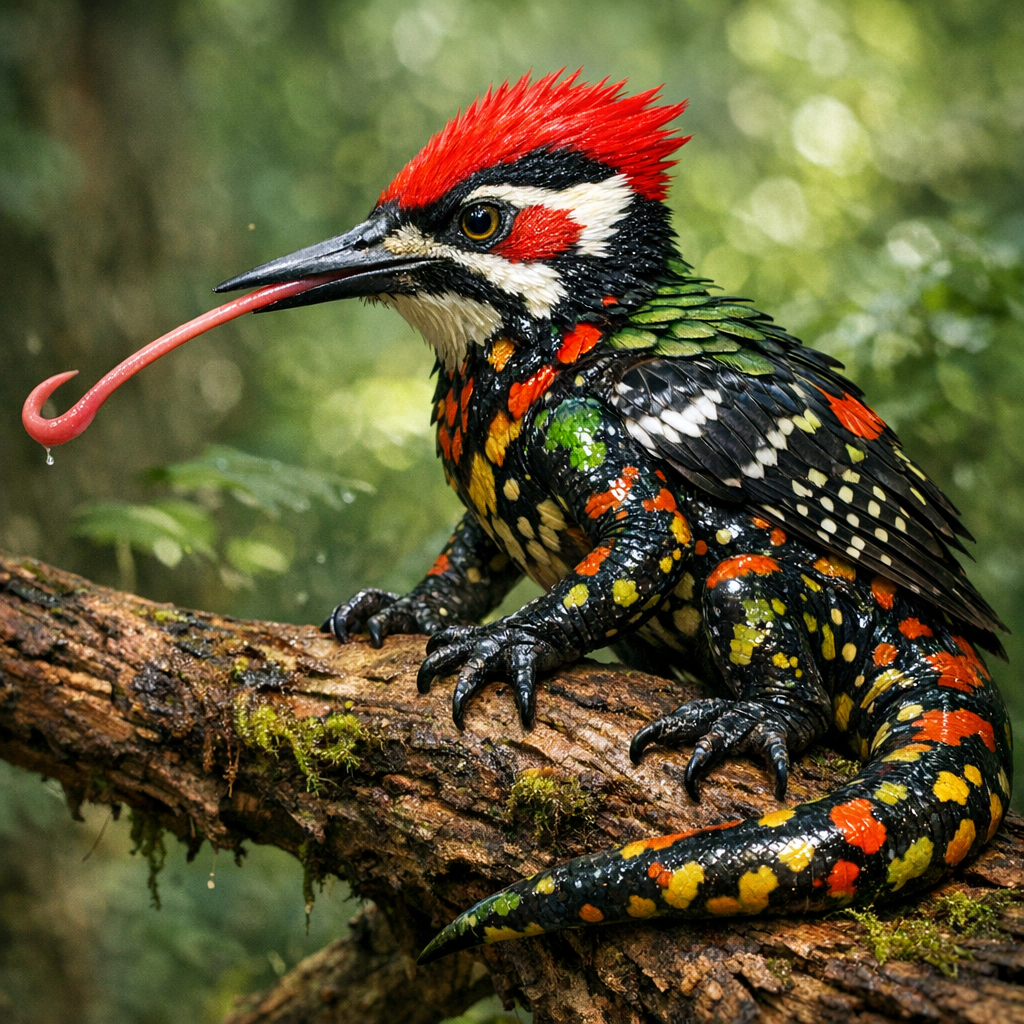
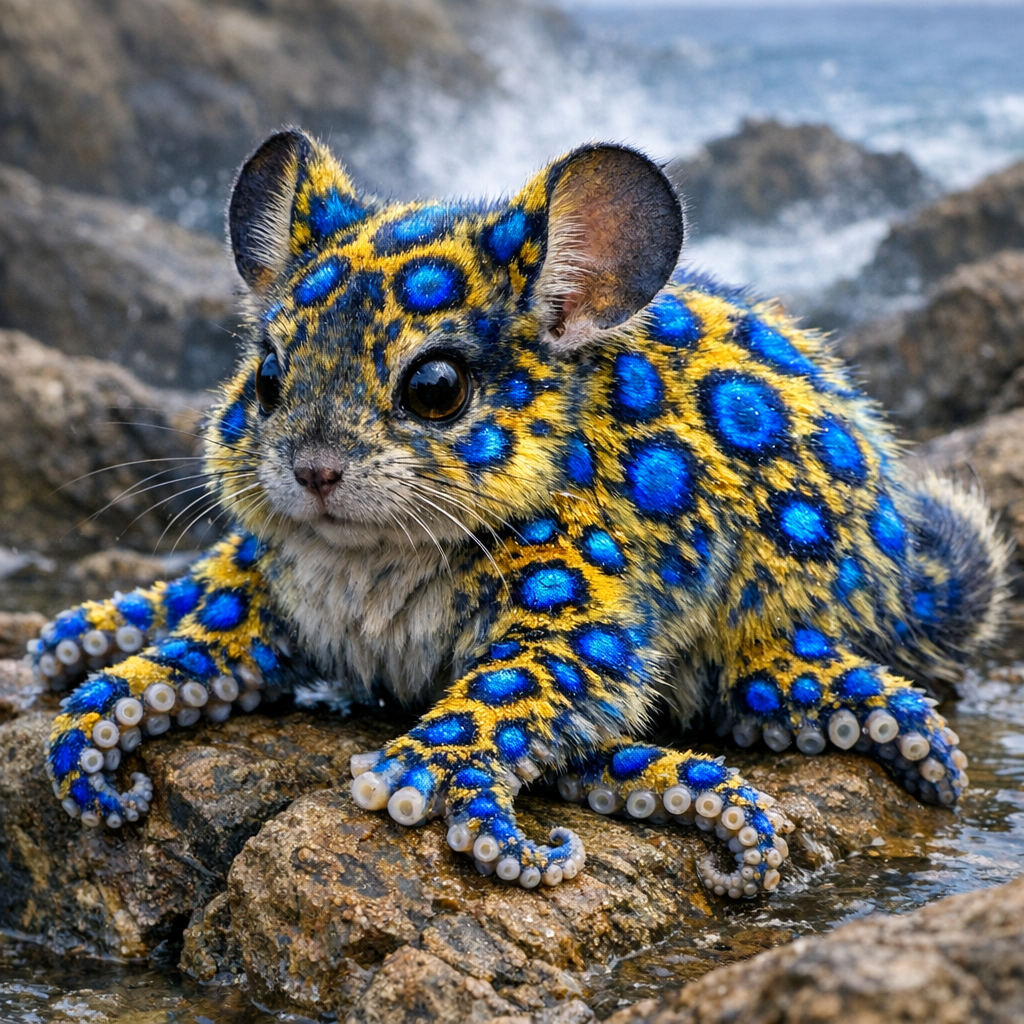
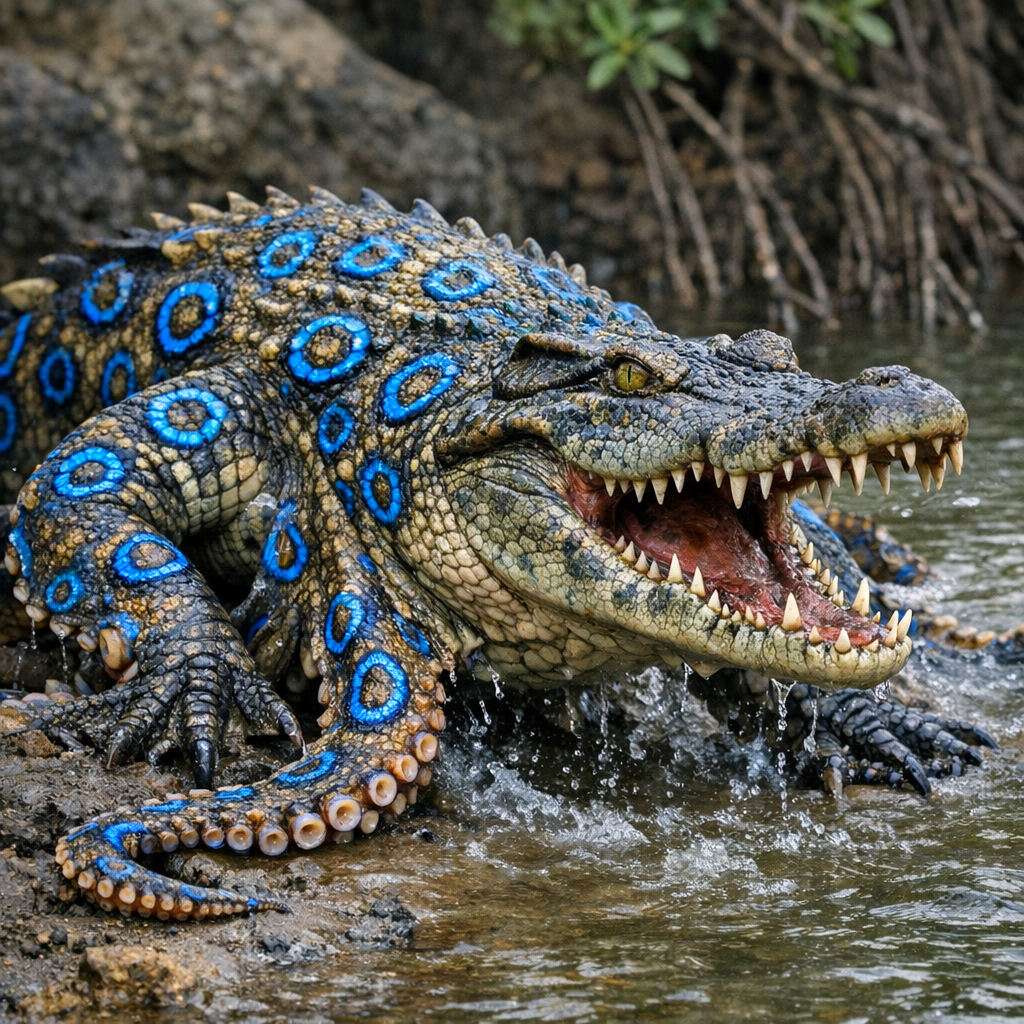
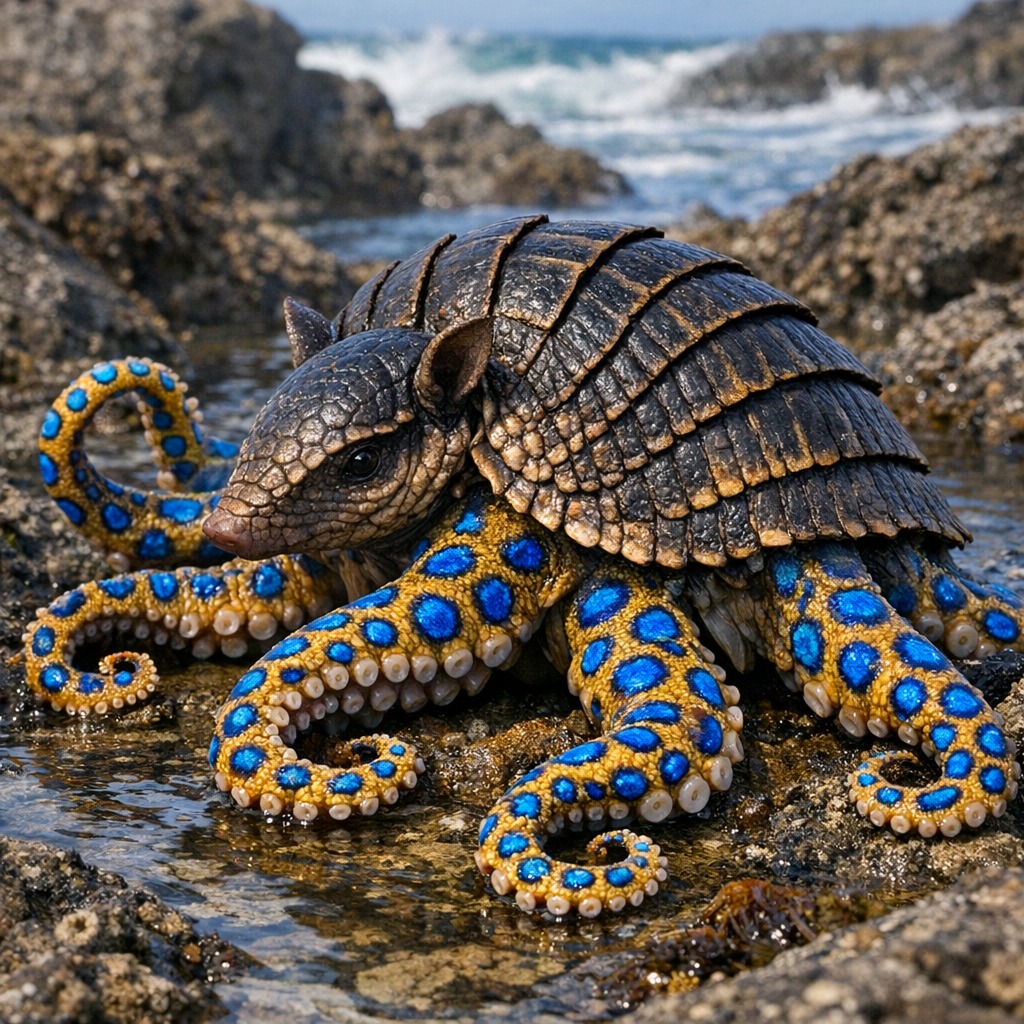
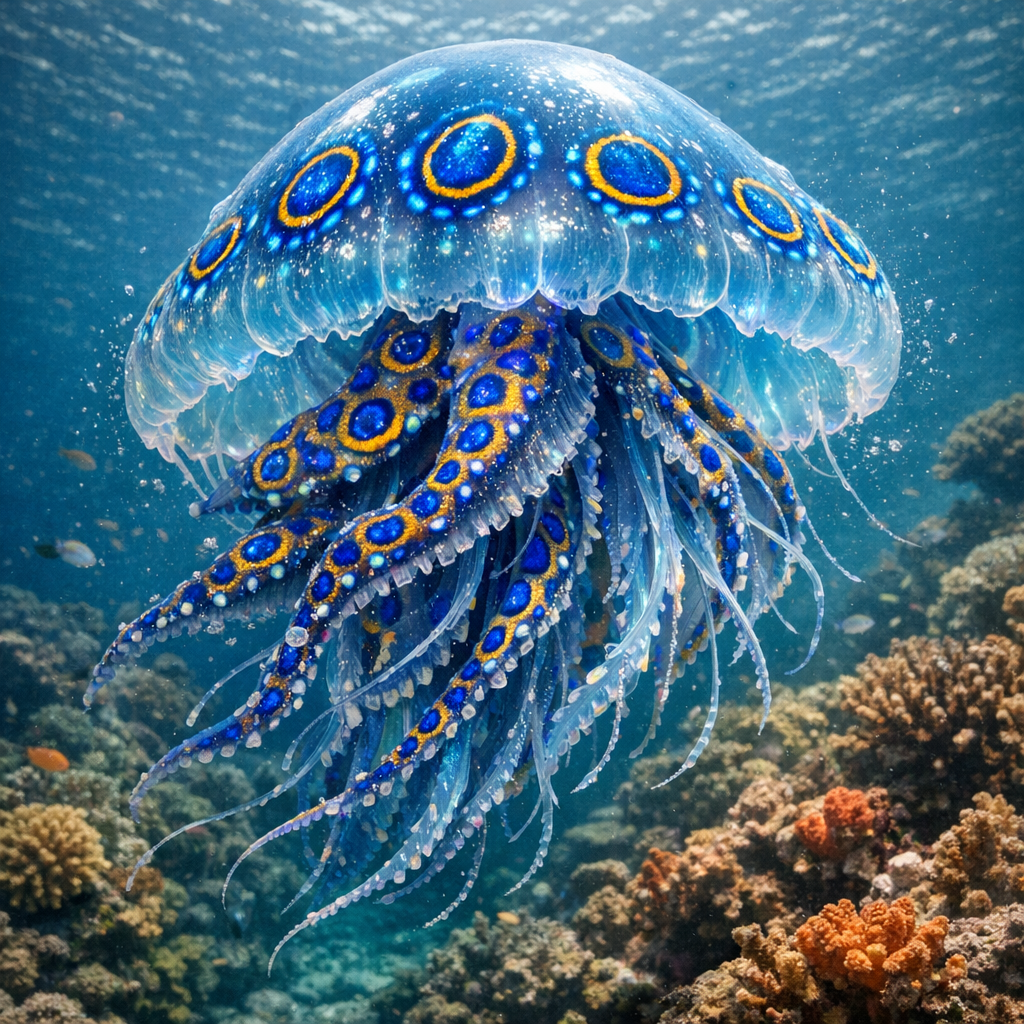
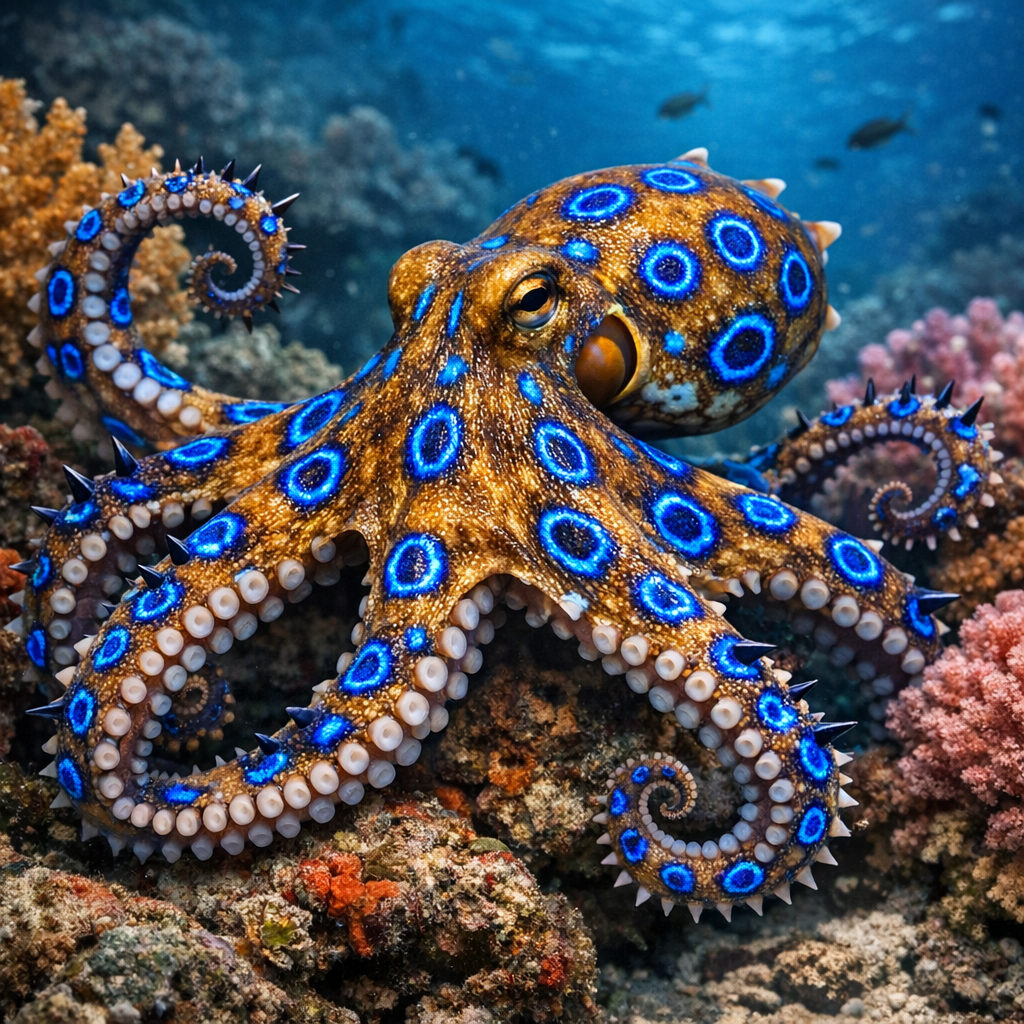
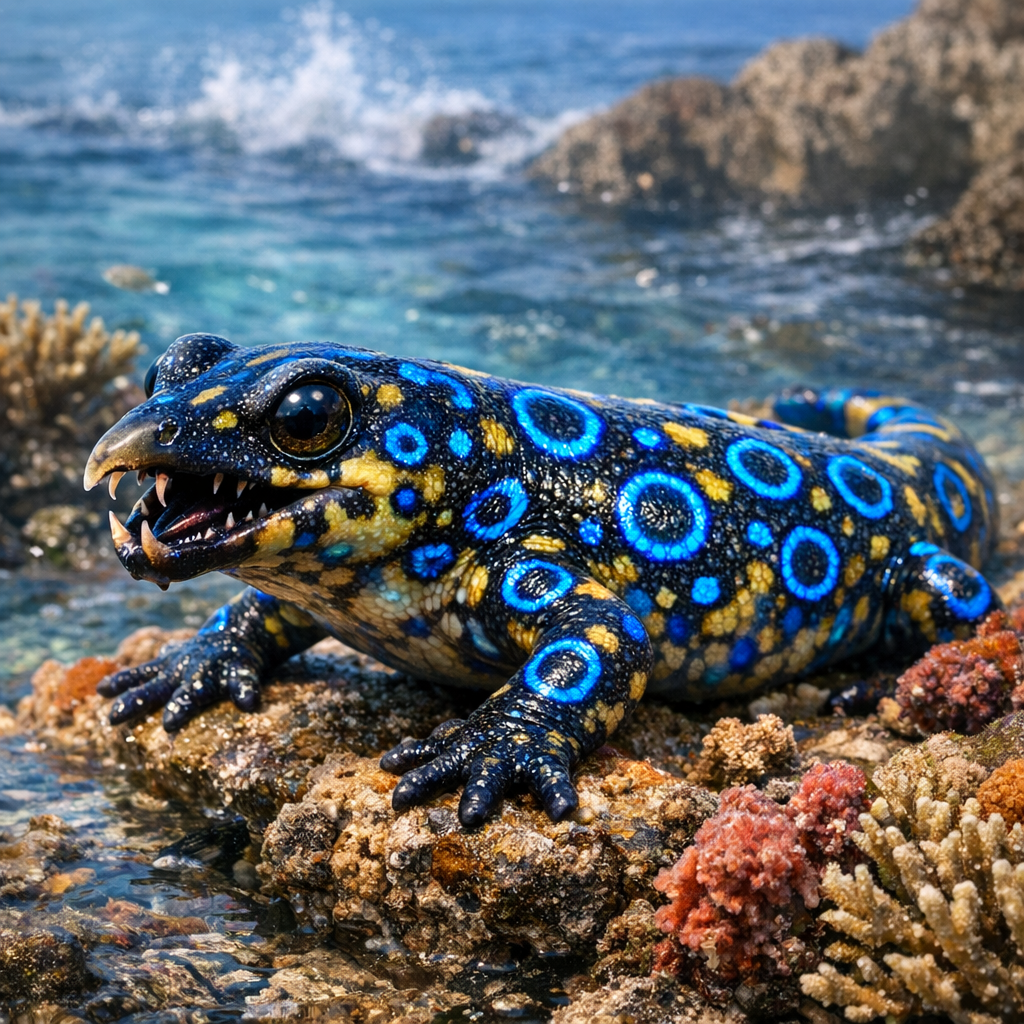
The Salamandocotopus is a fascinating hybrid creature that combines the terrestrial grace of a salamander with the vibrant, bioluminescent features of the blue-ringed octopus. Its body is elongated and smooth, covered in a shimmering, iridescent skin that displays a mesmerizing blue pattern, reminiscent of the octopus's rings. The creature possesses four short limbs resembling those of a salamander, enabling it to navigate both land and water efficiently. Its head features large, expressive eyes and a mouth filled with sharp, beak-like structures, allowing it to capture prey with agility. Capable of changing colors for camouflage, the Salamandocotopus is a true marvel of evolutionary adaptation.
Special abilities
Venomous Sip
The Salamandocotopus injects a potent neurotoxin through its beak, paralyzing its prey instantly.
From the Blue-ringed octopus
Real-world basis: The venom contains potent tetrodotoxins that disrupt nerve signaling.
Fiery Lunge
With a sudden burst of speed, the Salamandocotopus lunges at its target, striking with a fiery display of vibrant colors to distract and disorient.
From the Salamander
Real-world basis: The rapid movement is akin to the quick escape responses seen in salamanders, combined with an eye-catching display.
Camouflage Shield
By blending seamlessly into its surroundings, the Salamandocotopus can evade predators and attacks, reducing visibility.
From the Blue-ringed octopus
Real-world basis: The ability to rapidly change skin color and texture to mimic the environment for stealth.
Toxic Skin
The Salamandocotopus secretes a mild toxin through its skin, deterring potential predators from approaching.
From the Salamander
Real-world basis: Certain salamanders possess toxic skin secretions that serve as a defense mechanism.