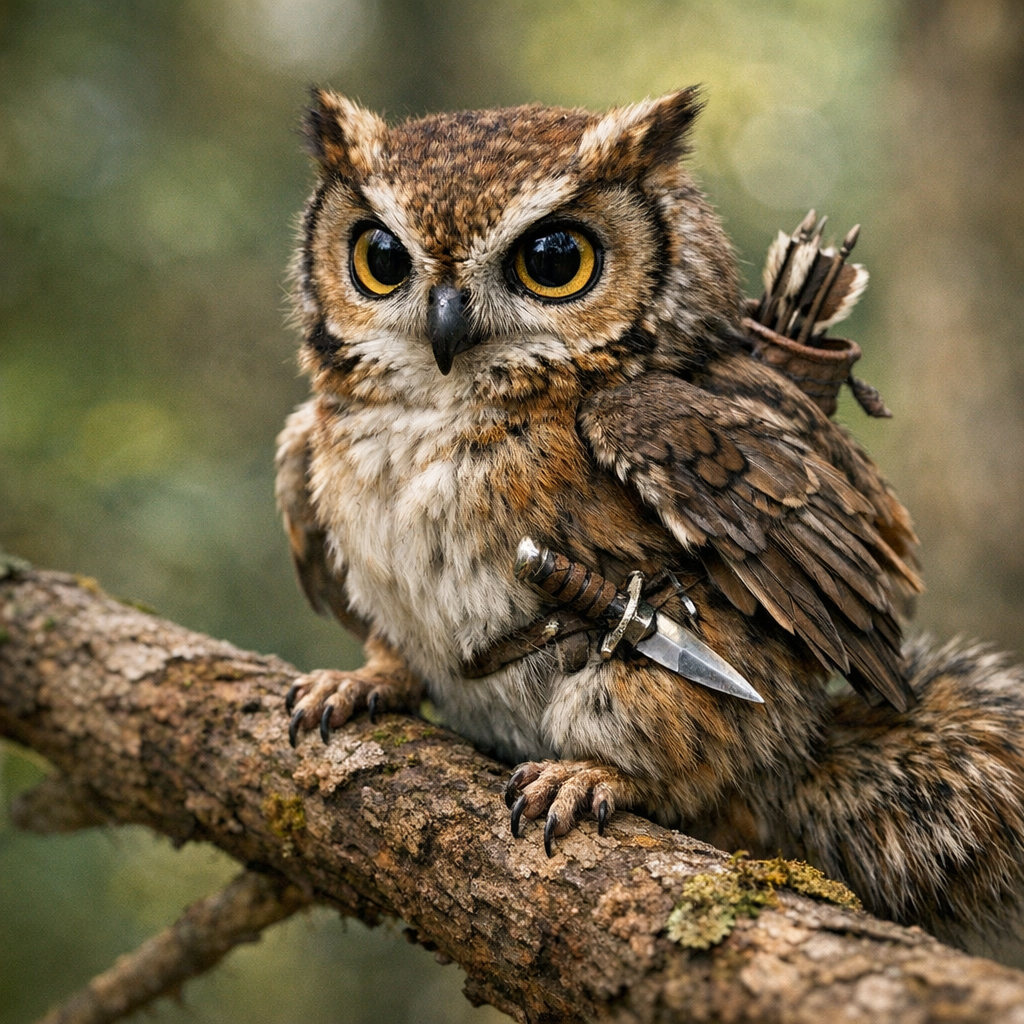
Owlchip
- Habitat
- The Owlchip thrives in temperate forests, where dense tree canopies provide shelter and nesting opportunities. It prefers areas rich in foliage and understory, allowing for abundant foraging and safe nesting sites high in the trees.
- Diet
- Owlchips are omnivorous. They primarily feed on nuts, seeds, and fruits, with a penchant for acorns and berries. Additionally, they exhibit opportunistic behavior by consuming insects and small invertebrates, especially during the warmer months to supplement their diet with protein.
The story of Owlchip
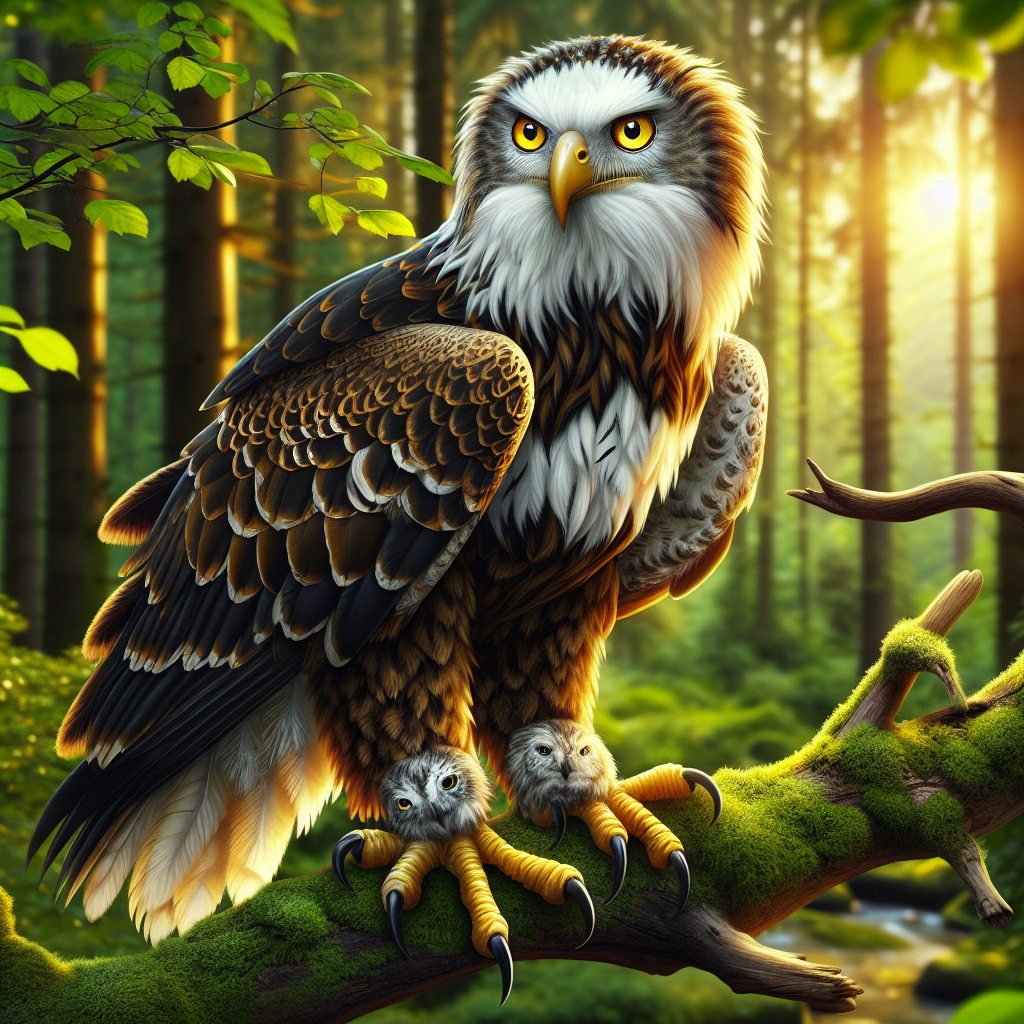
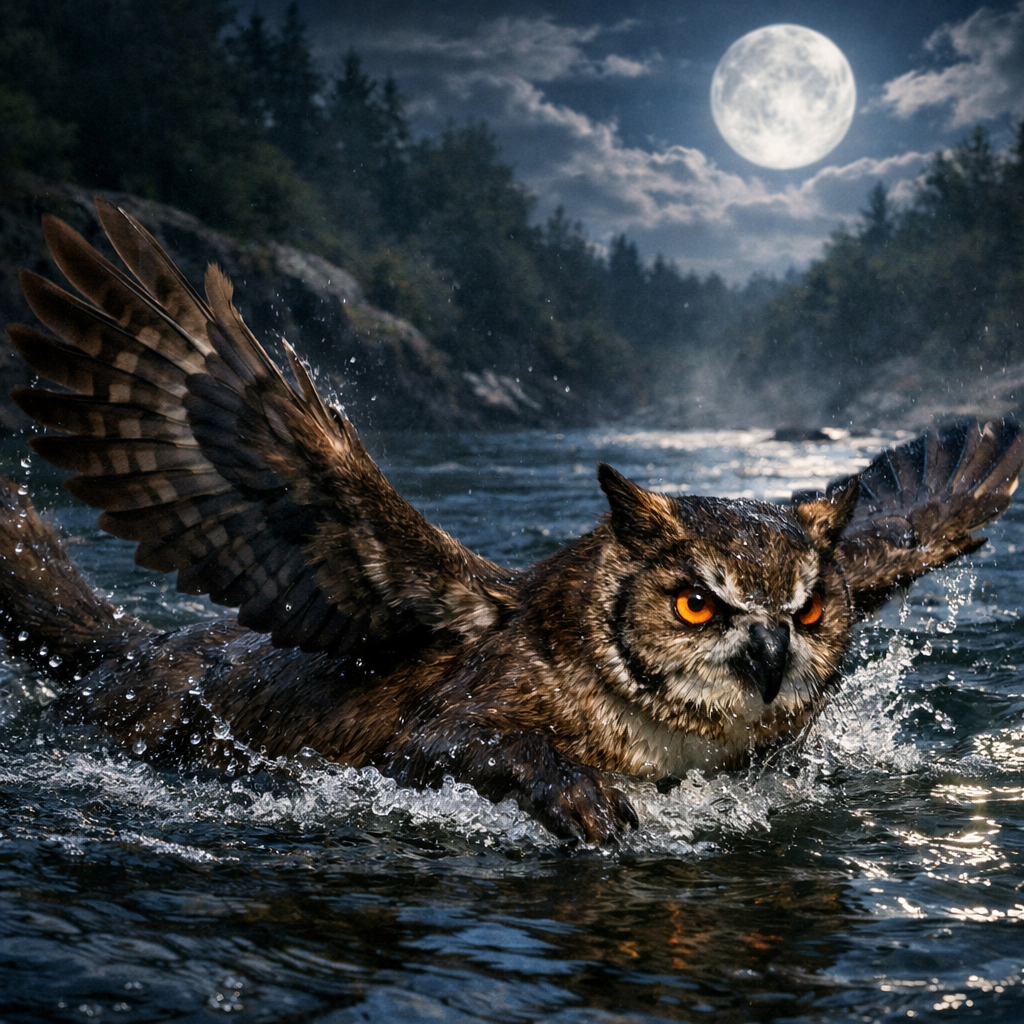
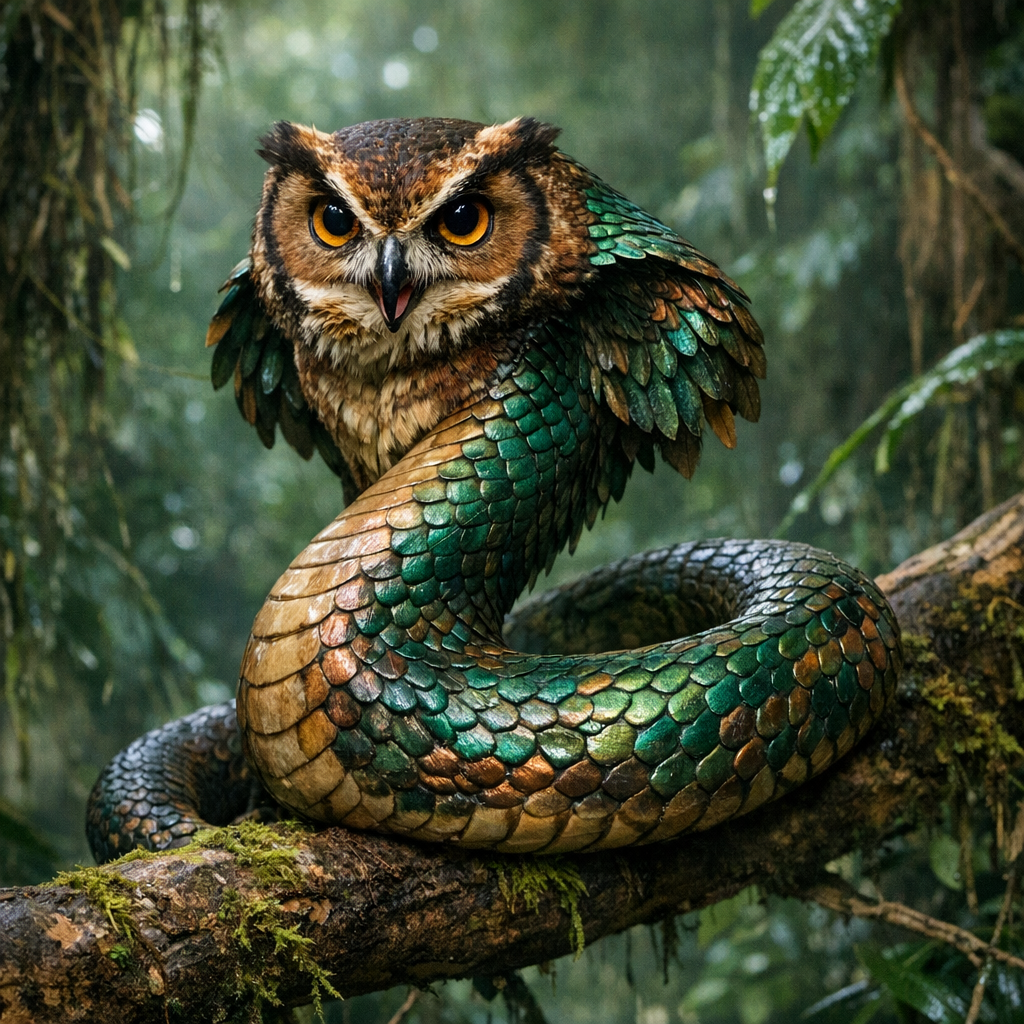
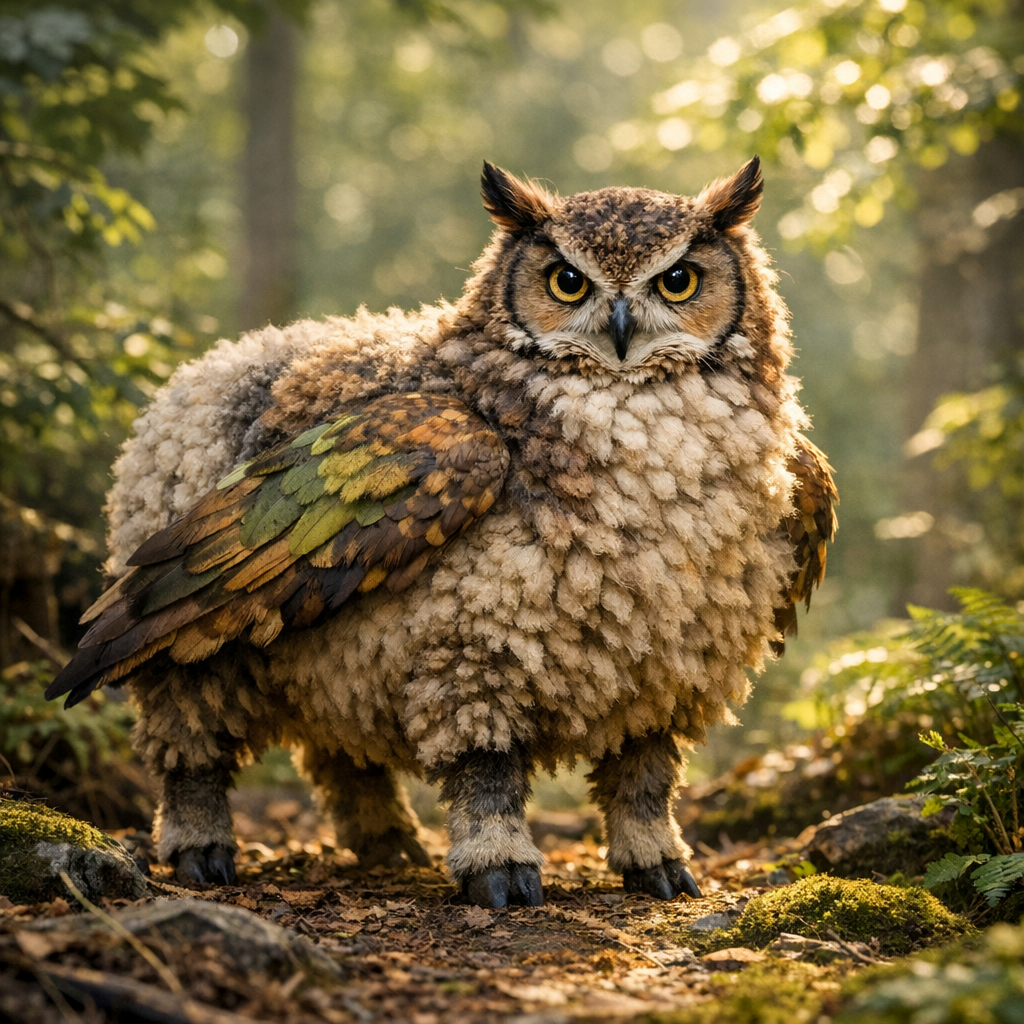
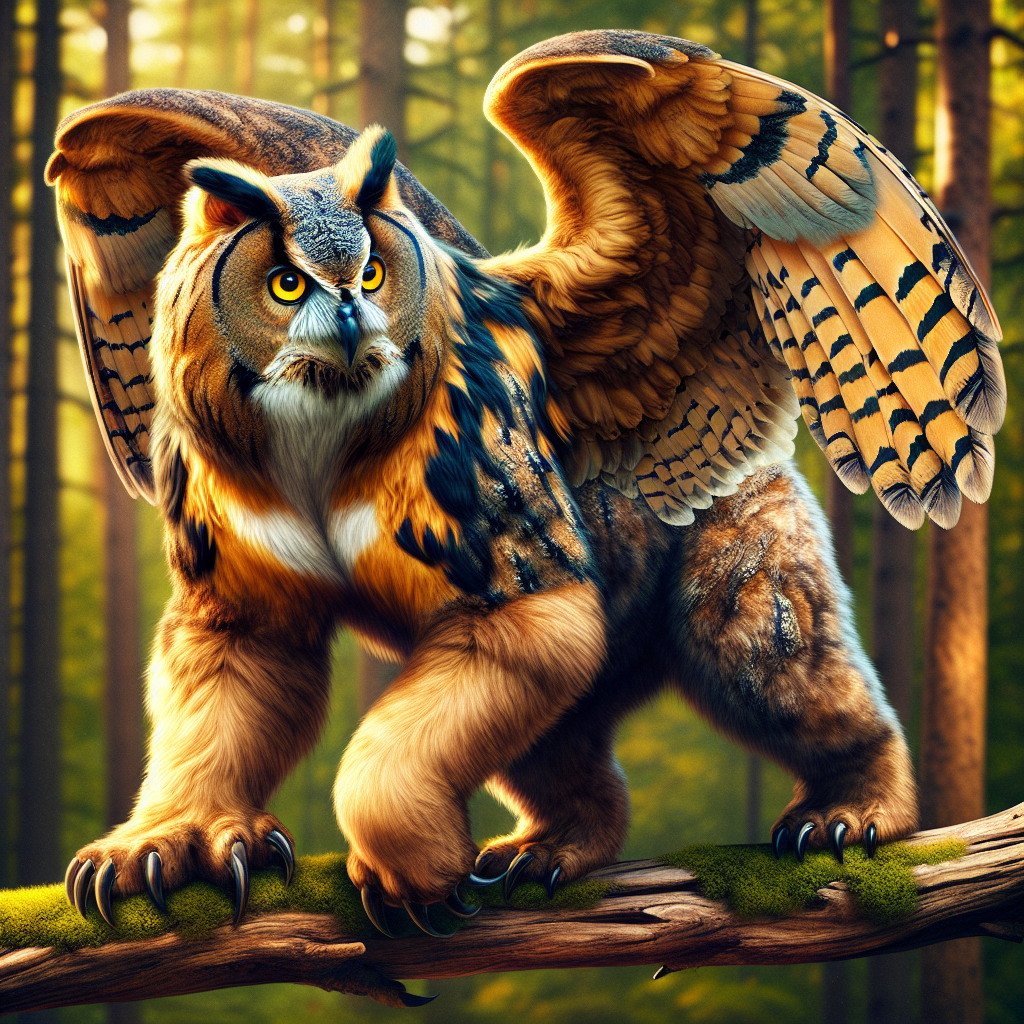
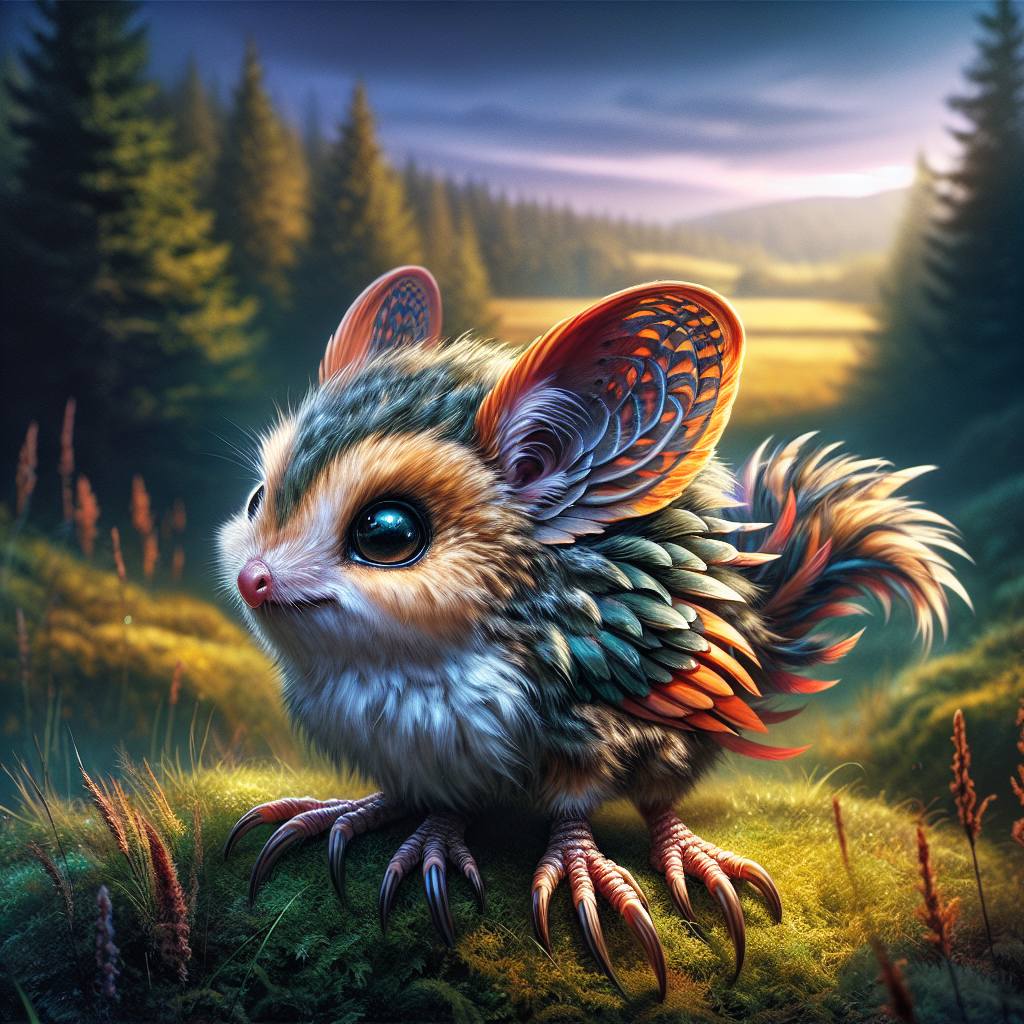
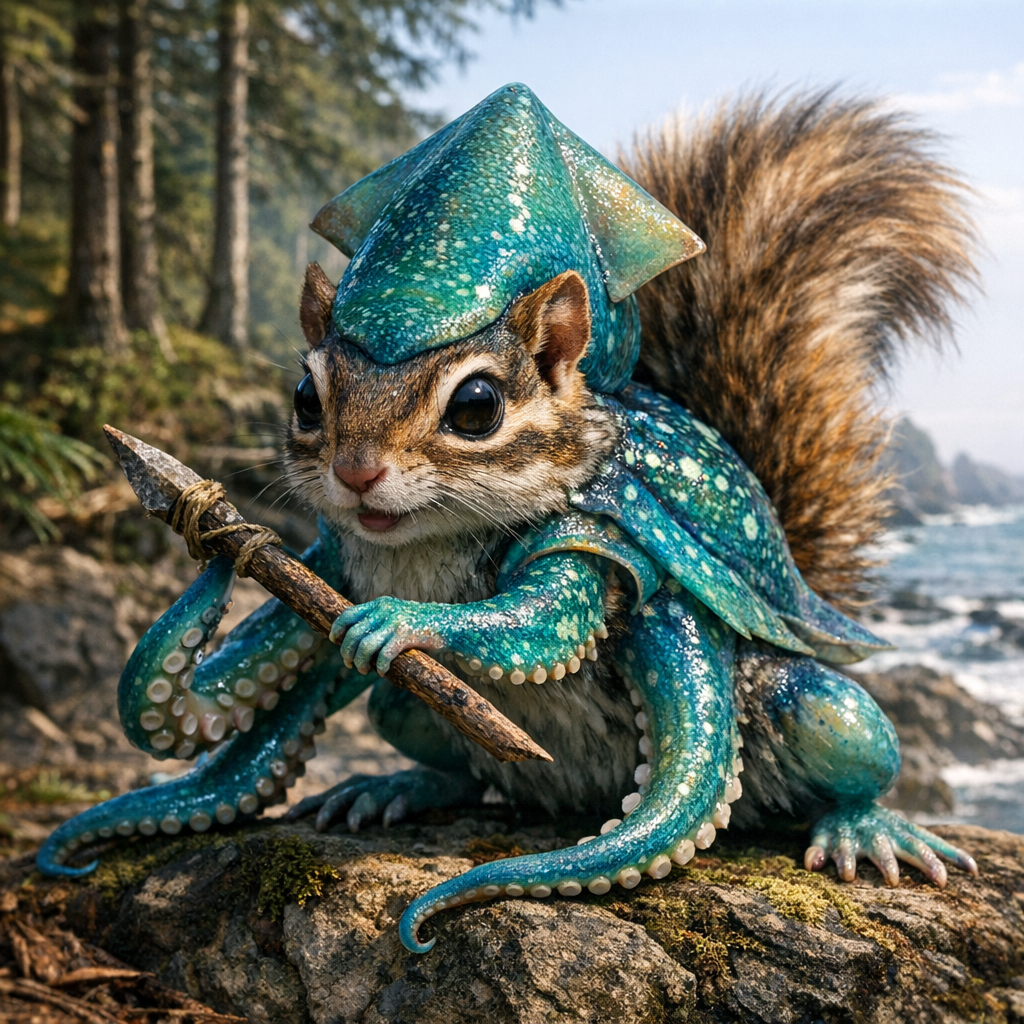
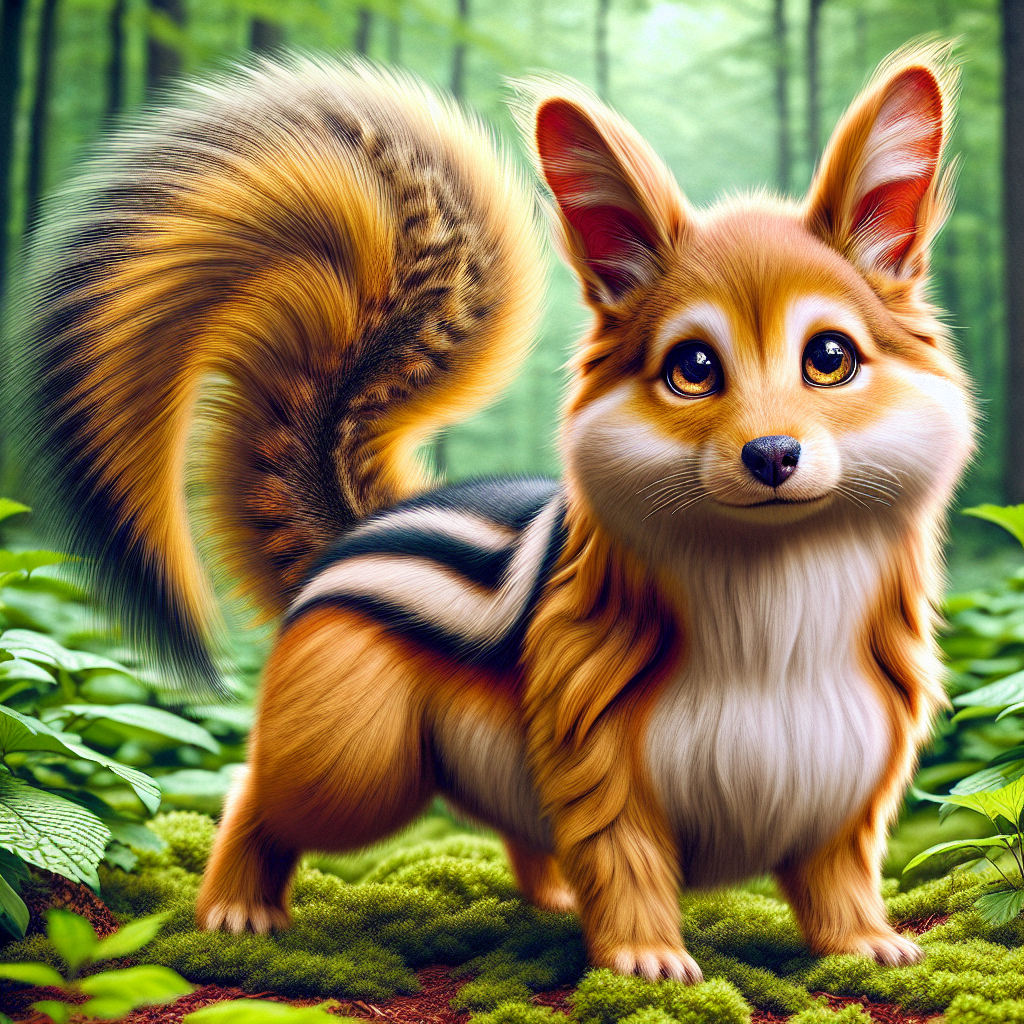
The Owlchip (Sciurus strigidae) is a unique hybrid creature characterized by its large, expressive eyes akin to an owl's, set within a small, agile body reminiscent of a chipmunk. Its soft fur is patterned with earthy browns and grays, blending seamlessly with its forest environment. The Owlchip possesses broad wings folded neatly against its back, allowing for short bursts of flight. Its bushy tail aids in balance while navigating tree branches, and its sharp claws are adapted for climbing and gripping. The creature's vocalizations combine the soft hoots of an owl with the chirpy sounds of a chipmunk, creating a symphony of calls that echo through the woodlands.
Special abilities
Winged Assault
The Owlchip launches from its perch and swoops down on its target, using its sharp claws to inflict damage.
From the Owl
Real-world basis: Utilizes the element of surprise and speed to attack from above.
Nut Barrage
The Owlchip gathers and hurls hard nuts at its enemies, using its strong forelimbs for increased projectile speed.
From the Chipmunk
Real-world basis: Employs a form of projectile defense by utilizing natural food sources as weapons.
Feathered Shield
The Owlchip spreads its wings wide to create a protective barrier, deflecting incoming projectiles and scaring off predators.
From the Owl
Real-world basis: The large wing span provides a visual deterrent while offering physical protection.
Burrow Retreat
In times of danger, the Owlchip quickly retreats into its burrow, utilizing its small size and agility to escape.
From the Chipmunk
Real-world basis: Takes advantage of its natural burrowing instincts to evade threats.