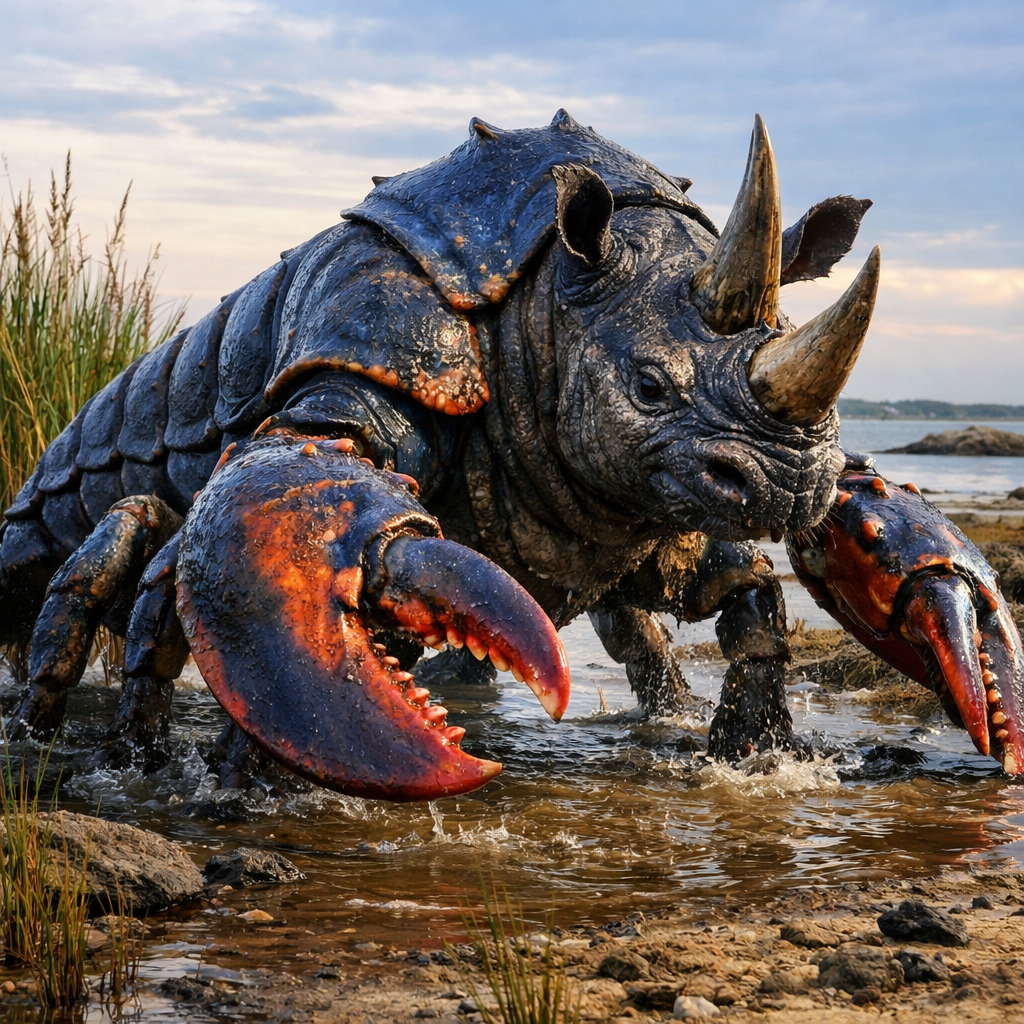
Rhinolobster
A hybrid of Rhinoceros + Lobster
- Habitat
- Coastal wetlands and river estuaries, where fresh and saltwater meet, providing both aquatic and terrestrial environments.
- Diet
- The Rhinolobster is omnivorous, primarily feeding on algae, crustaceans, and plant matter, utilizing its claws to forage on both land and underwater.
The story of Rhinolobster
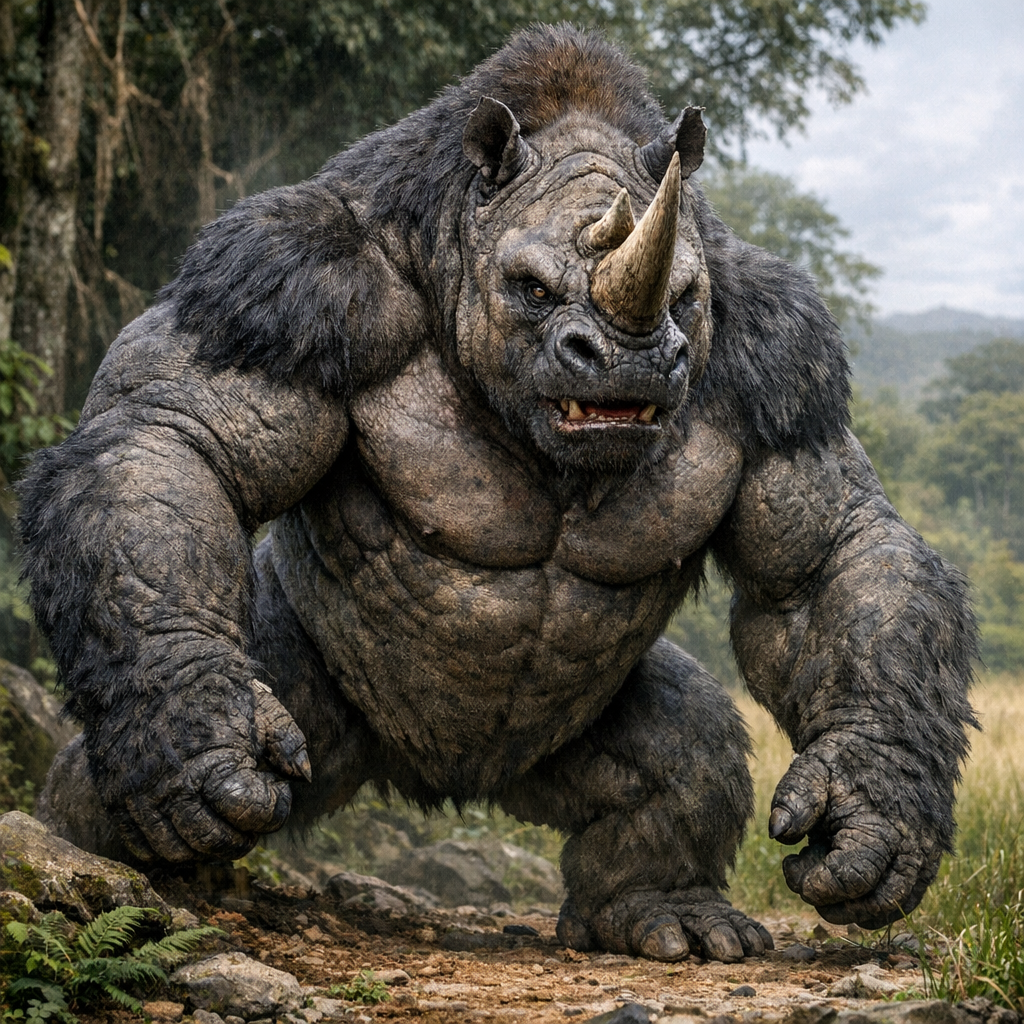
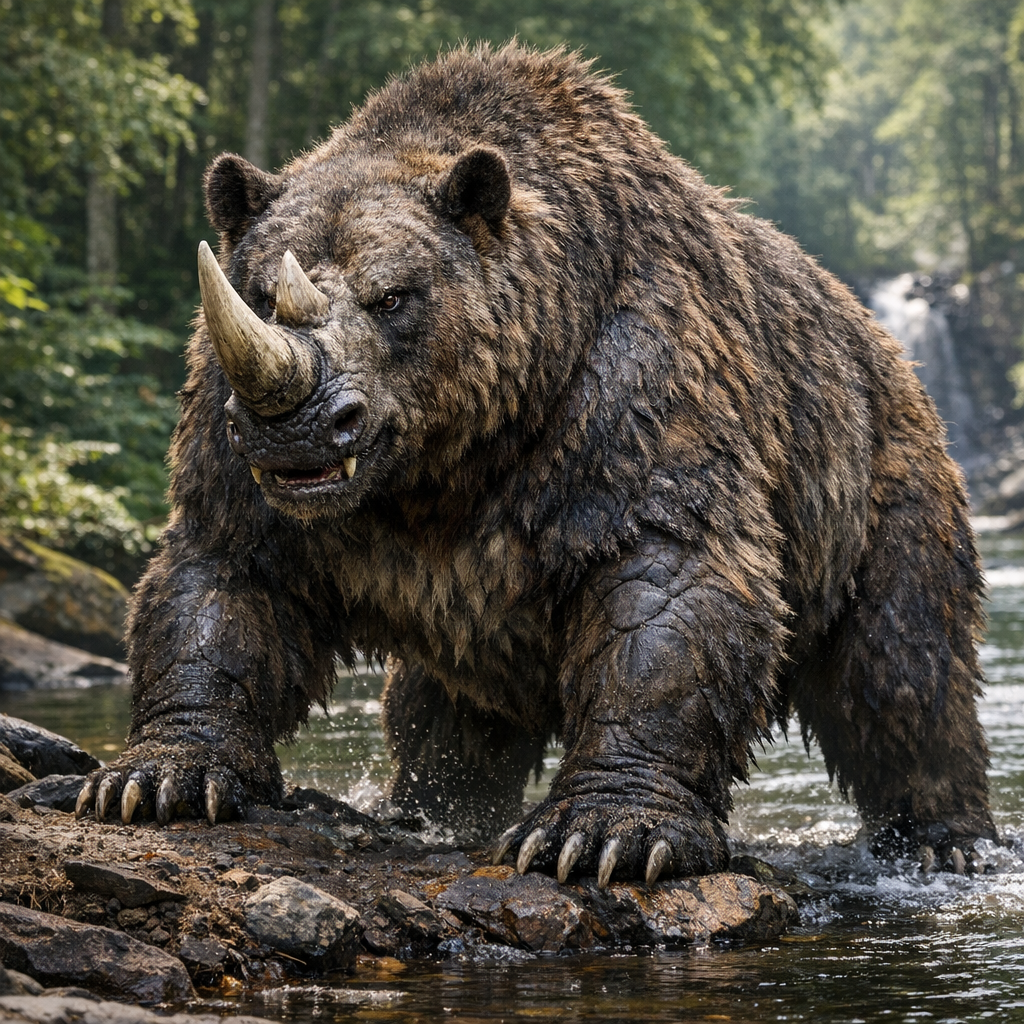
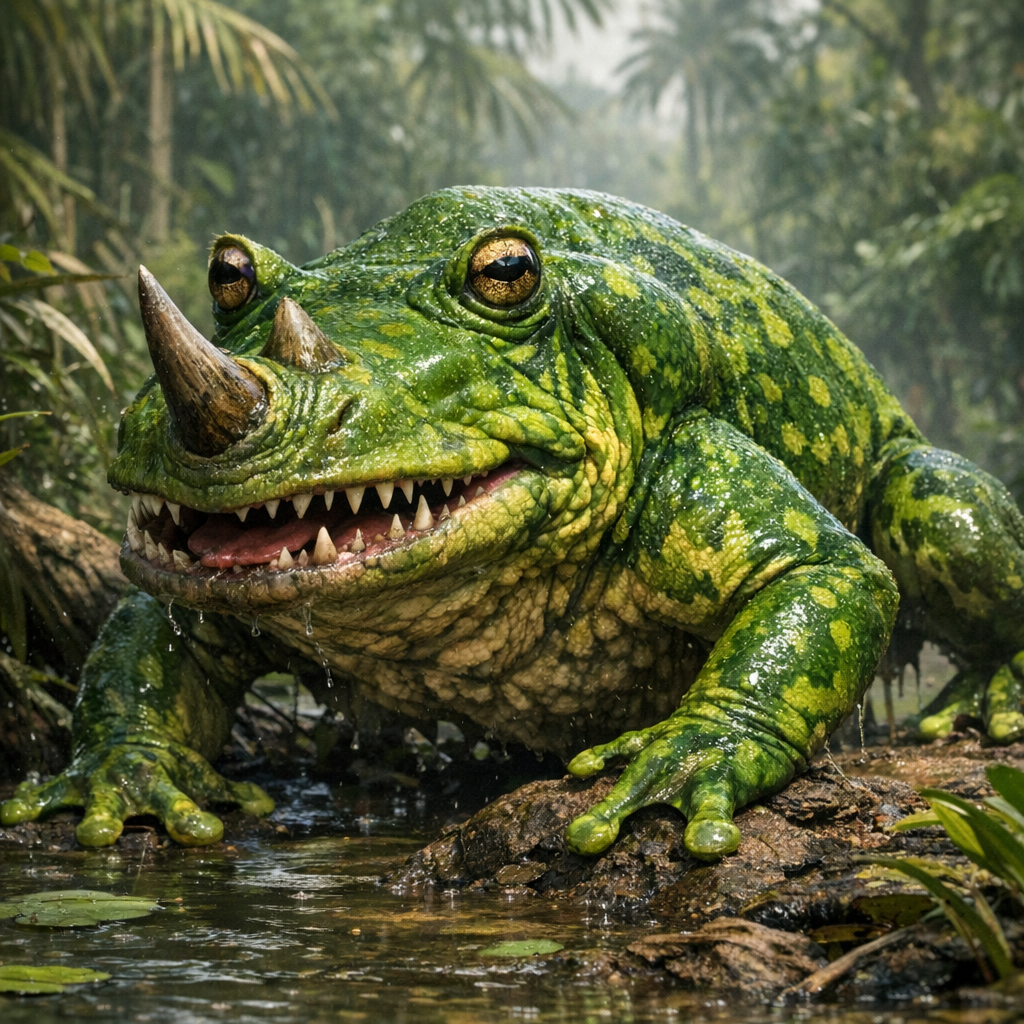
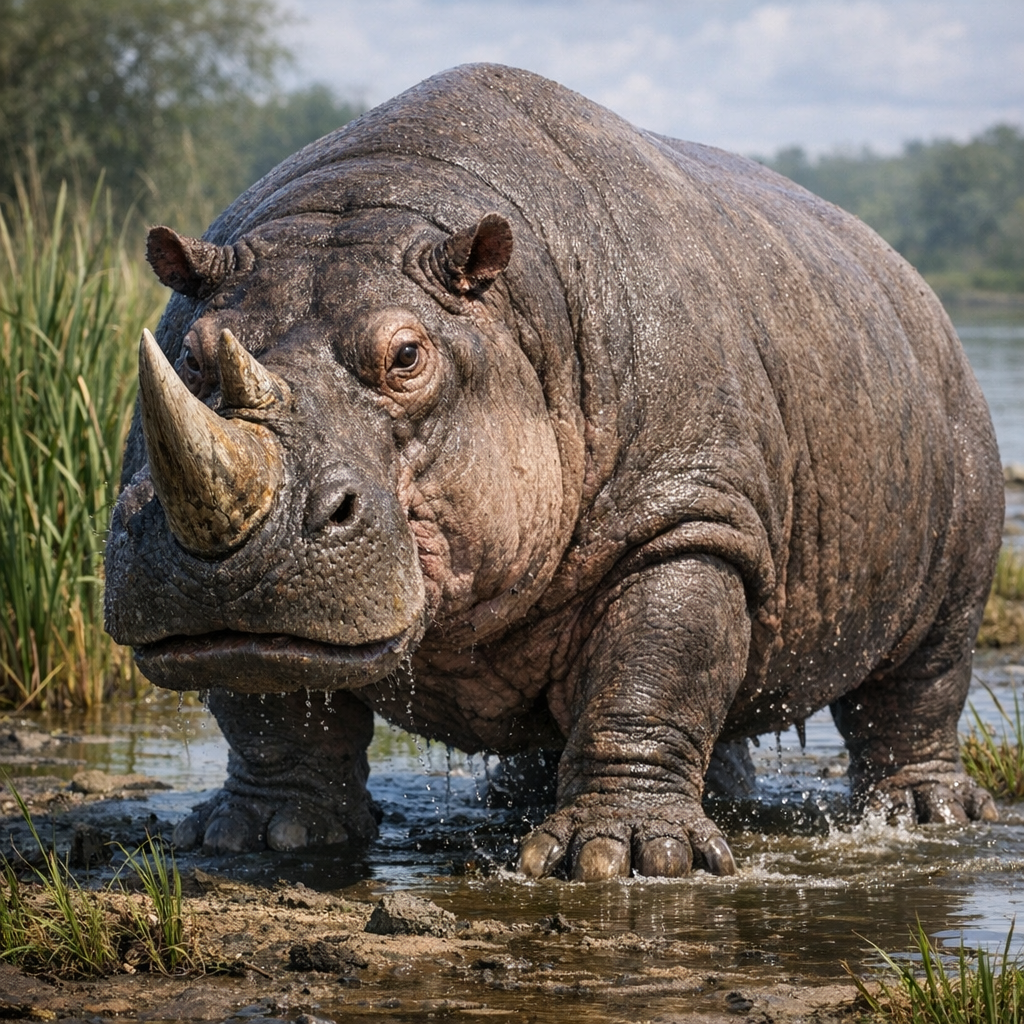
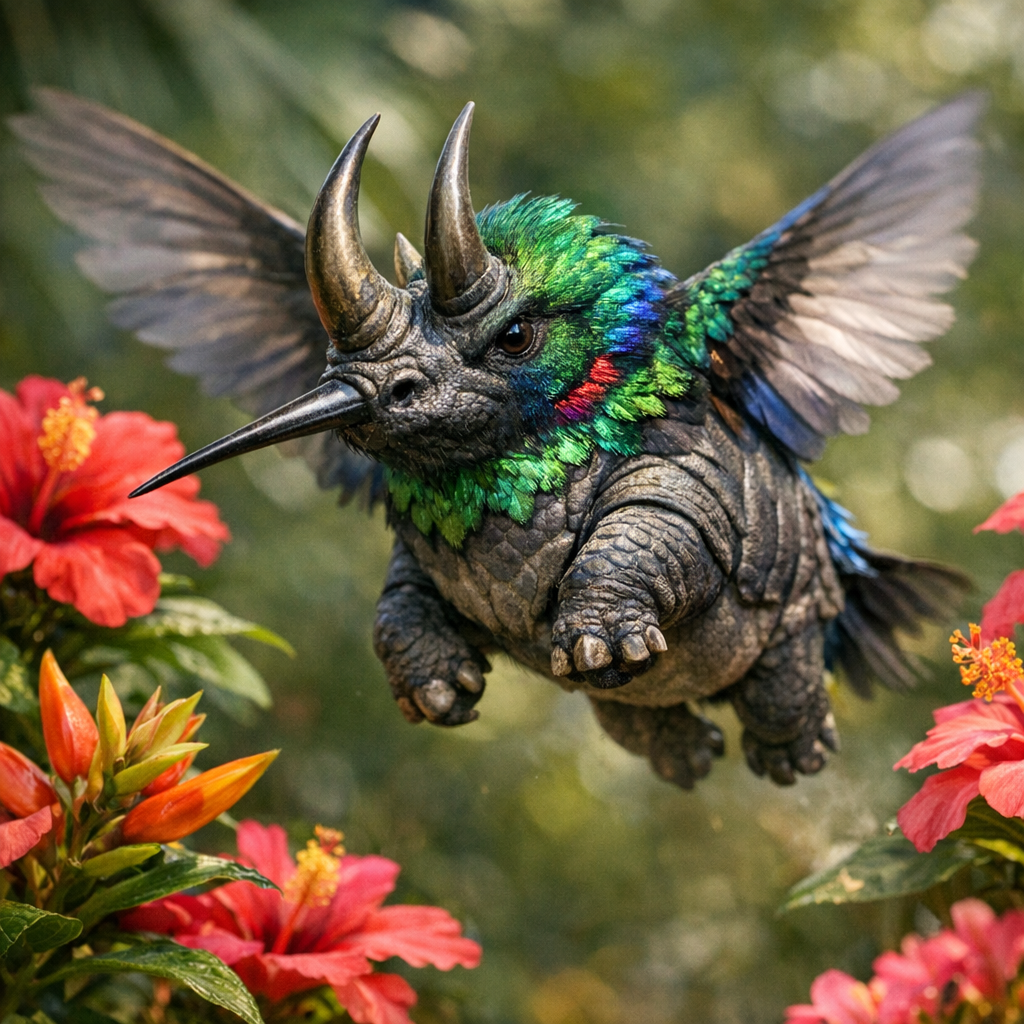
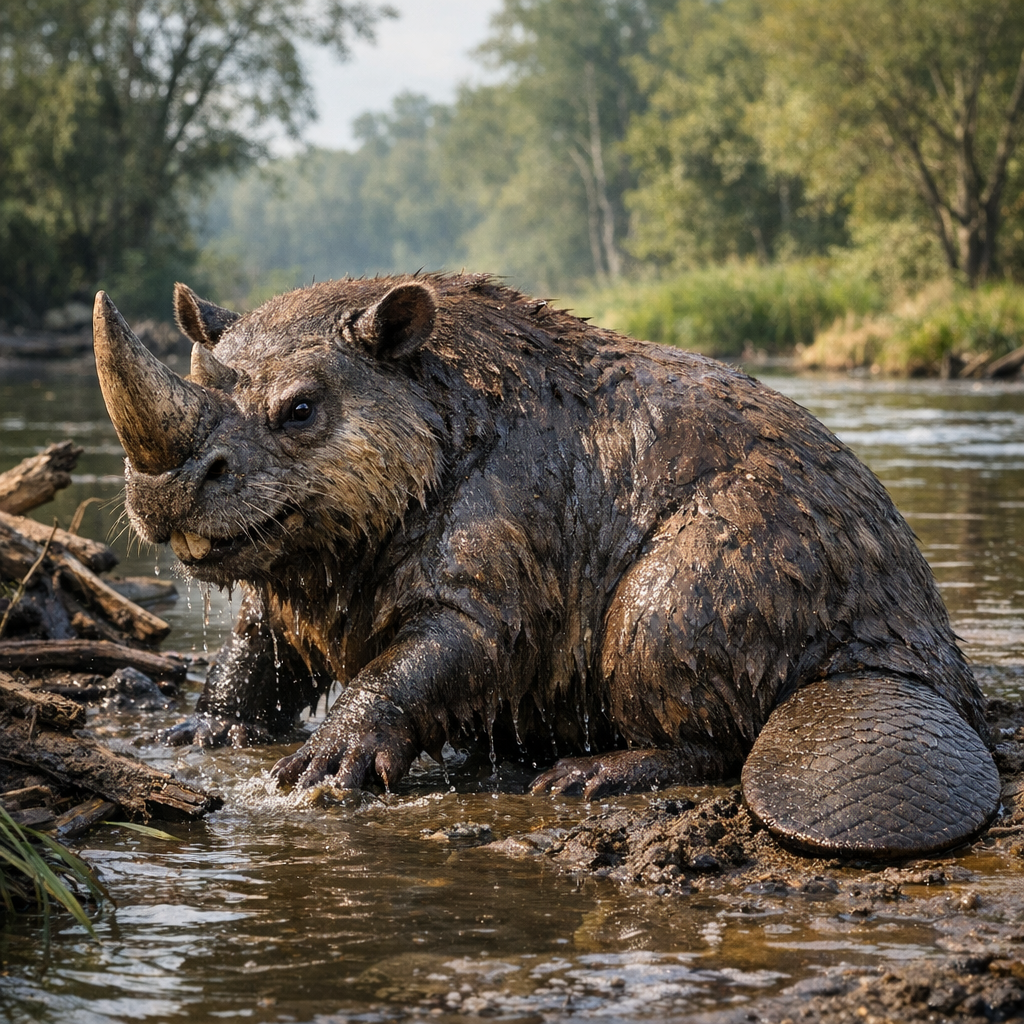
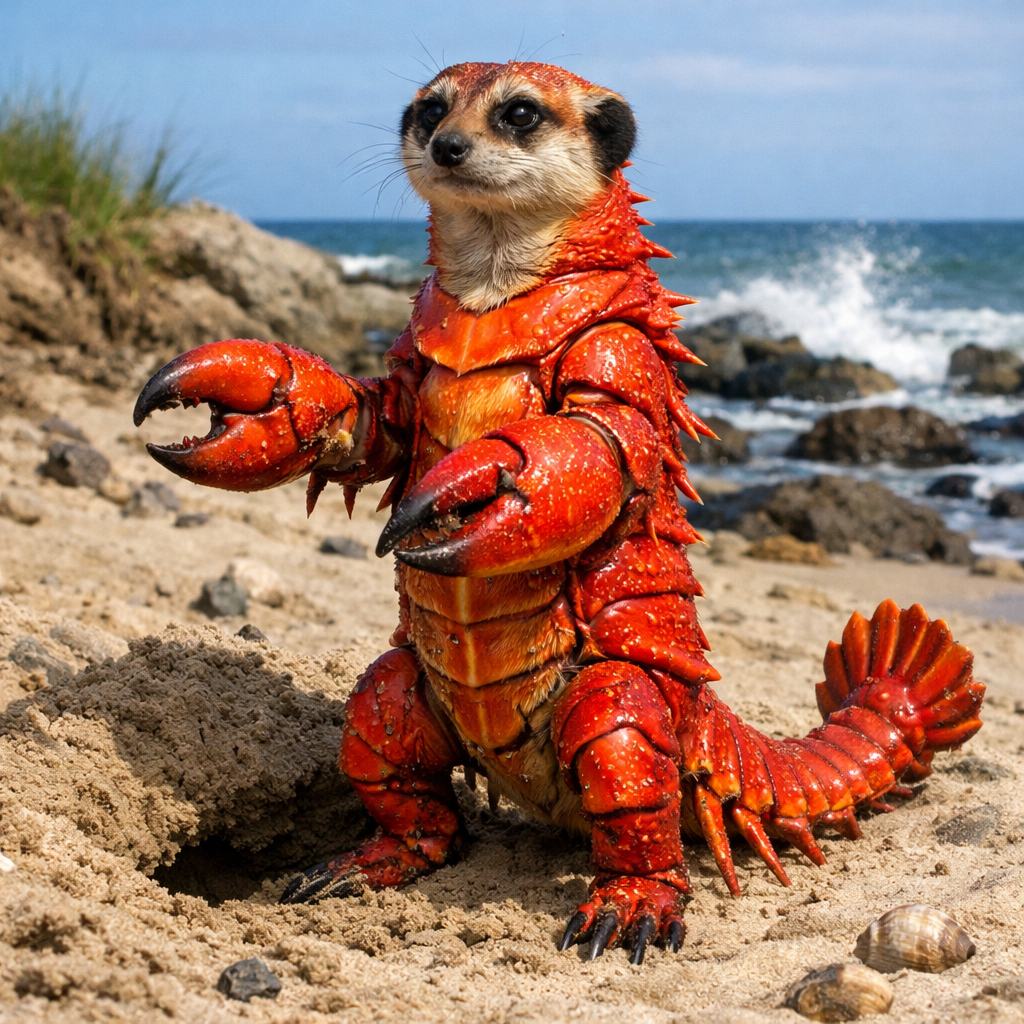
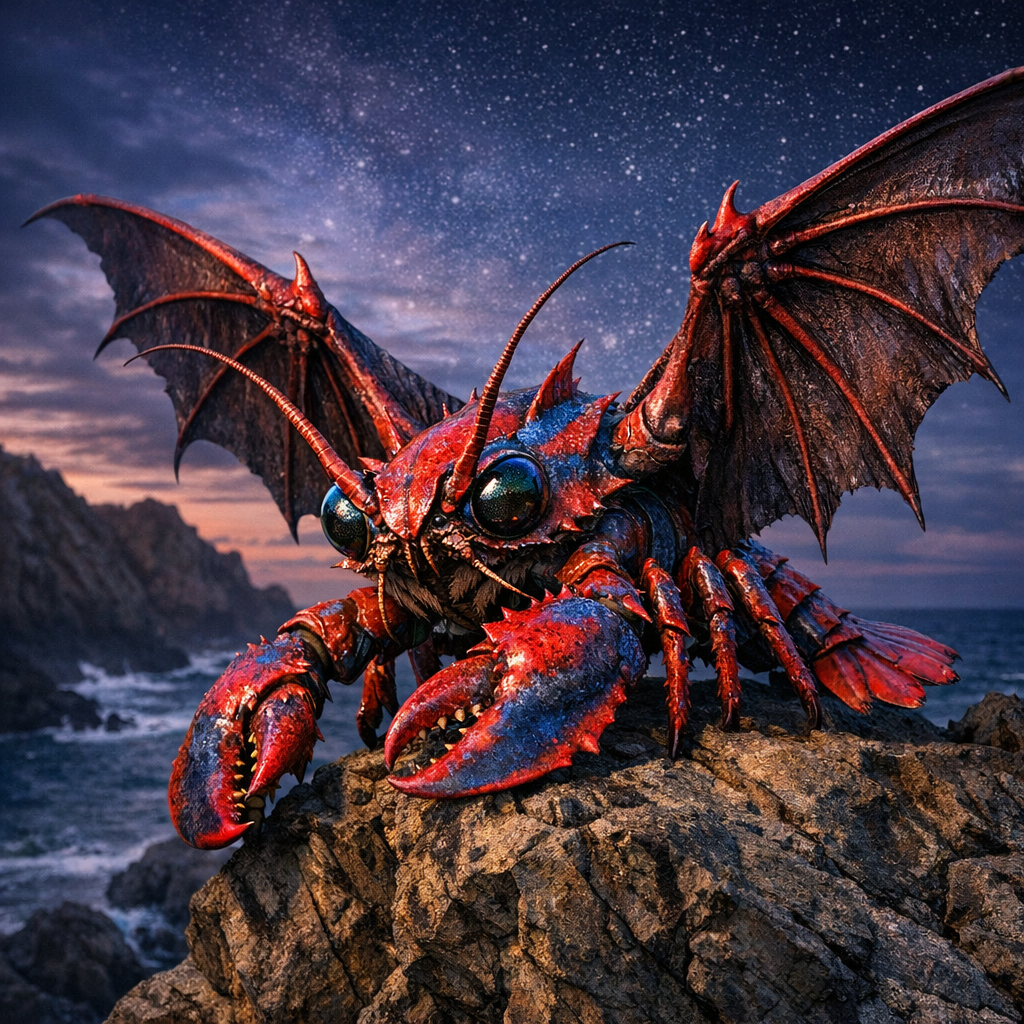
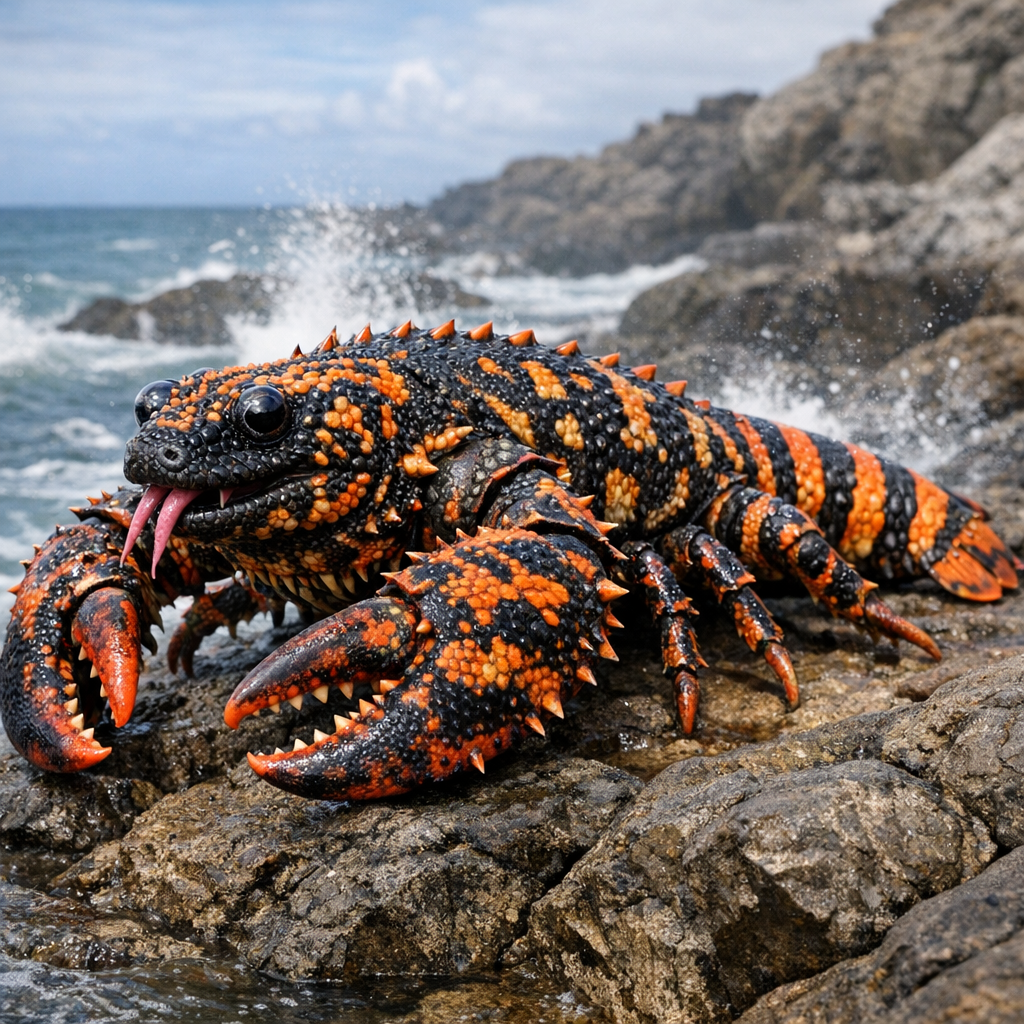
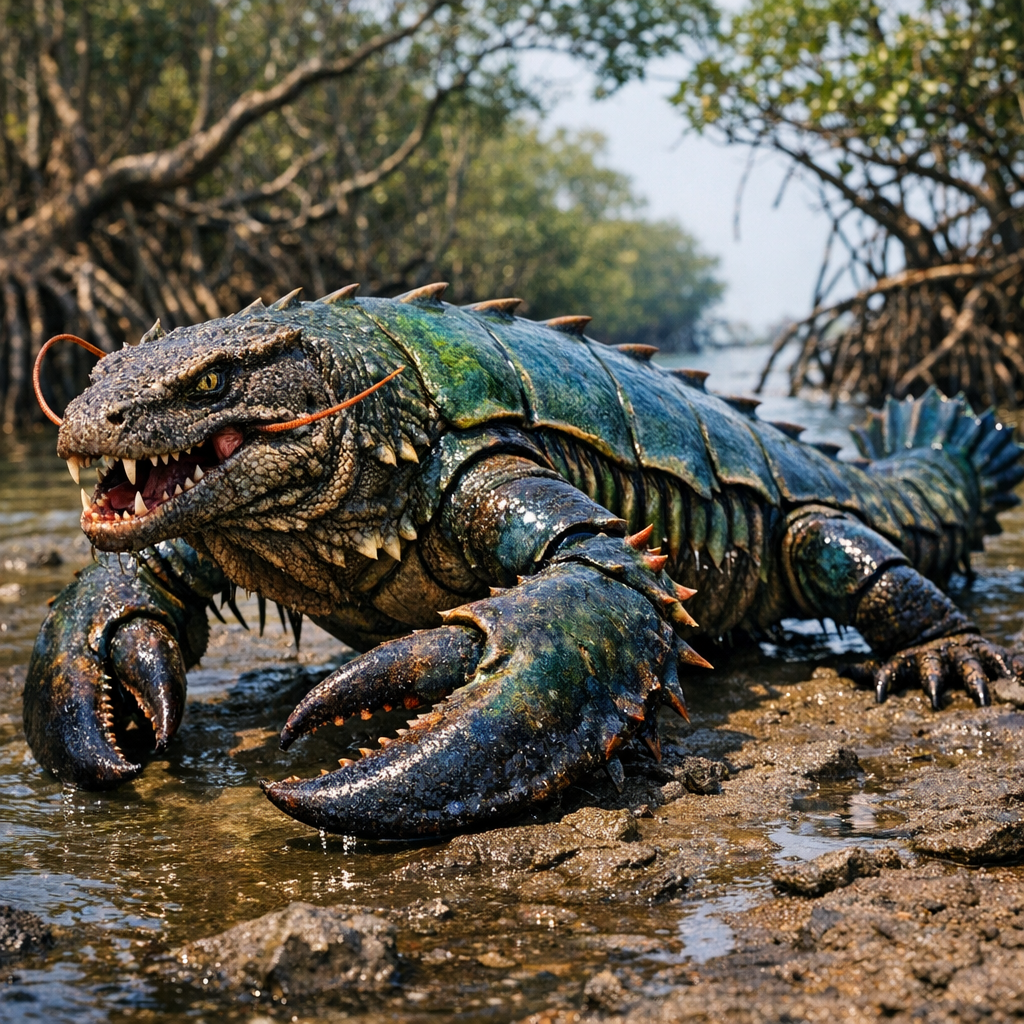
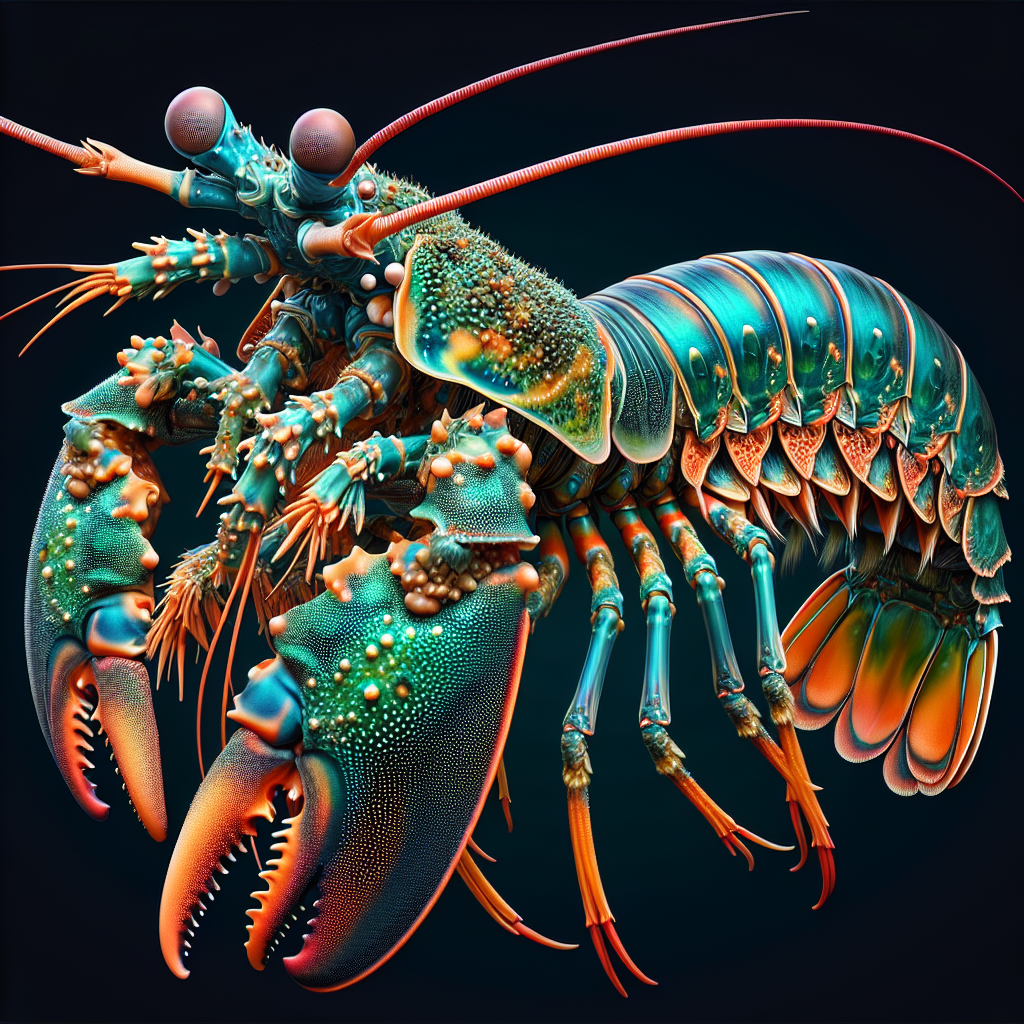
The Rhinolobster is a remarkable hybrid creature that combines the formidable bulk and tough skin of a rhinoceros with the segmented exoskeleton and powerful claws of a lobster. Measuring up to 8 feet in length and weighing approximately 1,200 pounds, the Rhinolobster boasts a robust body covered in a hard, chitinous shell that ranges in color from deep blue to earthy gray. Its large, horn-like protrusions resemble those of a rhinoceros, while its claws are powerful enough to crush shellfish and fend off predators. The creature possesses both aquatic gills and lungs, allowing it to thrive in both water and on land.
Special abilities
Horn Charge
The Rhinolobster lunges forward with incredible speed, using its massive horns to impale and knock back opponents.
From the Rhinoceros
Real-world basis: The charging behavior is similar to that of large herbivores, which utilize their size and mass to assert dominance and defend territory.
Claw Crush
With its powerful pincers, the Rhinolobster can deliver a crushing blow to its adversaries, causing severe damage.
From the Lobster
Real-world basis: This ability mimics the crushing force of a lobster's claws, which are designed to break through tough exoskeletons.
Shell Defense
The Rhinolobster can retract into its hard shell, providing significant protection against physical attacks.
From the Lobster
Real-world basis: This defensive mechanism is similar to that of crustaceans, which rely on their exoskeleton for protection.
Mud Camouflage
The Rhinolobster can blend into muddy environments, making it harder for predators to detect.
From the Rhinoceros
Real-world basis: This ability draws from the natural camouflage seen in many species, allowing for stealth in their habitat.