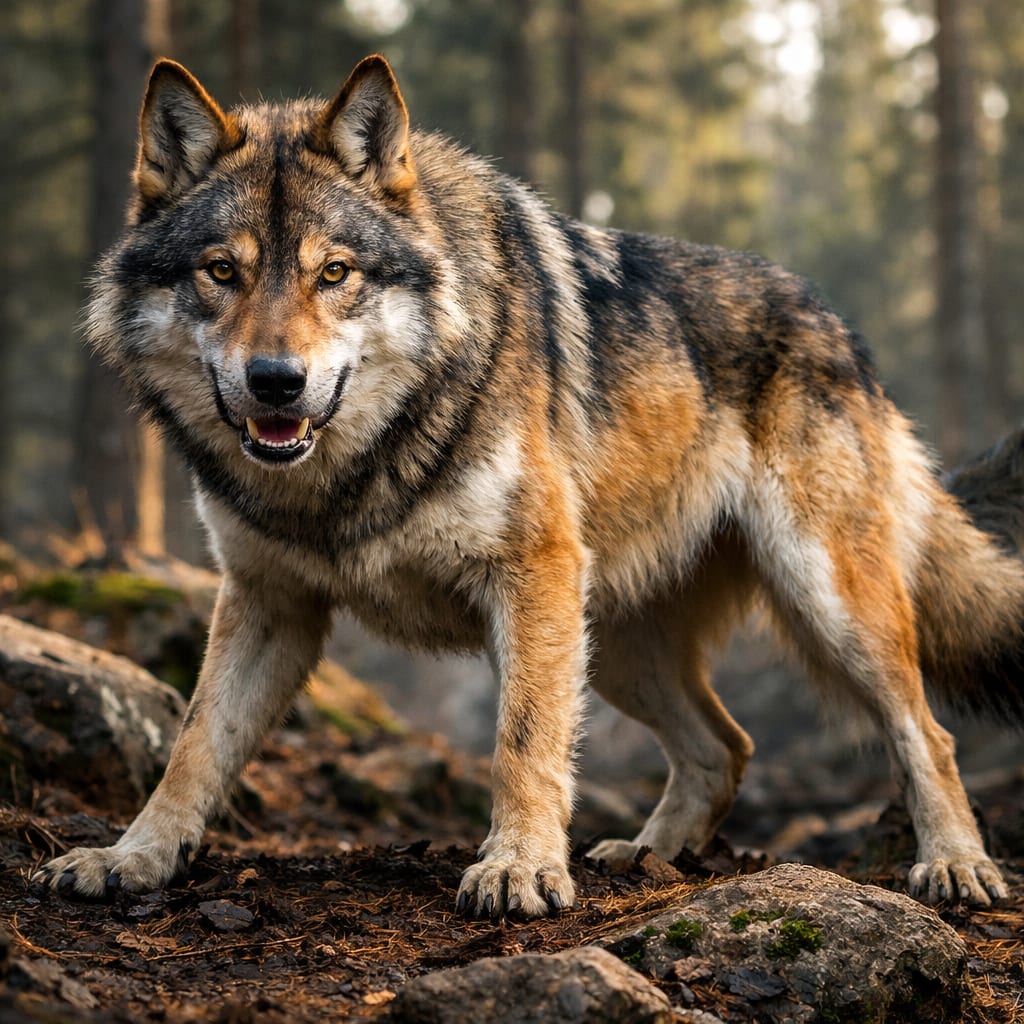
Wolfer
- Habitat
- The Wolfer thrives in a variety of natural environments, including dense forests, grasslands, and mountainous regions. It prefers areas with abundant cover and proximity to water sources, allowing it to hunt and roam freely.
- Diet
- The Wolfer is an omnivorous predator with a diverse diet. It primarily hunts small to medium-sized mammals, such as rabbits and deer, but will also scavenge for carrion and forage for fruits and vegetables when necessary.
The story of Wolfer
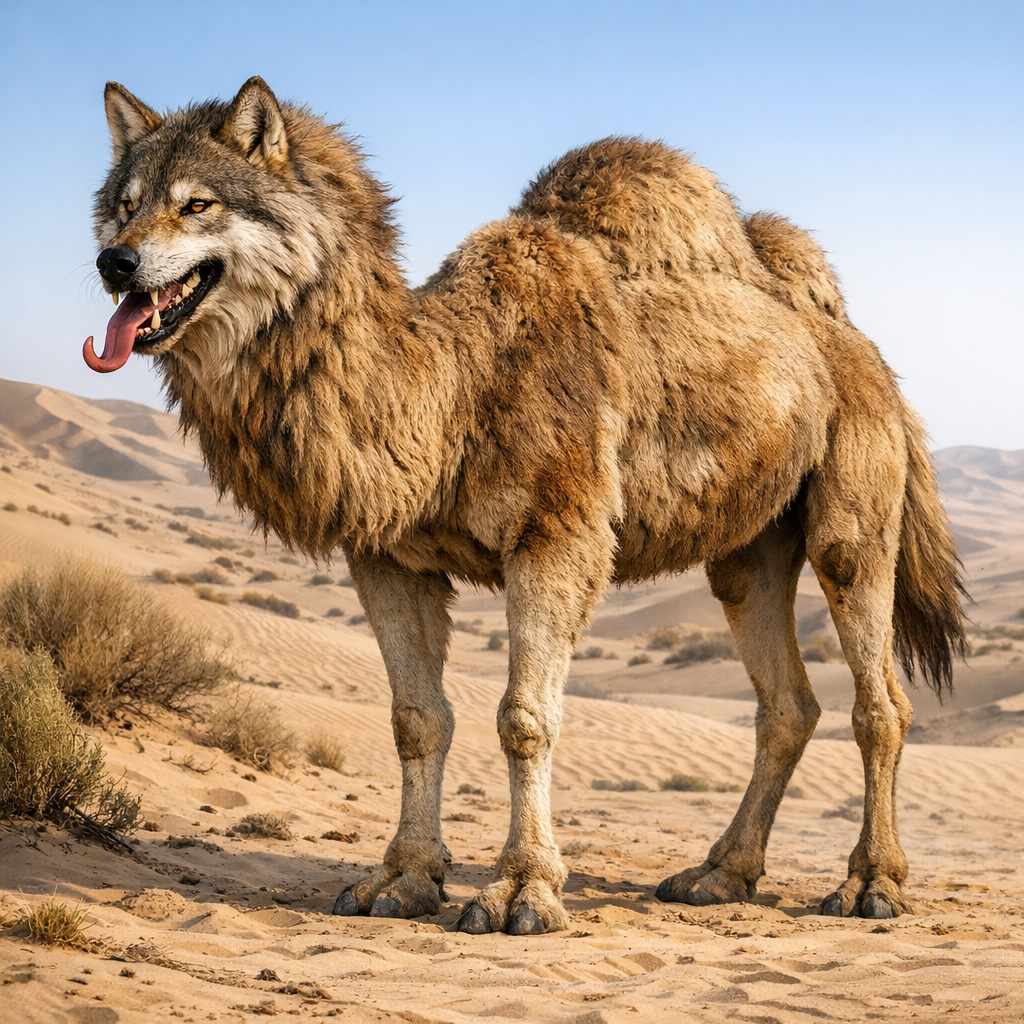
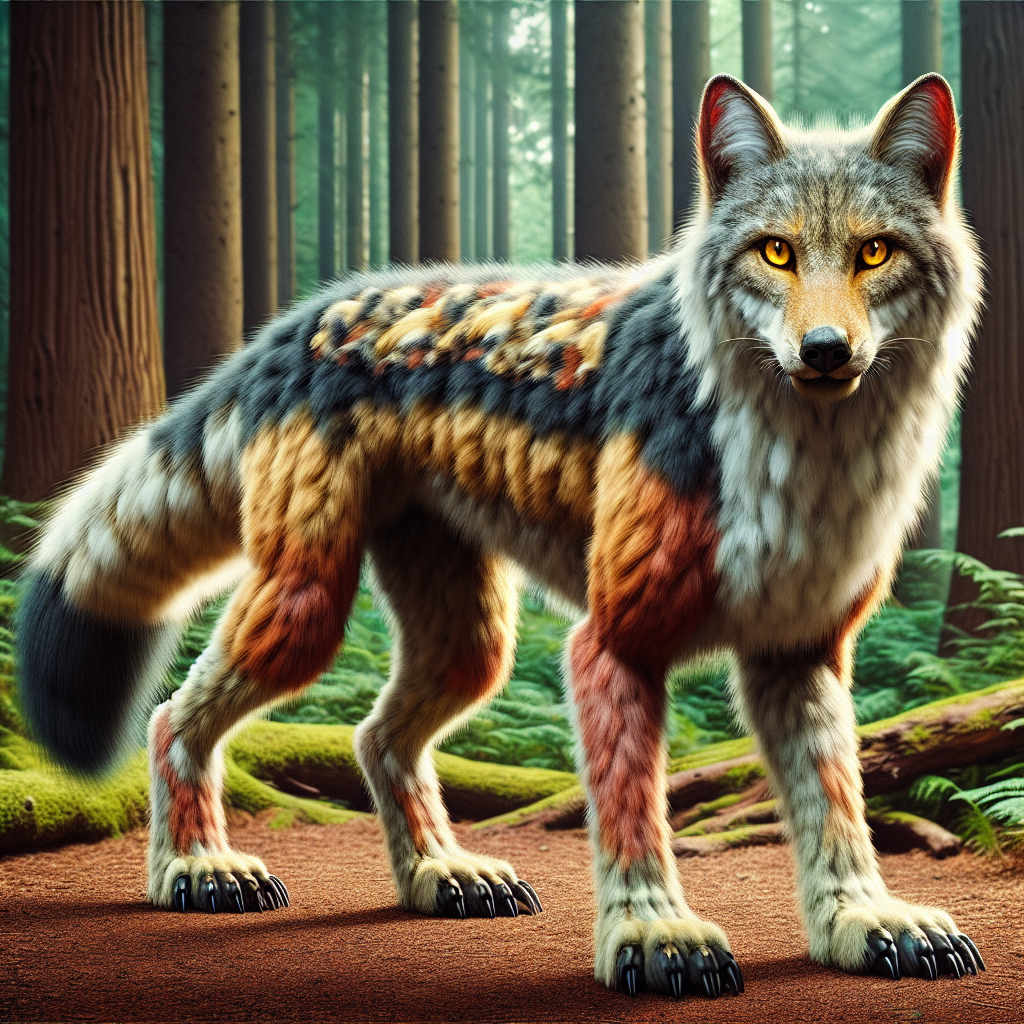
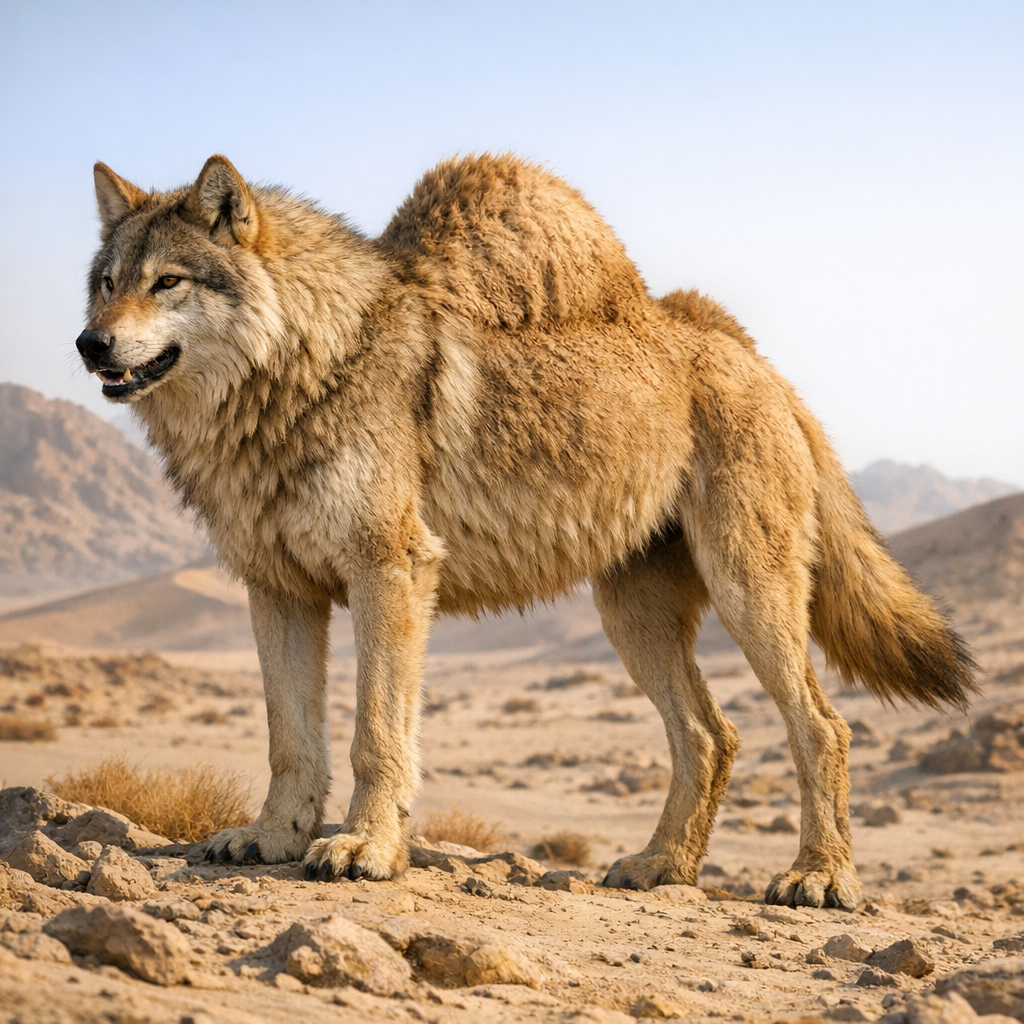
The Wolfer is a remarkable hybrid creature, combining the sleek agility of a wolf with the social intelligence of a dog. With a sturdy, muscular build, the Wolfer stands about 30 inches at the shoulder and weighs between 70 to 90 pounds. Its coat features a striking mix of gray and tawny fur, with a bushy tail that betrays its wild ancestry. The Wolfer possesses sharp, keen eyes that can detect movement from long distances, and its strong jaws are equipped with powerful teeth designed for both hunting and defense. This creature exhibits a unique blend of instincts, making it both a solitary hunter and a loyal pack member.
Special abilities
Feral Lunge
The Wolfer launches itself at its target with incredible speed and ferocity, delivering a powerful bite that can incapacitate smaller prey.
From the Wolf
Real-world basis: Enhanced muscle fiber composition and agility contribute to a high-speed attack.
Pack Tactics
In a coordinated effort with its pack, the Wolfer can execute a flanking maneuver that confuses and overwhelms its prey, increasing the likelihood of a successful hunt.
From the Dog
Real-world basis: Social hunting strategies enhance group effectiveness in capturing prey.
Intimidating Growl
The Wolfer emits a deep, resonant growl that can deter potential threats and rivals, asserting dominance in its territory.
From the Wolf
Real-world basis: Vocalizations serve as a warning signal, reducing the likelihood of confrontation.
Protective Stance
When threatened, the Wolfer adopts a defensive posture, using its body as a shield to protect its young and pack members.
From the Dog
Real-world basis: Instinctual behaviors from domesticated ancestry support protective actions.