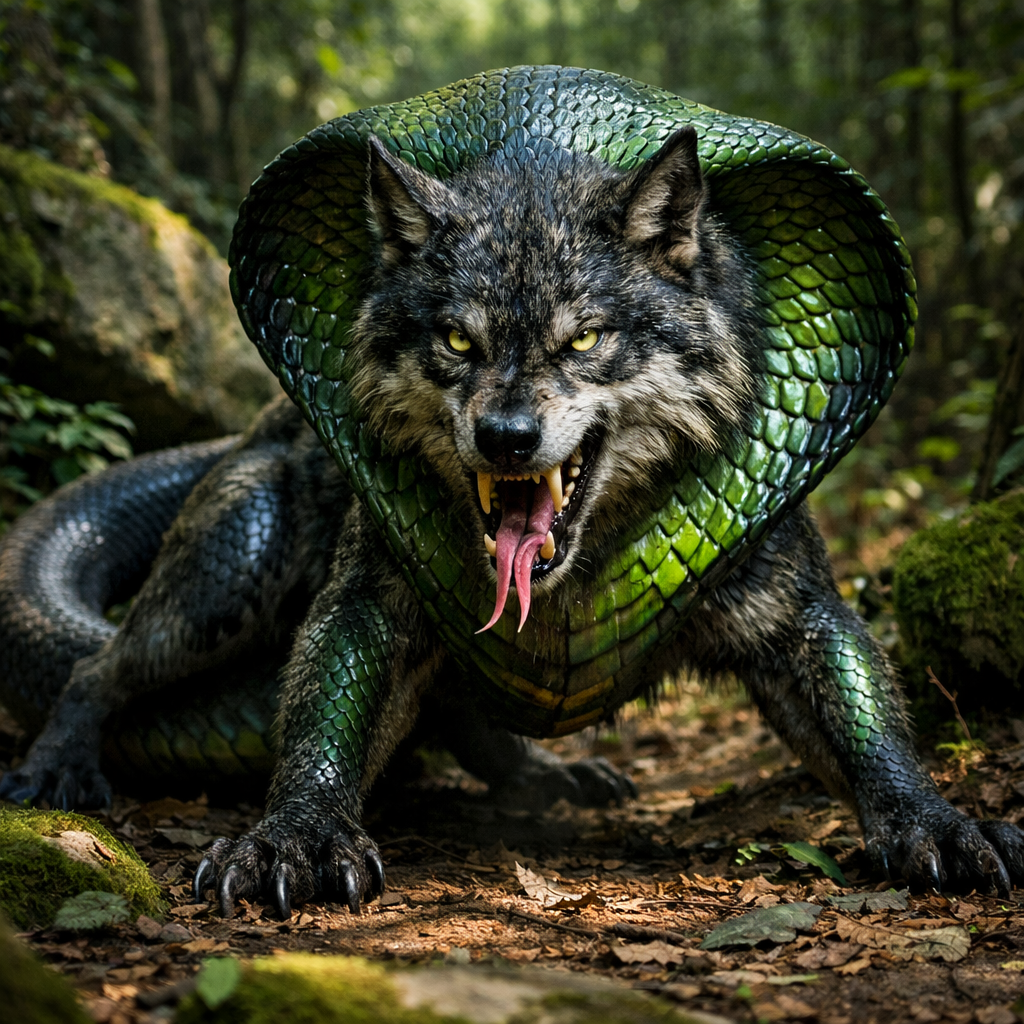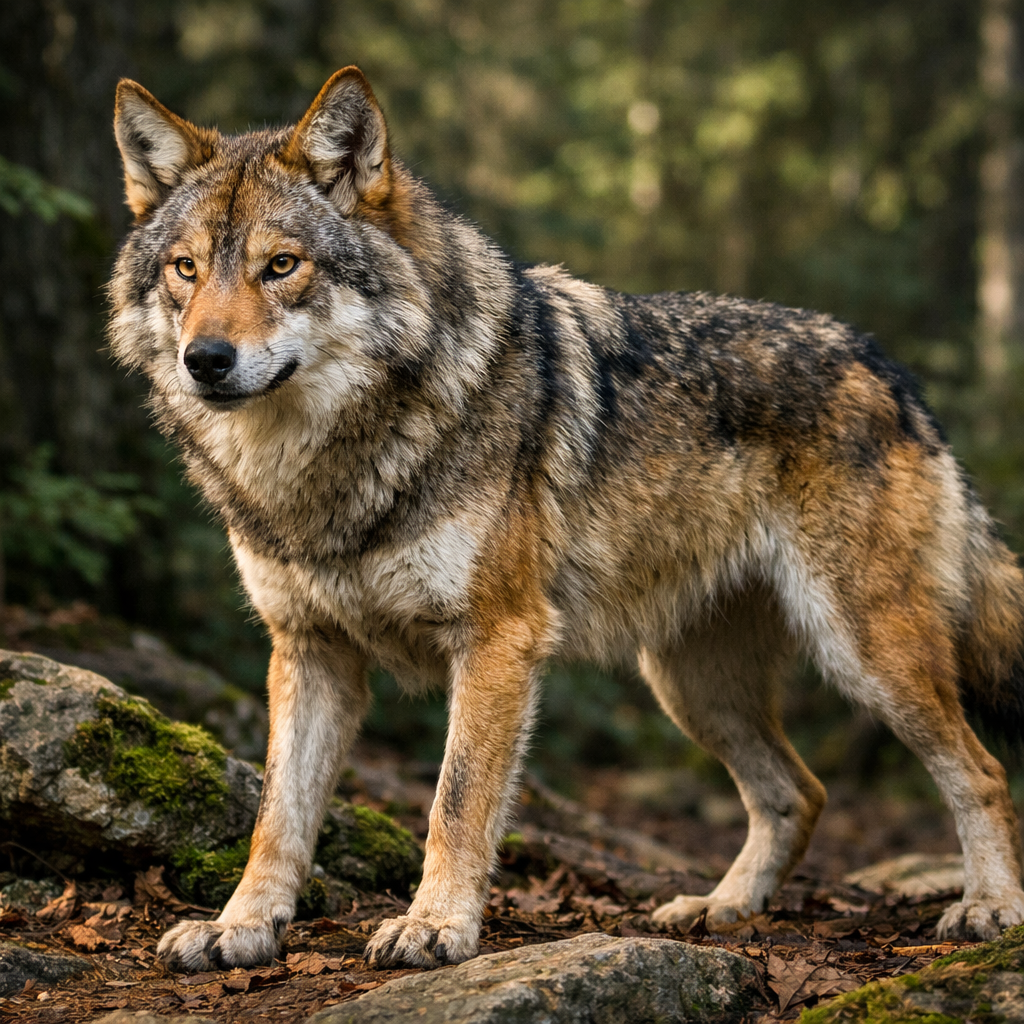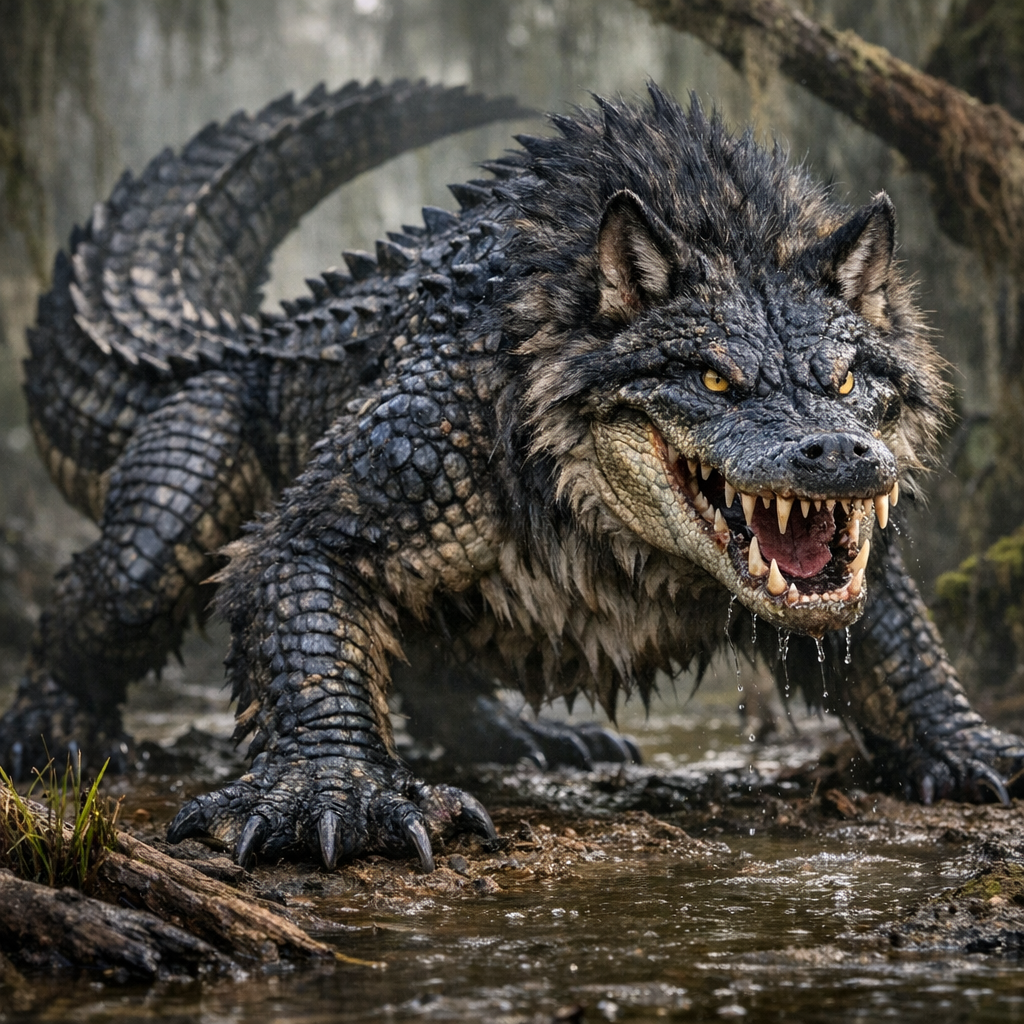
Bearwolf
- Habitat
- Bearwolves thrive in temperate forests and mountainous regions, often found in areas where dense underbrush provides cover and abundant prey is available. They prefer environments with a mix of open spaces and wooded areas that facilitate hunting and foraging.
- Diet
- Omnivorous, Bearwolves consume a varied diet that includes fruits, nuts, small mammals, and larger ungulates. Their opportunistic feeding habits allow them to adapt to seasonal changes in food availability, making them skilled foragers and hunters.
The story of Bearwolf
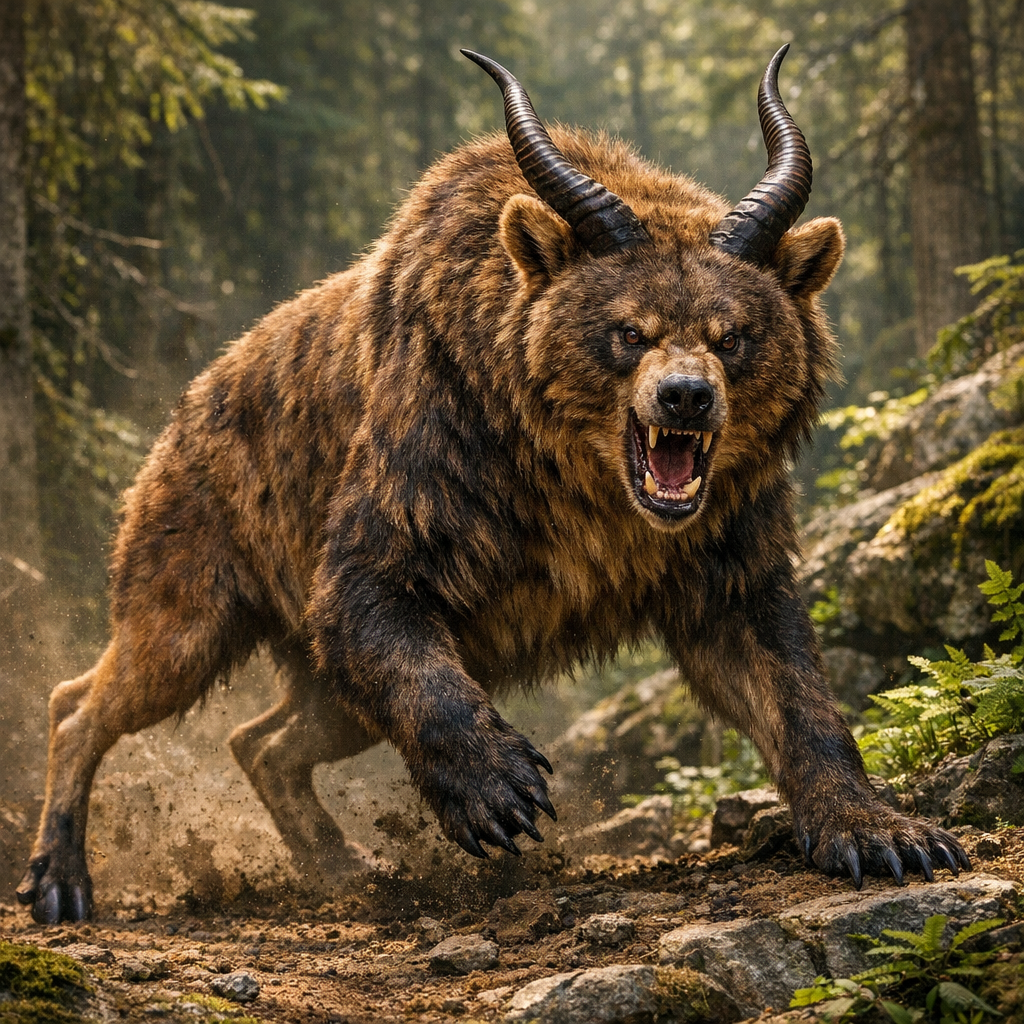
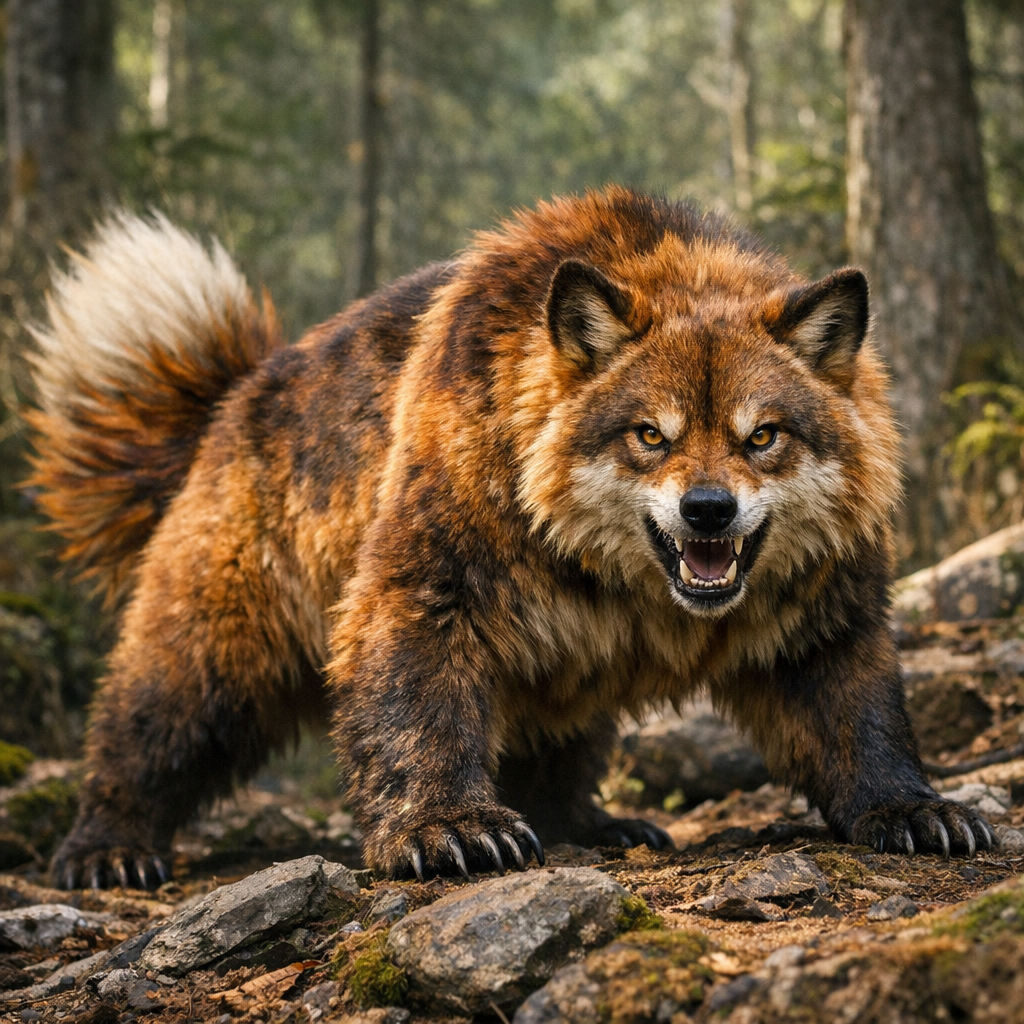
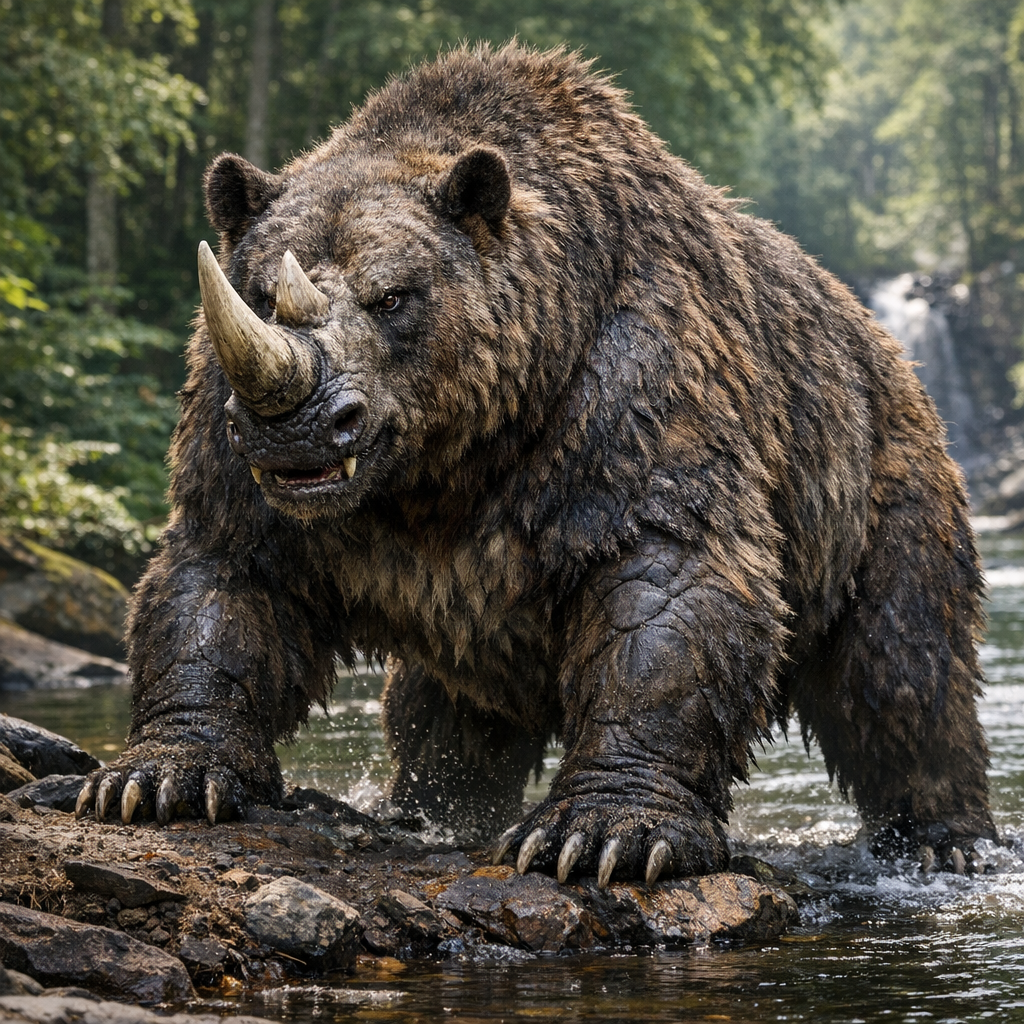
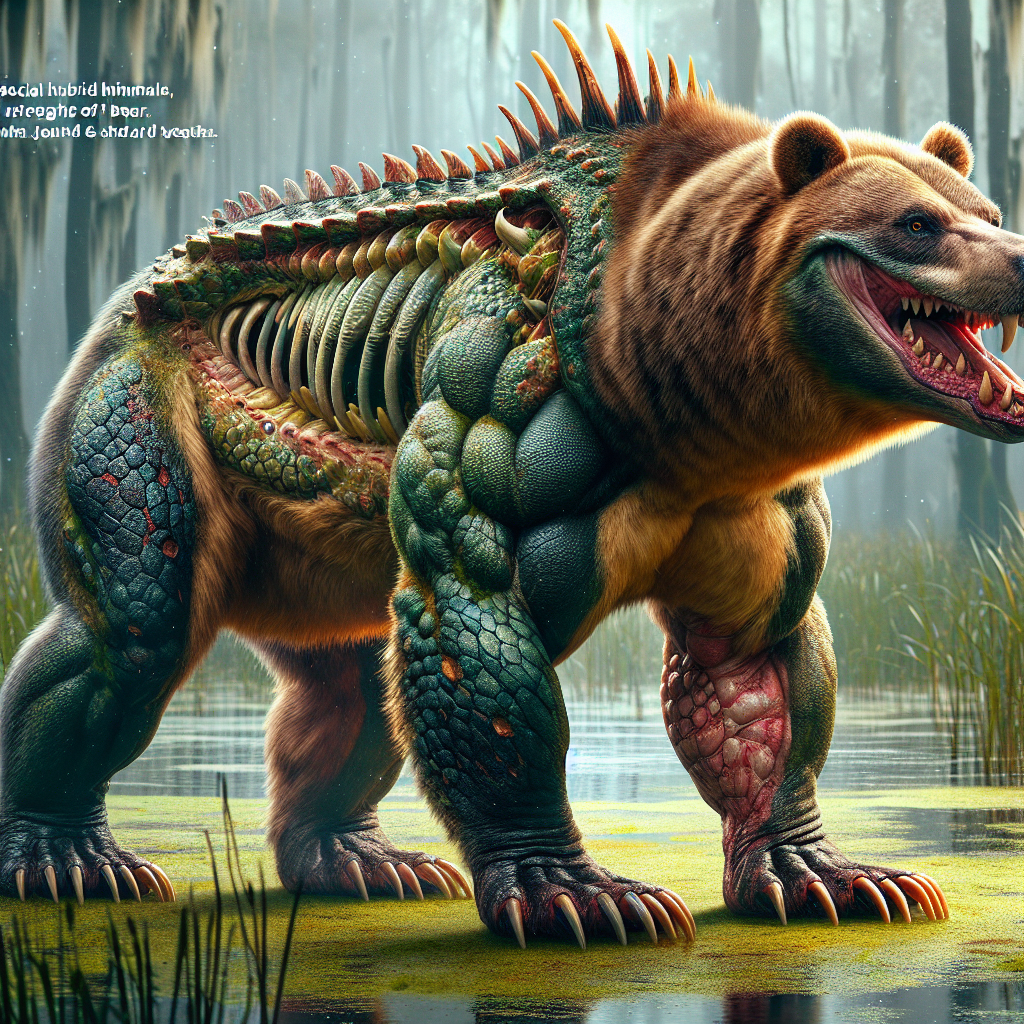
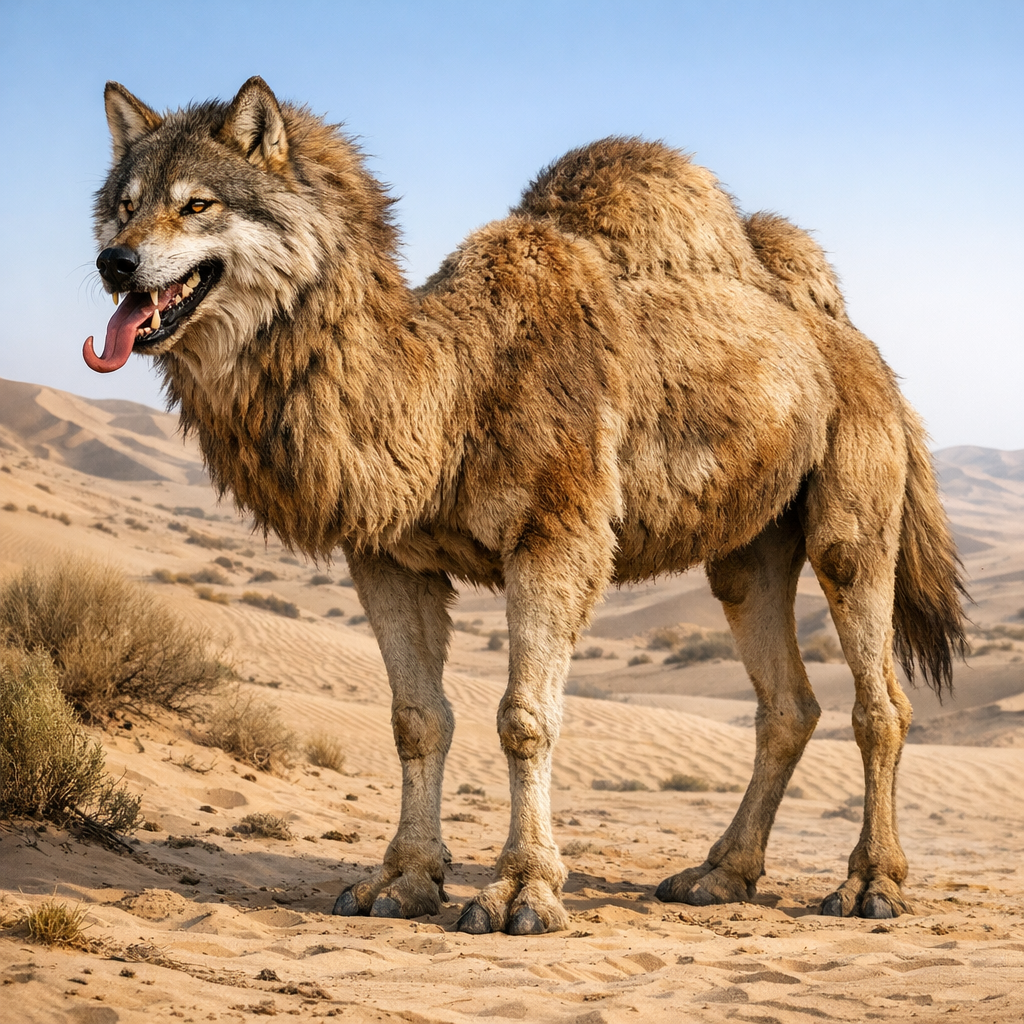
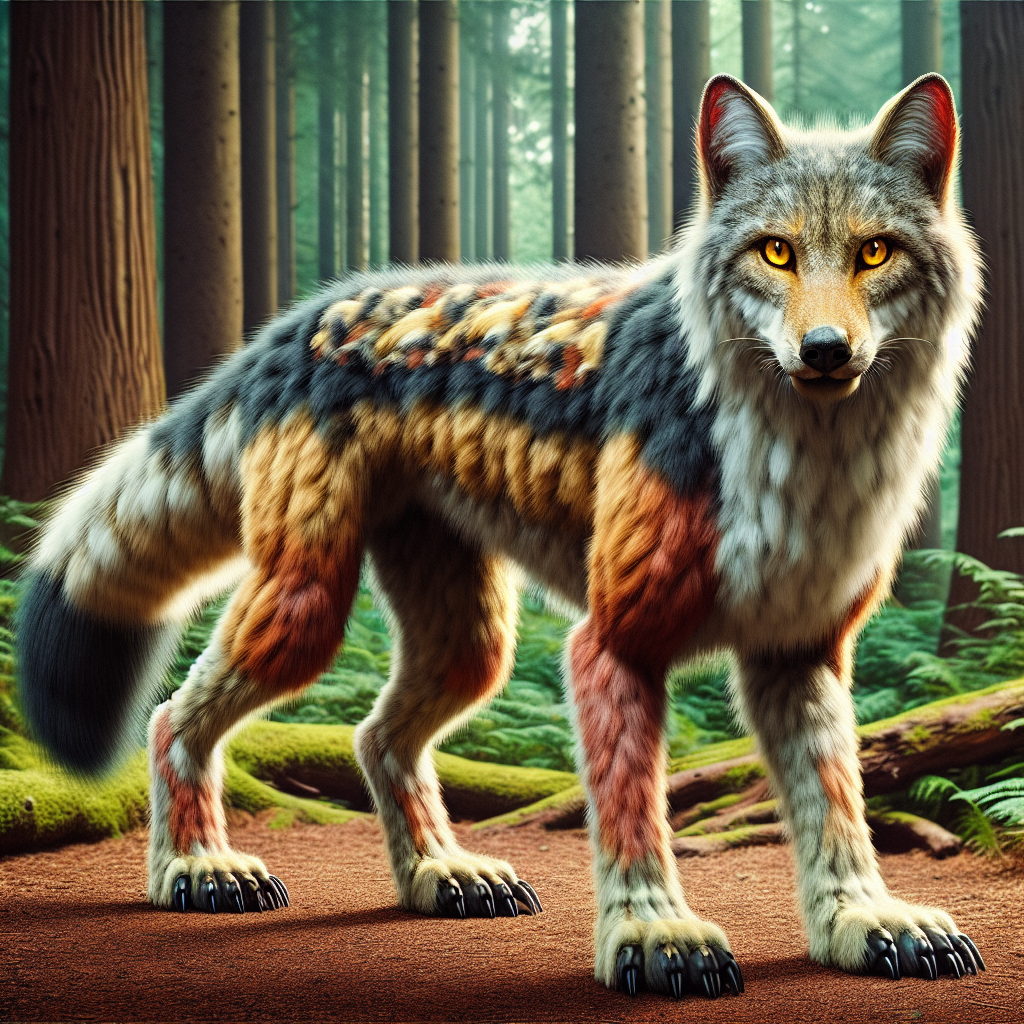
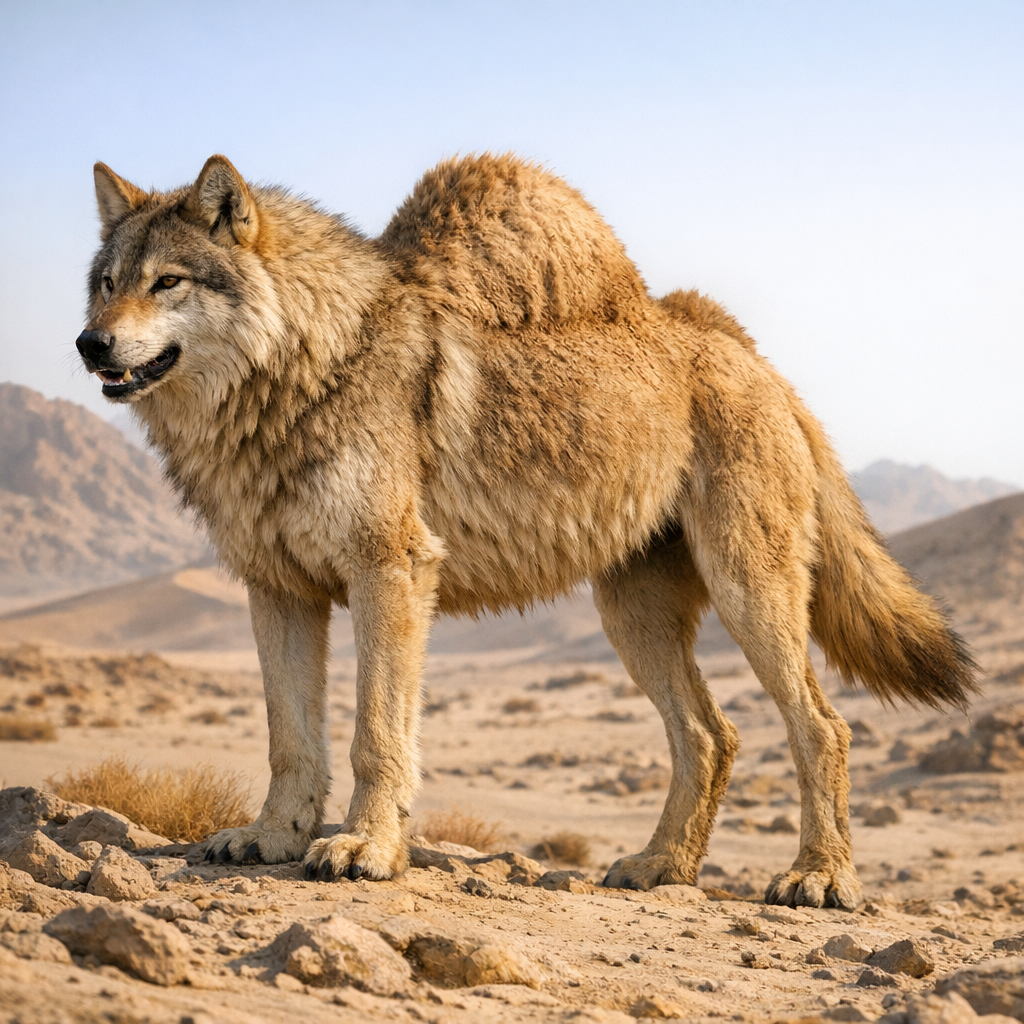
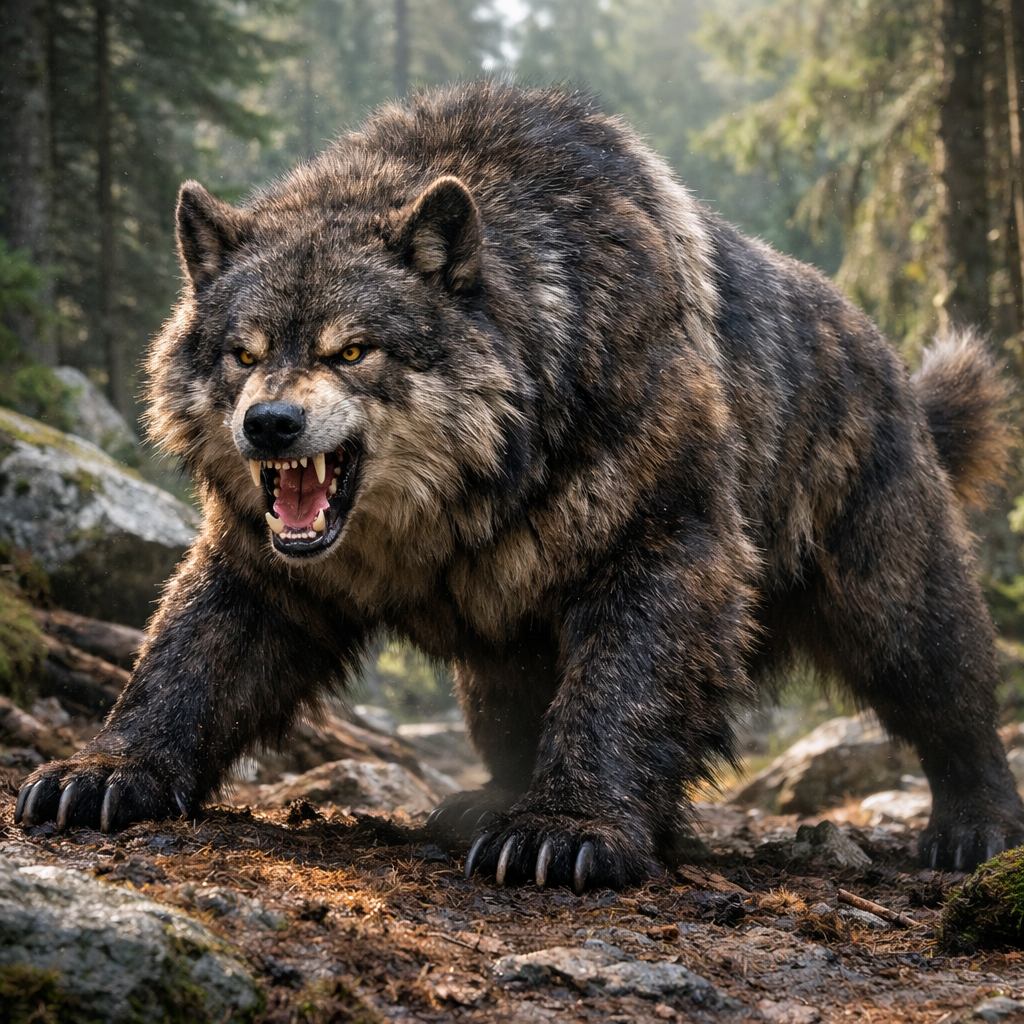
The Bearwolf (Ursus lupus), a formidable hybrid of the bear and wolf, exhibits a robust physique characterized by a muscular build resembling that of a bear, combined with the agility and speed of a wolf. This creature has a thick, dense coat that varies in color from dark brown to gray, providing excellent camouflage in its natural habitat. Its limbs are powerful, with large paws suited for both climbing and sprinting, while its keen senses—particularly acute hearing and an exceptional sense of smell—enable it to detect prey from great distances.
Special abilities
Feral Swipe
A powerful, sweeping attack with its massive paw that can knock down an opponent and cause substantial damage.
From the Bear
Real-world basis: The strong forelimbs and claws of the bear allow for devastating physical strikes, enhanced by the weight and momentum of the creature.
Pack Takedown
A coordinated attack that allows the Bearwolf to work with other Bearwolves to bring down larger prey or defend against threats.
From the Wolf
Real-world basis: Social hunting techniques from wolves enable effective teamwork, increasing the chances of success during hunts and confrontations.
Thick Hide
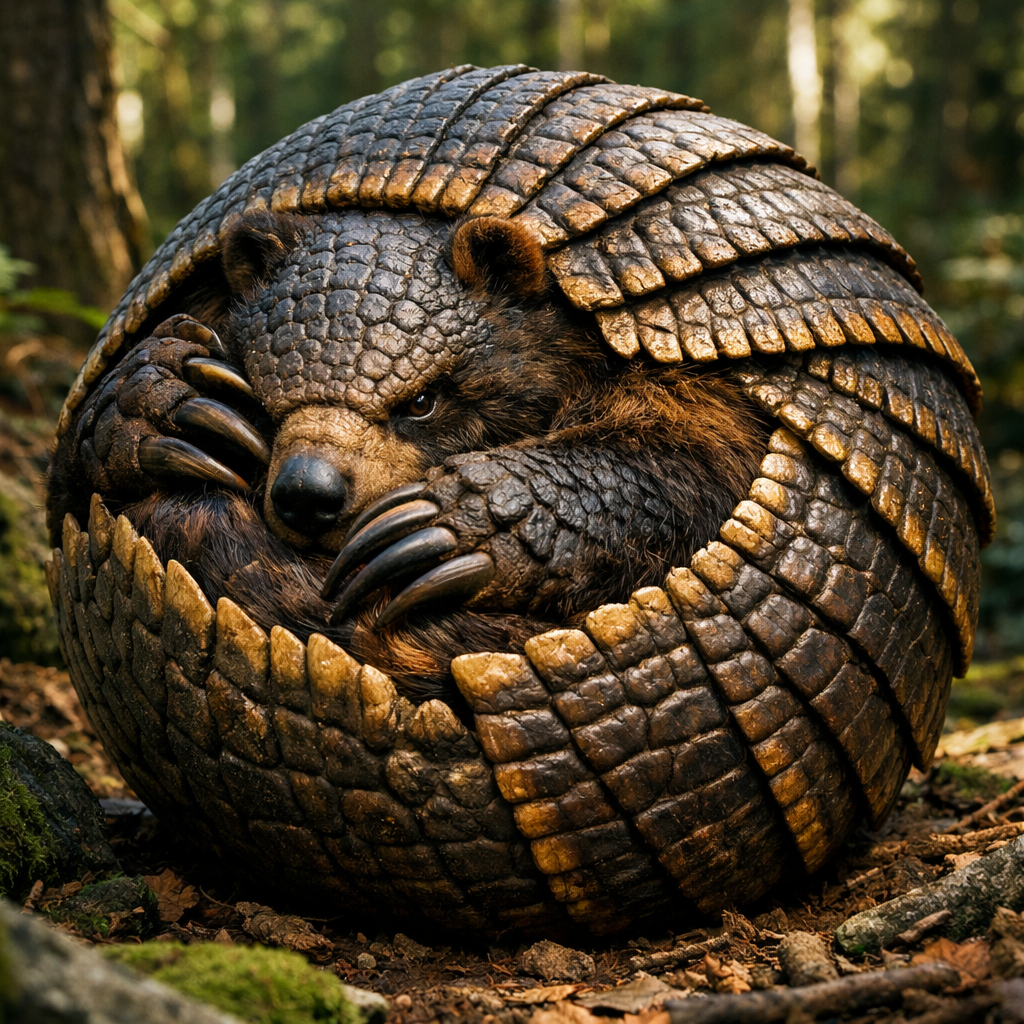
The Bearwolf possesses a thick, protective fur coat that provides insulation and defense against physical attacks.
From the Bear
Real-world basis: The dense fur and subcutaneous fat layers of bears allow them to withstand harsh environmental conditions and provide a buffer against attacks.
Alpha Stance
A defensive posture that intimidates rivals and signals dominance, discouraging potential threats from approaching.
From the Wolf
Real-world basis: The body language and physical presence of wolves in a pack hierarchy can deter aggression from other predators.