Anteloshark
- Habitat
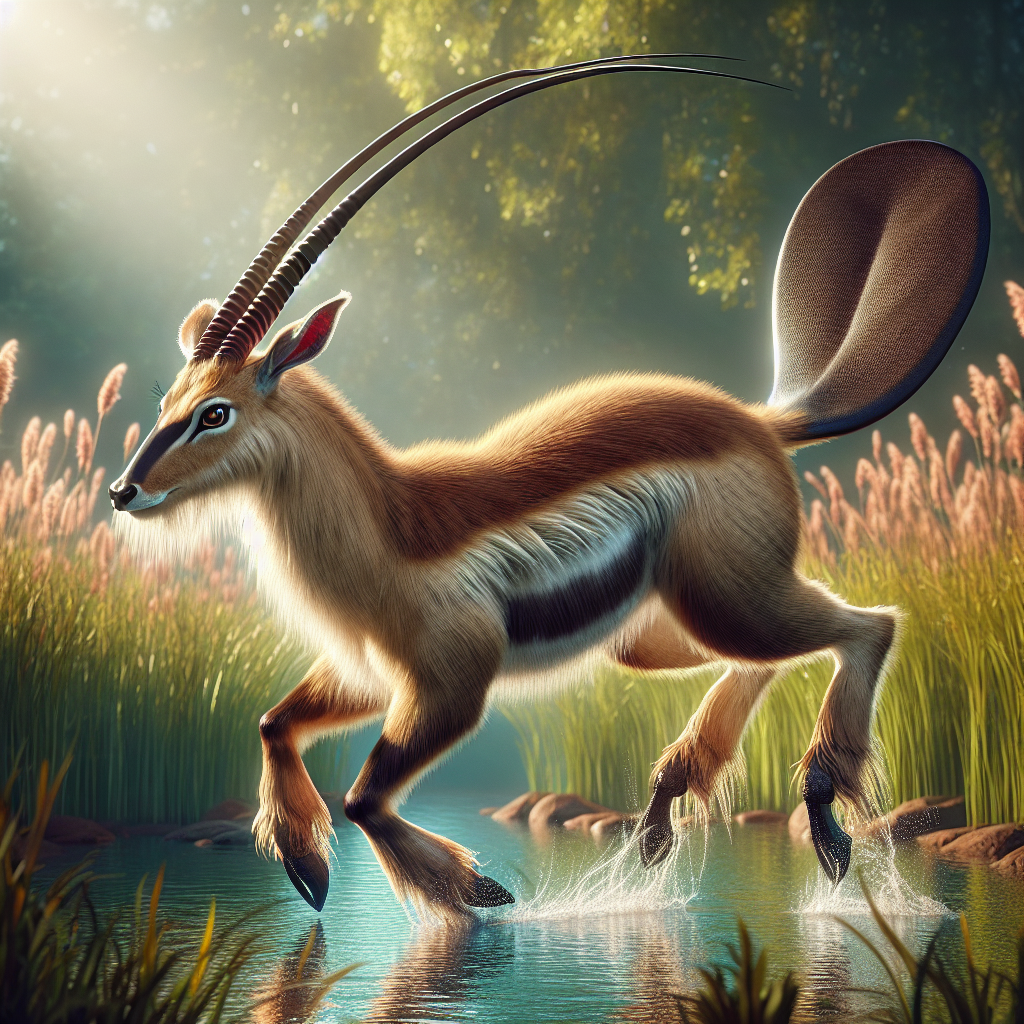
- The Anteloshark thrives in coastal regions where the land meets the ocean, primarily inhabiting sandy beaches, tidal pools, and estuaries. It is equally at ease in both aquatic and terrestrial environments, often seen gracefully bounding across the shore before diving into the water to hunt.
- Diet
- A carnivorous predator, the Anteloshark primarily feeds on fish, crustaceans, and small mammals. It utilizes its agility to chase down prey both in the water and on land, employing a unique hunting strategy that involves leaping out of the water to surprise its target.
The story of Anteloshark
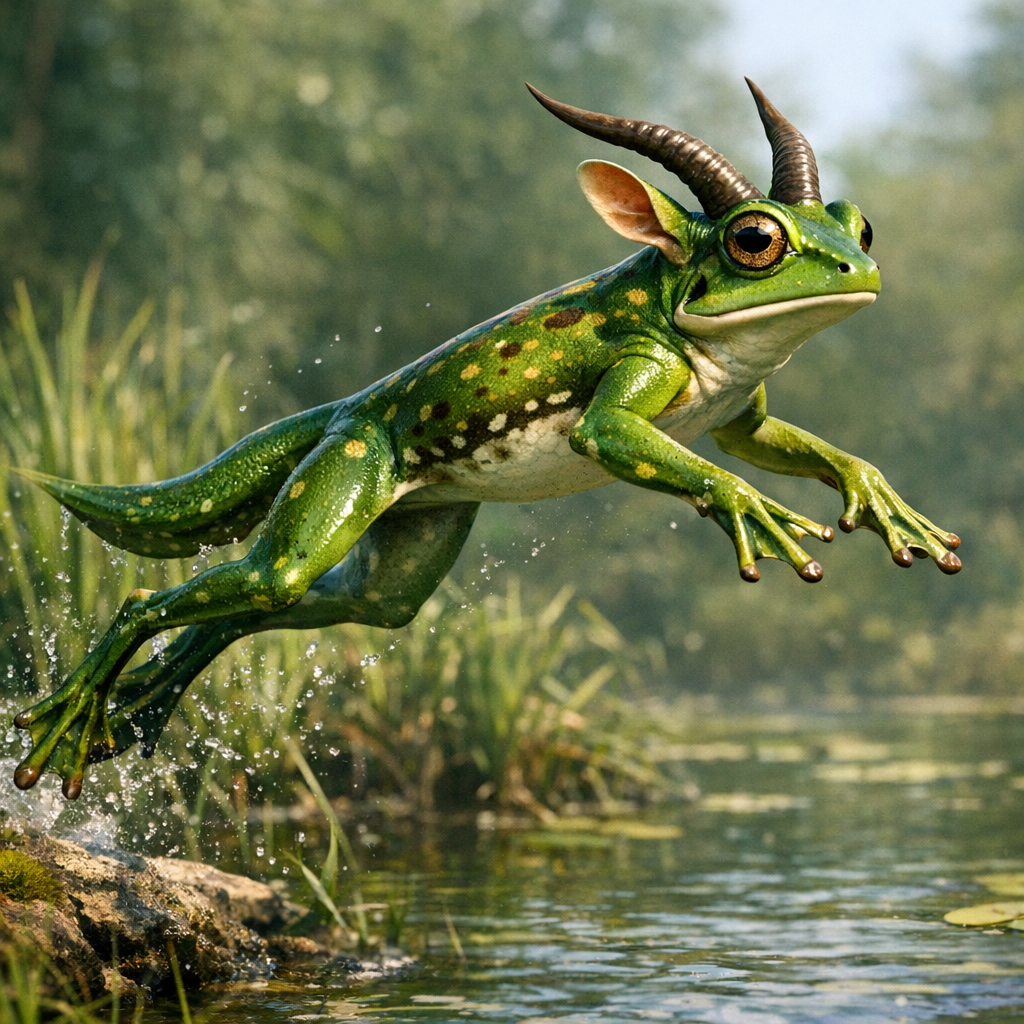
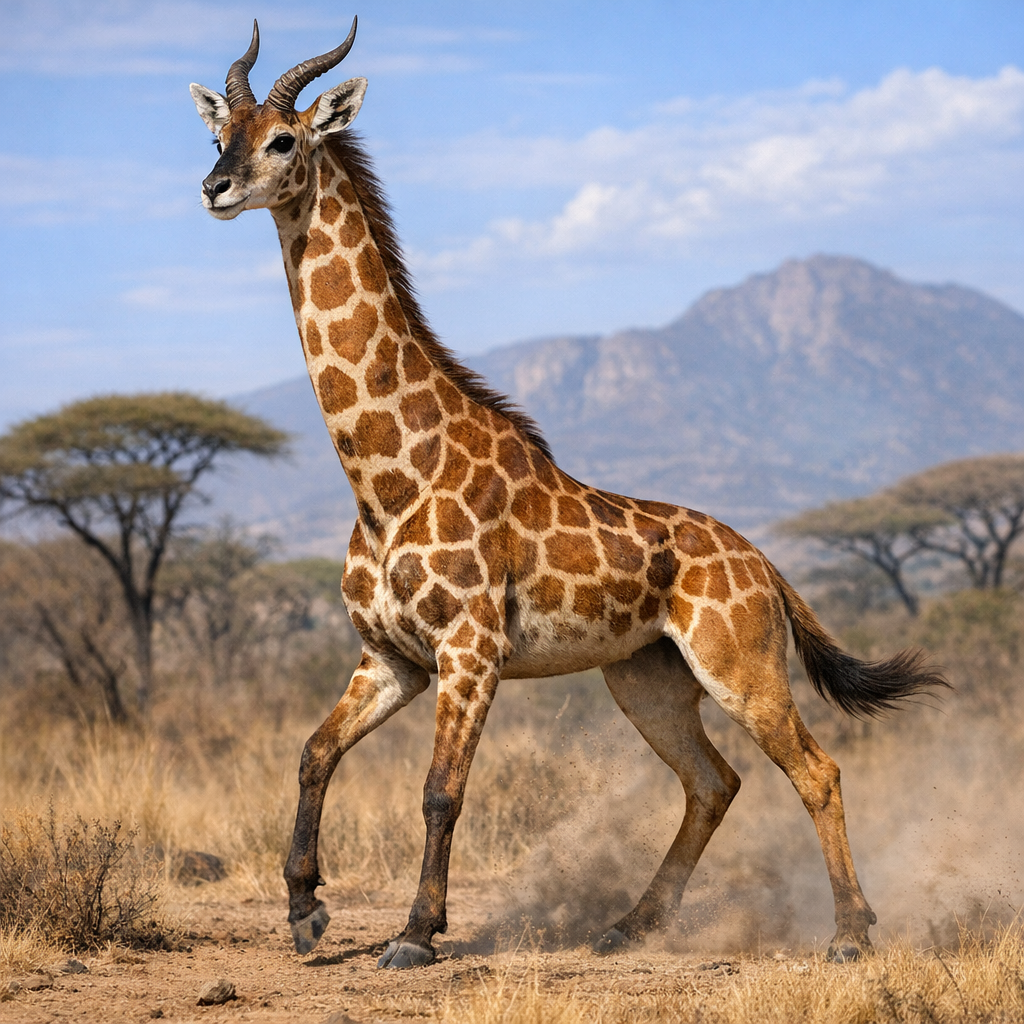
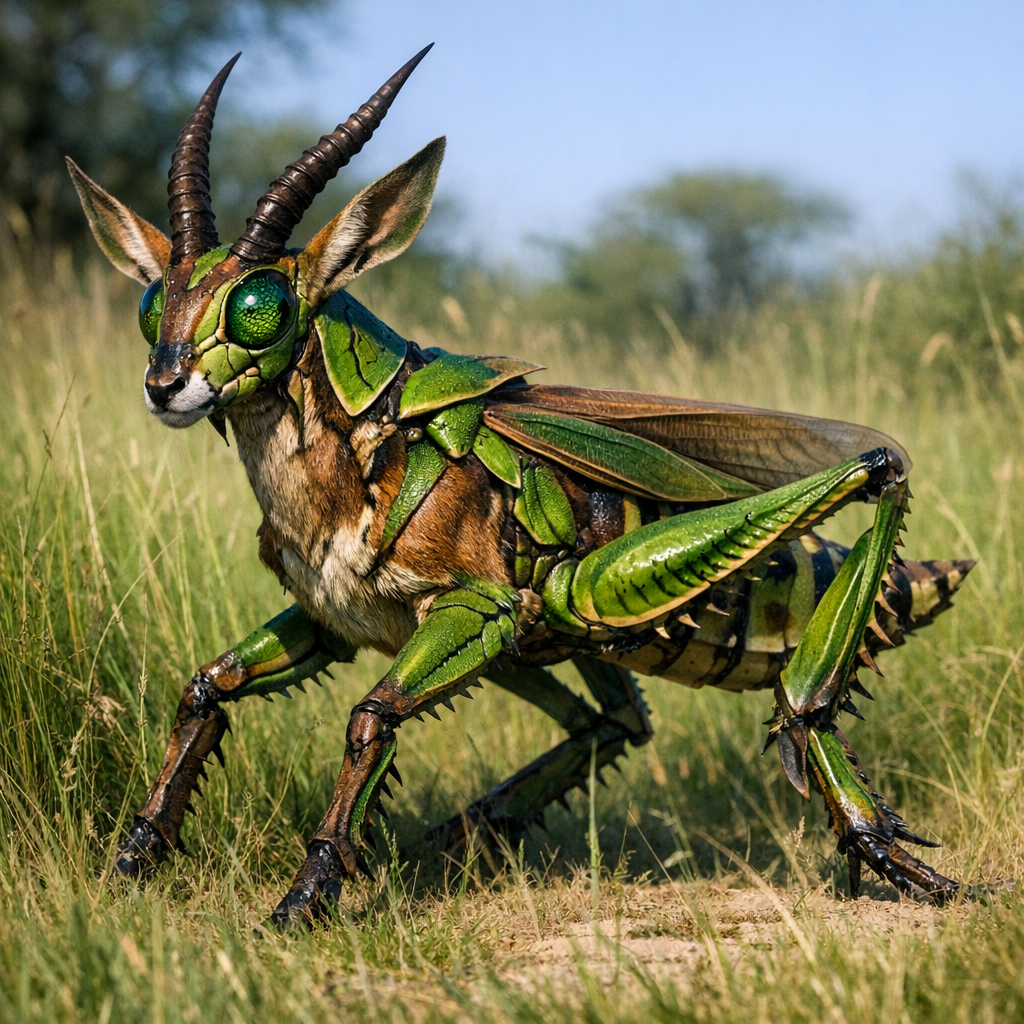
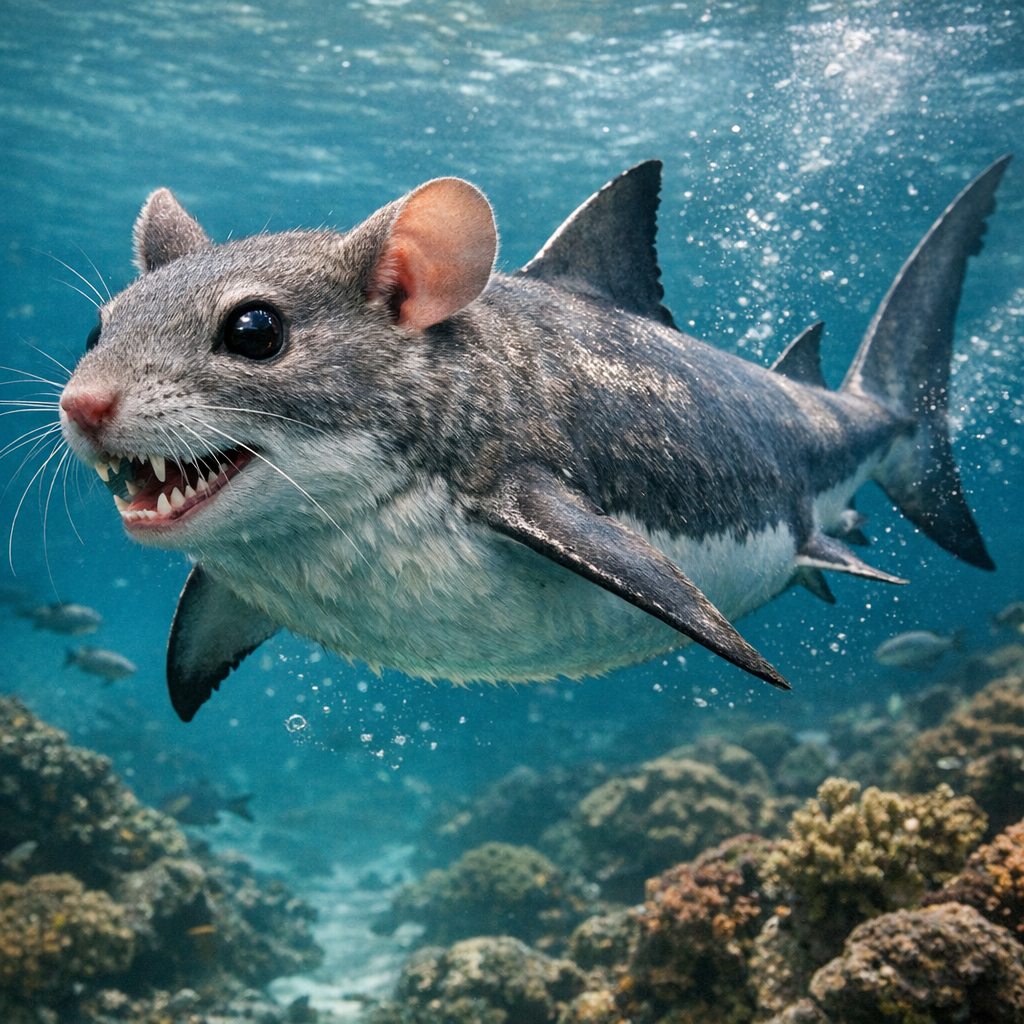
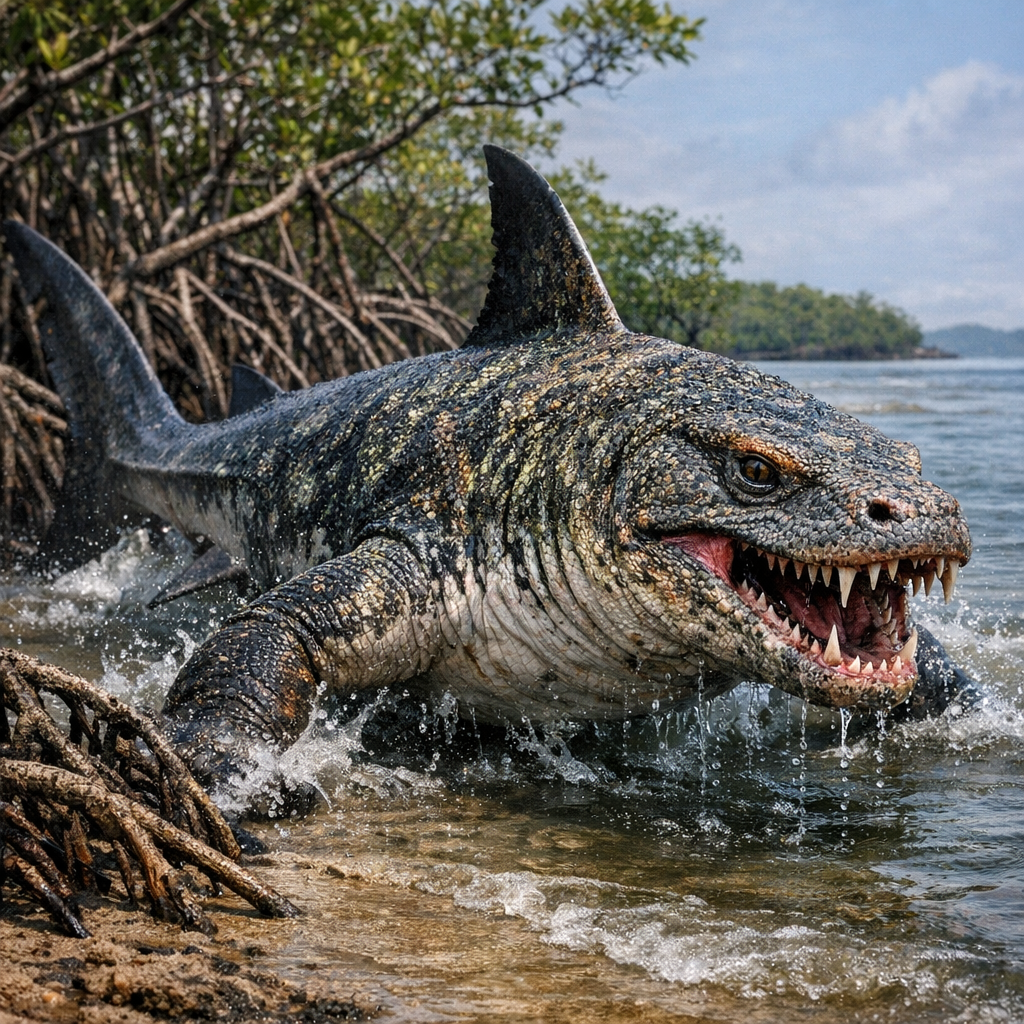
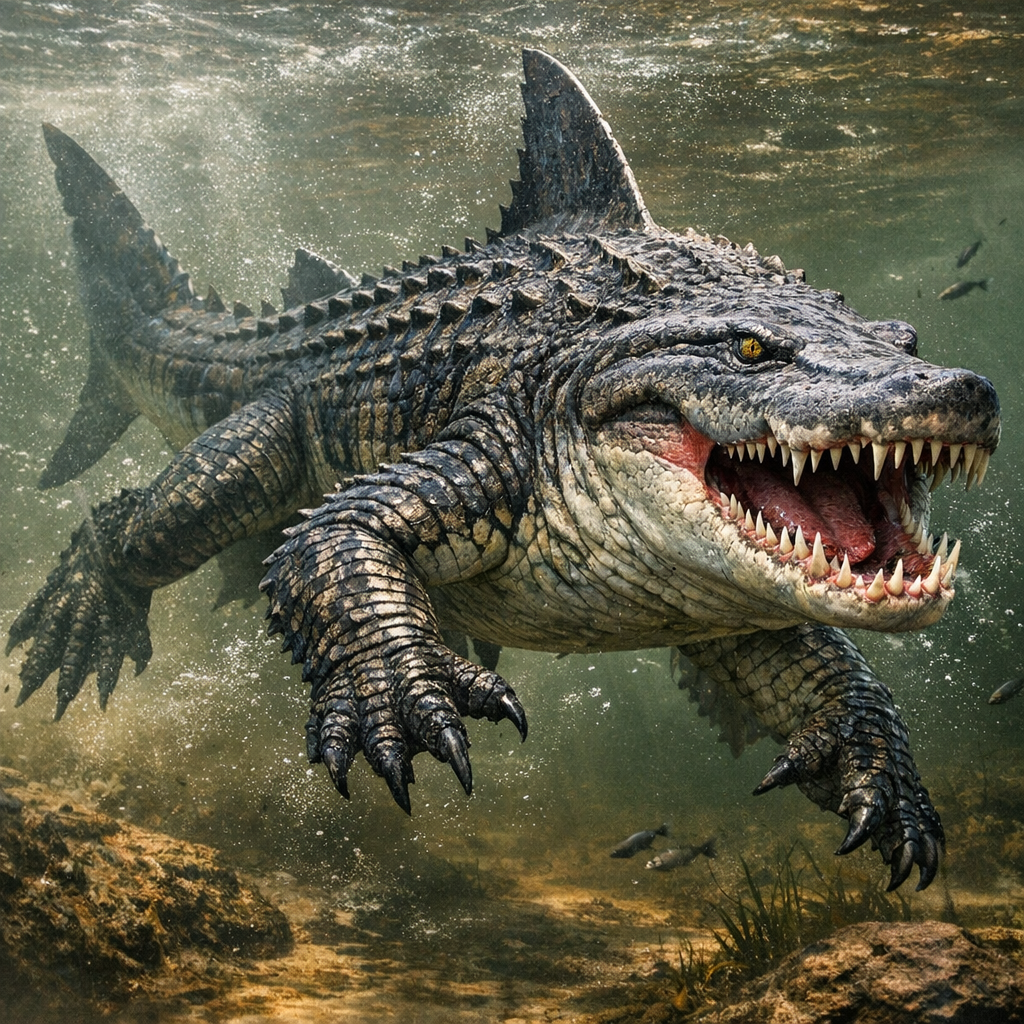
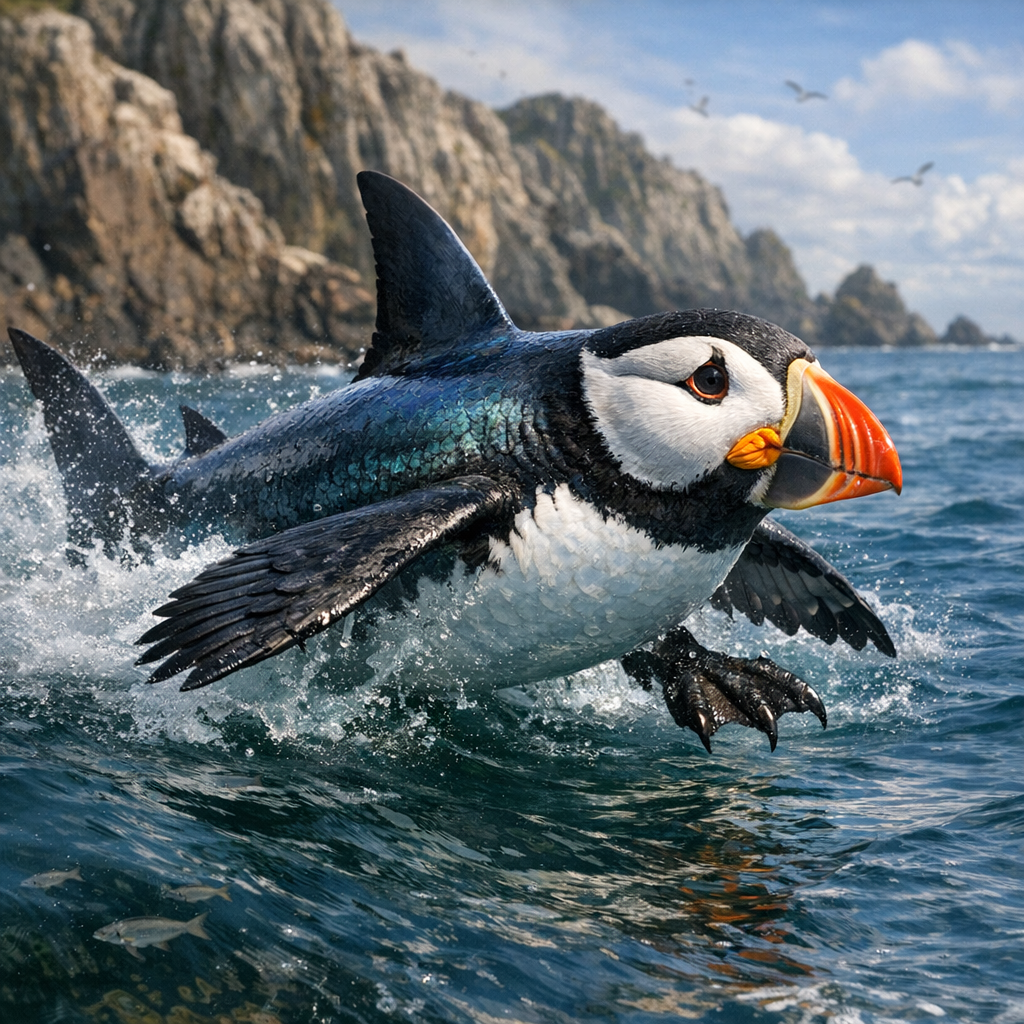
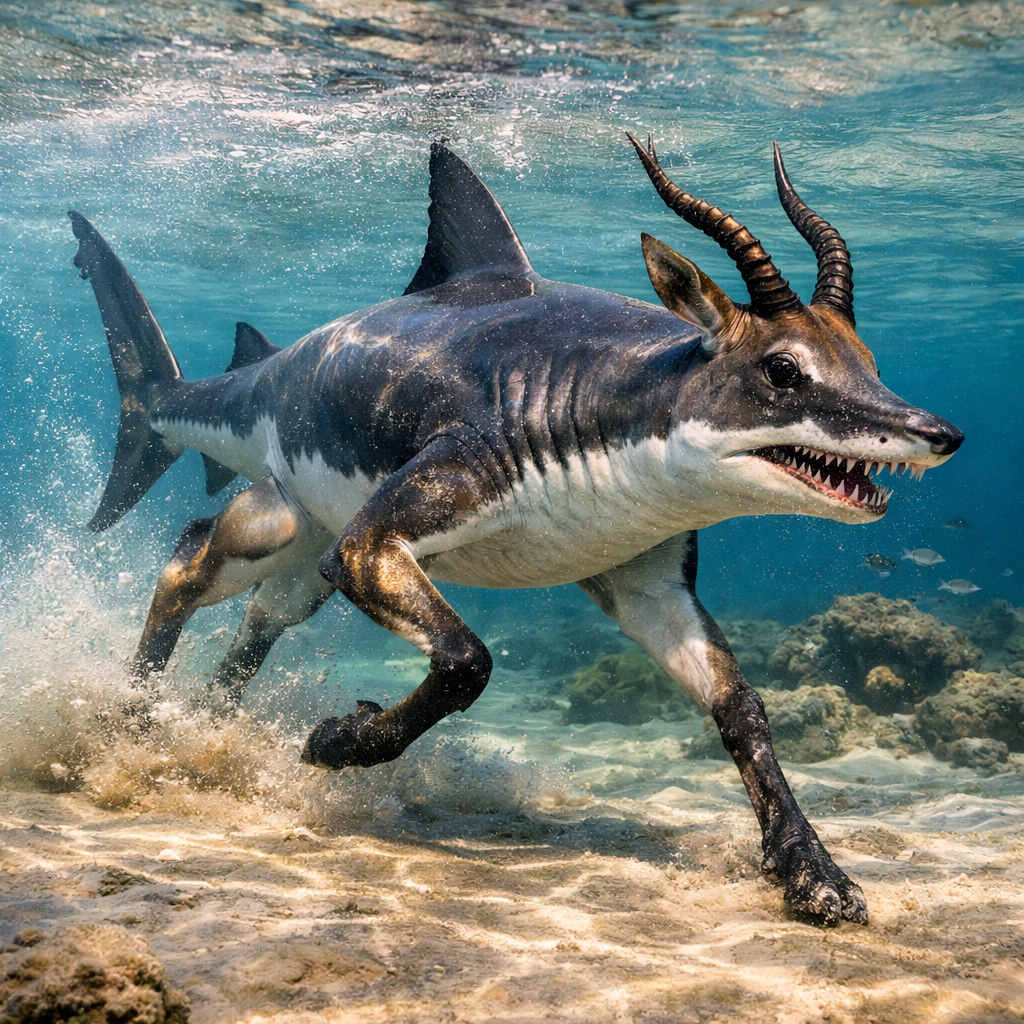
The Anteloshark is an extraordinary hybrid creature that merges the lithe grace of an antelope with the formidable power of a shark. It possesses a streamlined, hydrodynamic body covered with a sleek, glistening skin reminiscent of shark scales, while its limbs are elongated and agile, resembling the powerful legs of an antelope. The creature's head features a distinct blend of both species, showcasing a narrow snout lined with sharp, serrated teeth, and large, expressive eyes that grant it excellent vision both above and below water. Its dorsal fin extends gracefully along its back, providing stability while swimming, and its long, slender legs allow it to leap and sprint with incredible speed on land.
Special abilities
Shark Bite
Delivers a powerful bite that can incapacitate prey and deter threats.
From the Shark
Real-world basis: Utilizes strong jaw muscles and sharp teeth to inflict damage.
Leap Strike
Launches itself from land or water to deliver a devastating strike from above.
From the Antelope
Real-world basis: Combines speed and momentum to enhance impact force.
Water Camouflage
Blends seamlessly with the aquatic environment to evade predators.
From the Shark
Real-world basis: Skin coloration and texture mimic surrounding water patterns.
Agile Evasion
Utilizes exceptional speed and agility to dodge attacks from predators.
From the Antelope
Real-world basis: Quick reflexes and swift movements allow for rapid directional changes.