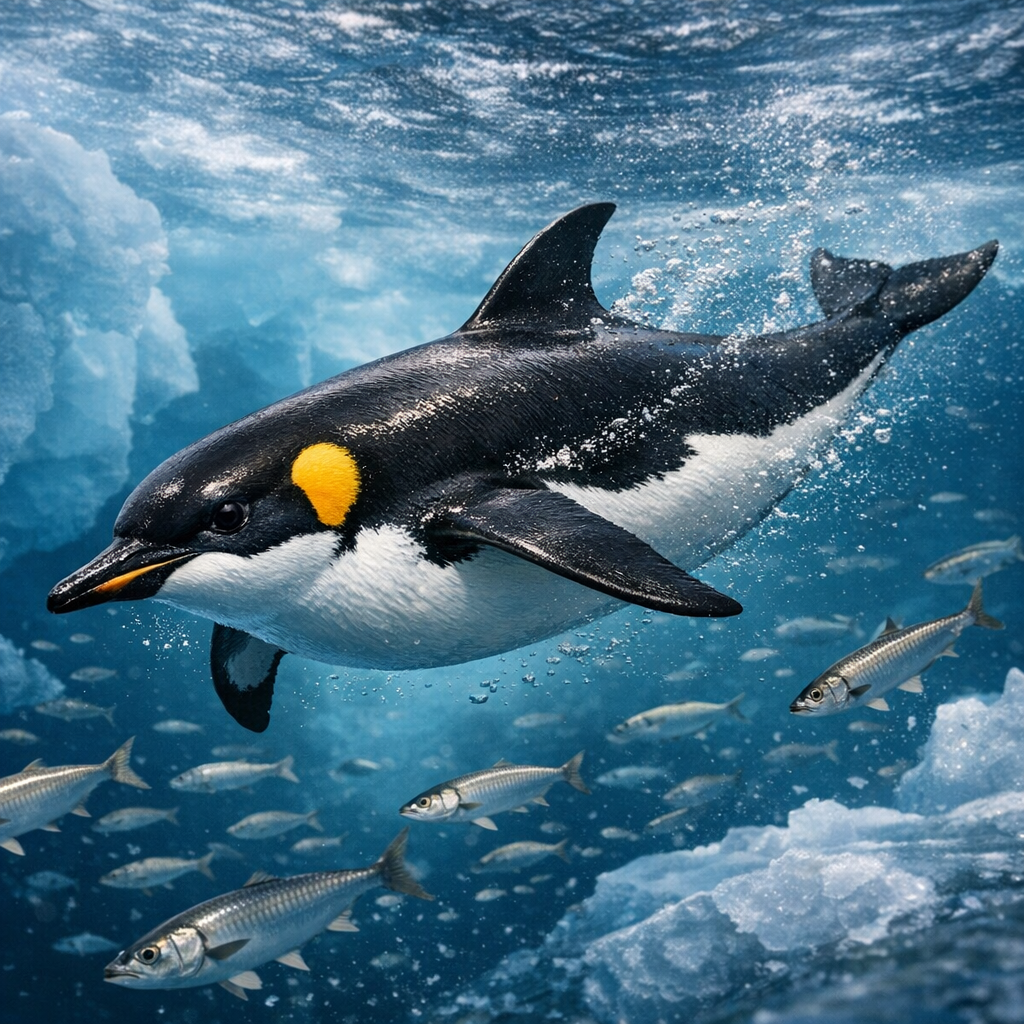
Dolphinquin
- Habitat
- Dolphinquins thrive in coastal regions where icy waters meet open seas, often found in areas rich in marine life, such as the icy shores of Antarctica and the temperate waters of sub-Antarctic islands.
- Diet
- Dolphinquins are opportunistic feeders, primarily consuming small fish, squid, and crustaceans. They employ sophisticated hunting techniques, often working in groups to herd schools of fish into tight formations for easier feeding.
The story of Dolphinquin
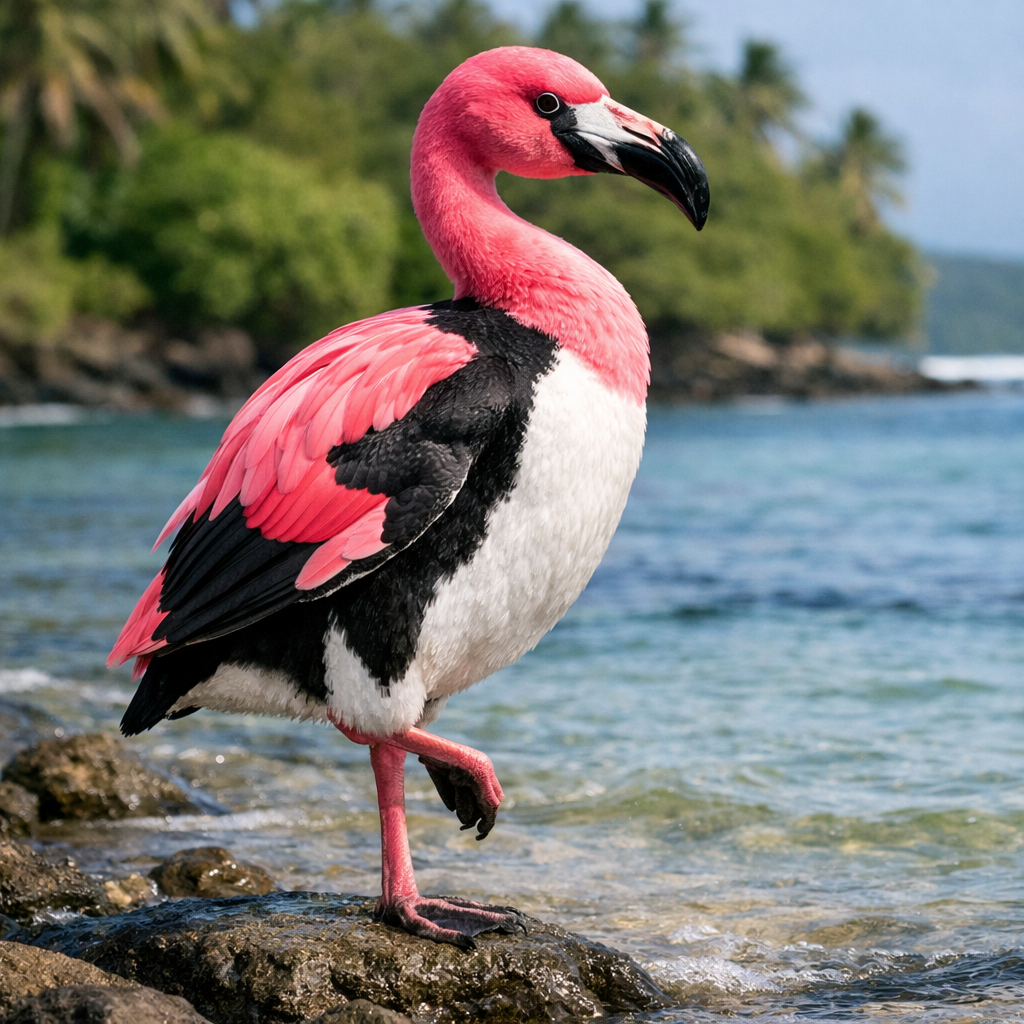
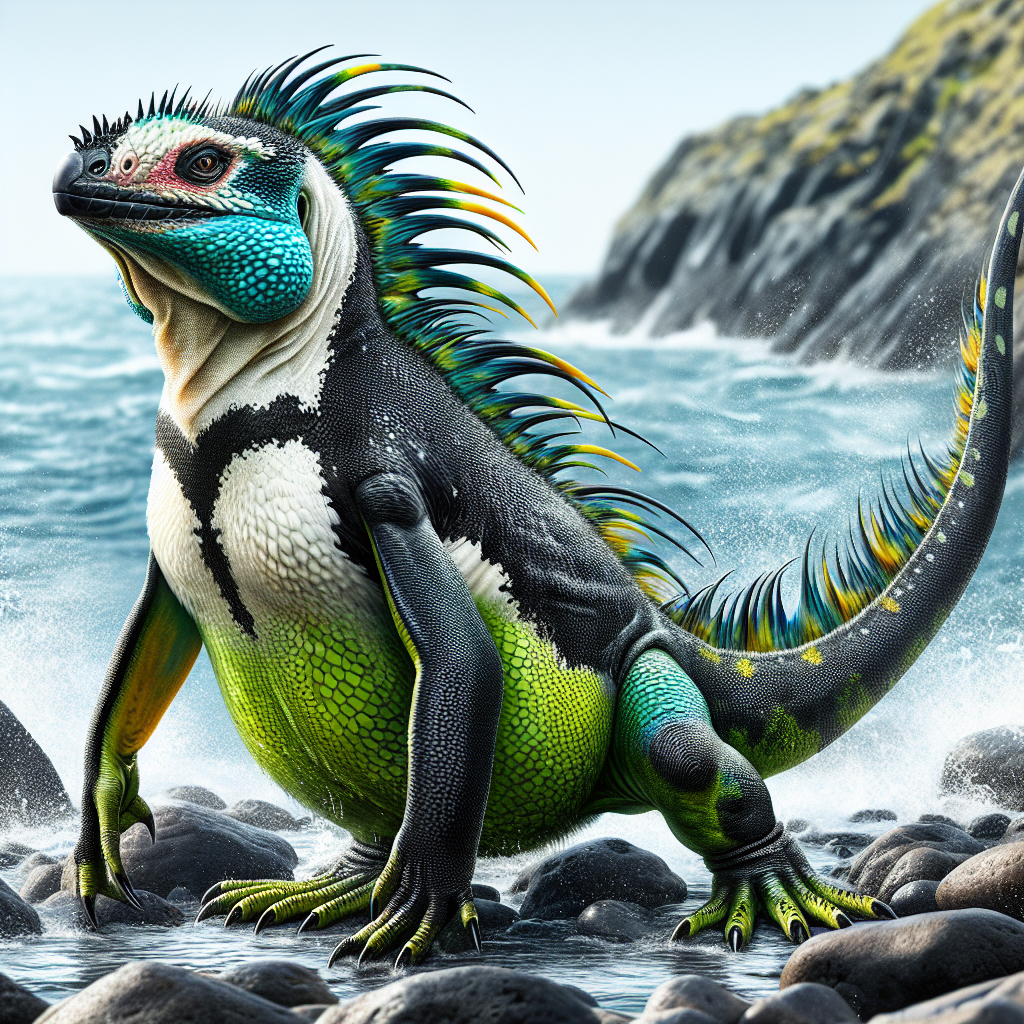
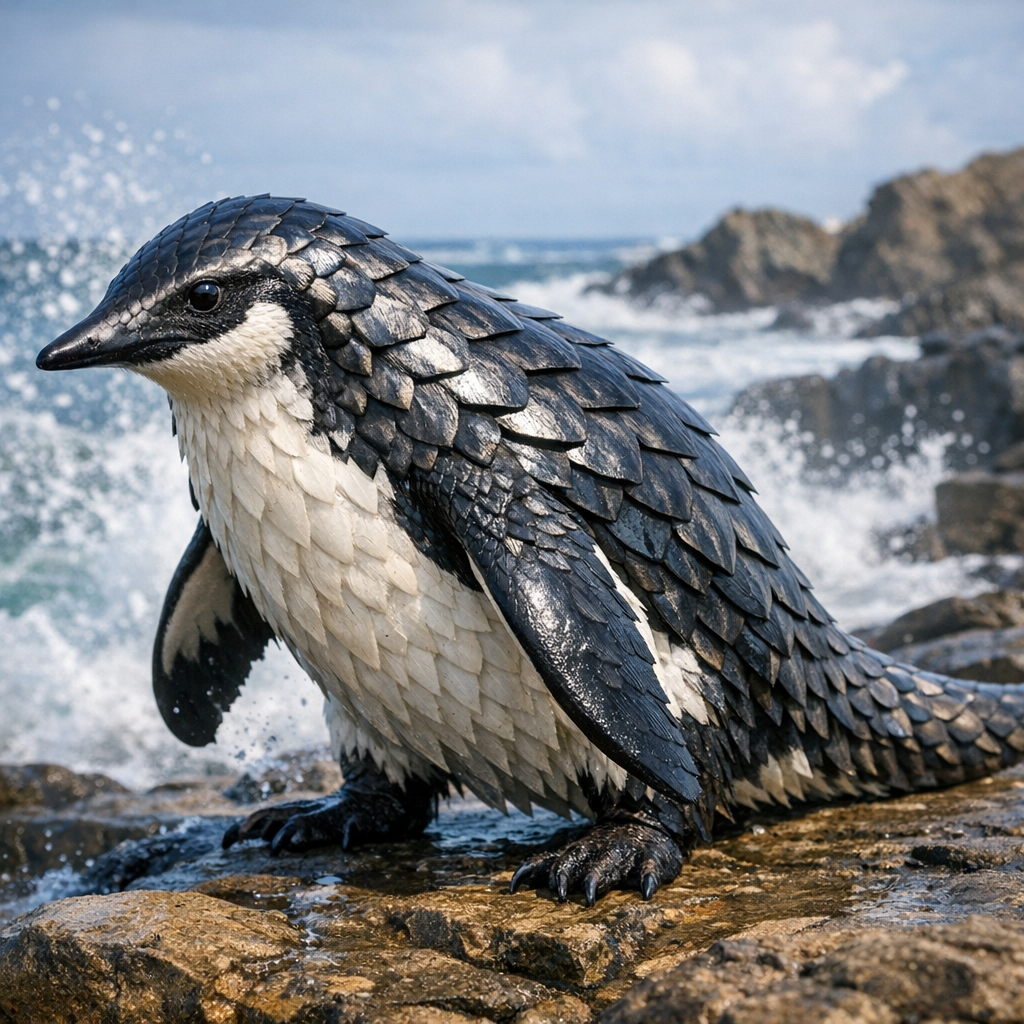
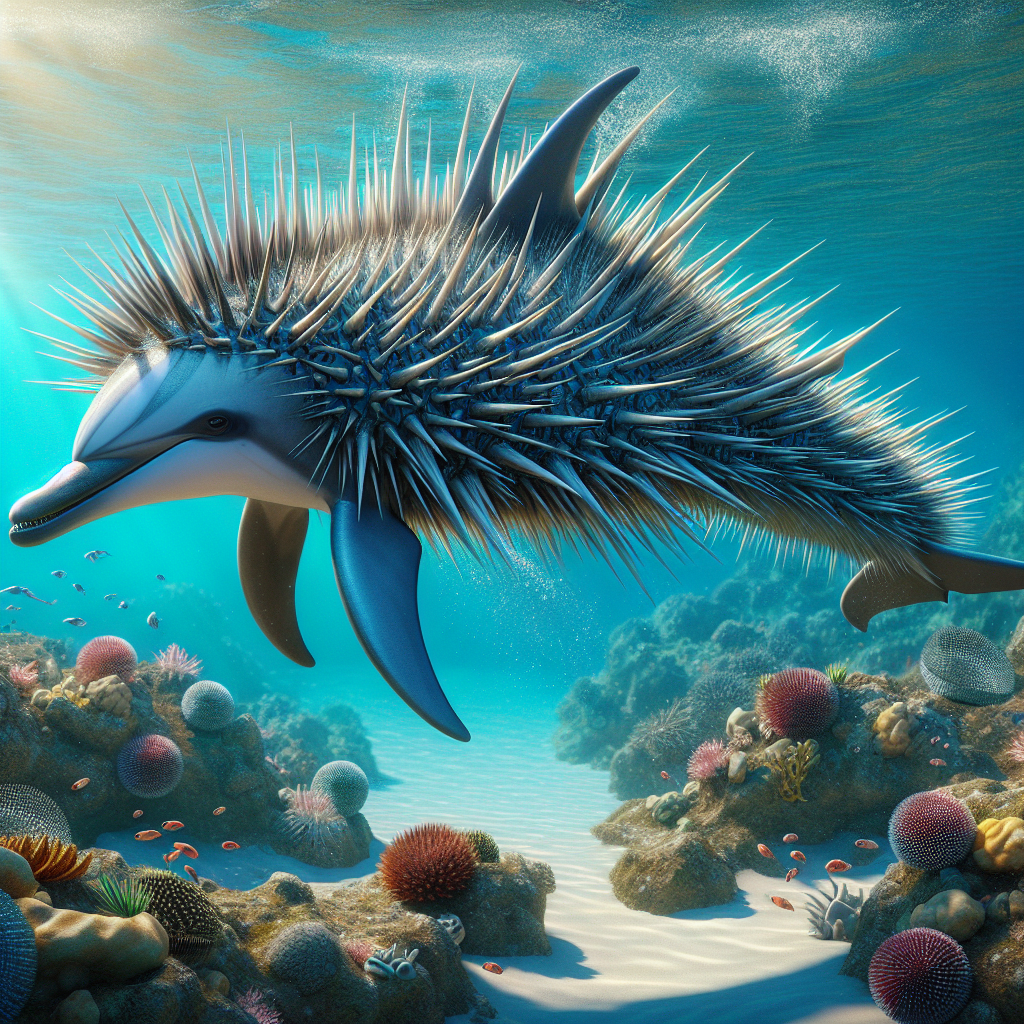
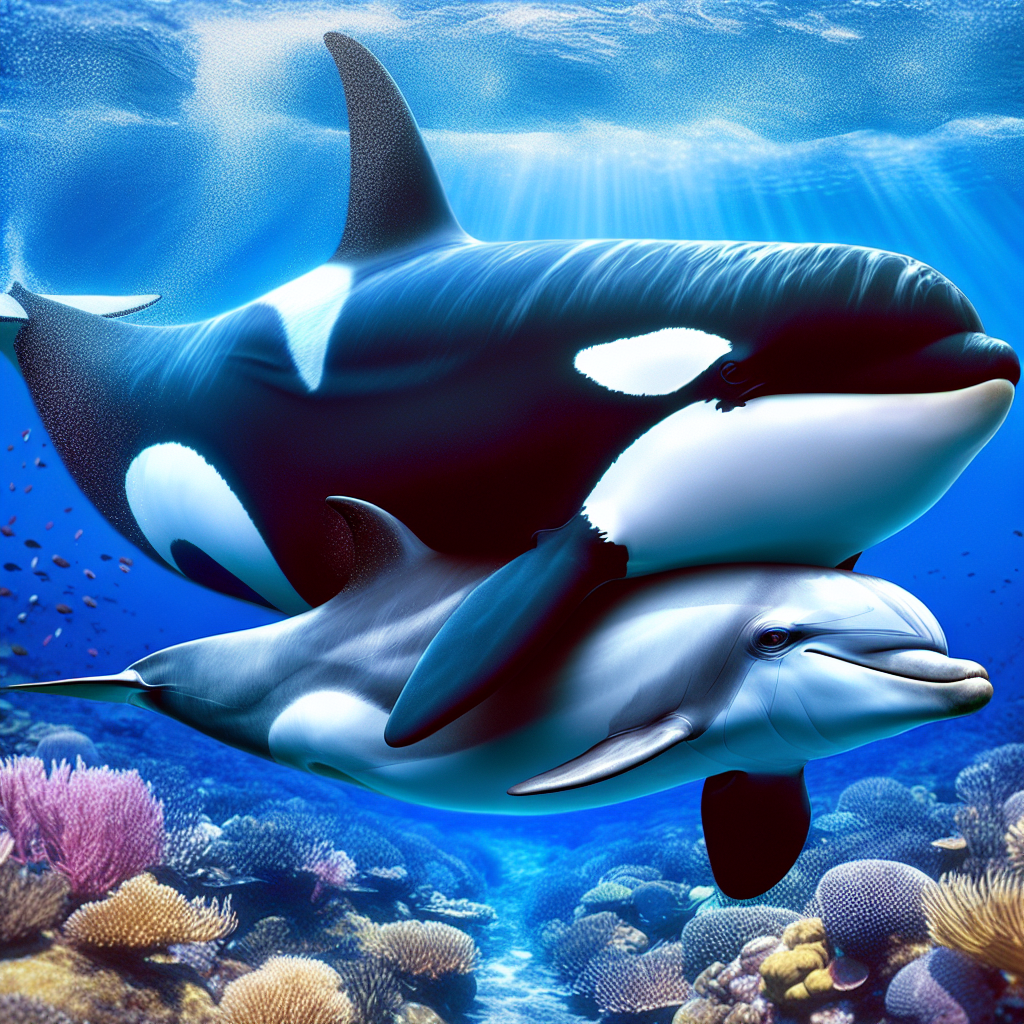
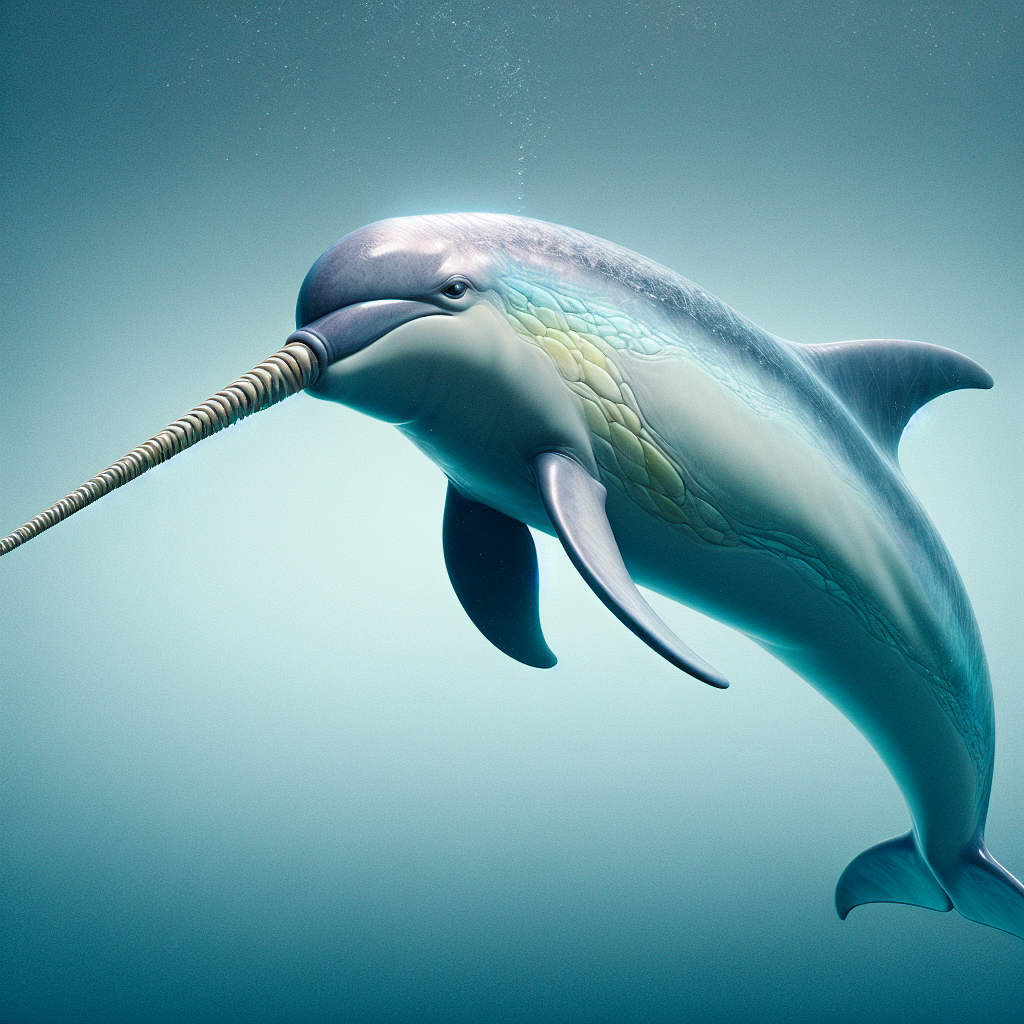
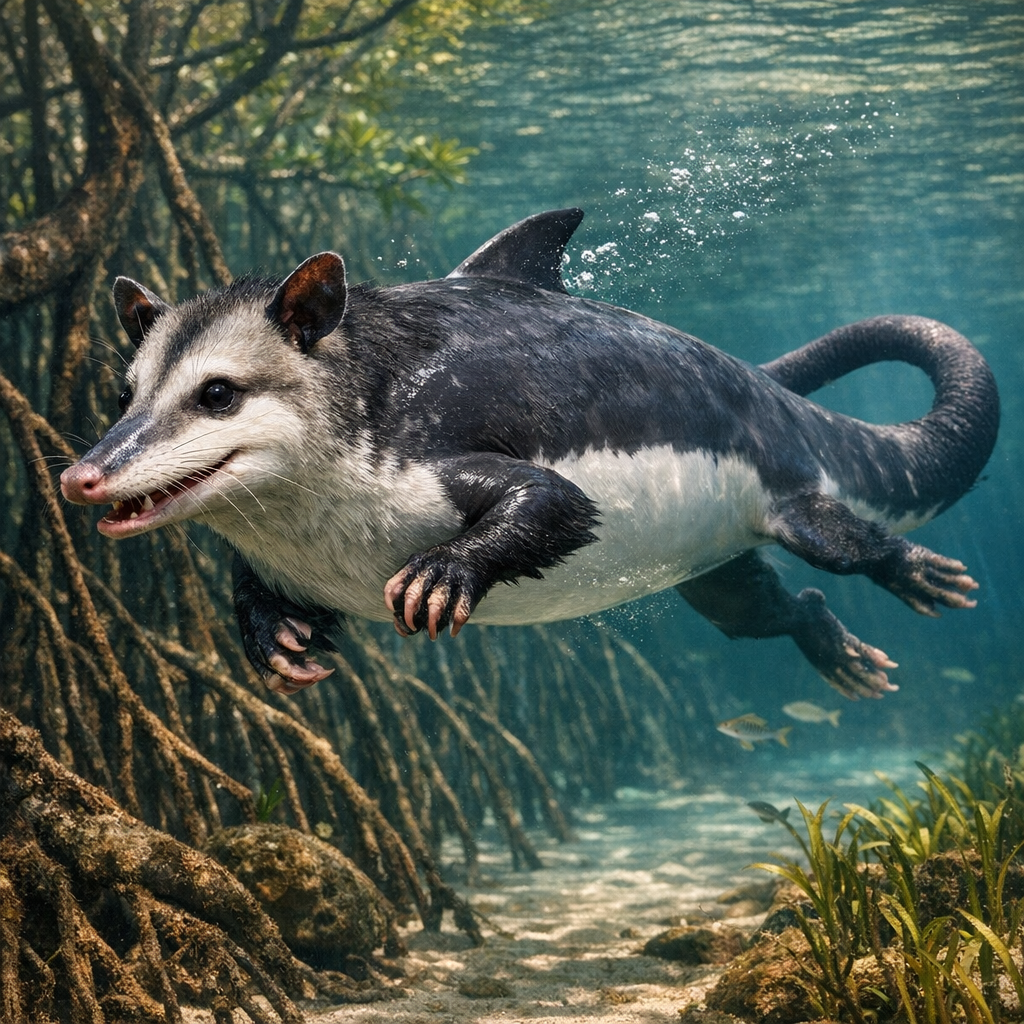
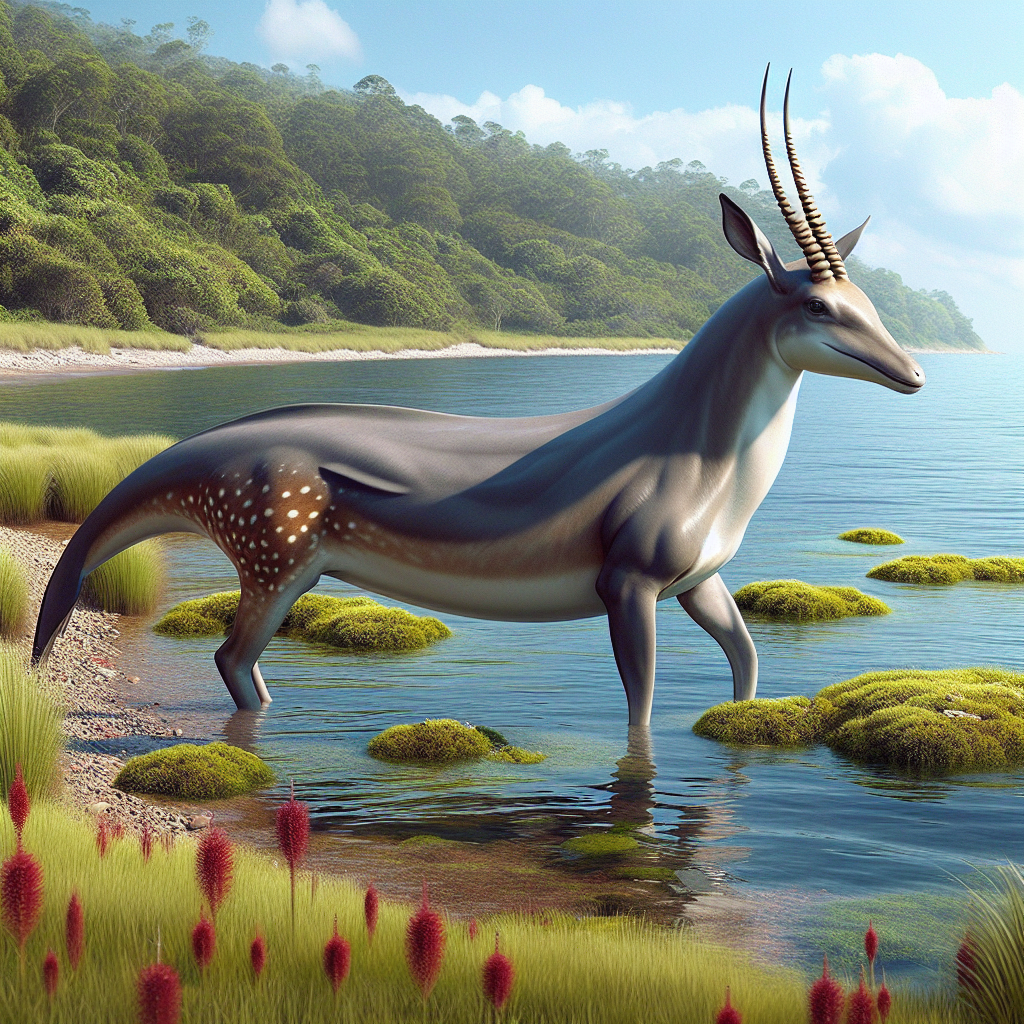
The Dolphinquin is a fascinating hybrid species, characterized by the streamlined body of a dolphin combined with the robust, tuxedo-like plumage of a penguin. It possesses a sleek, torpedo-shaped form, ideal for swift swimming, with the distinctive black and white coloration of a penguin that provides camouflage in frigid waters. Its flippers are a unique blend of wing and fin, allowing for agile movements both underwater and on ice. The Dolphinquin's large, expressive eyes convey intelligence, while its specialized beak is designed for catching fish and krill.
Special abilities
Aqua Blast
Unleashes a powerful jet of water at high speeds, stunning enemies and knocking them back.
From the Dolphin
Real-world basis: Utilizes the dolphin's echolocation abilities to accurately target and maximize the impact of the water blast.
Ice Shard Dive
Dives swiftly beneath the ice and propels upward, launching sharp icicles at opponents.
From the Penguin
Real-world basis: Mimics the penguin’s diving and swimming prowess to gather ice particles and launch them as projectiles.
Blubber Shield
Forms a protective barrier of blubber that absorbs incoming damage, reducing the impact of attacks.
From the Dolphin
Real-world basis: Similar to the natural fat layer in marine mammals, providing insulation and protection against physical attacks.
Tuxedo Camouflage
Utilizes its unique coloration to blend into the icy environment, making it harder for predators to spot.
From the Penguin
Real-world basis: Based on the penguin’s natural camouflage, which helps it evade predators in polar habitats.