Echidalligator
A hybrid of Alligator + Echidna
- Habitat
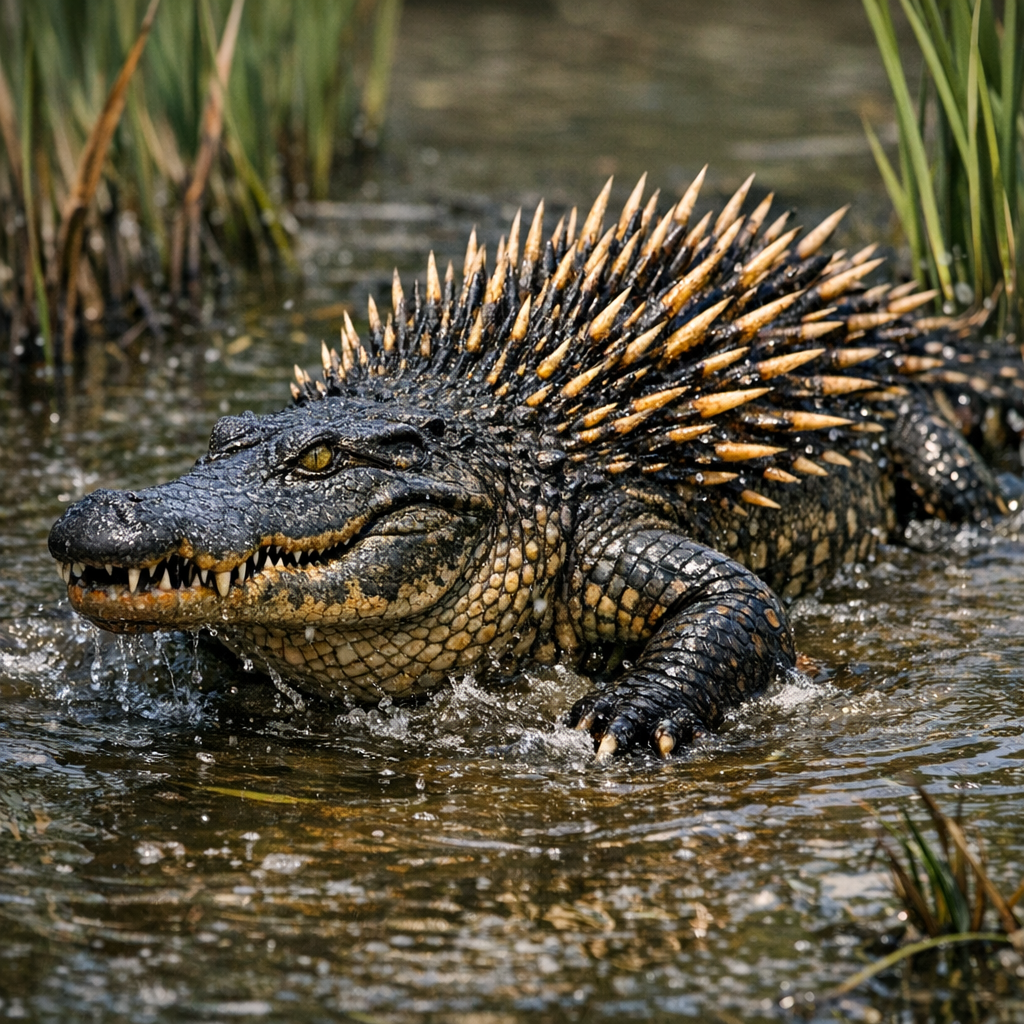
- Echidalligators thrive in freshwater habitats such as swamps, rivers, and lakes, often found in densely vegetated areas where they can easily camouflage among reeds and underbrush. They are also known to dig burrows in soft riverbanks to create nesting sites.
- Diet
- As an omnivorous predator, the Echidalligator primarily feeds on aquatic invertebrates, small fish, and crustaceans. It also enjoys terrestrial insects and small mammals, using its quills to aid in foraging and defense. Its diet is opportunistic, adapting to seasonal changes in food availability.
The story of Echidalligator
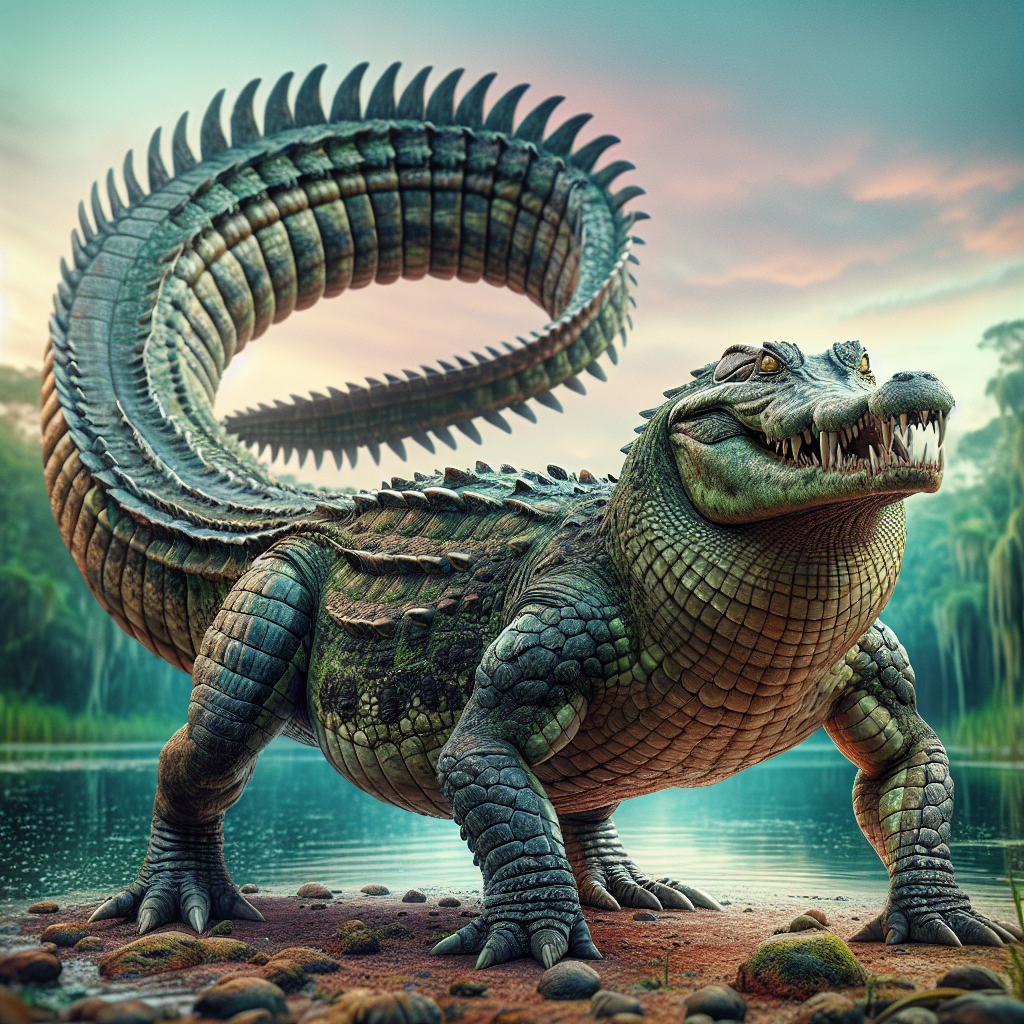
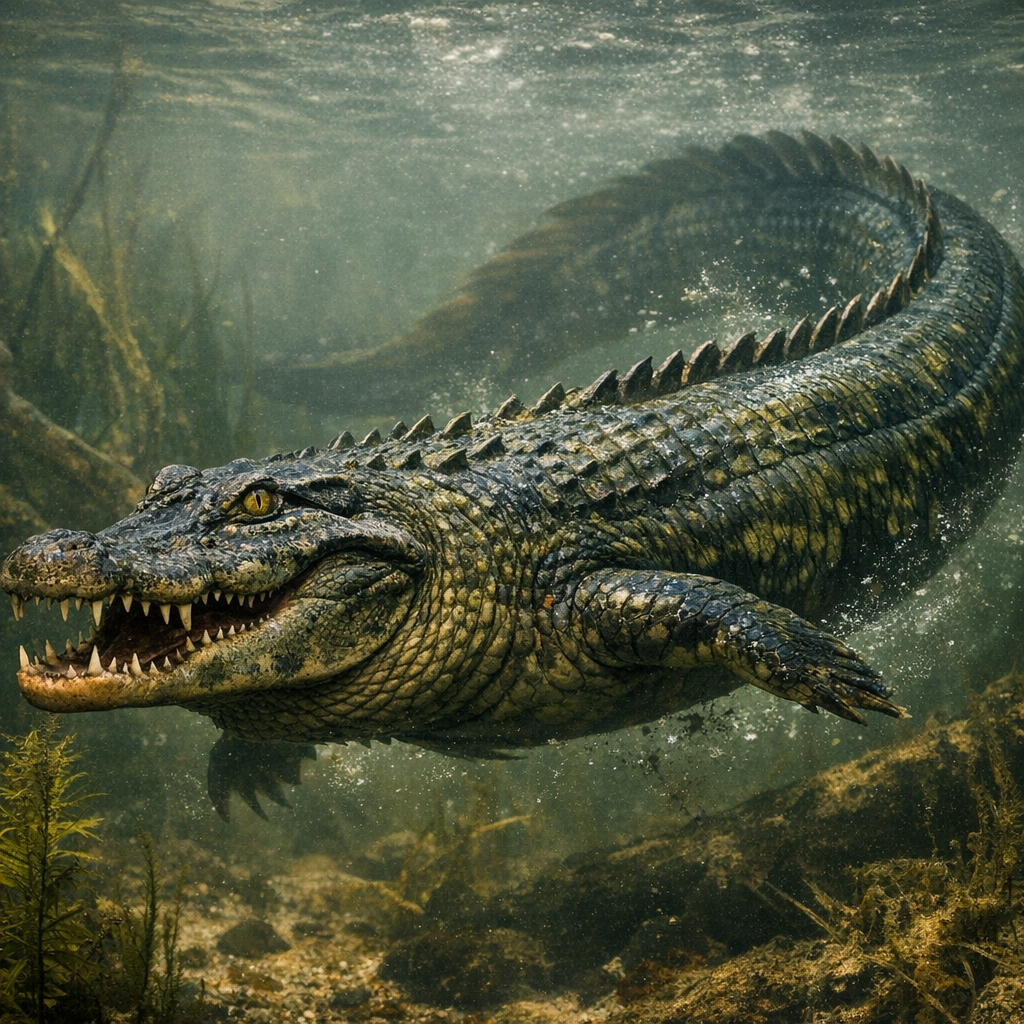
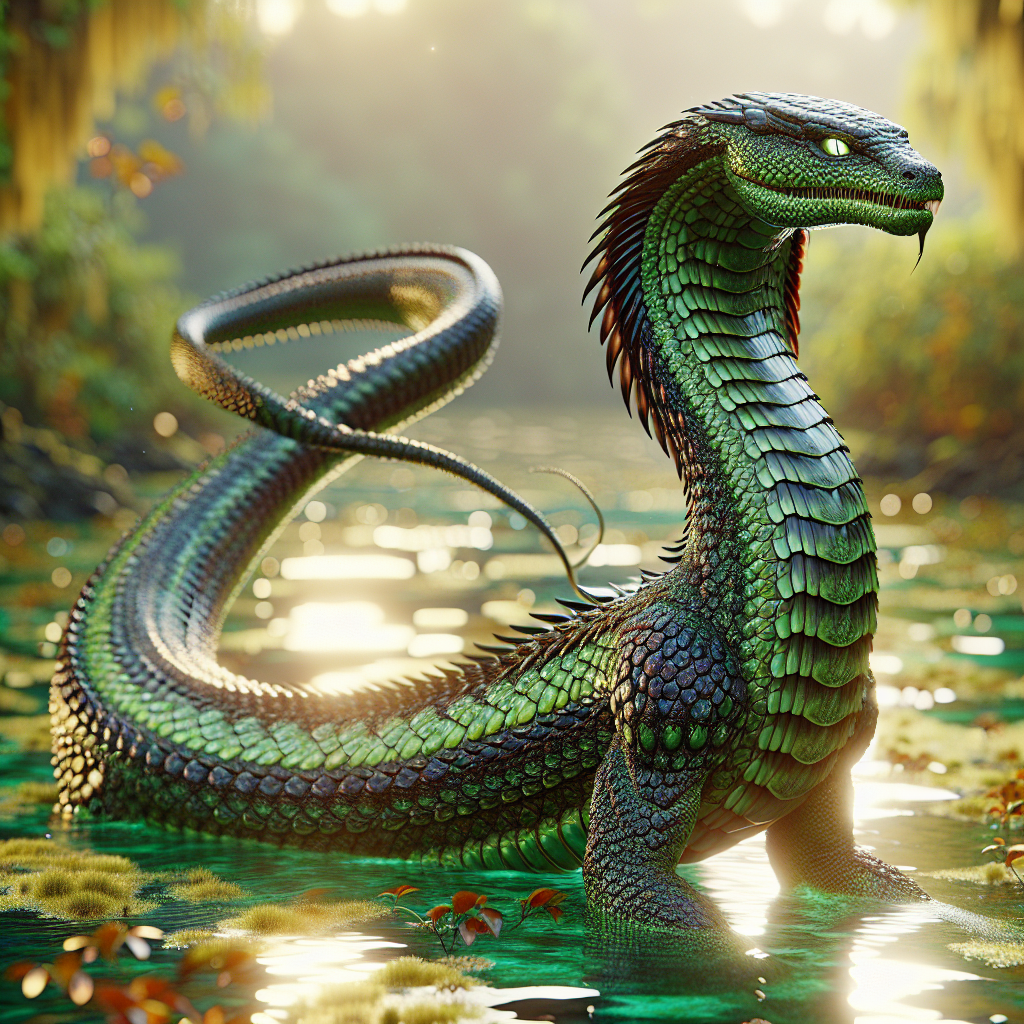
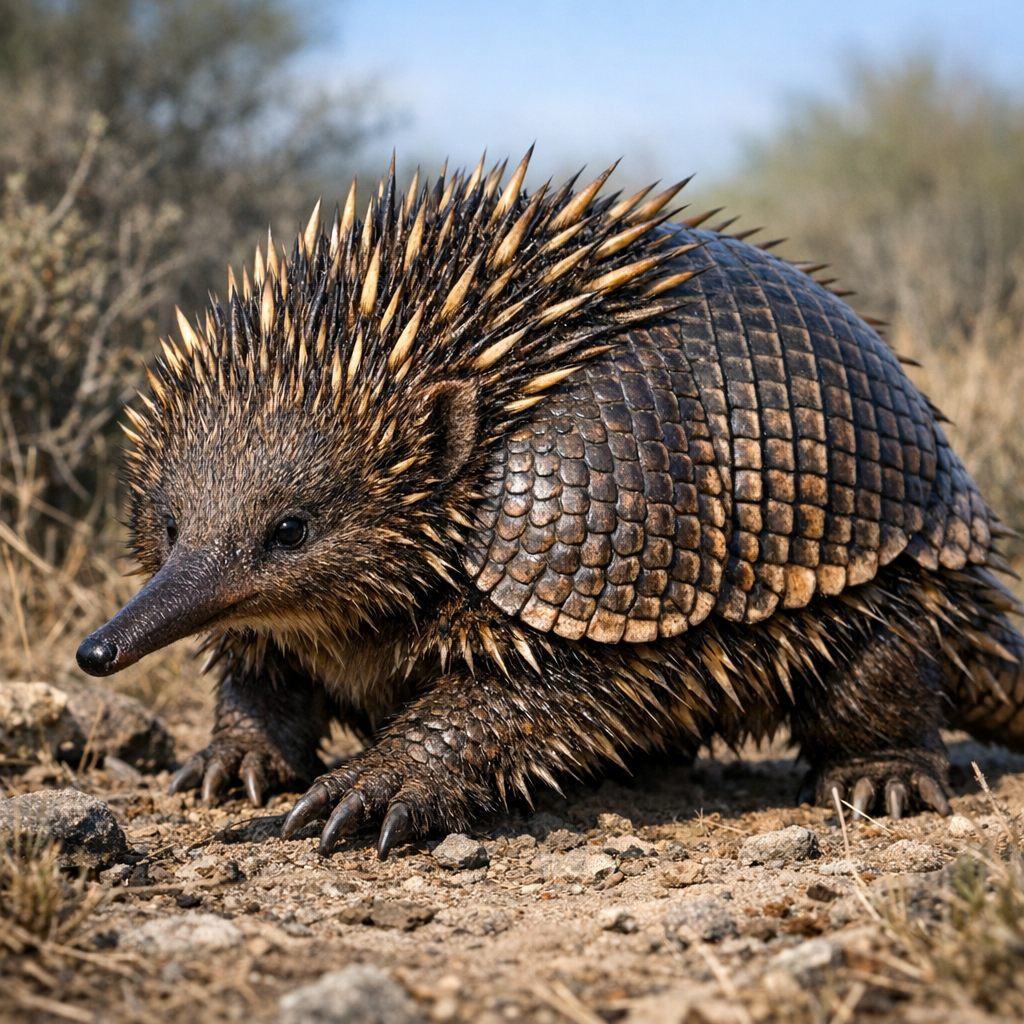
The Echidalligator is a fascinating hybrid creature that combines the robust physique of an alligator with the spiny armor and unique features of an echidna. It possesses a long, muscular body covered in tough, scaly skin that transitions to a layer of sharp quills along its back. Its head resembles that of an alligator, complete with a powerful jaw and sharp teeth, while its limbs are short and sturdy, enabling both swimming and burrowing. This creature has a keen sense of smell and specialized electroreceptors, allowing it to detect prey in murky waters.
Special abilities
Quill Barrage
The Echidalligator launches a volley of sharp quills at its target, causing damage from multiple projectiles.
From the Echidna
Real-world basis: The quills are modified hair structures that can be shed and regrown, providing a means of both attack and defense.
Jaws of Death
A powerful bite attack that can crush bones and inflict severe damage to prey.
From the Alligator
Real-world basis: The strong jaw muscles and sharp teeth of the alligator allow for a formidable biting force.
Camouflage Defense
Utilizing its surrounding environment, the Echidalligator can blend in, making it difficult for predators to spot.
From the Alligator
Real-world basis: The color and pattern of the skin allow for effective concealment in freshwater habitats.
Spiny Shield
When threatened, the Echidalligator can raise its quills to deter attackers, providing a physical barrier.
From the Echidna
Real-world basis: The quills serve both as a defense mechanism and as a warning to potential threats.