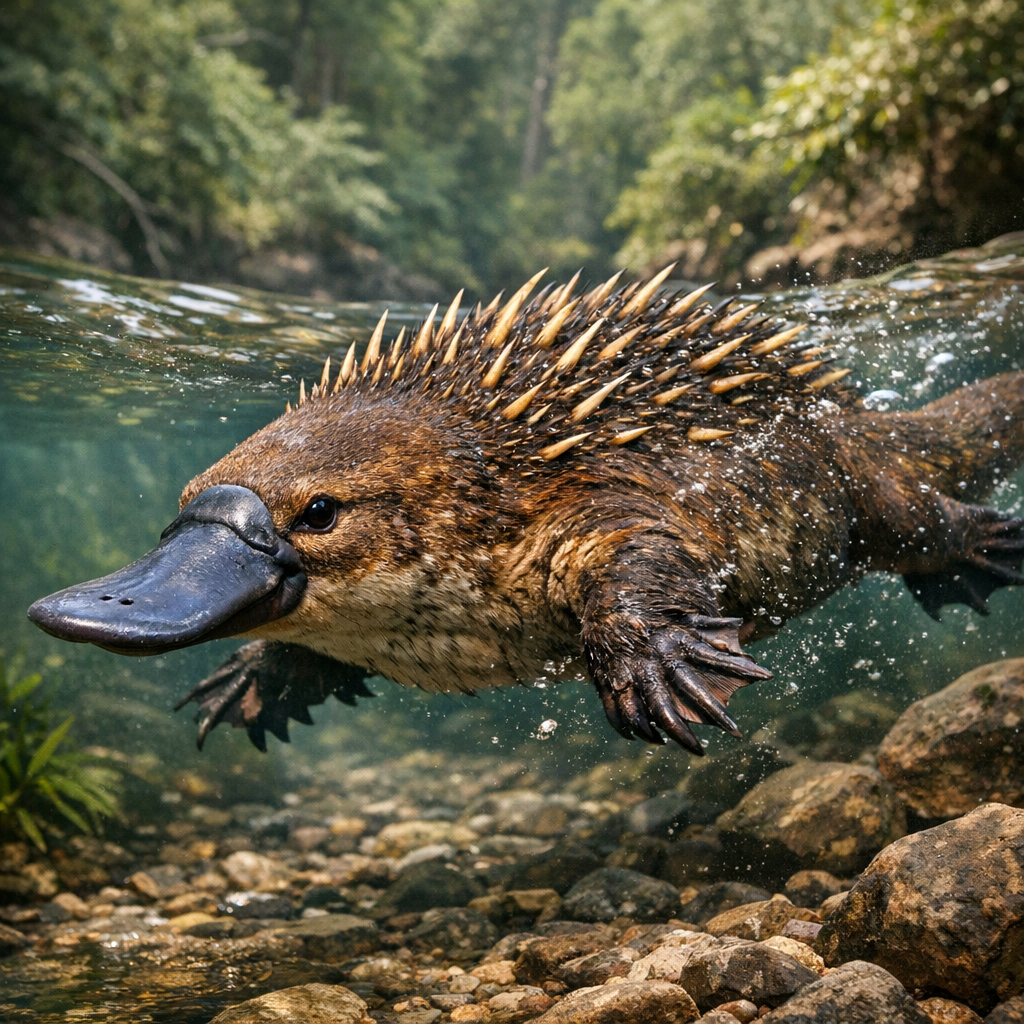
Echidapus
A hybrid of Echidna + Platypus
- Habitat
- Echidapuses thrive in freshwater river systems and lush, temperate forest regions, favoring areas where water is abundant and soil is rich for burrowing. They create extensive networks of burrows near the water's edge, allowing them to forage both in the water and on land.
- Diet
- The Echidapus is an omnivore, primarily feeding on aquatic invertebrates, small fish, and various plant matter. Its unique bill allows it to forage in the mud and silt, uncovering hidden food sources with ease. They also occasionally scavenge for insects and worms on dry land.
The story of Echidapus
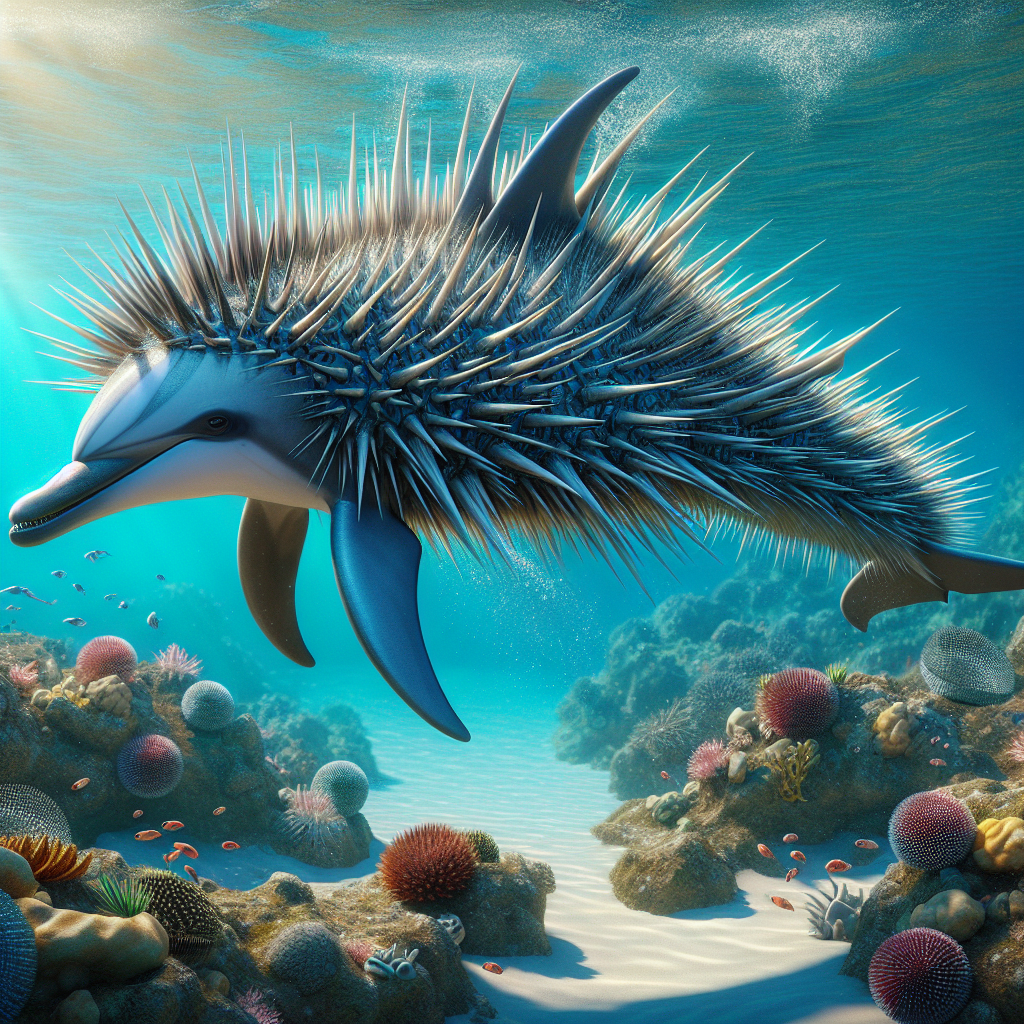
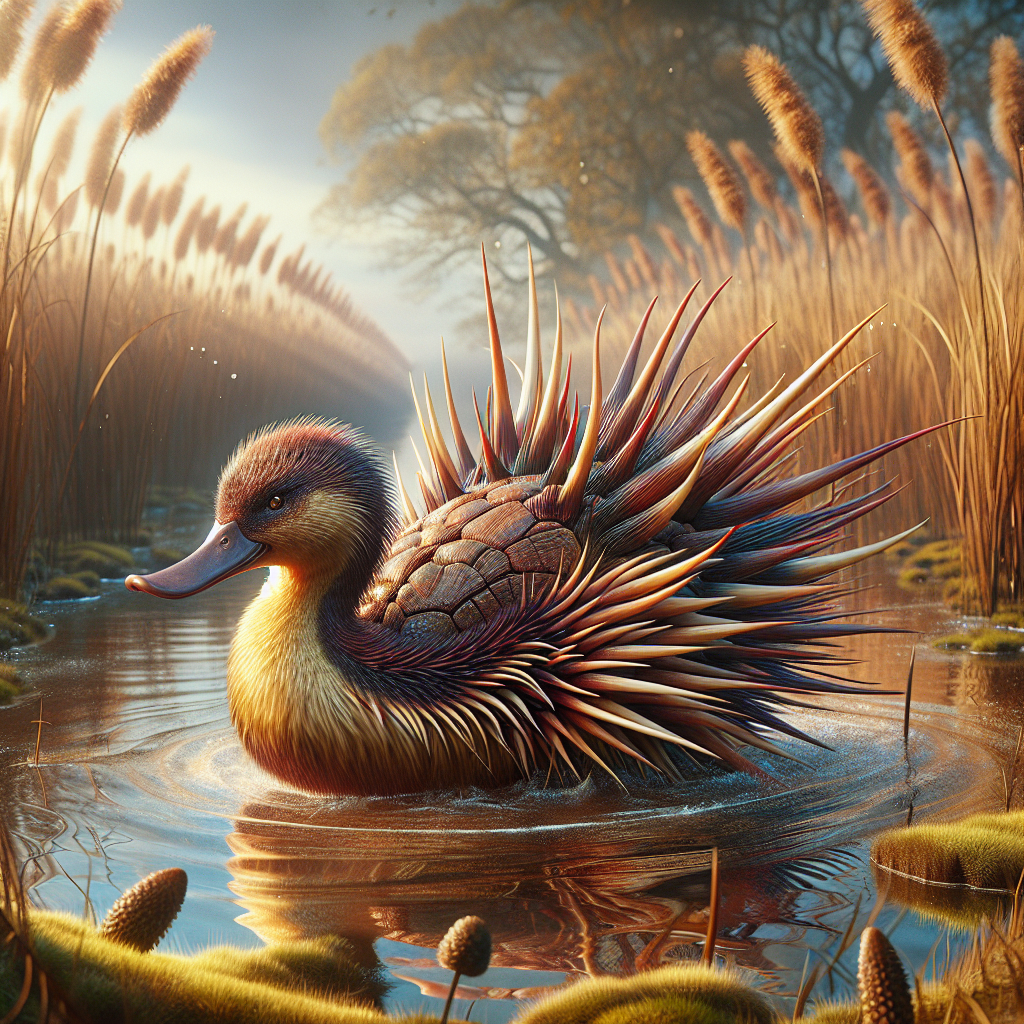
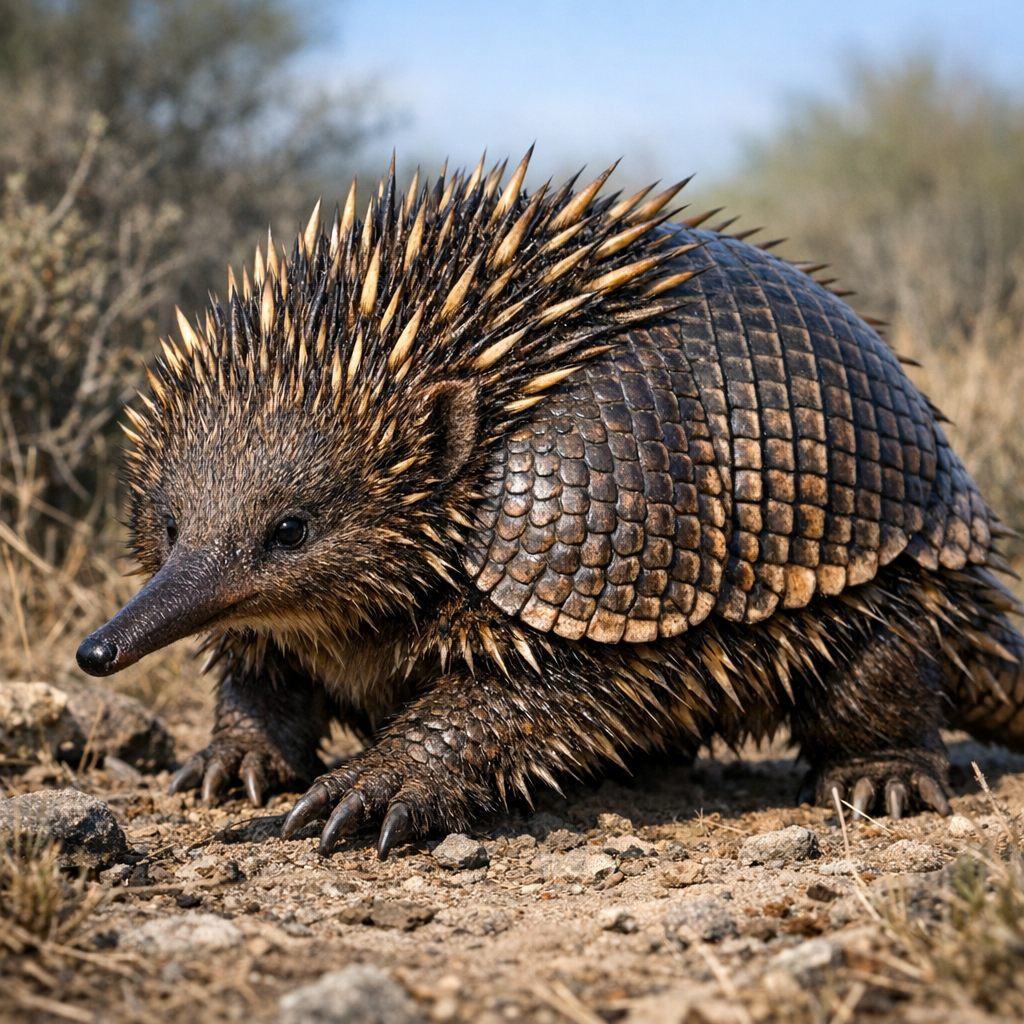
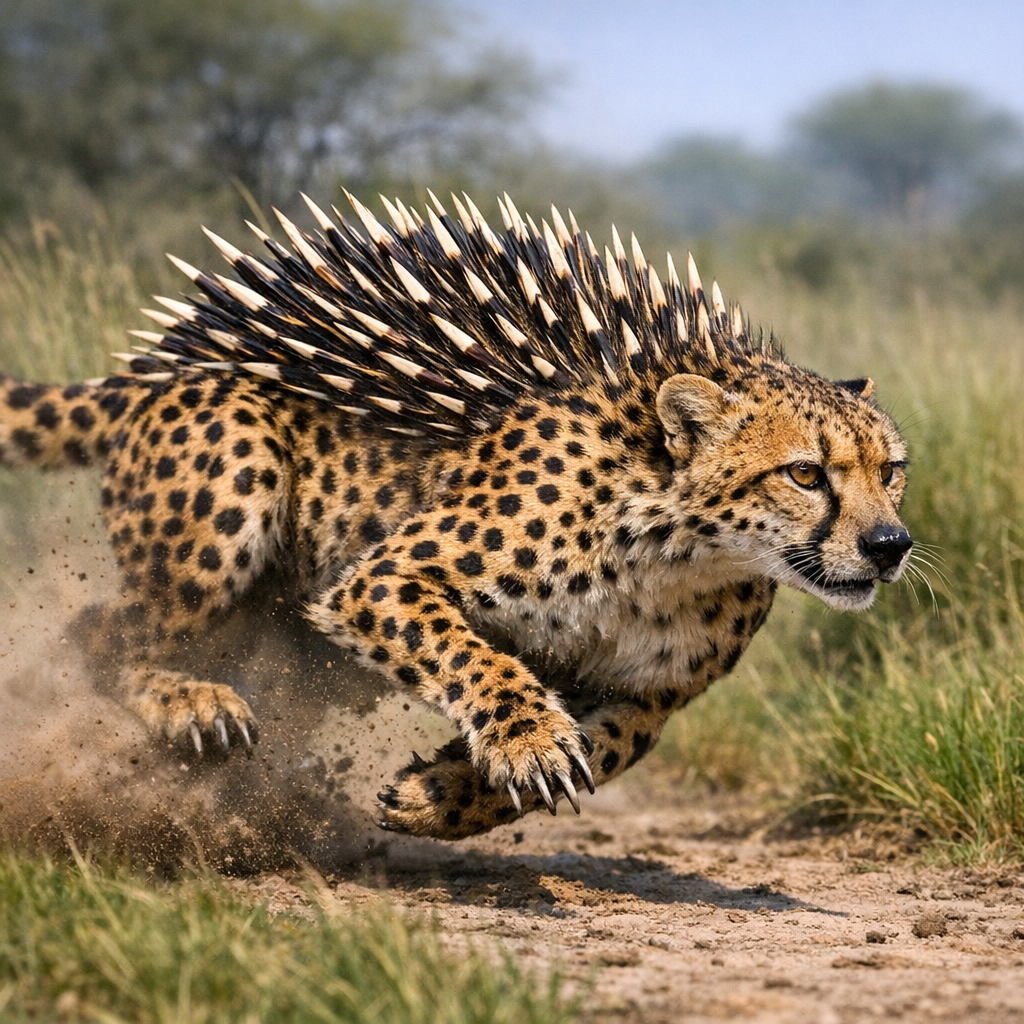
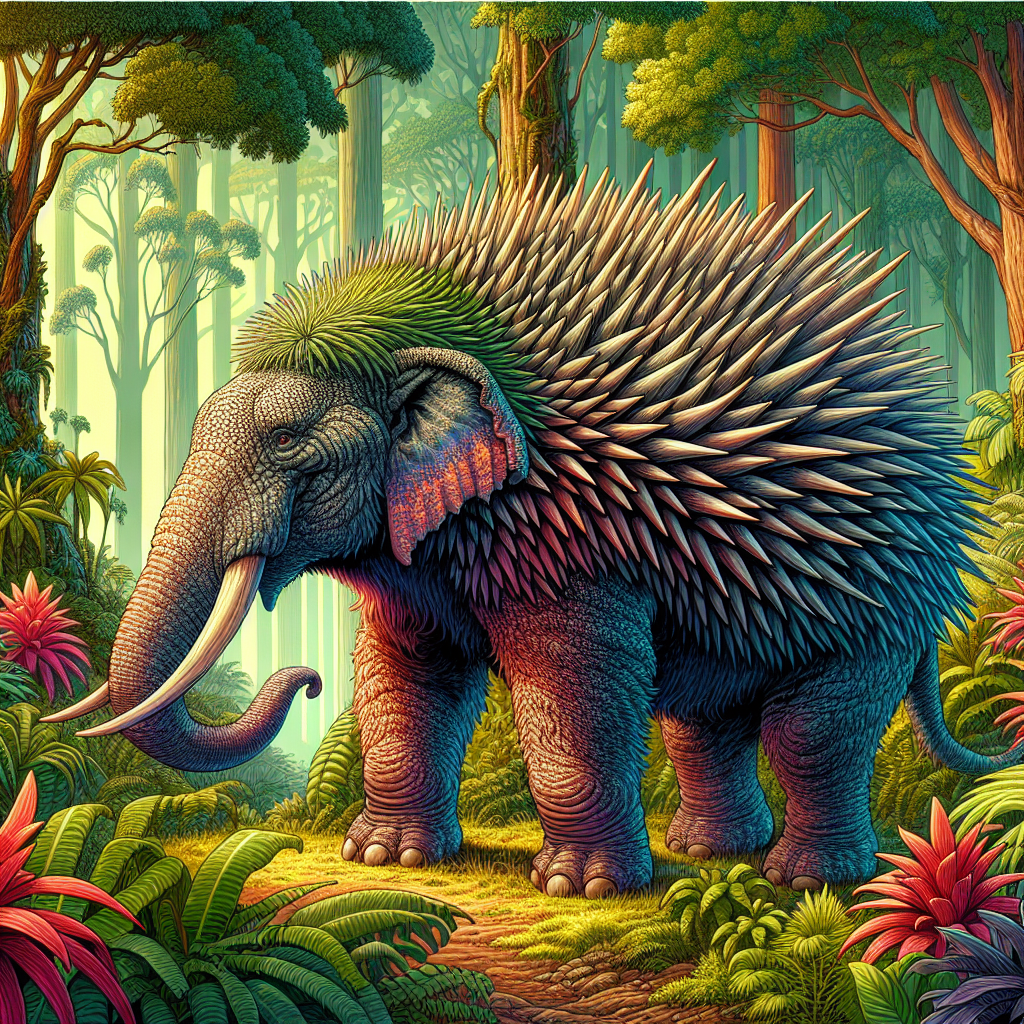
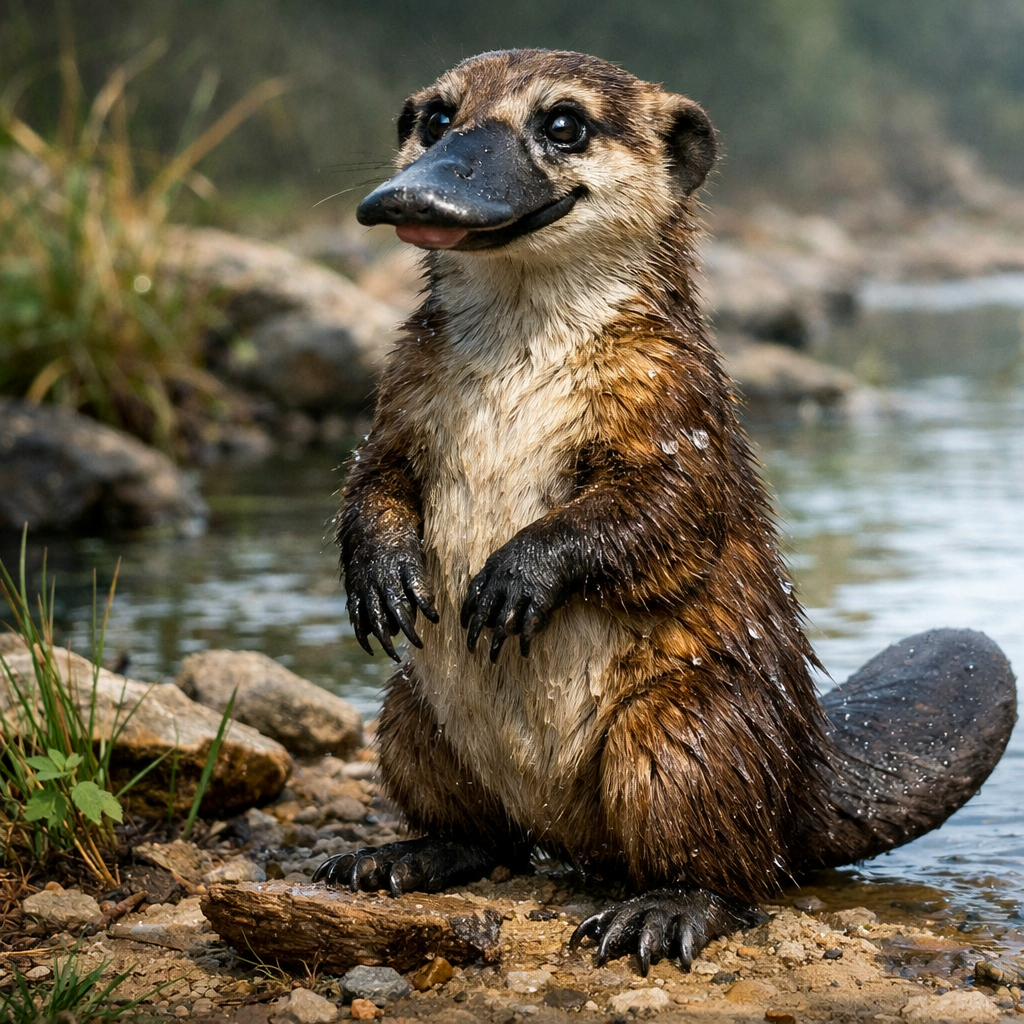
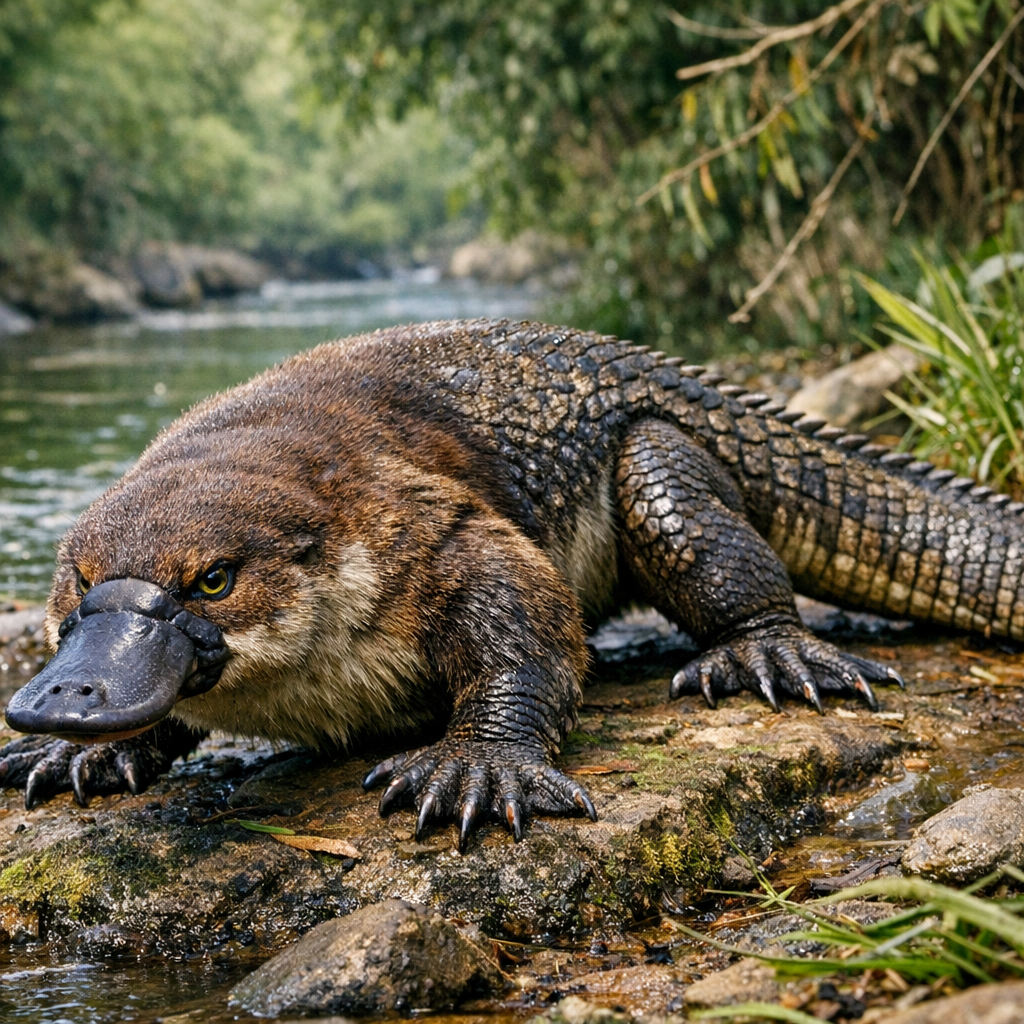
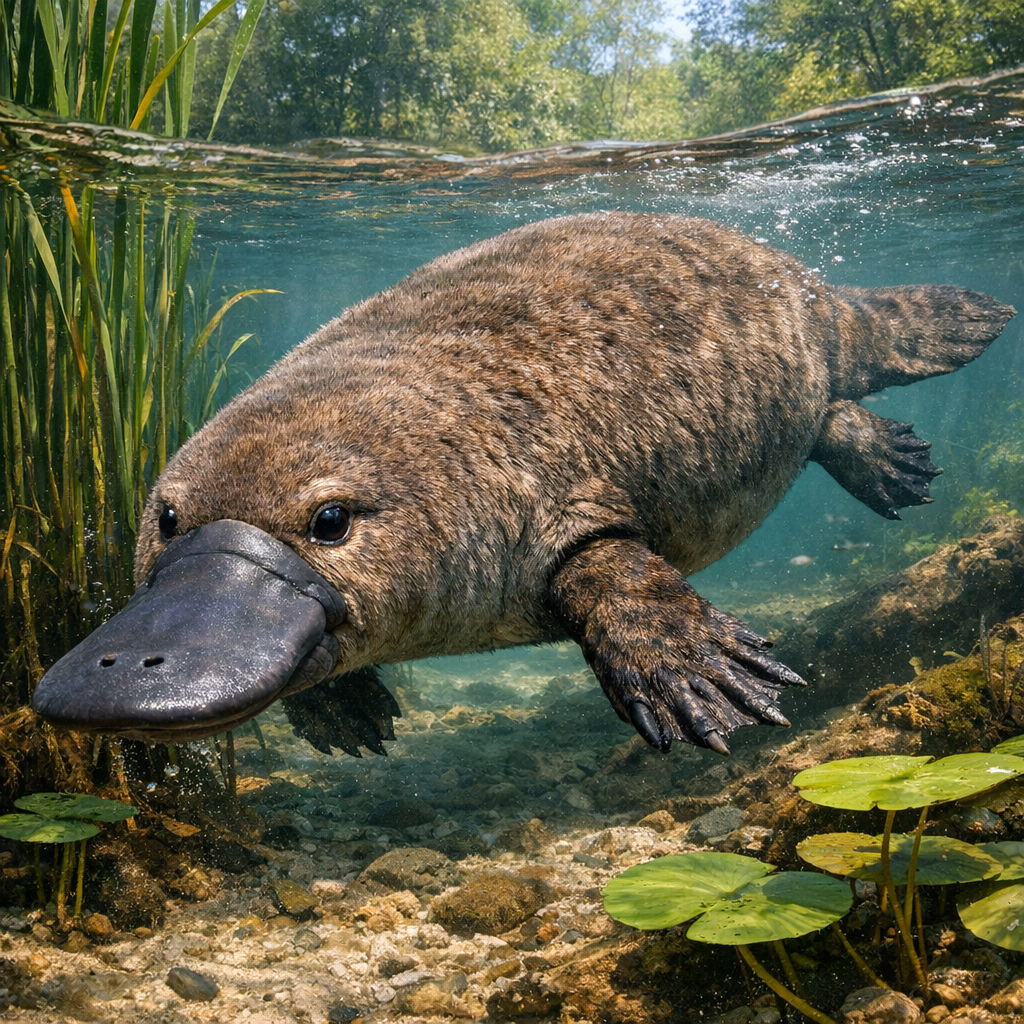
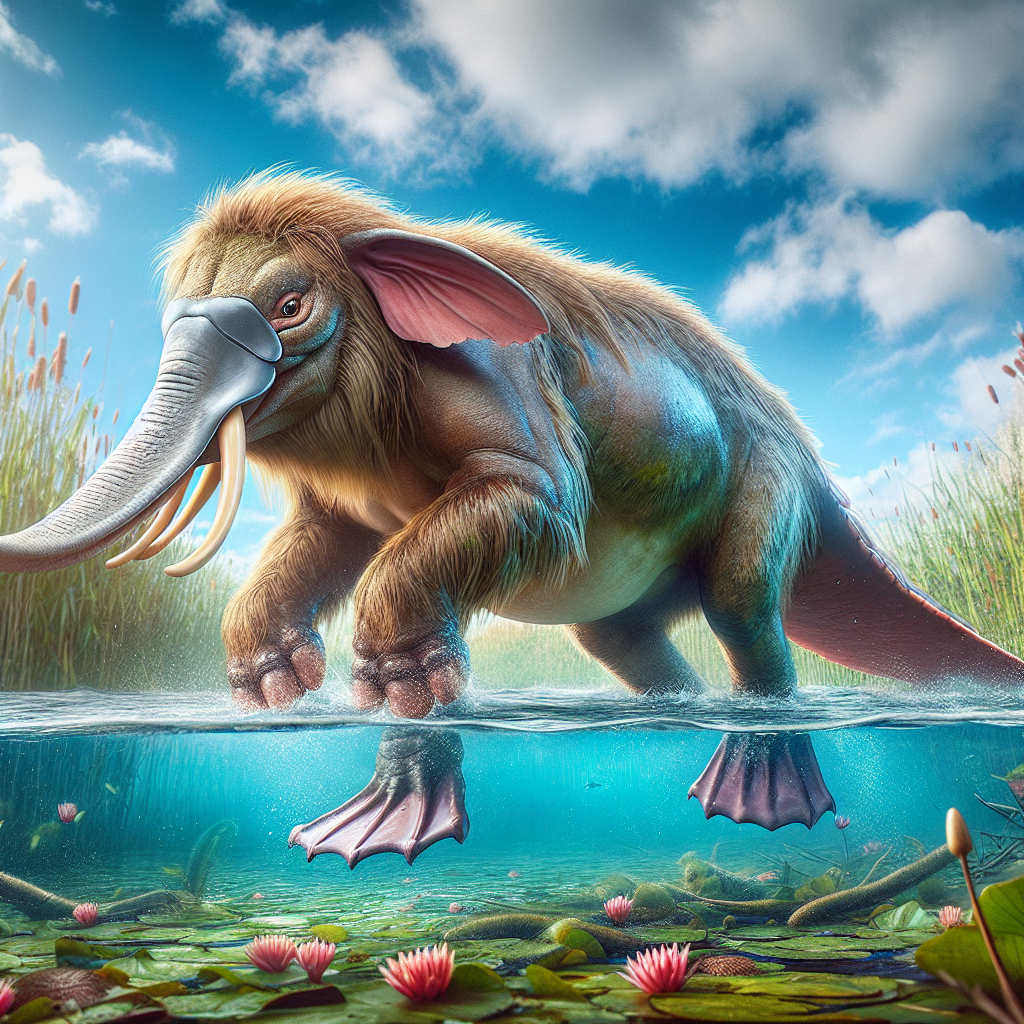
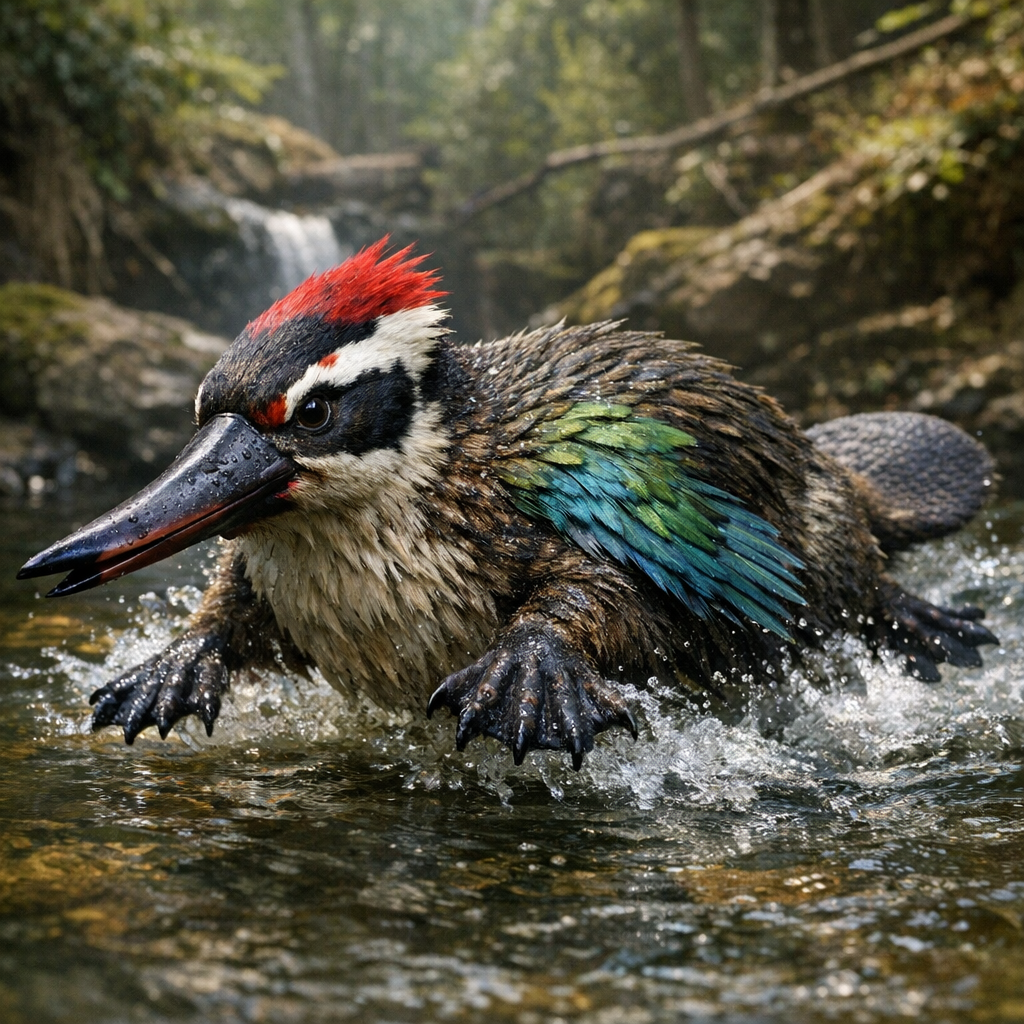
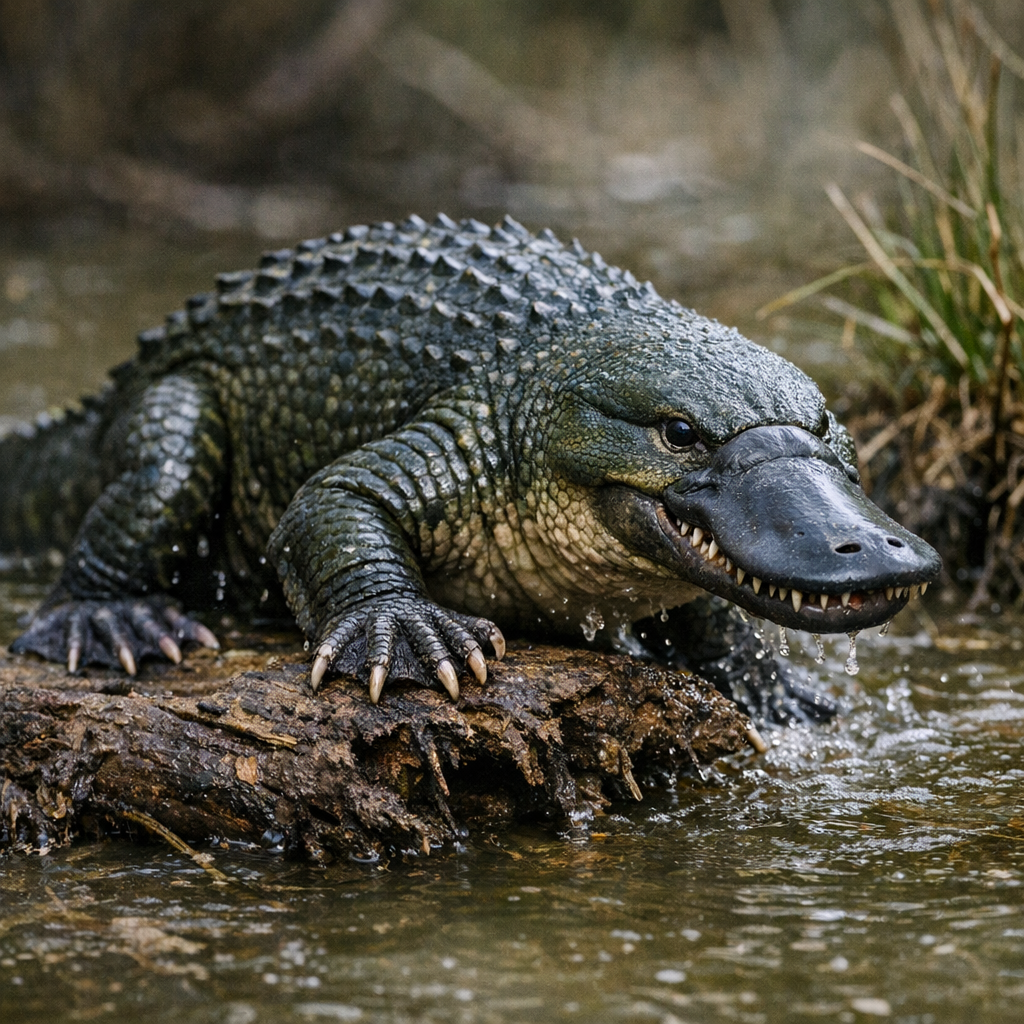
The Echidapus is a unique hybrid creature, exhibiting a sleek, streamlined body that combines the burrowing prowess of the echidna with the aquatic elegance of the platypus. It possesses a leathery, mottled hide that varies from dark brown to light tan, adorned with small, spiky quills along its back. Its bill is flat and duck-like, equipped with sensitive electroreceptors for detecting prey underwater. The Echidapus has webbed feet for swimming, yet retains clawed limbs for digging, making it adept in both terrestrial and aquatic environments.
Special abilities
Quill Barrage
The Echidapus launches a barrage of sharp quills from its back at high speed, targeting enemies from a distance.
From the Echidna
Real-world basis: Quills are modified hairs composed of keratin, designed for defense and offense.
Electroshock
Using its bill's electroreceptors, the Echidapus can generate a mild electric shock to temporarily disable its prey or deter predators.
From the Platypus
Real-world basis: Electroreception allows for the detection of electric fields in water, enhancing predation.
Mud Shield
The Echidapus can quickly burrow into the mud, creating a protective shield that absorbs incoming attacks.
From the Echidna
Real-world basis: Burrowing behavior provides a natural defense mechanism against predators.
Aquatic Camouflage
The Echidapus can blend seamlessly into its aquatic environment, becoming nearly invisible to predators and prey alike.
From the Platypus
Real-world basis: Adaptive coloration and behavior enhance survival in natural habitats.