Walrantee
- Habitat
- Coastal waters of the Arctic and sub-Arctic regions, often found in shallow bays, estuaries, and river deltas where freshwater meets saltwater.
- Diet
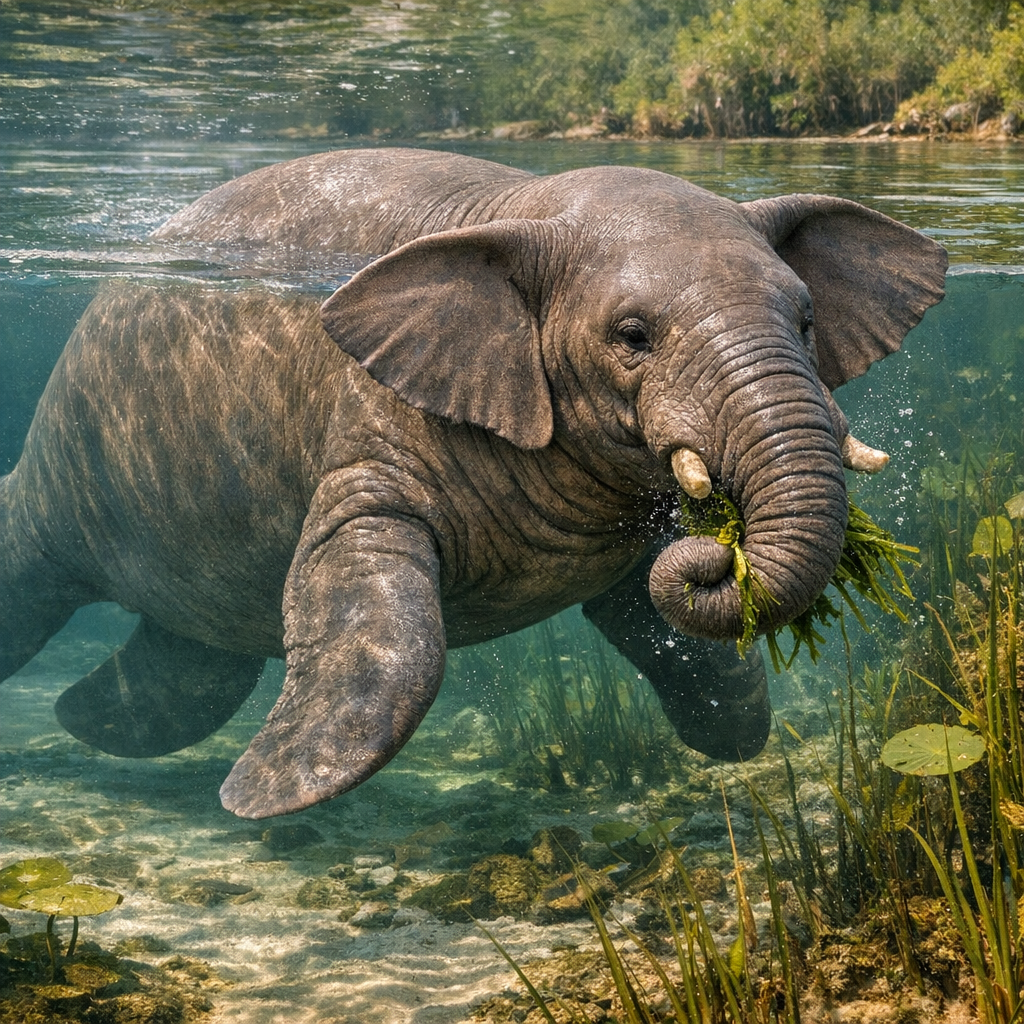
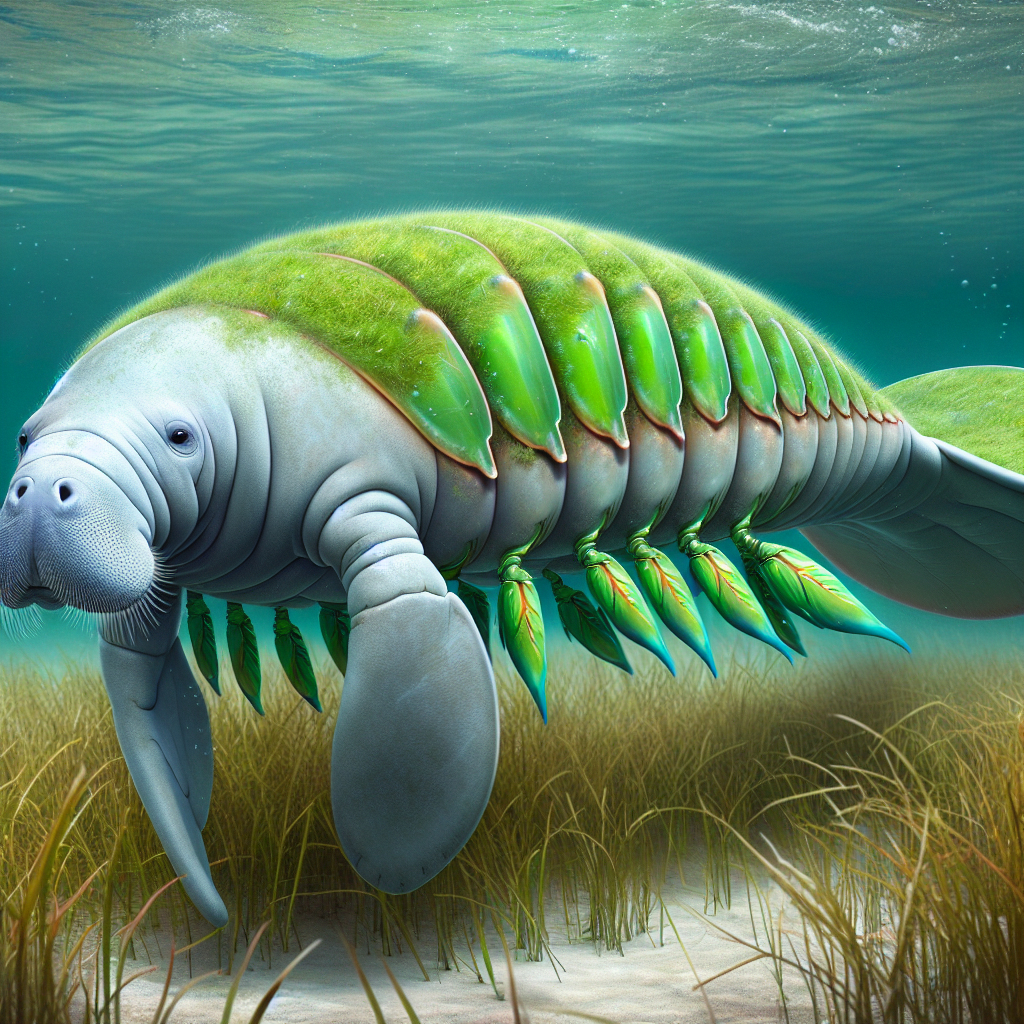
- Primarily herbivorous, the Walrantee feeds on a diet of seagrasses, algae, and aquatic plants, but it occasionally consumes small invertebrates, reflecting the opportunistic feeding habits of both parent species.
The story of Walrantee
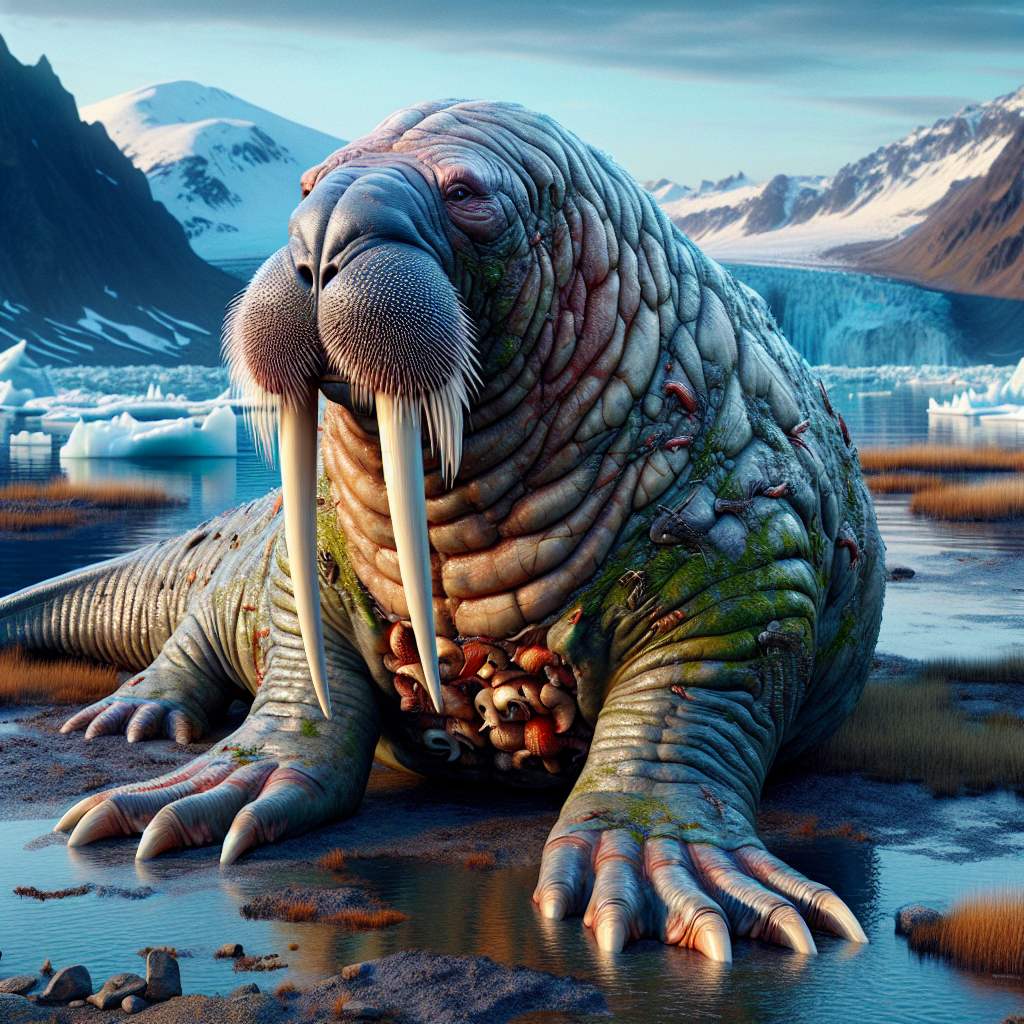
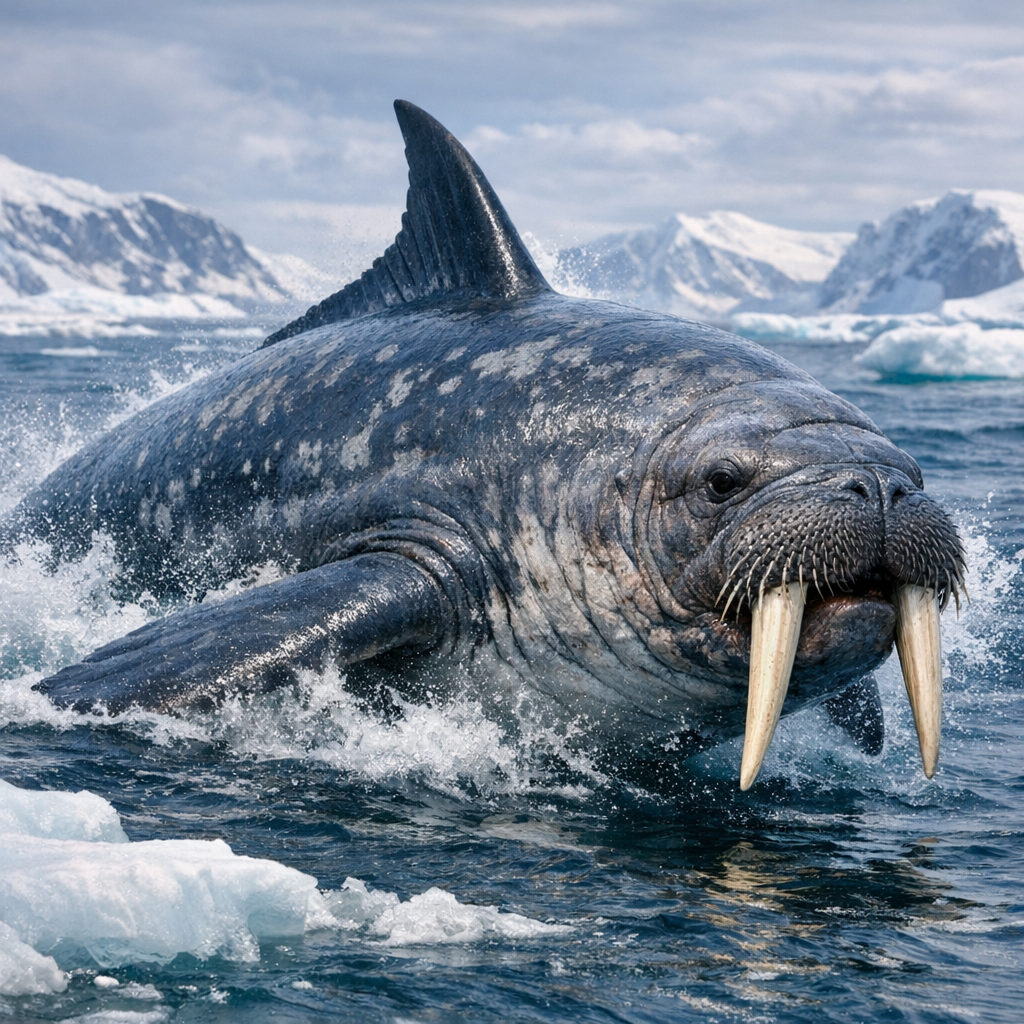
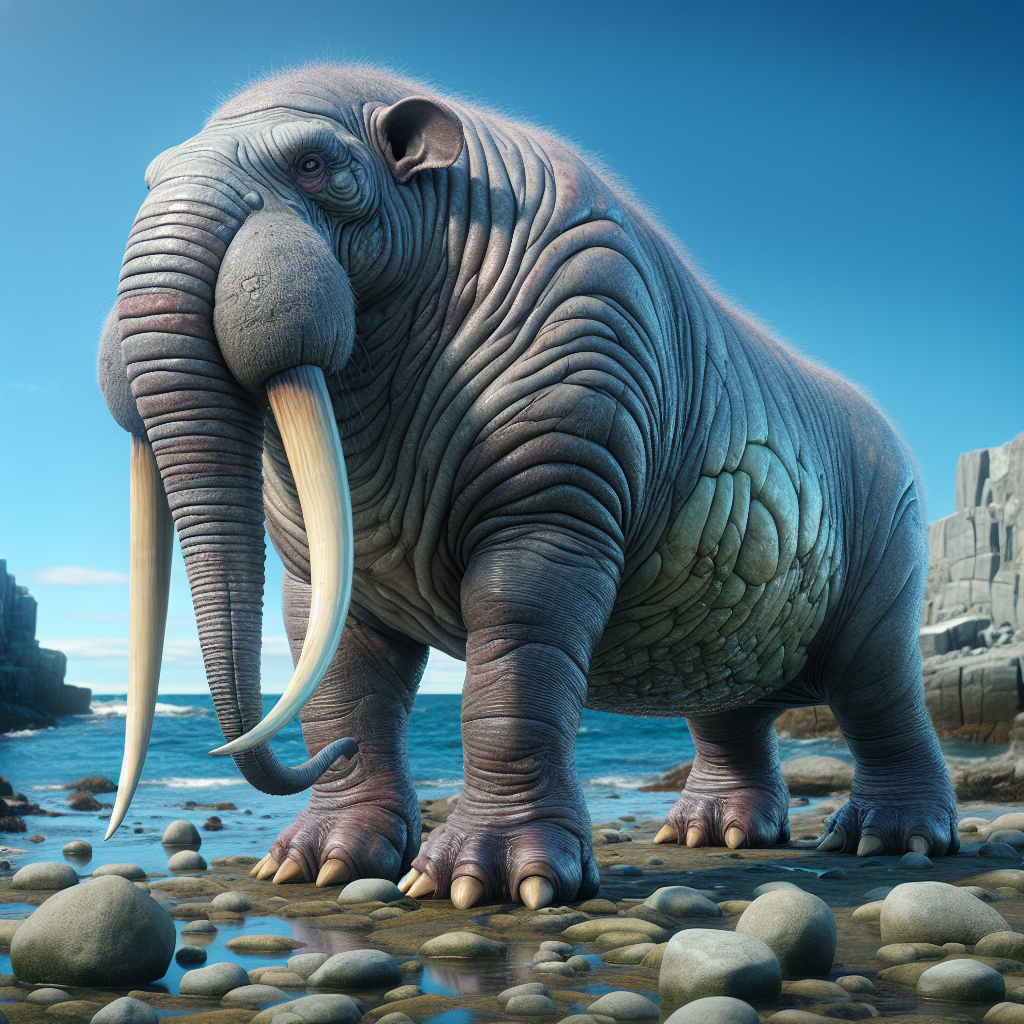
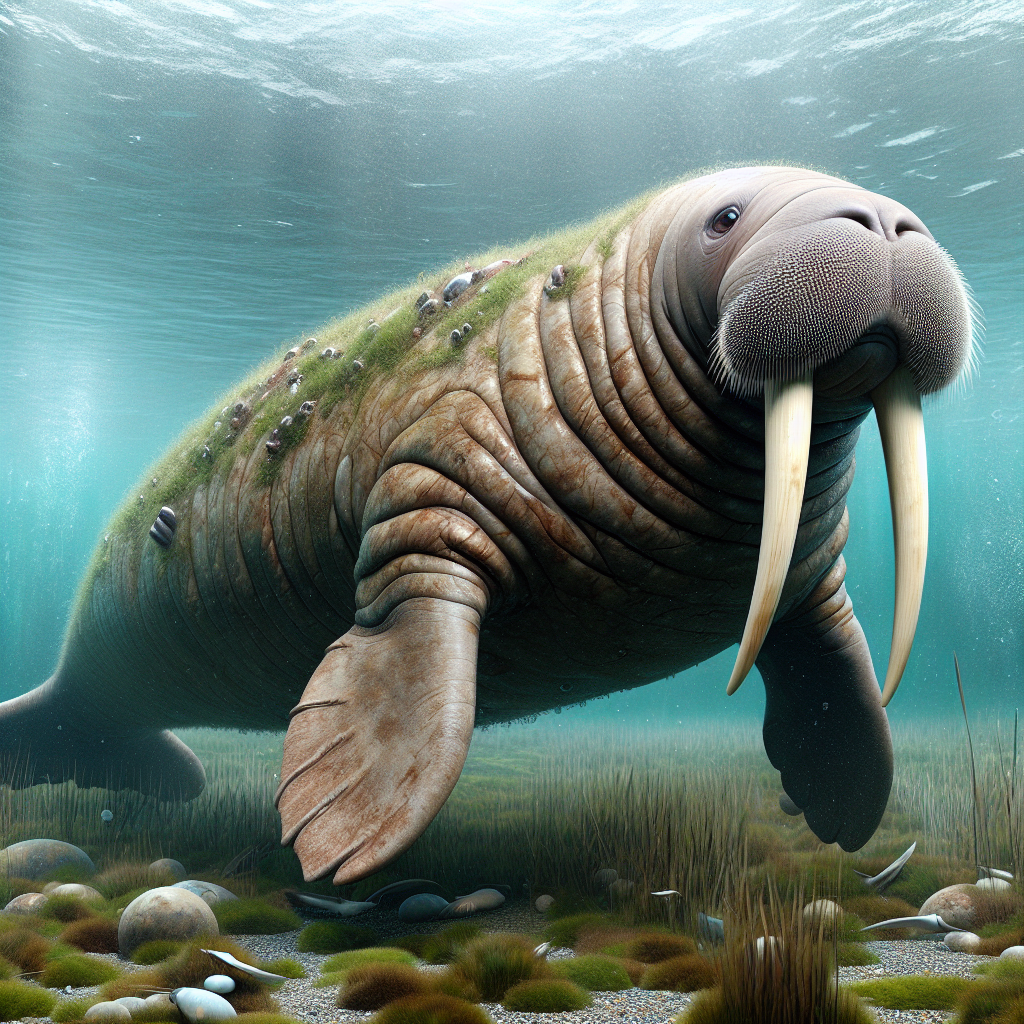
The Walrantee is a robust marine mammal characterized by its large, barrel-shaped body, blending the prominent tusks of the walrus with the rounded, gentle curves of the manatee. Its skin displays a mottled grayish-brown hue, often adorned with barnacles and algae that mimic its aquatic habitat. The creature possesses flippers reminiscent of the walrus, allowing for powerful propulsion through water, while its paddle-like tail reflects the manatee's grace. With small, expressive eyes and whiskers that aid in tactile navigation, the Walrantee is an impressive sight in any coastal ecosystem.
Special abilities
Tusks of Fury
The Walrantee charges at its opponent, using its formidable tusks to deliver a powerful thrust, causing significant damage.
From the Walrus
Real-world basis: The tusks are elongated canines that can deliver sharp stabbing motions, similar to those found in large terrestrial predators.
Whirlwind Splash
With a powerful flick of its tail, the Walrantee creates a massive wave that can knock back opponents and disrupt their balance.
From the Manatee
Real-world basis: The strong, muscular tail enables the creature to generate forceful water currents, leveraging its size and weight to create a defensive barrier.
Blubber Shield
The Walrantee can use its thick layer of blubber to absorb incoming damage, reducing the impact of attacks.
From the Both
Real-world basis: The blubber layer serves as a natural insulator and shock absorber, providing protection against physical blows.
Aquatic Camouflage
The Walrantee can blend seamlessly into its surroundings, making it difficult for predators and threats to spot it.
From the Manatee
Real-world basis: The mottled coloration and slow movements help it evade detection in murky waters and among aquatic vegetation.