Platysalamander
A hybrid of Platypus + Salamander
- Habitat
- The Platysalamander thrives in freshwater marshes, swamps, and riverbanks, where it can easily transition between aquatic and terrestrial environments. It prefers areas rich in vegetation and organic debris, which provide both shelter and abundant food sources.
- Diet
- As an opportunistic carnivore, the Platysalamander feeds on a variety of small aquatic and terrestrial invertebrates, including insects, crustaceans, and worms. It uses its sensitive bill to forage in mud and water, detecting prey through electroreception and taste.
The story of Platysalamander
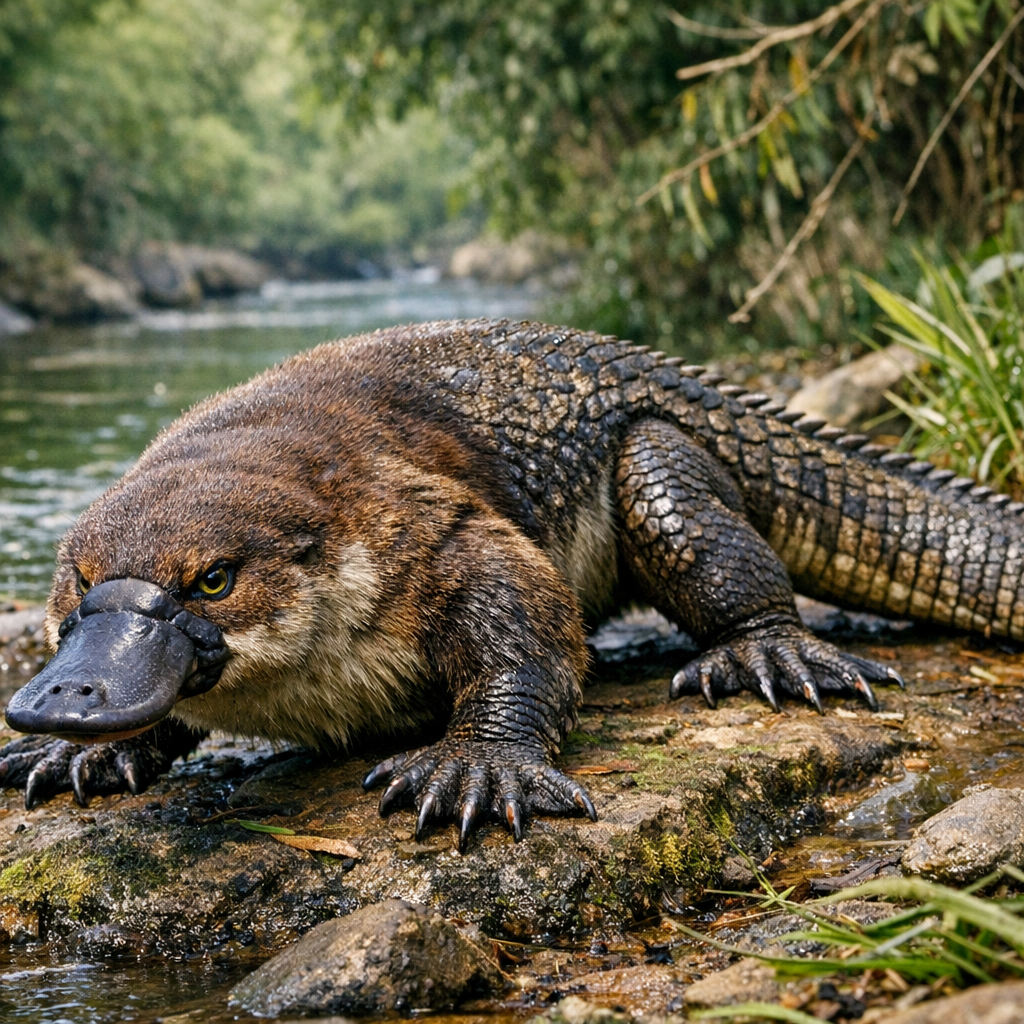
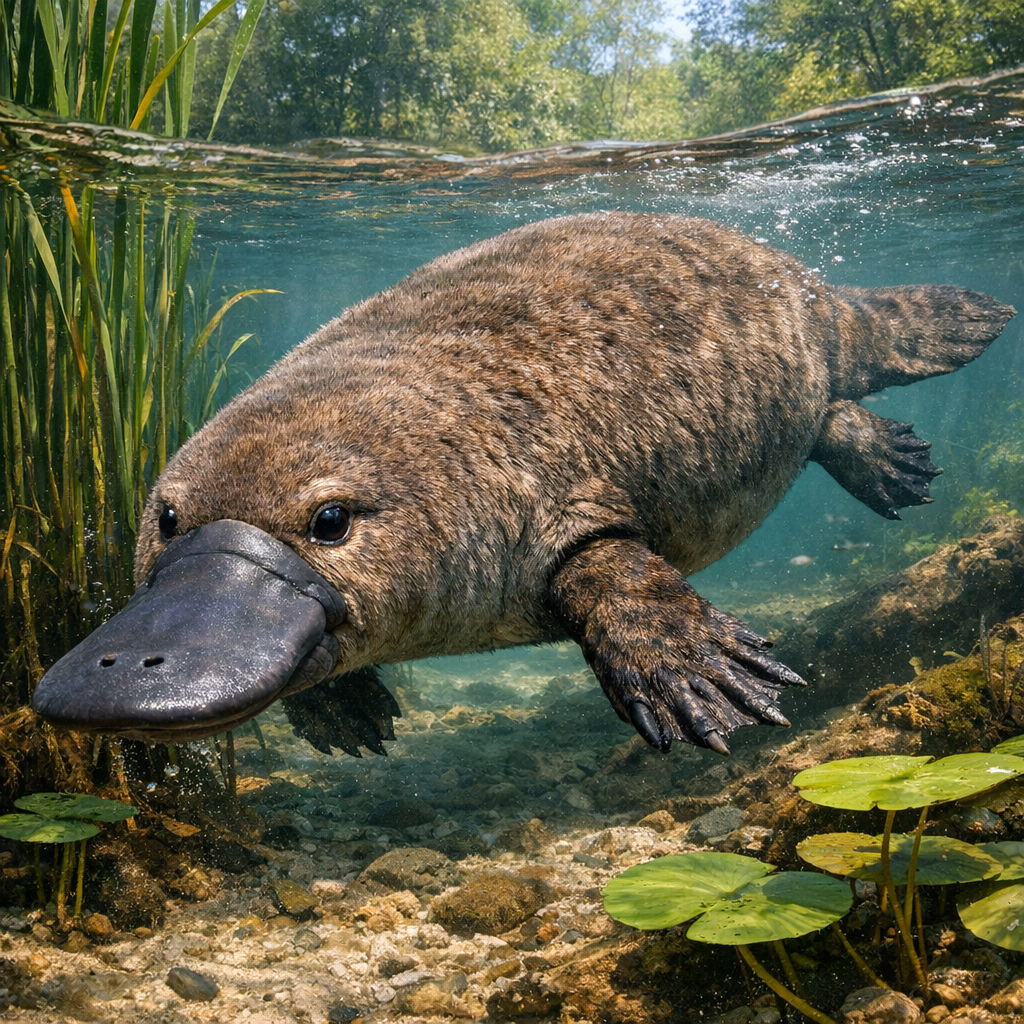
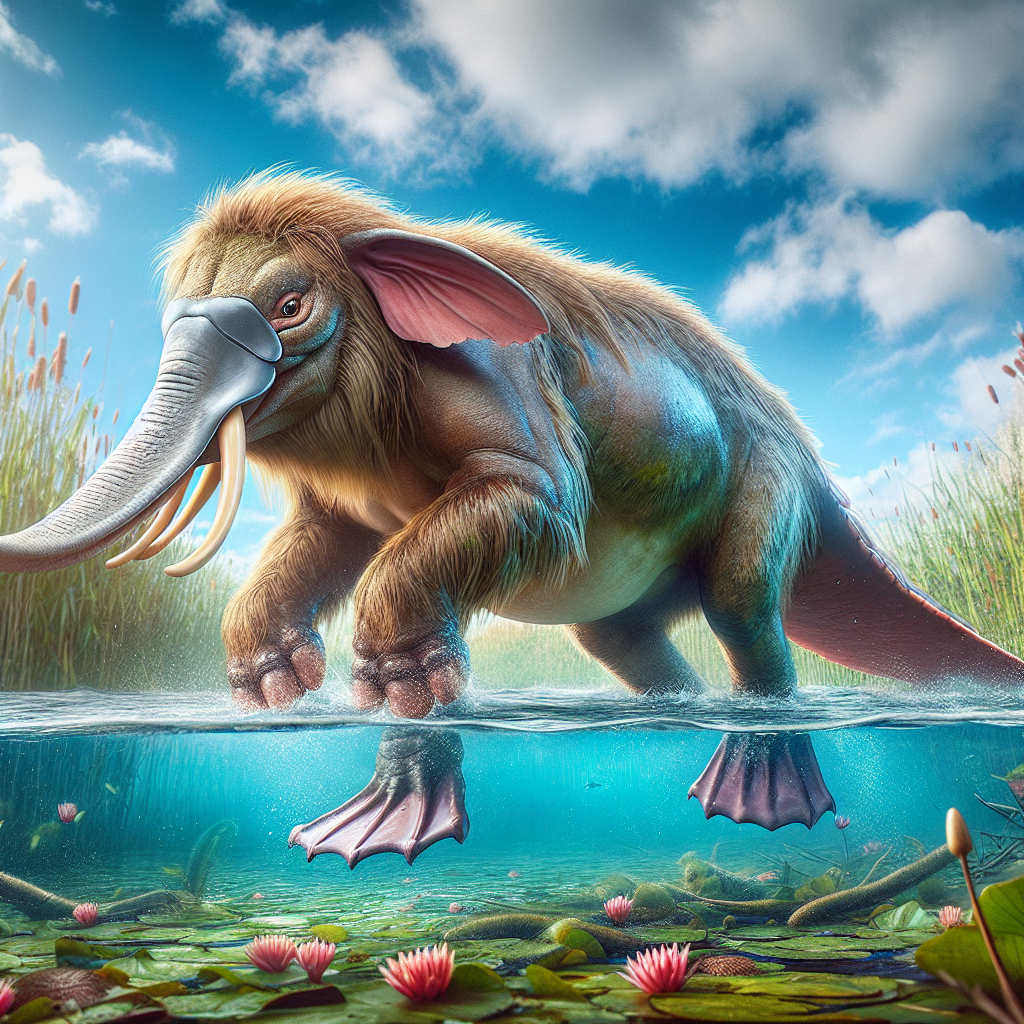
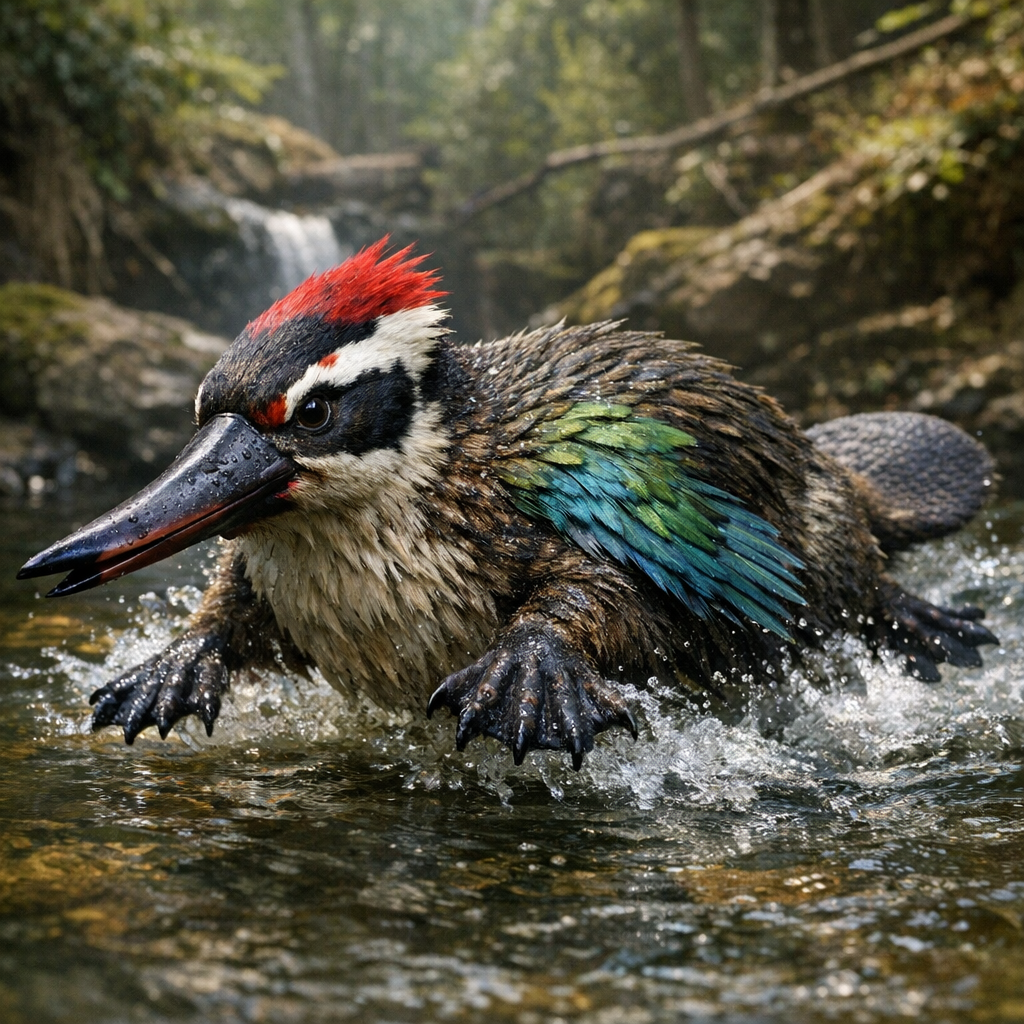
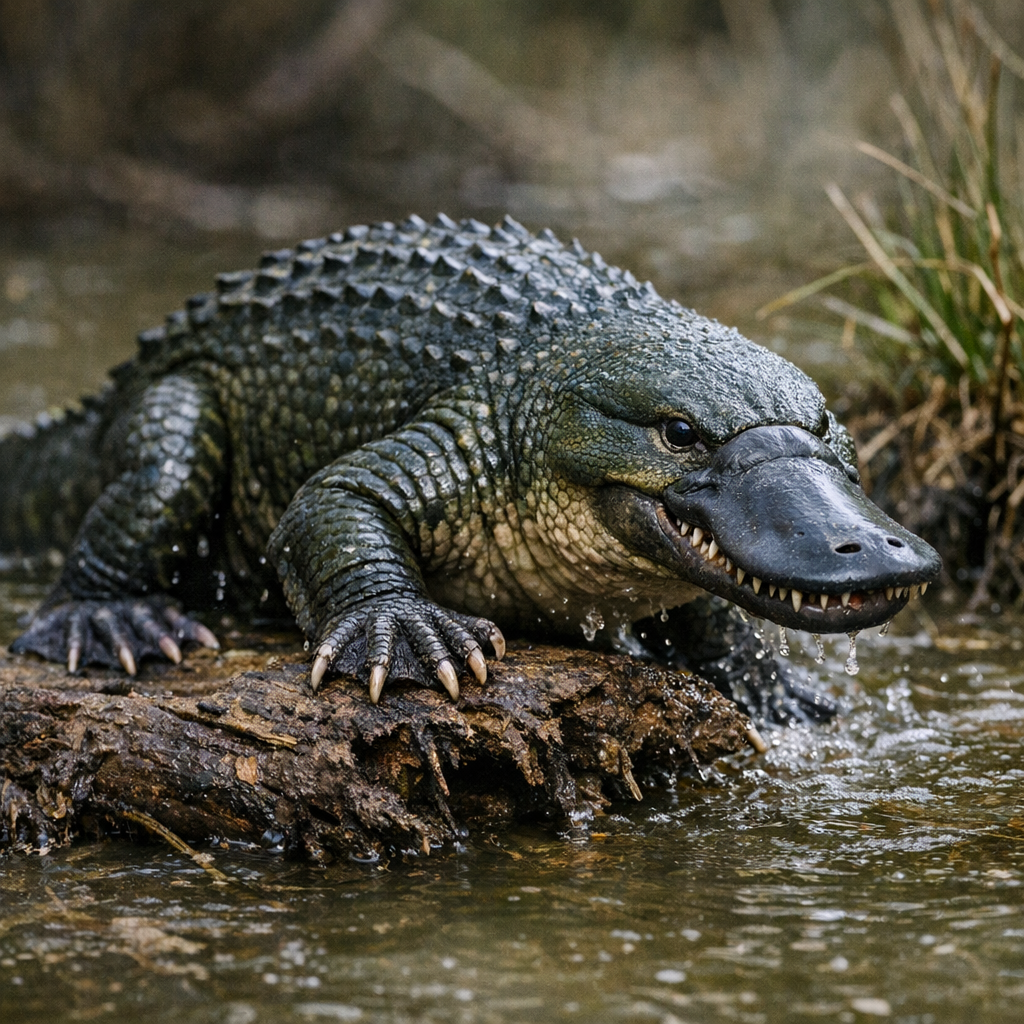
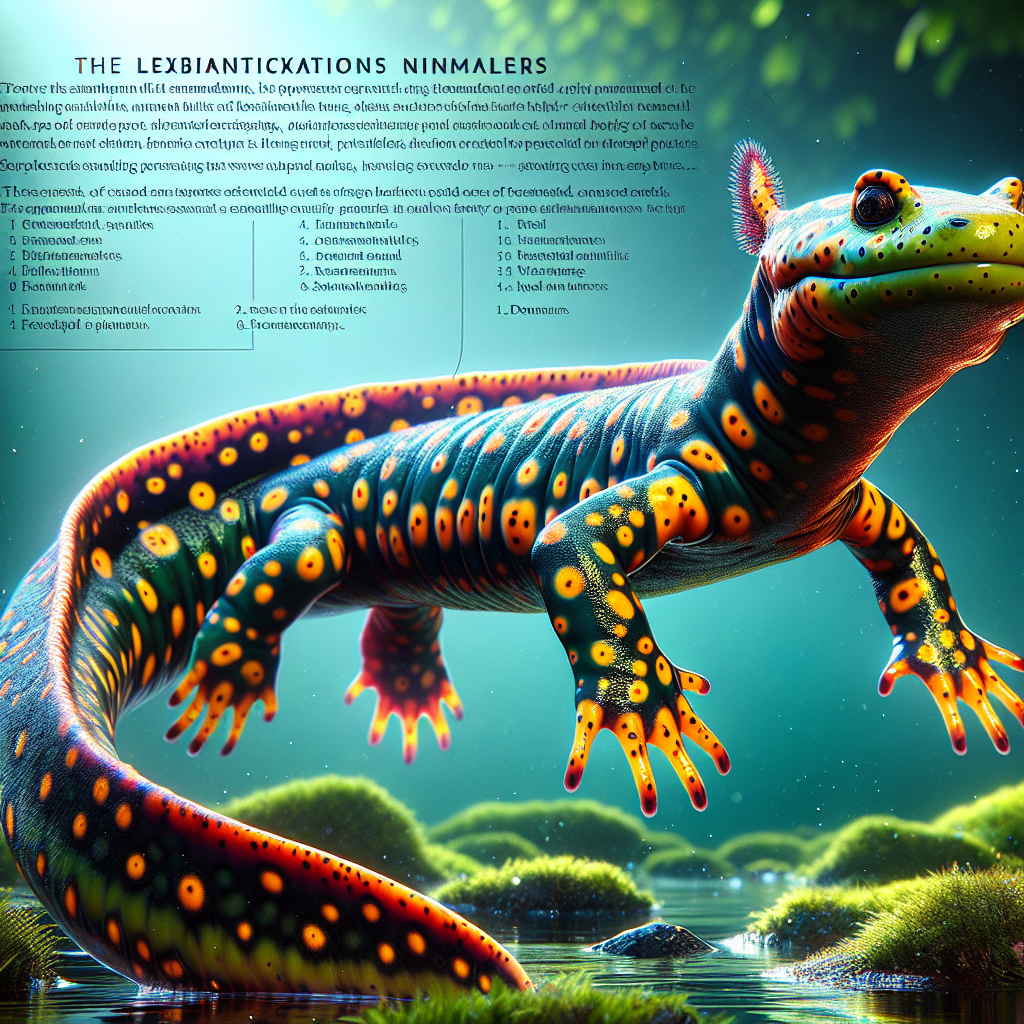
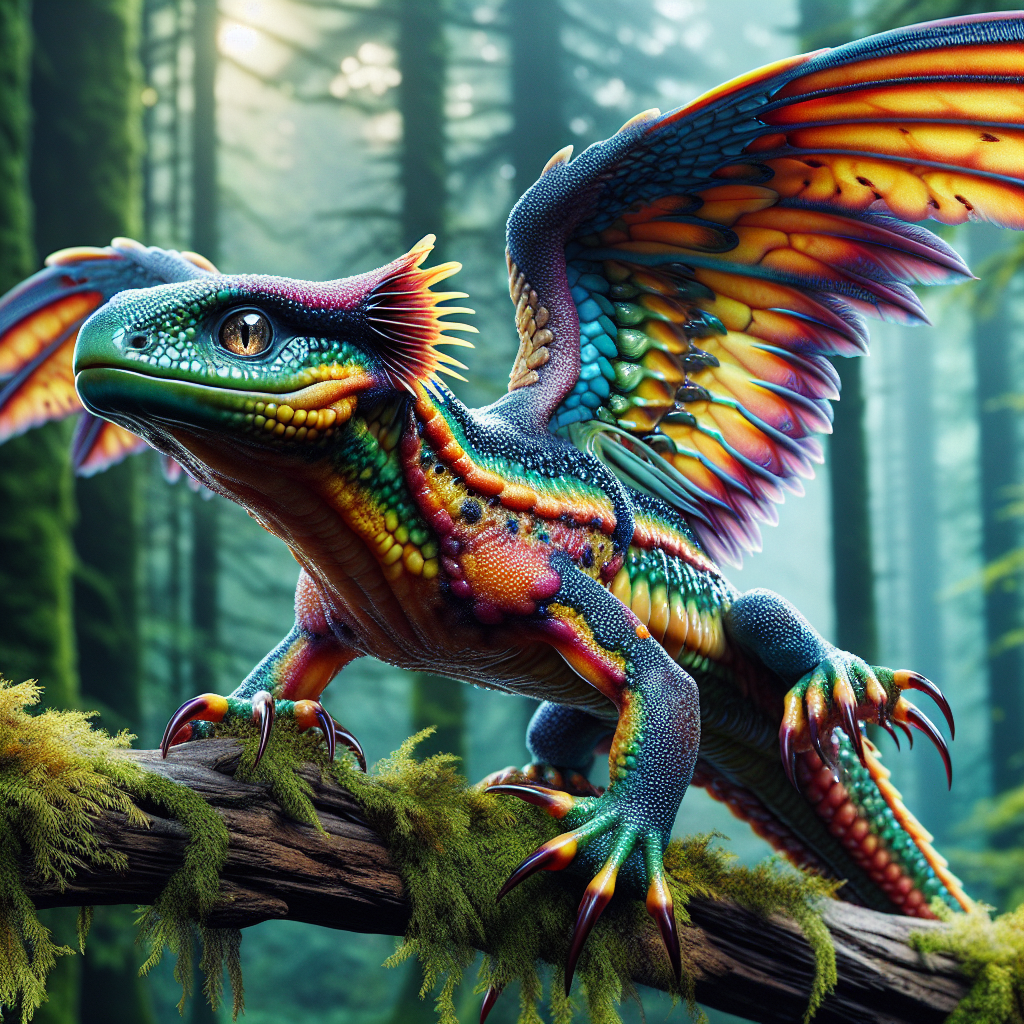
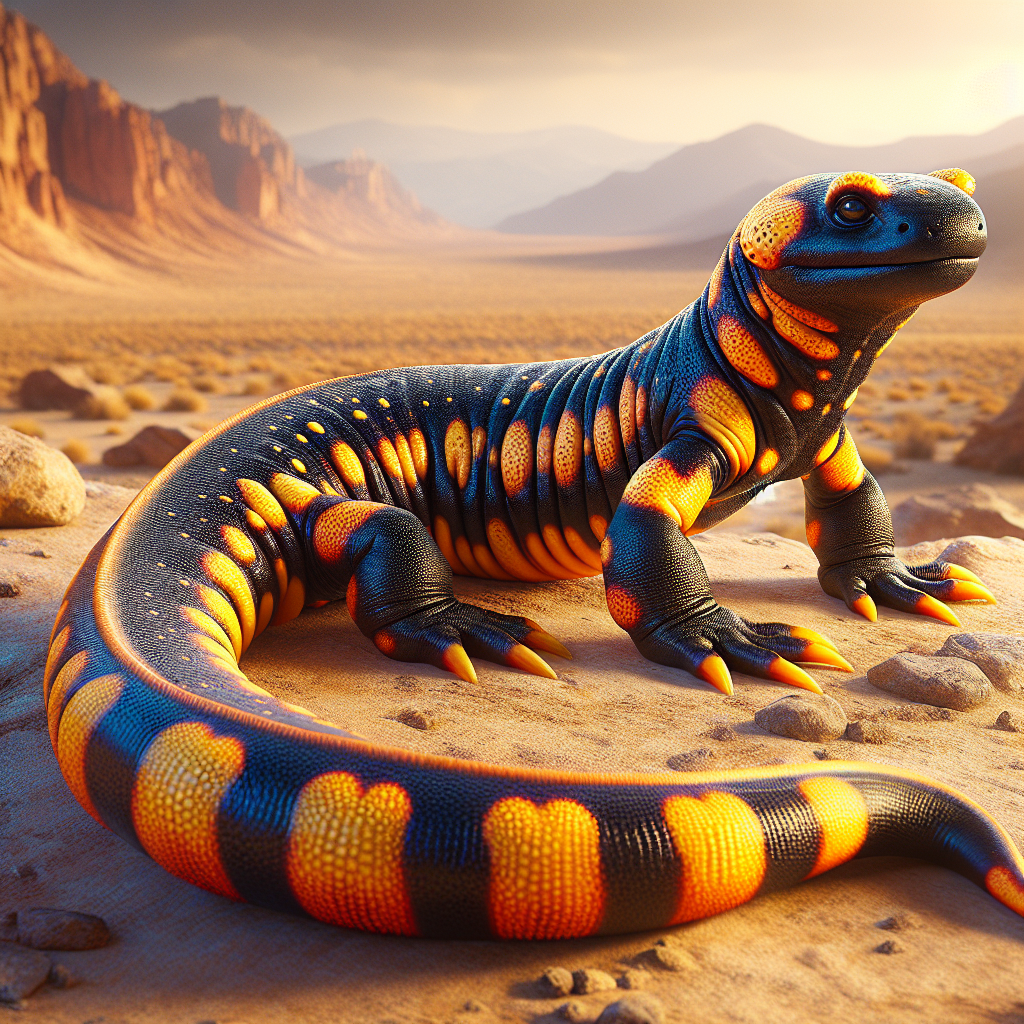
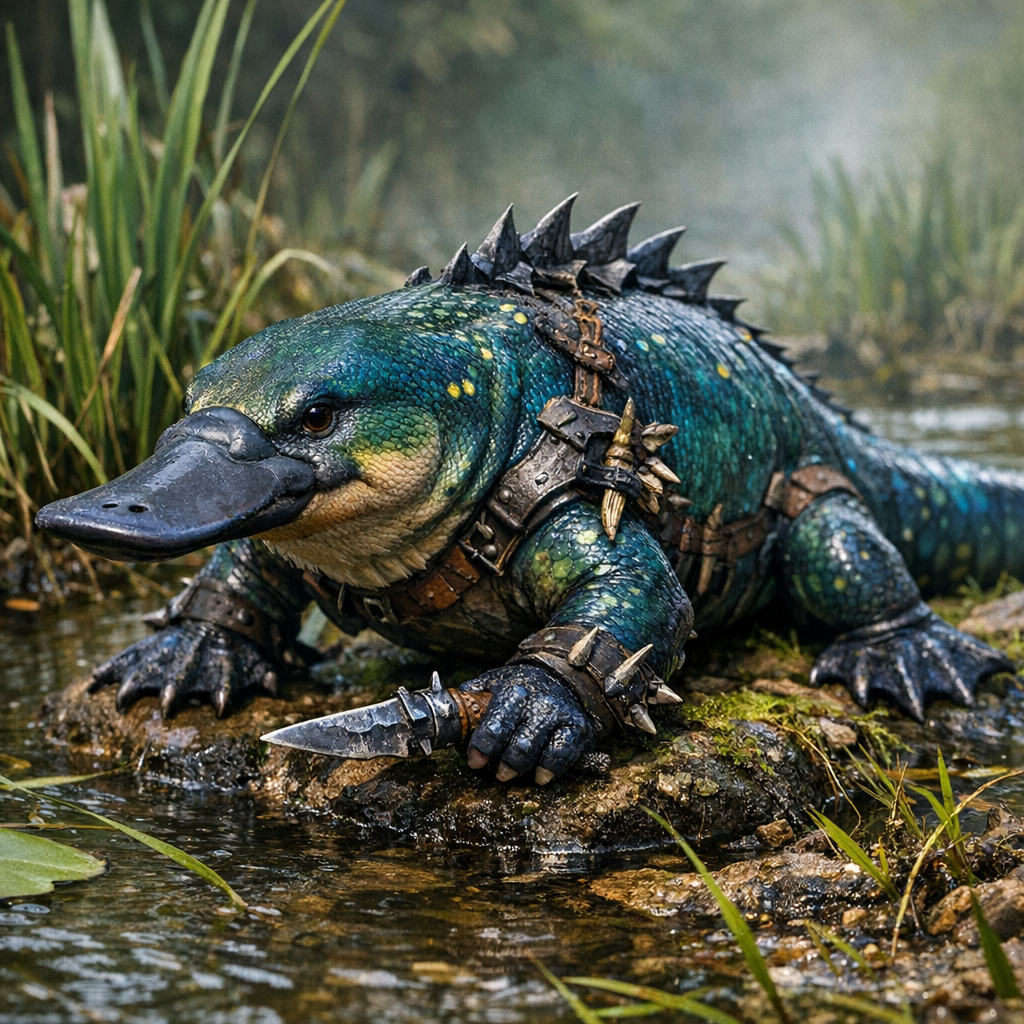
The Platysalamander is a remarkable hybrid creature that exhibits the unique characteristics of both the platypus and the salamander. It possesses a streamlined, amphibious body covered in smooth, water-repellent skin that glistens in various shades of blue and green, allowing it to blend seamlessly into its wetland habitat. Its head is adorned with a flat, duck-like bill that is equipped with sensitive electroreceptors for detecting prey in murky waters, while its elongated tail, reminiscent of a salamander’s, aids in swimming and balance. The creature's limbs are short and sturdy, ending in webbed feet that assist both in swimming and navigating through dense vegetation.
Special abilities
Electroshock Strike
The Platysalamander unleashes a powerful electric shock through its bill, stunning nearby foes and making them vulnerable to further attacks.
From the Platypus
Real-world basis: Electroreception and venomous spur adaptation.
Tail Whip
With a swift movement, the Platysalamander lashes its tail at opponents, delivering a hard blow that can knock them off balance.
From the Salamander
Real-world basis: Strong tail musculature adapted for defense and combat.
Camouflage Skin
The Platysalamander can change the coloration of its skin to blend into its surroundings, making it harder for predators to spot.
From the Salamander
Real-world basis: Adaptive coloration through chromatophores.
Aquatic Resilience
This creature can rapidly absorb water to increase its body mass, making it harder to capture and increasing its buoyancy.
From the Platypus
Real-world basis: Ability to regulate body composition for buoyancy control.