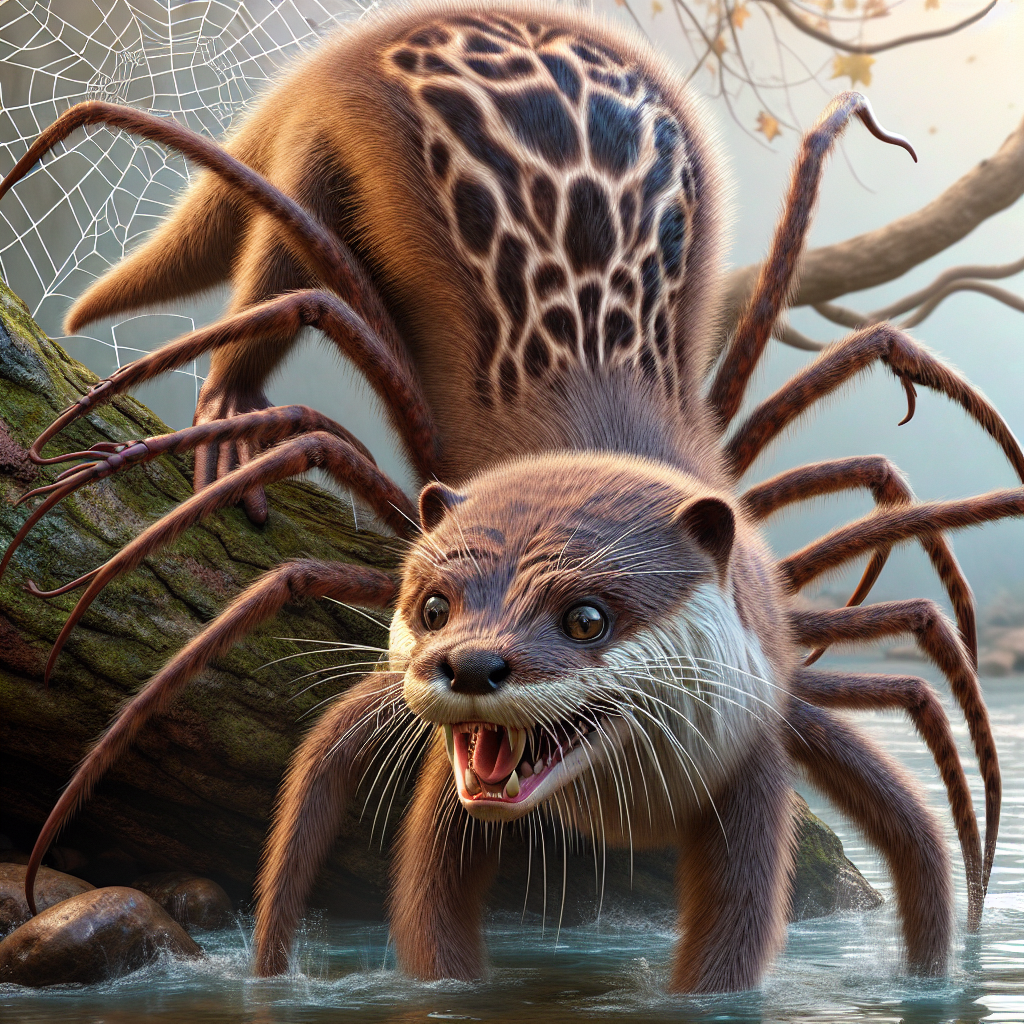
Turtlspider
- Habitat
- Turtlspiders thrive in humid, forested wetlands where they can easily access both land and water. They build intricate webs among the trees and often hide in leafy undergrowth or near water bodies, offering both camouflage and a rich source of food.
- Diet
- Turtlspiders are omnivorous, primarily feeding on insects, small crustaceans, and plant matter. They use their webs to trap prey and can also scavenge for fallen fruit or other organic material in their environment.
The story of Turtlspider
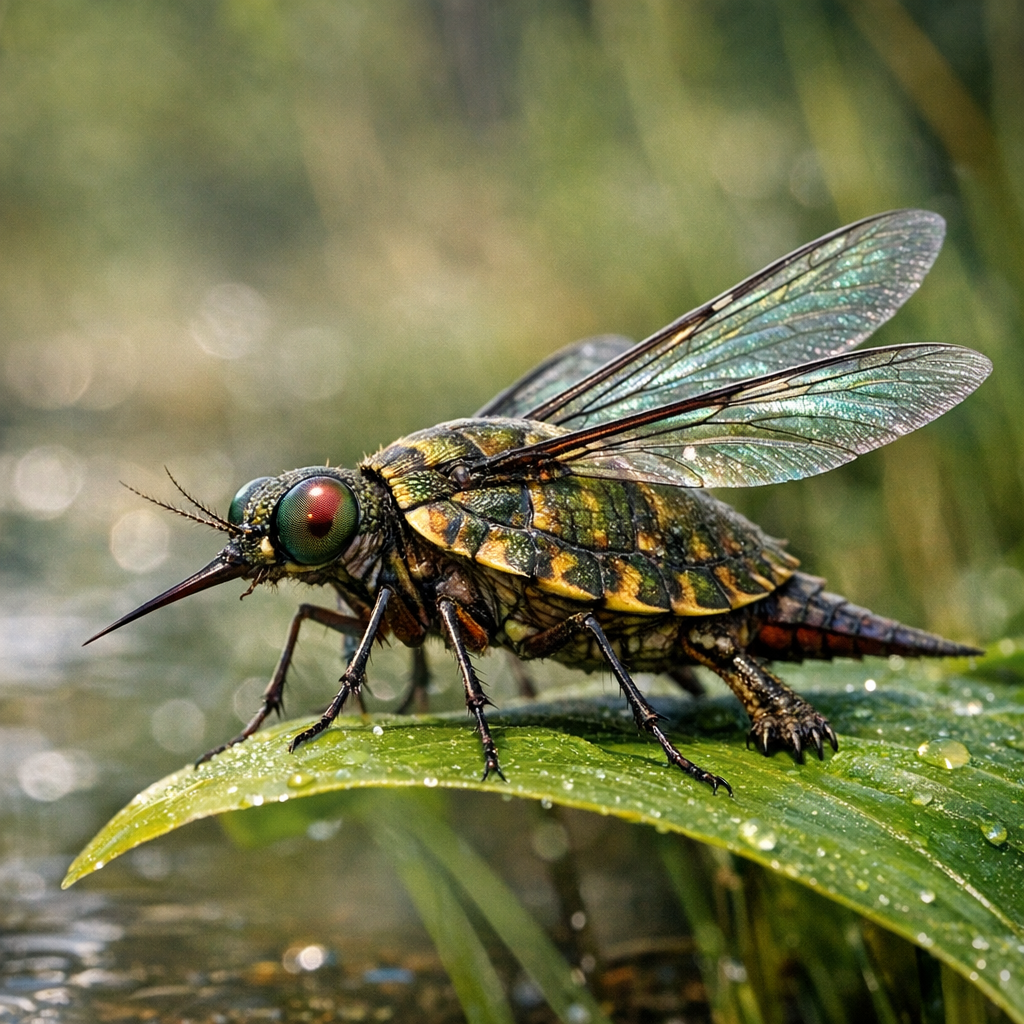
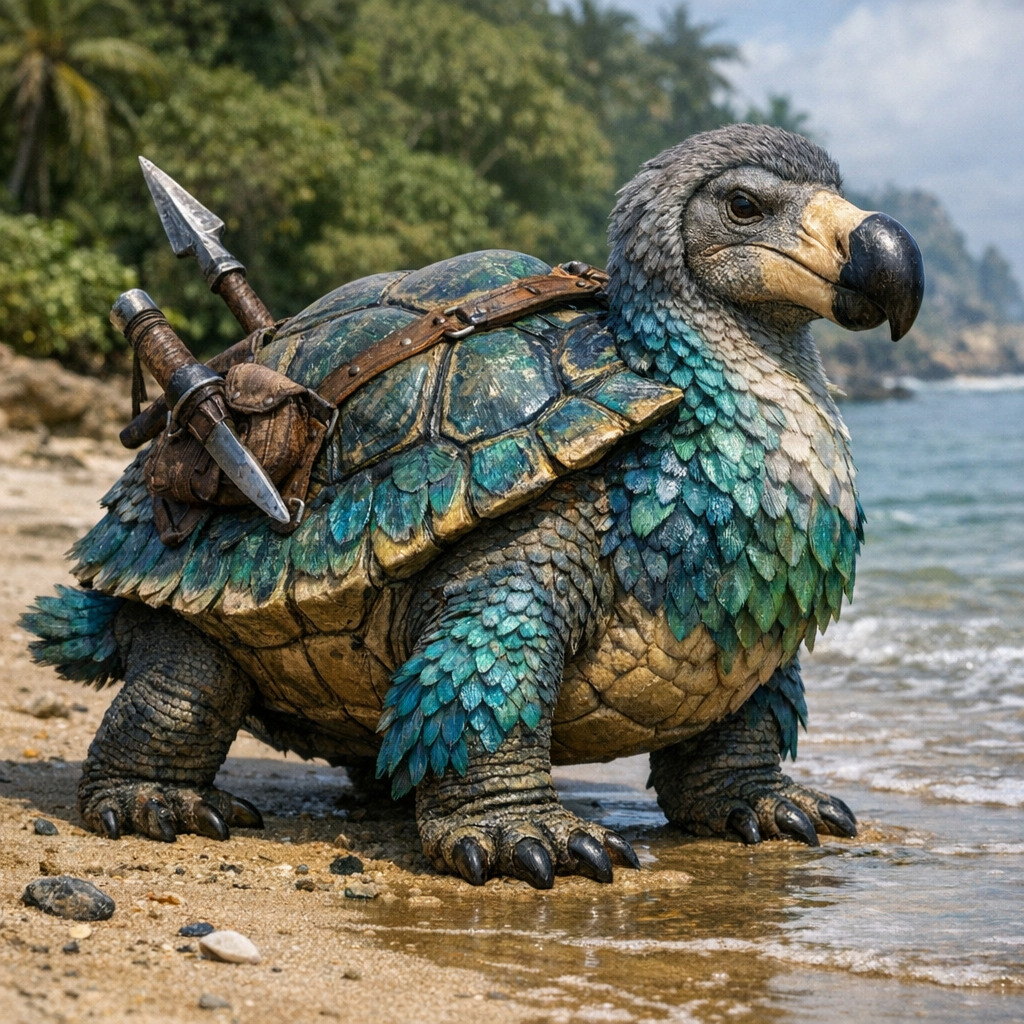
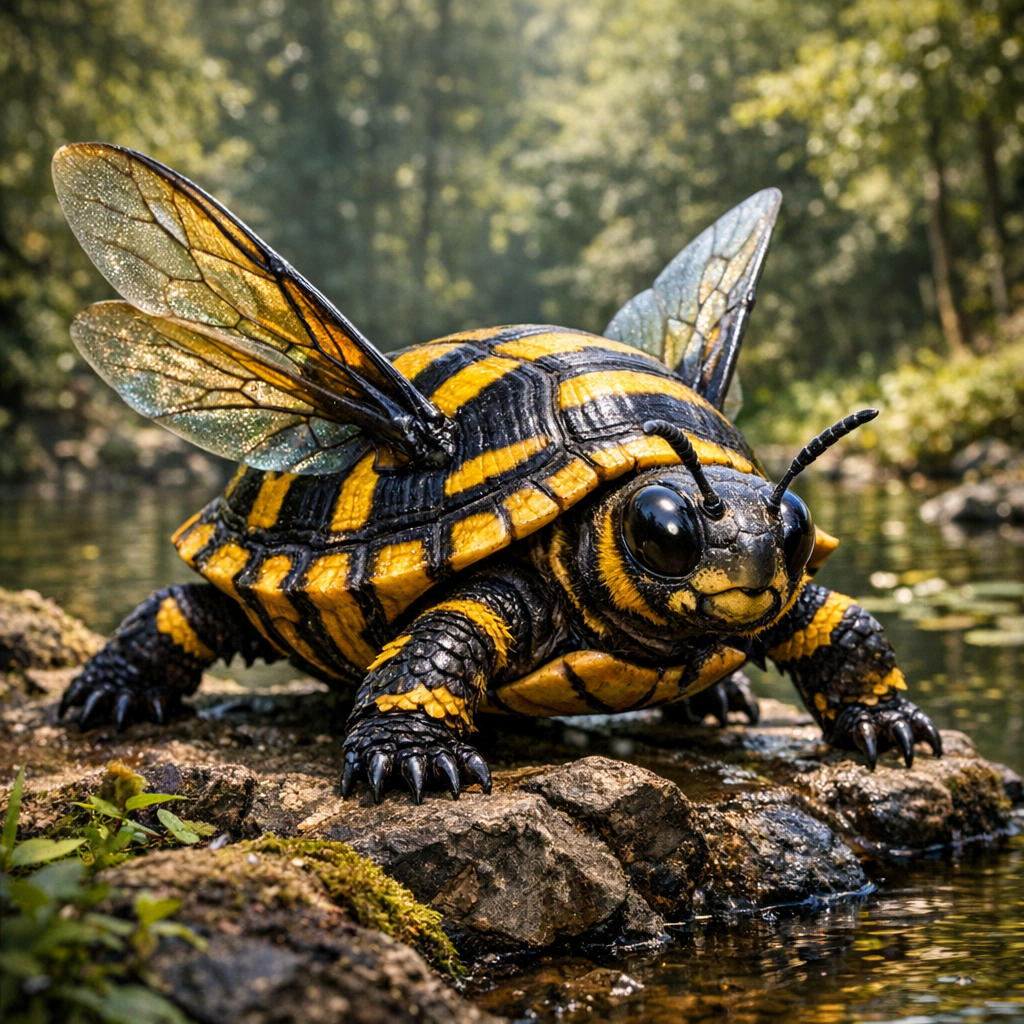
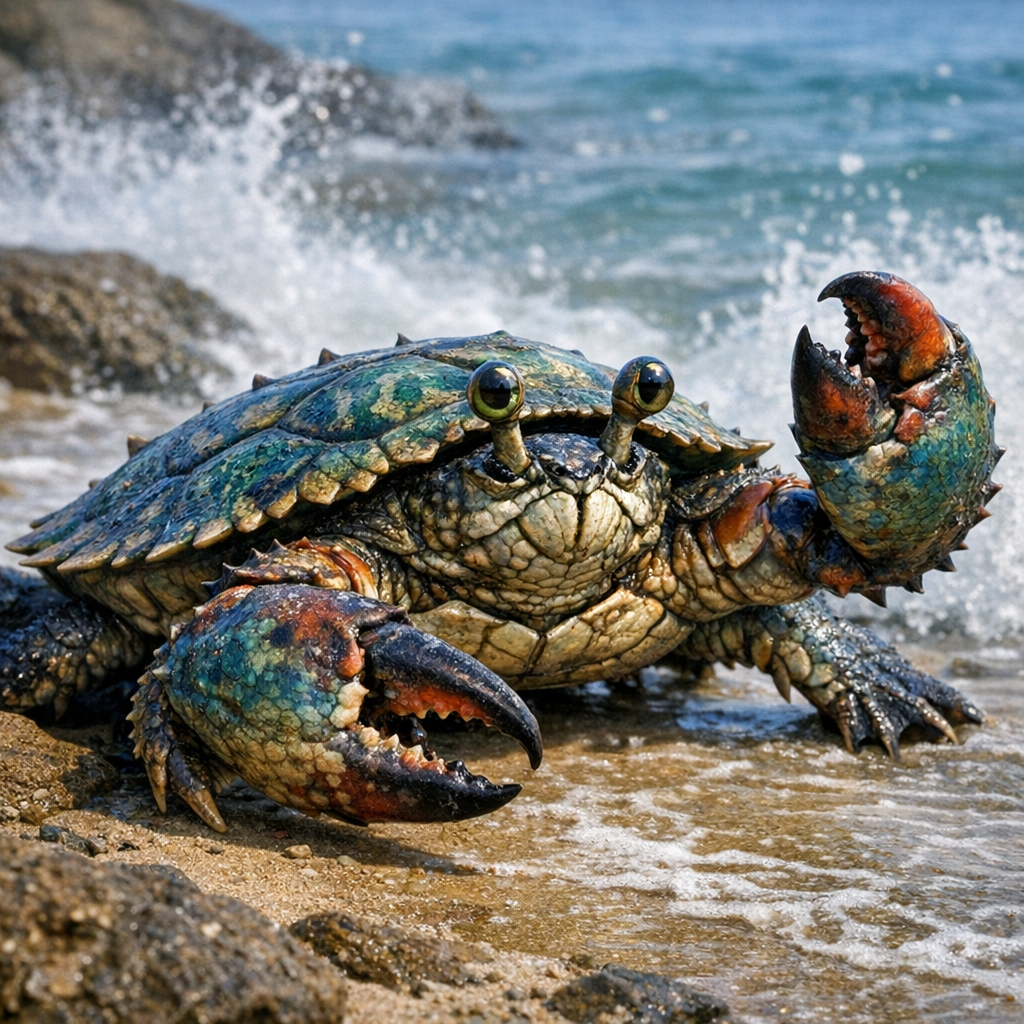
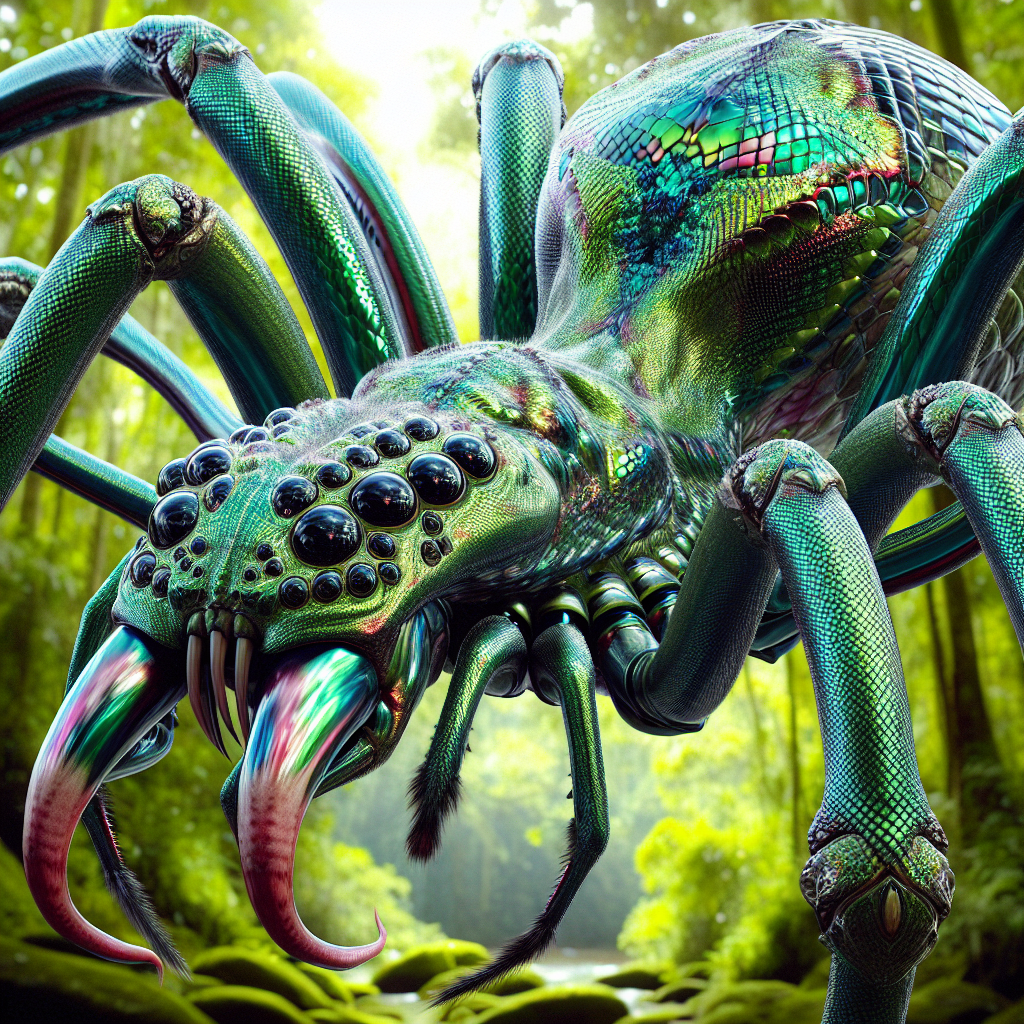
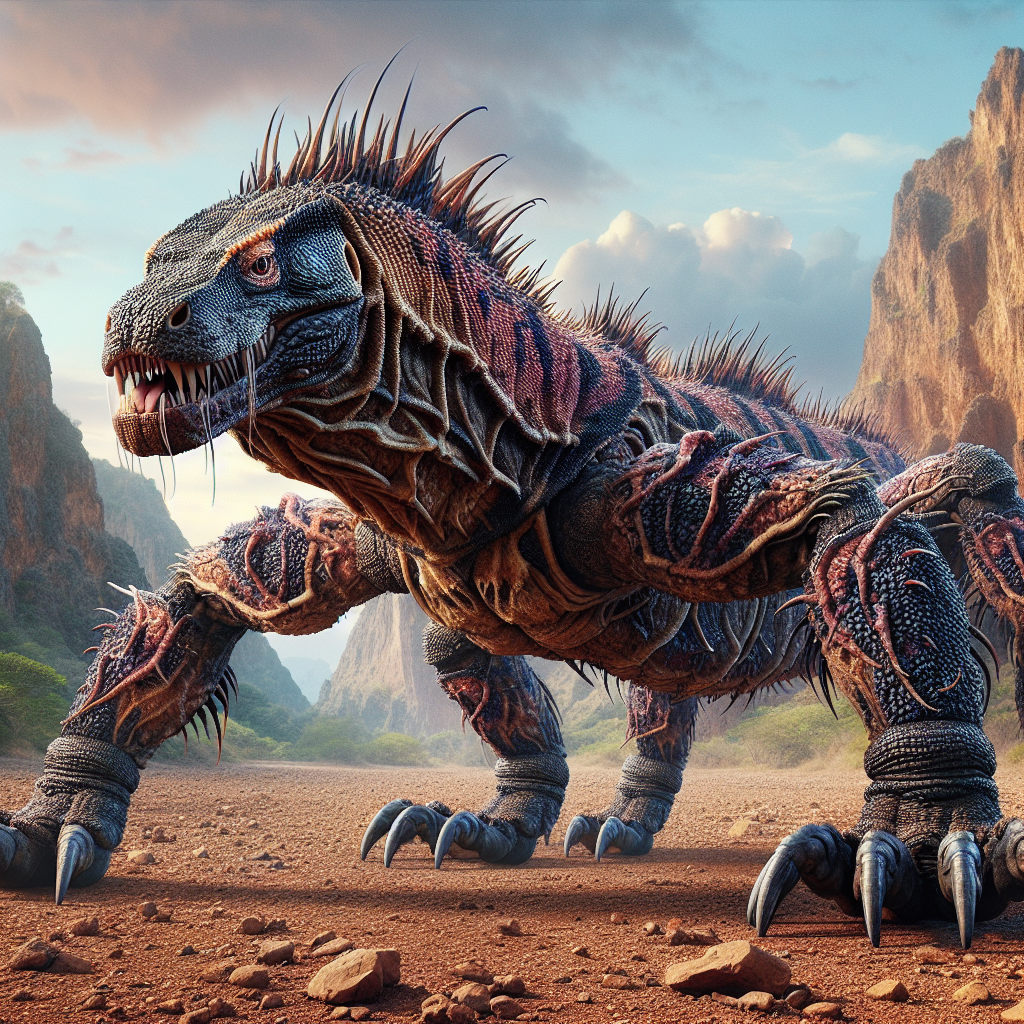
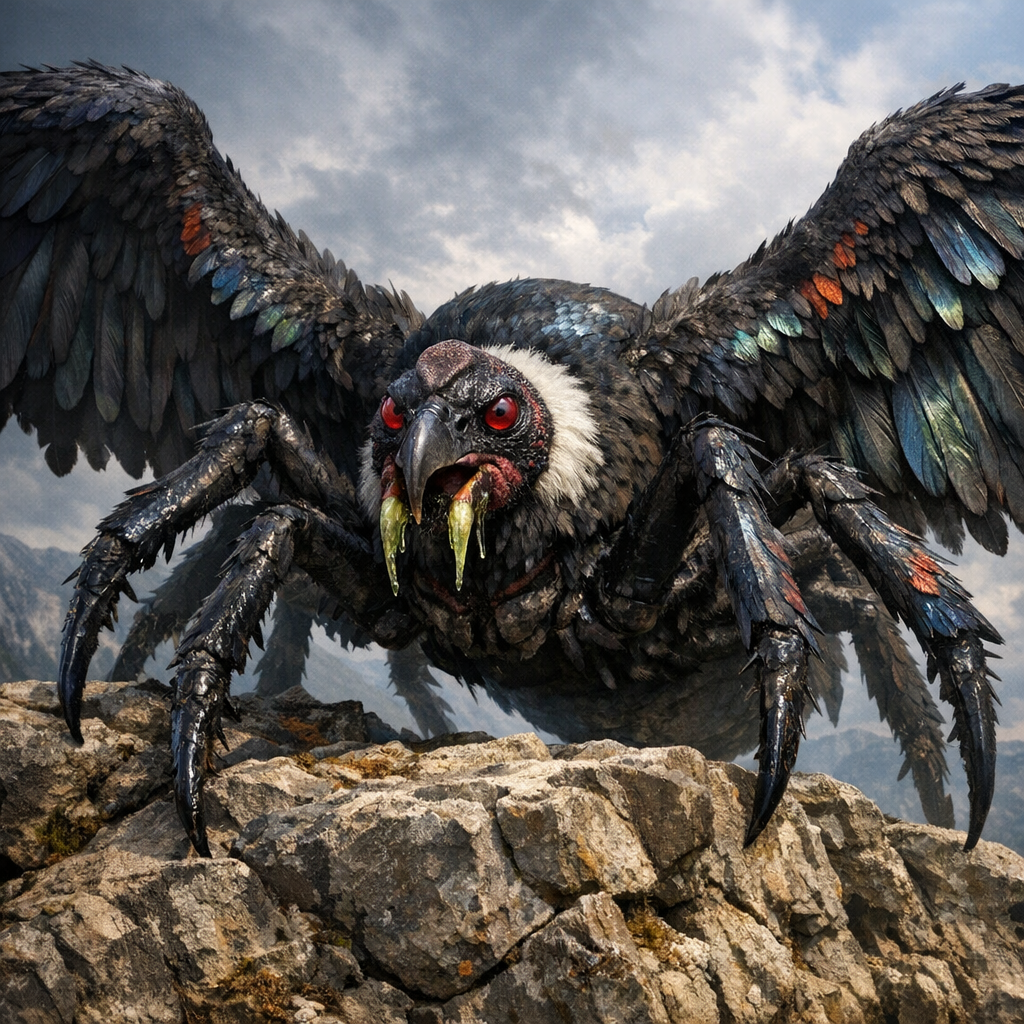
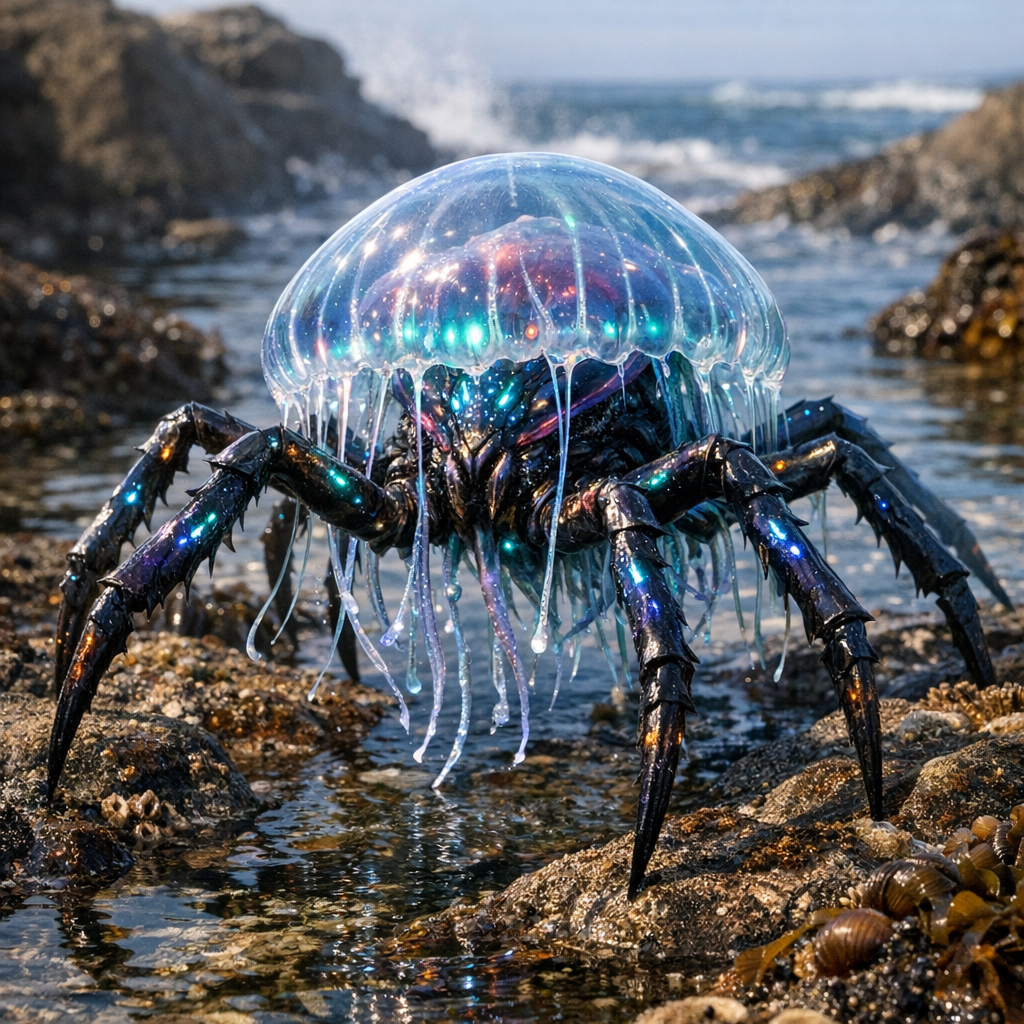
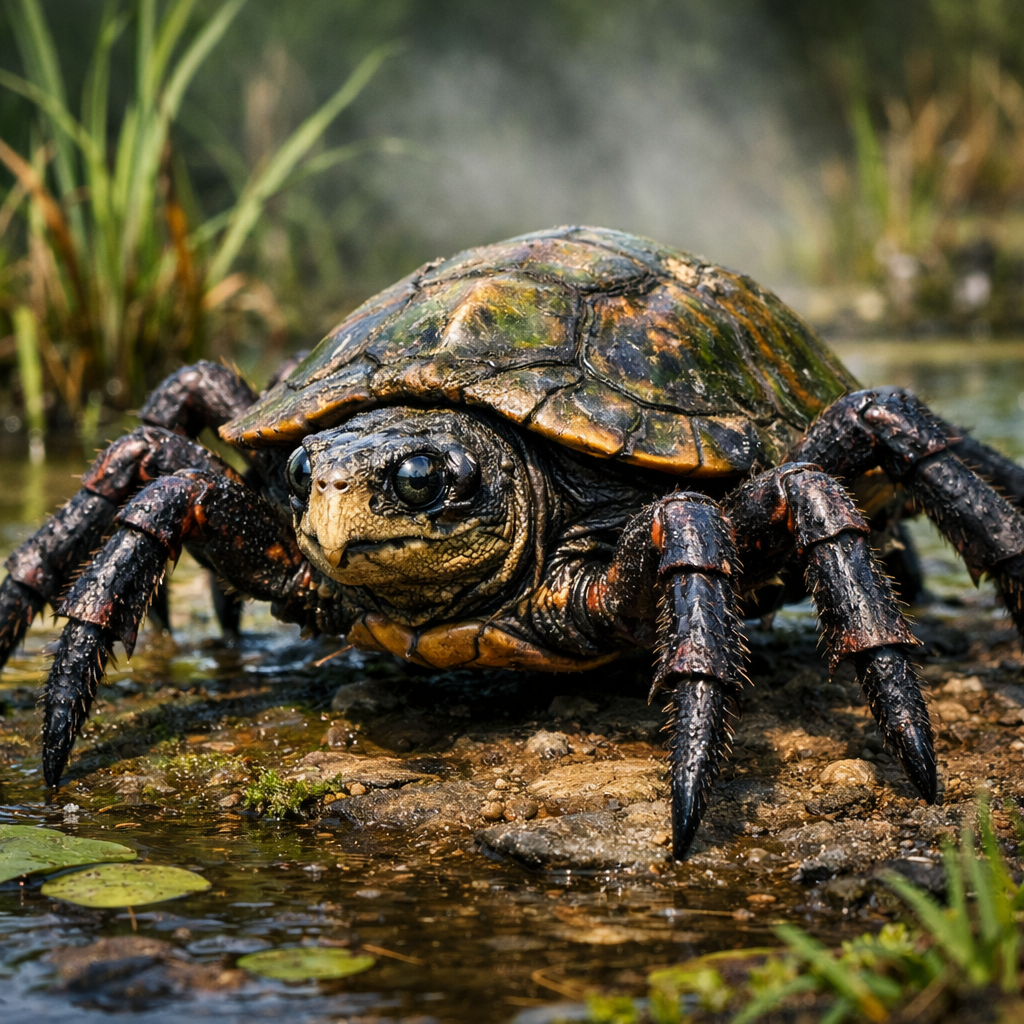
The Turtlspider is a unique hybrid creature, featuring the robust shell of a turtle combined with the eight articulated legs of a spider. Its body is covered in a tough, leathery skin that allows for flexibility and protection. The creature's head resembles that of a turtle, complete with a beak-like mouth, while its eyes are large and multifaceted, similar to those of a spider, providing excellent vision. The Turtlspider can retract its legs and head into its shell for defense, offering a formidable barrier against predators.
Special abilities
Venomous Bite
The Turtlspider delivers a potent venom through its sharp beak, incapacitating its prey with a painful bite that can lead to paralysis.
From the Spider
Real-world basis: The venom contains neurotoxins that disrupt nerve signals, causing temporary paralysis in smaller creatures.
Shell Slam
The Turtlspider can use its heavy shell to perform a powerful body slam, crushing its adversaries beneath its weight.
From the Turtle
Real-world basis: The shell's structure is reinforced with keratin, allowing for significant force to be exerted when the creature slams into its target.
Web Shield
The Turtlspider can create a dense web barrier to protect itself from incoming attacks, absorbing damage and slowing down aggressors.
From the Spider
Real-world basis: The silk produced is highly resilient, acting as a physical barrier against projectiles and melee attacks.
Retreat into Shell
In times of danger, the Turtlspider can retract its limbs and head into its shell, providing a hard protective cover against attacks.
From the Turtle
Real-world basis: The shell is composed of a tough bony structure, offering significant defense against physical damage.