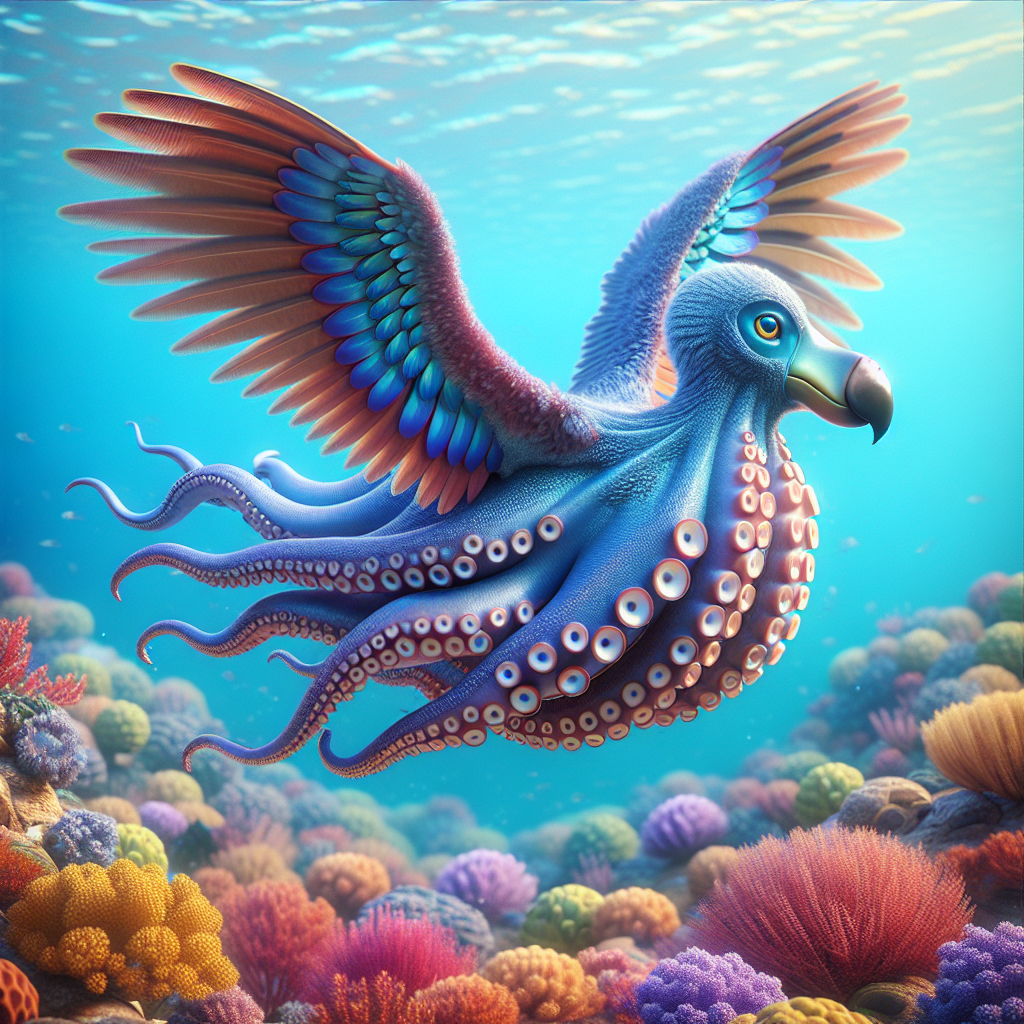
Dodoctopus
A hybrid of blue ring octopus + Dodo
- Habitat
- The Dodoctopus thrives in coastal mangroves and shallow coral reefs, where it can find both terrestrial and aquatic environments to explore. It prefers warm, temperate waters and often nests among the roots of mangrove trees, using its camouflage to blend in with the surroundings.
- Diet
- The Dodoctopus is an omnivorous forager, feeding on small crustaceans, mollusks, and plant matter. Its agile tentacles allow it to hunt effectively in the water, while it can also scavenge for fruits and seeds on land.
The story of Dodoctopus
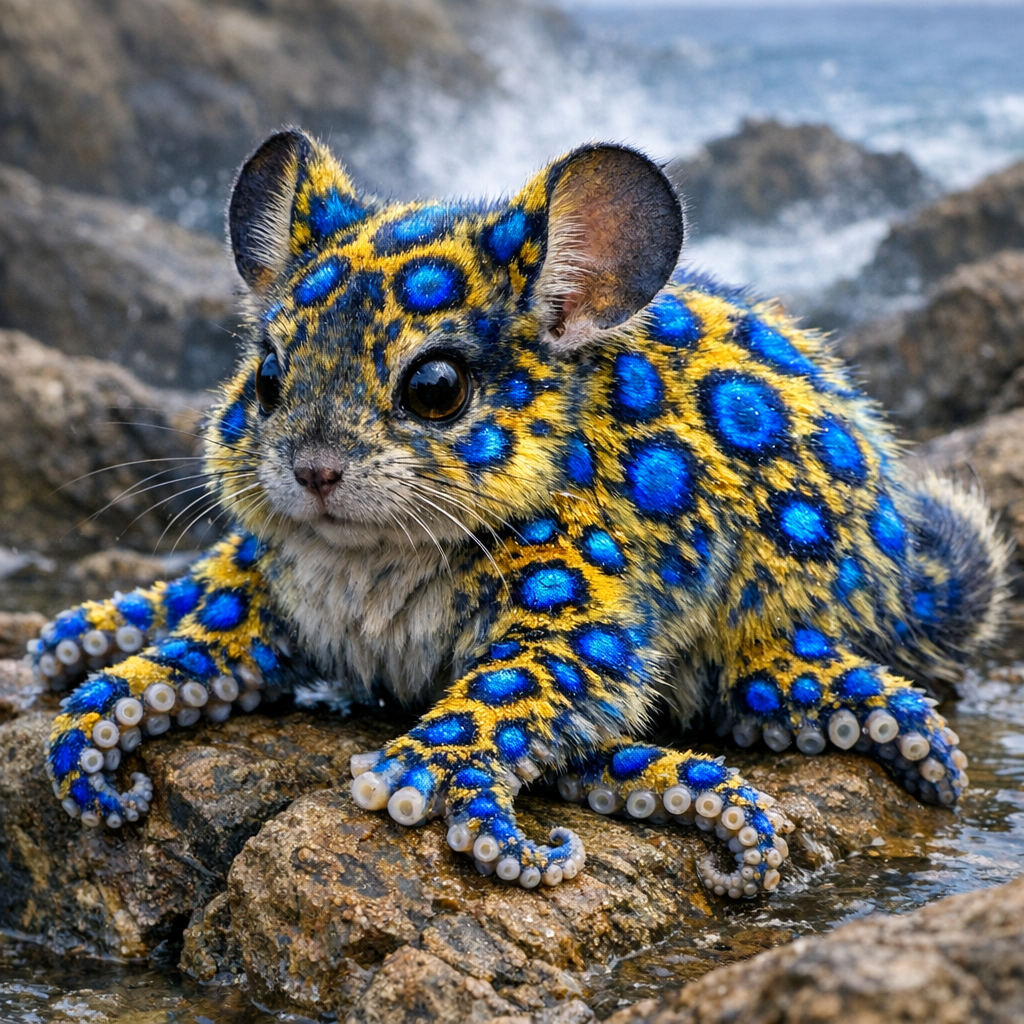
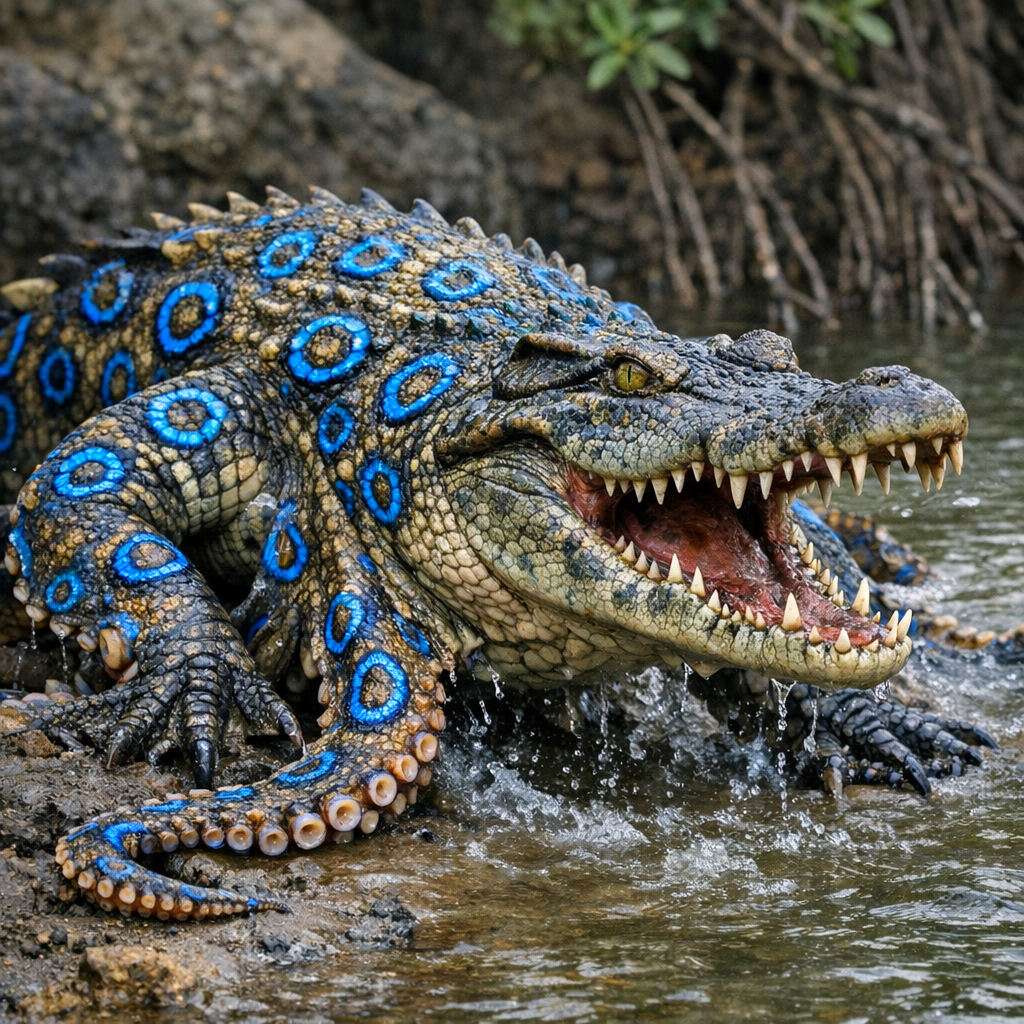
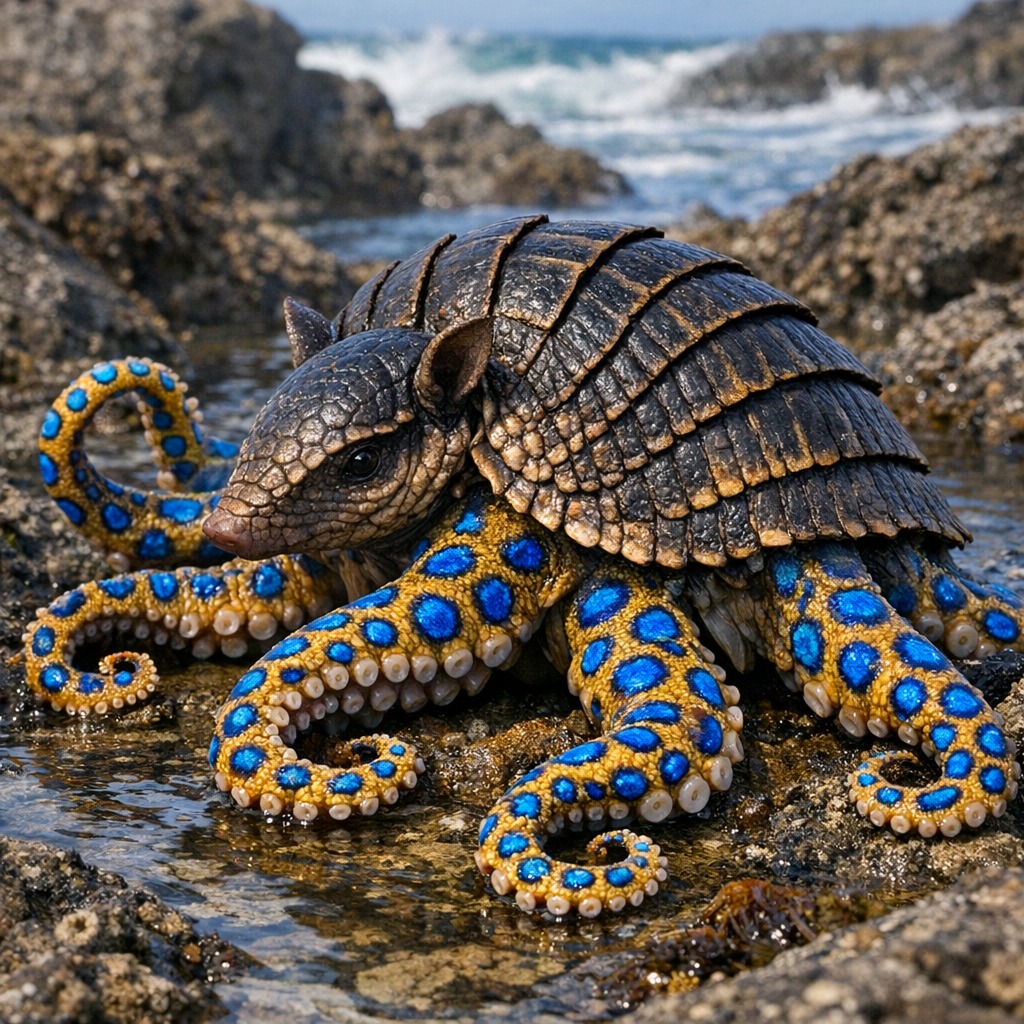
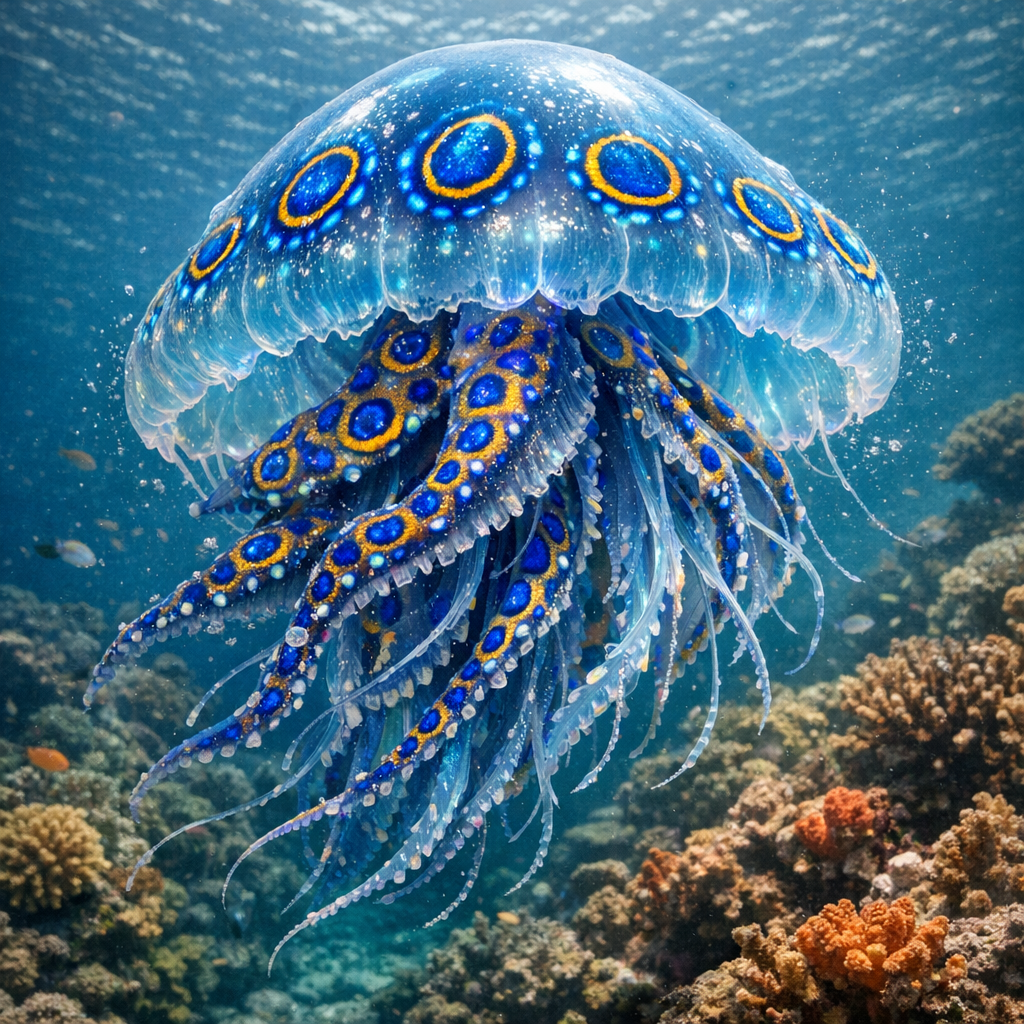
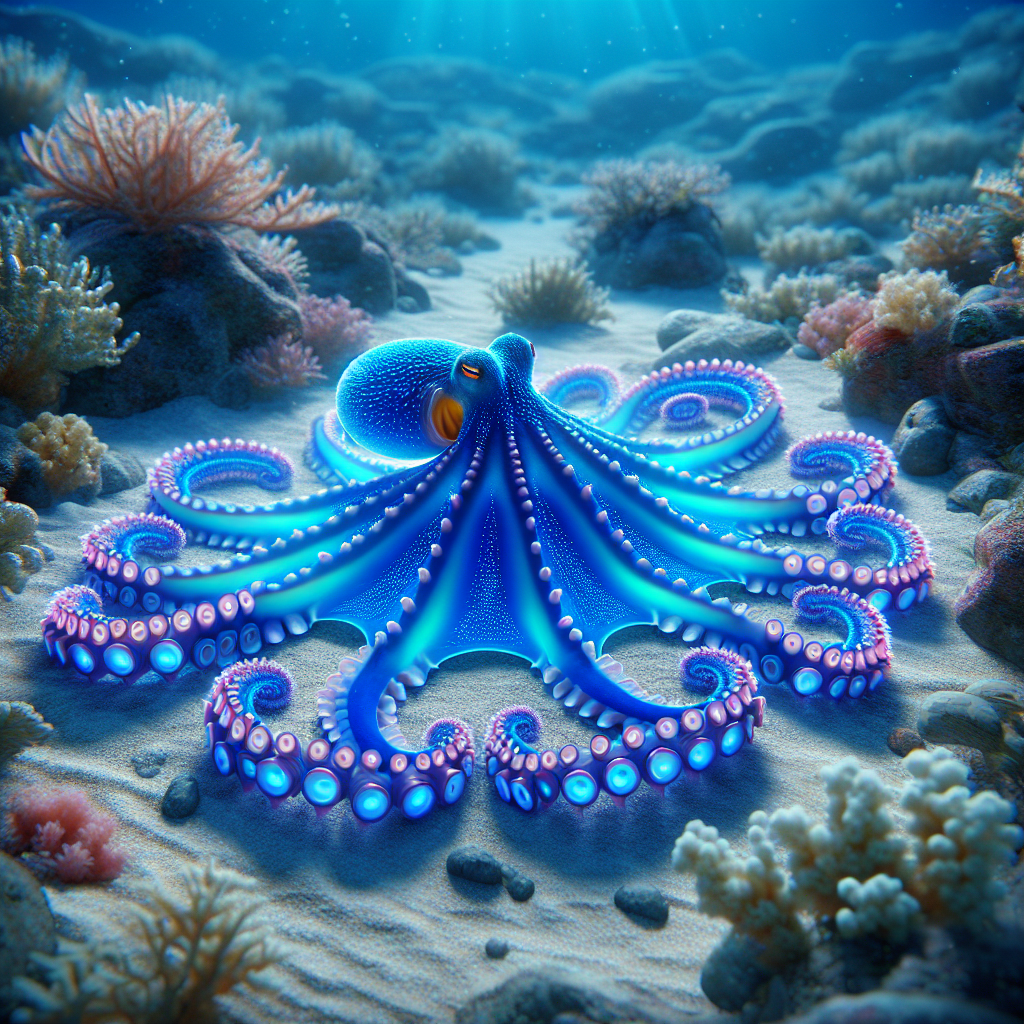
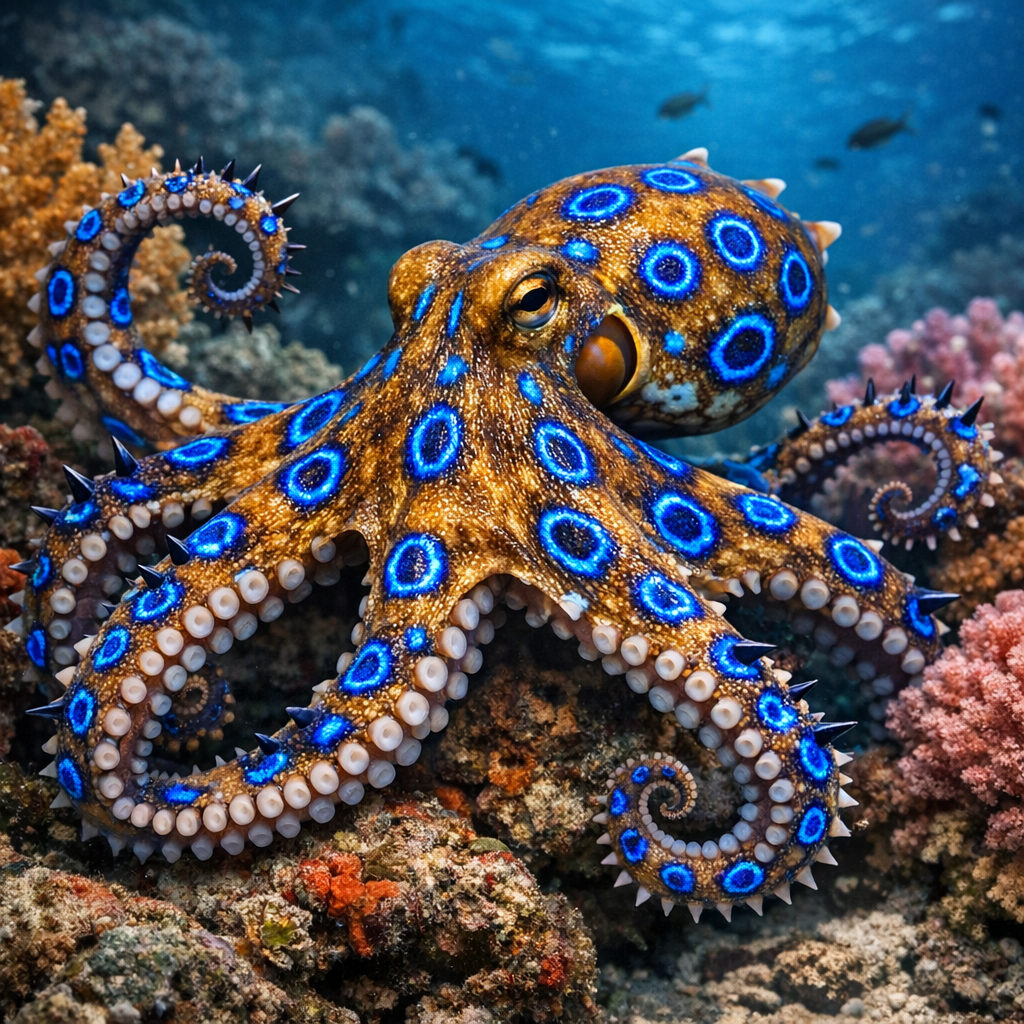
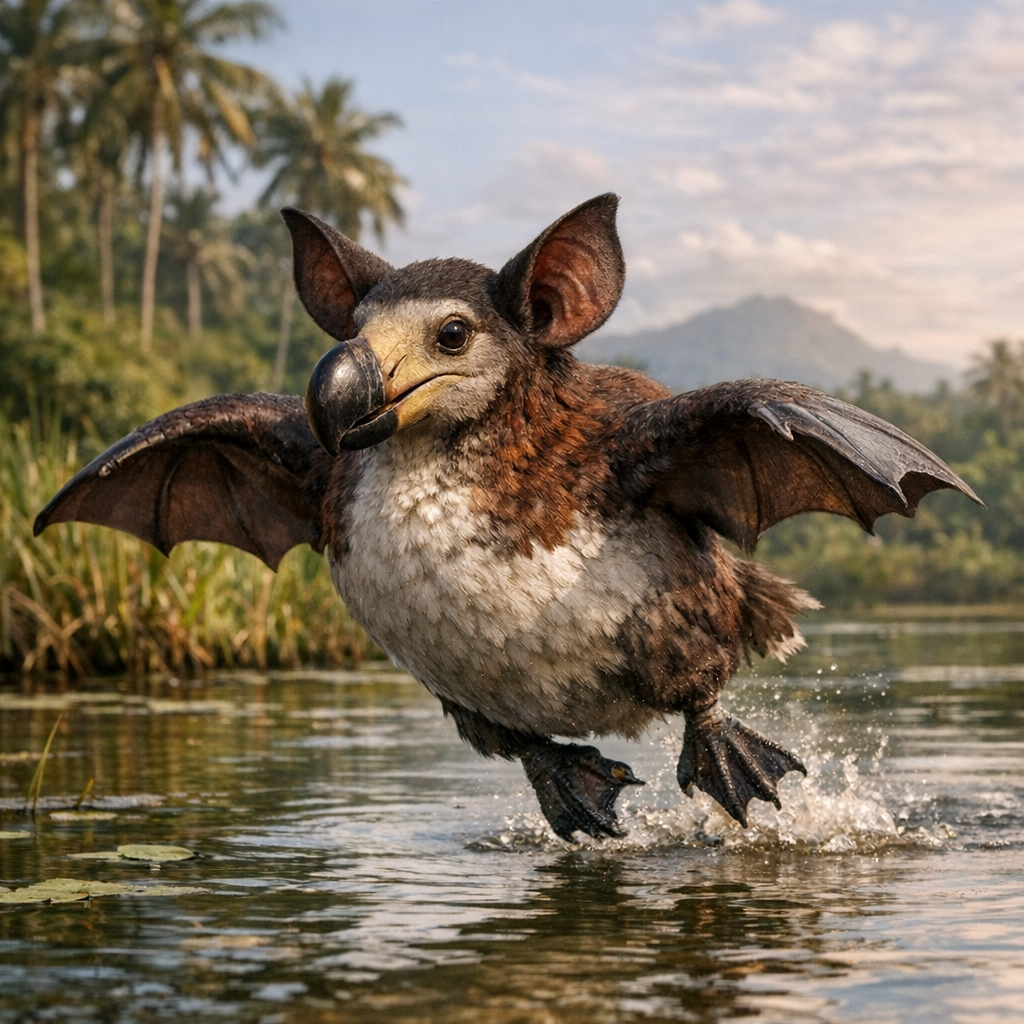
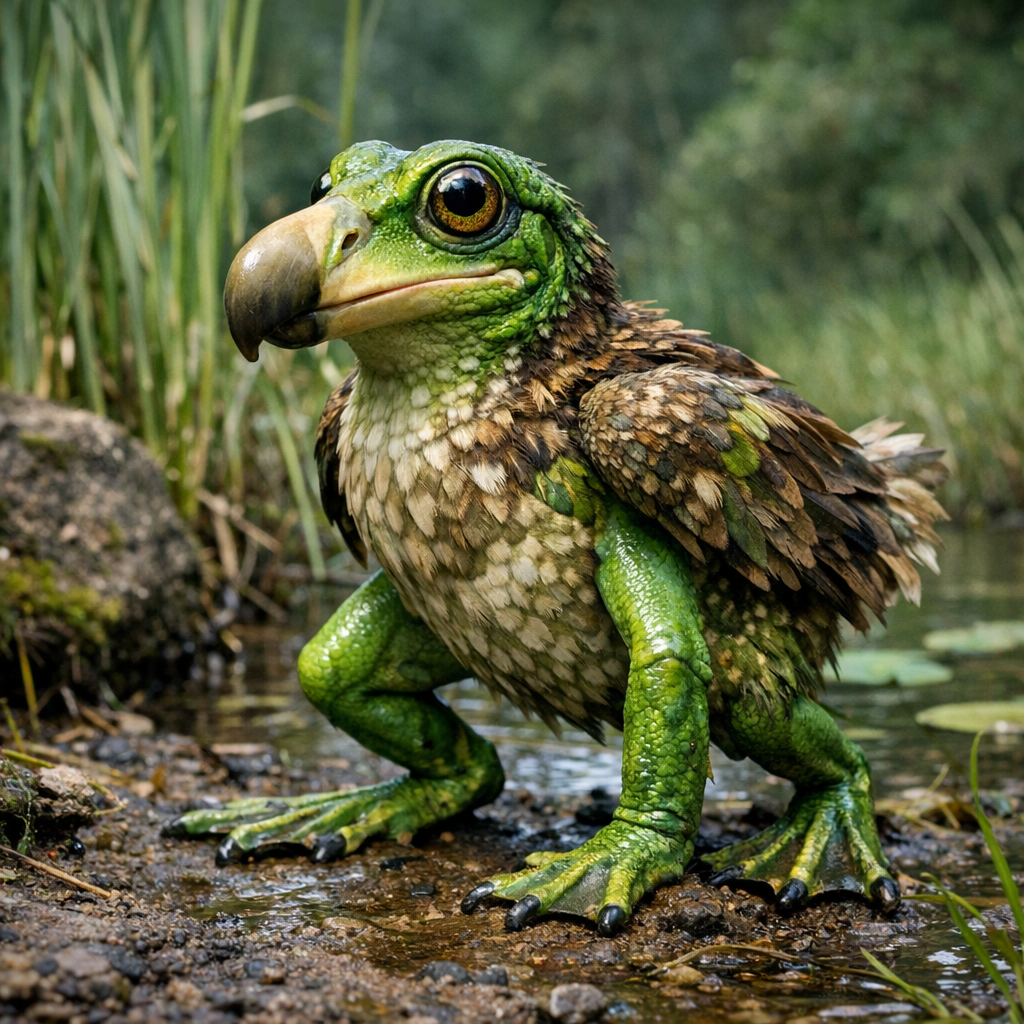
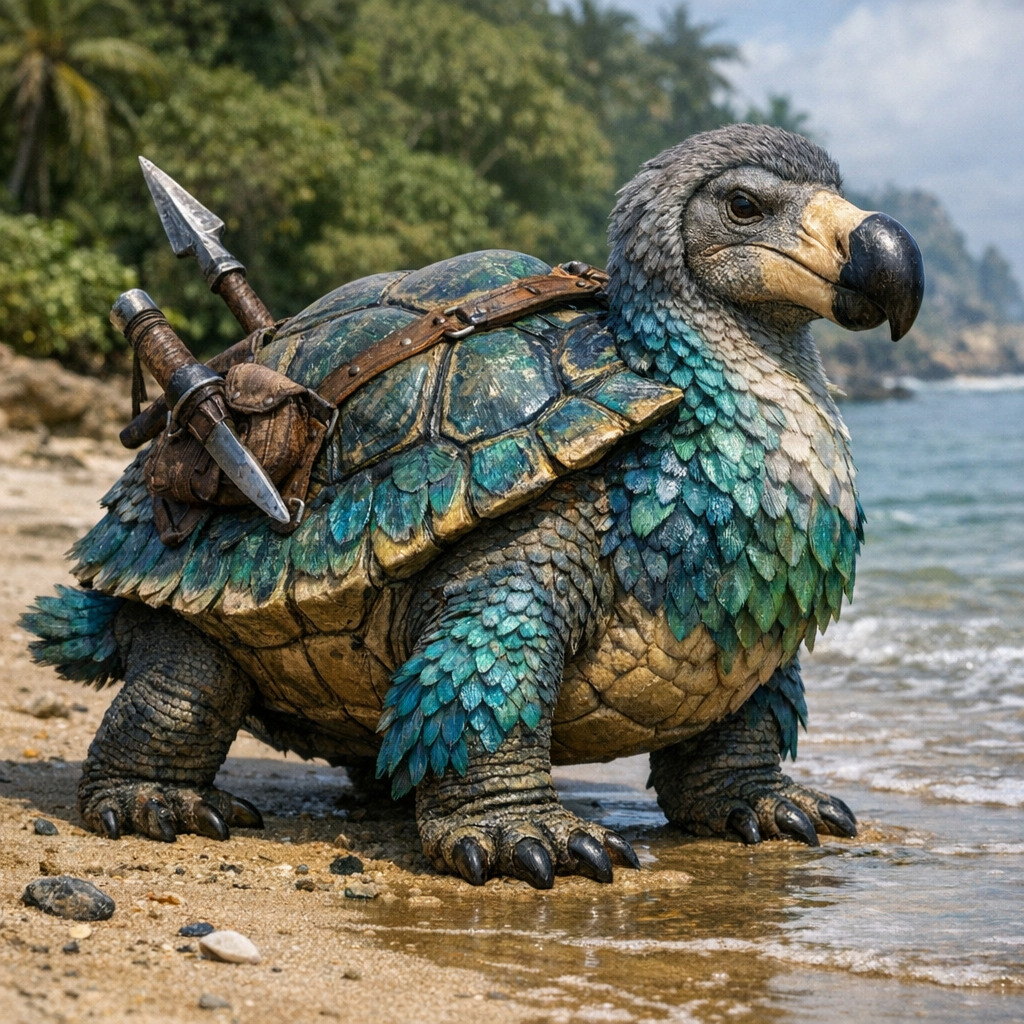
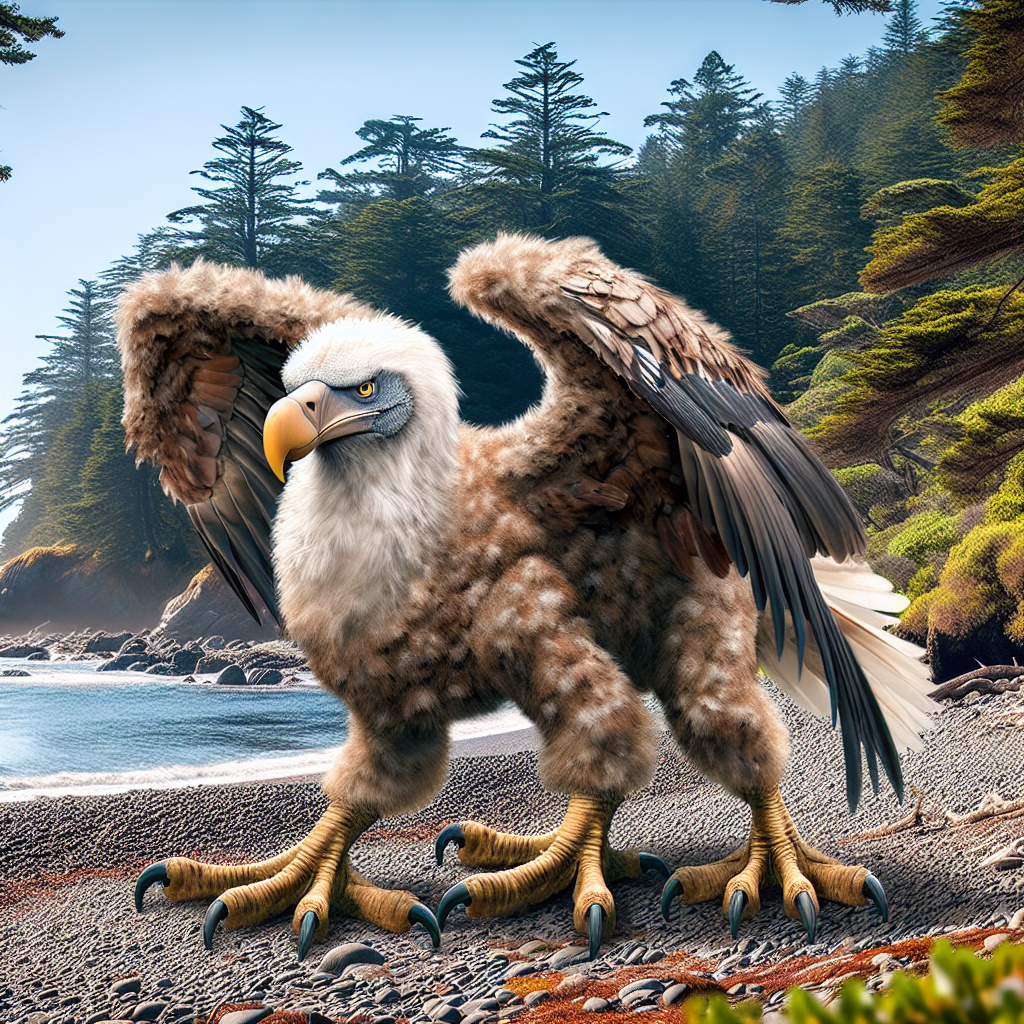
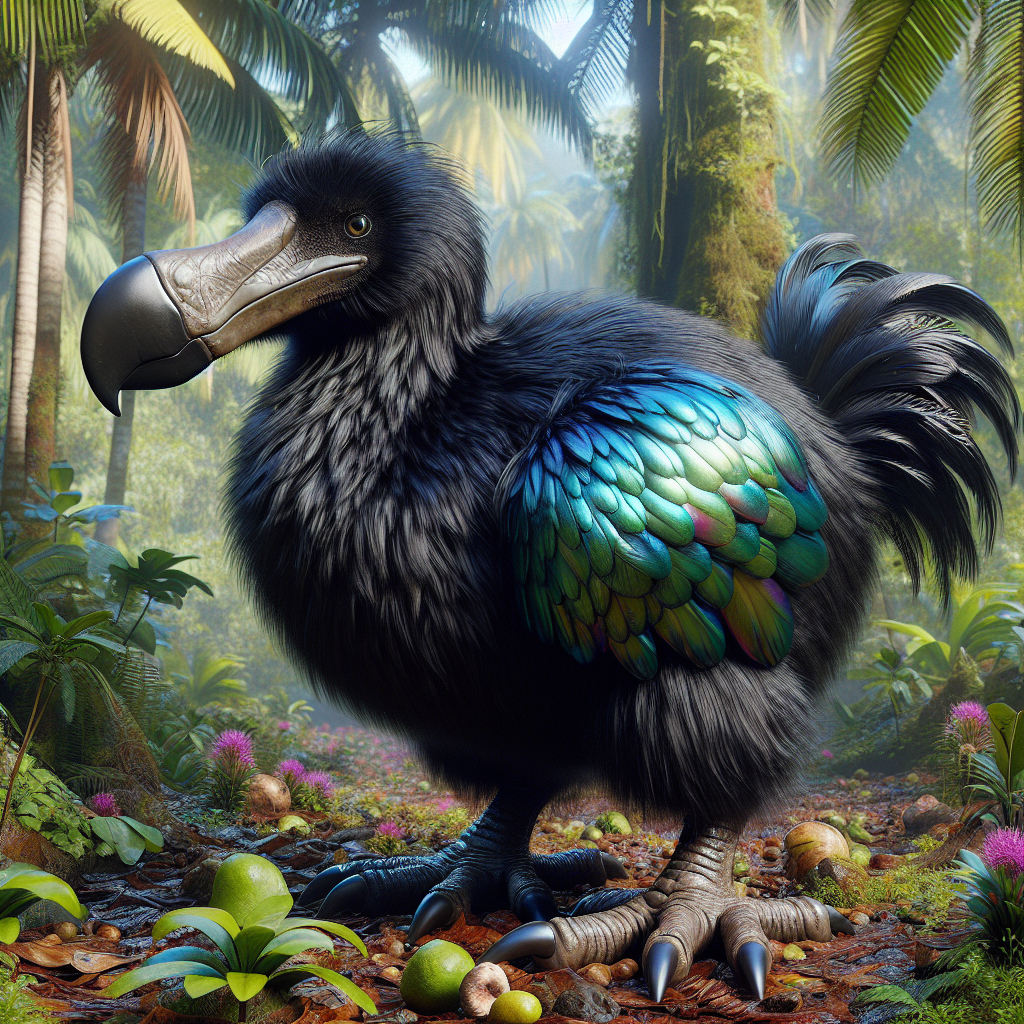
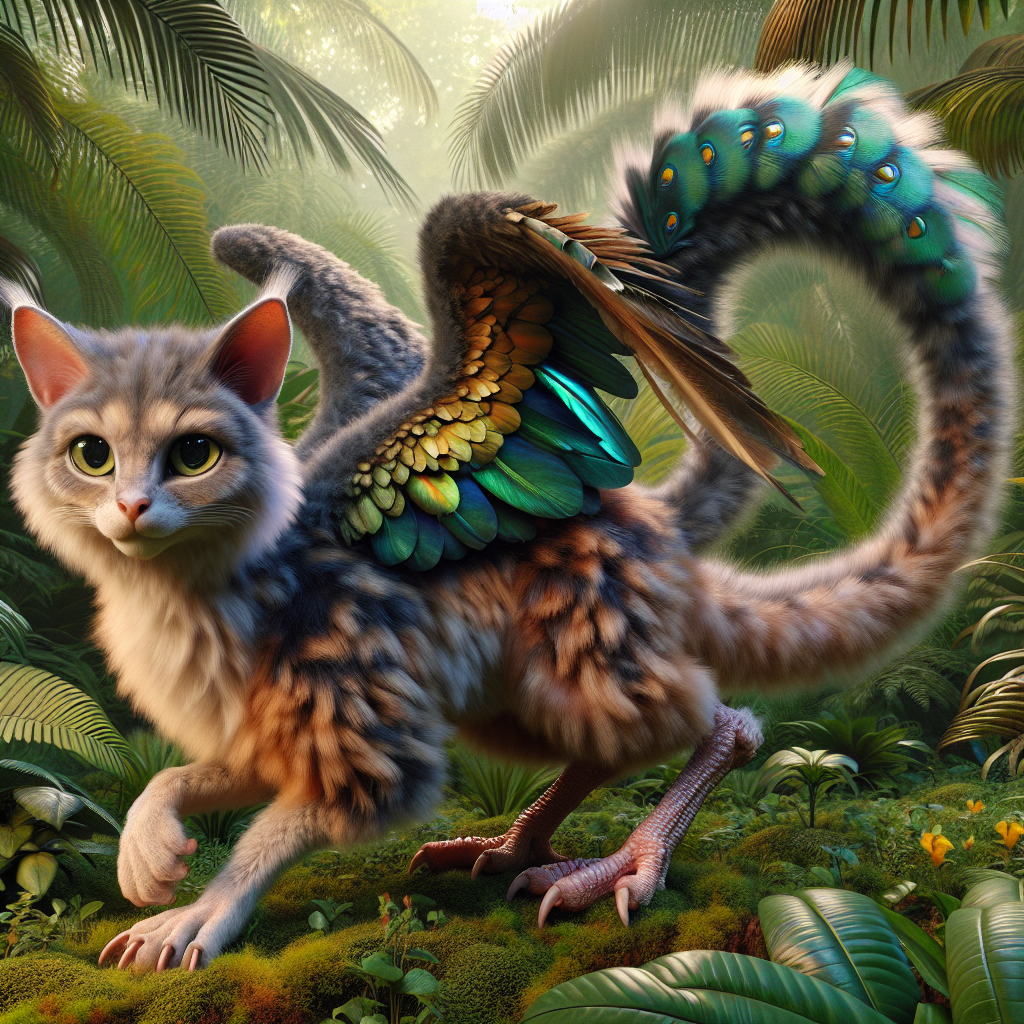
The Dodoctopus is a remarkable hybrid creature, combining the vibrant blue-ringed octopus with the extinct dodo bird. This unique being possesses a plump, feathered body resembling that of the dodo, with iridescent blue rings that shimmer across its soft, aquatic skin. Its wings, though incapable of flight, assist in gliding through water and on land, while its tentacles—eight in total—extend gracefully, each adorned with delicate suckers. The Dodoctopus has a large, rounded head with keen, expressive eyes that reflect both intelligence and curiosity, making it a fascinating subject for study in evolutionary biology.
Special abilities
Venomous Strike
The Dodoctopus delivers a potent bite infused with neurotoxic venom, incapacitating its prey instantly.
From the Blue Ring Octopus
Real-world basis: The venom contains tetrodotoxin, which disrupts nerve function in victim organisms.
Beak Bash
Utilizing its strong beak, the Dodoctopus can deliver a powerful peck that can break through shells and defenses.
From the Dodo
Real-world basis: The beak structure is adapted for cracking hard shells and is reinforced for strength.
Camouflage Cloak
The Dodoctopus can change its skin color to blend seamlessly into its surroundings, evading predators and ambushing prey.
From the Blue Ring Octopus
Real-world basis: Chromatophores in its skin allow rapid color changes for effective camouflage.
Feather Shield
When threatened, the Dodoctopus can puff up its body and extend its feathers, creating an imposing appearance to deter attackers.
From the Dodo
Real-world basis: The dense feather structure provides both insulation and a visual deterrent to predators.