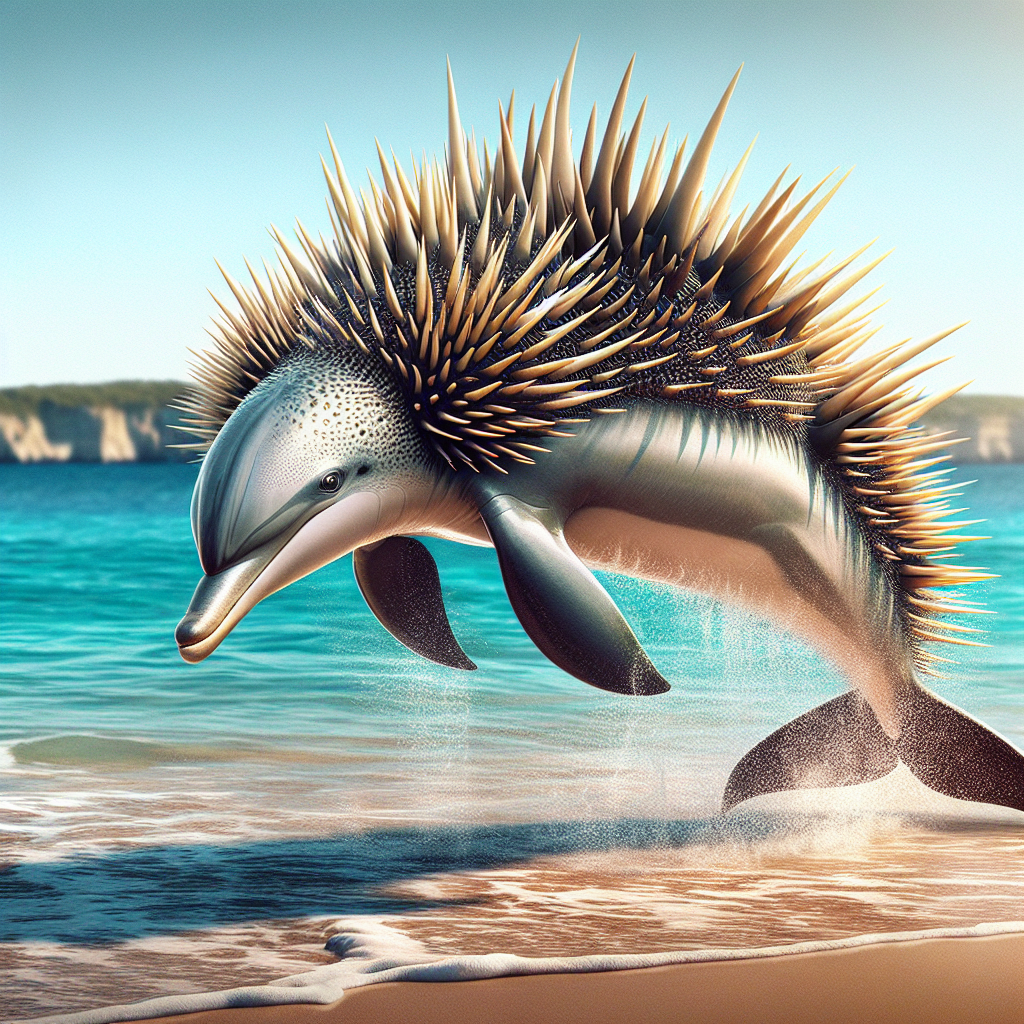
Dolphinaechidna
- Habitat
- Coastal regions and shallow waters of temperate oceans, particularly areas with sandy seabeds and rocky outcrops, as well as nearby forests where it can burrow and rest.
- Diet
- Carnivorous, primarily feeding on small fish, crustaceans, and marine invertebrates, but also foraging for insects and small worms when on land.
The story of Dolphinaechidna
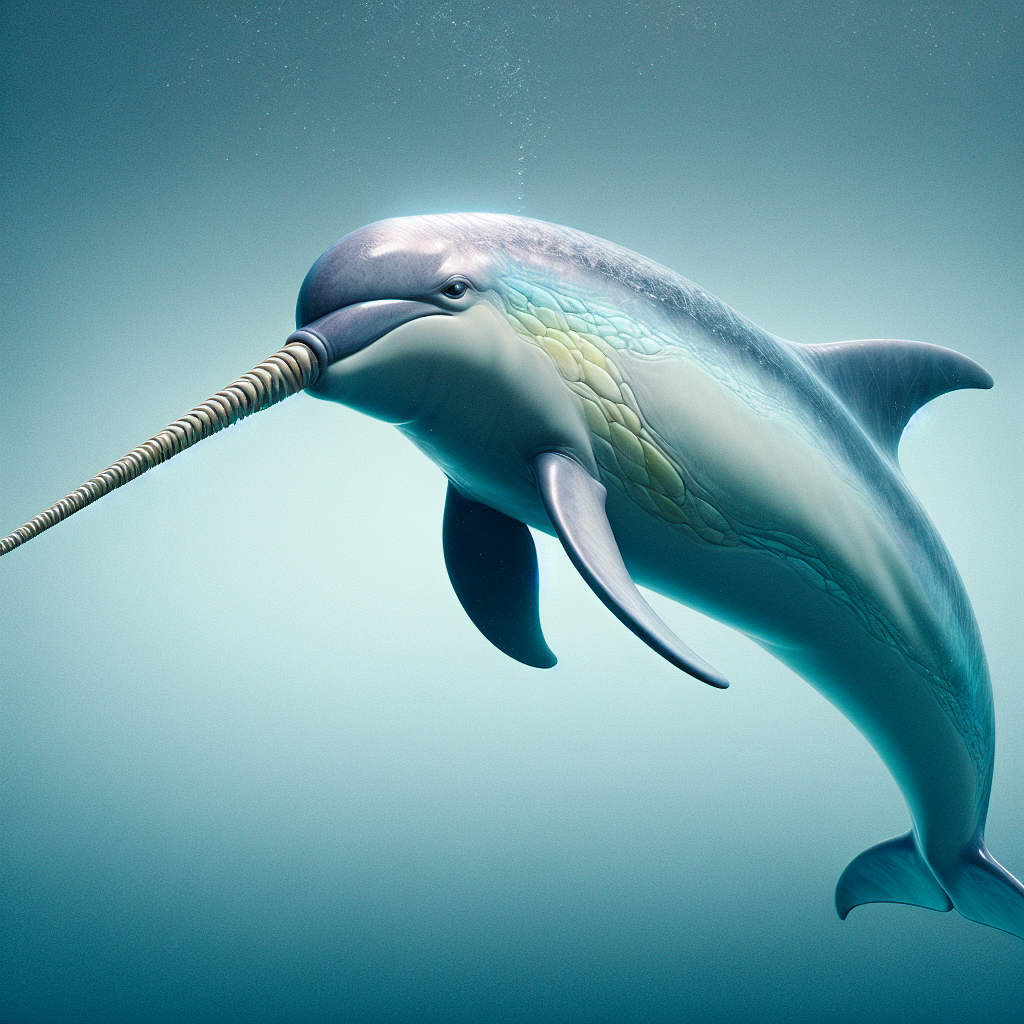
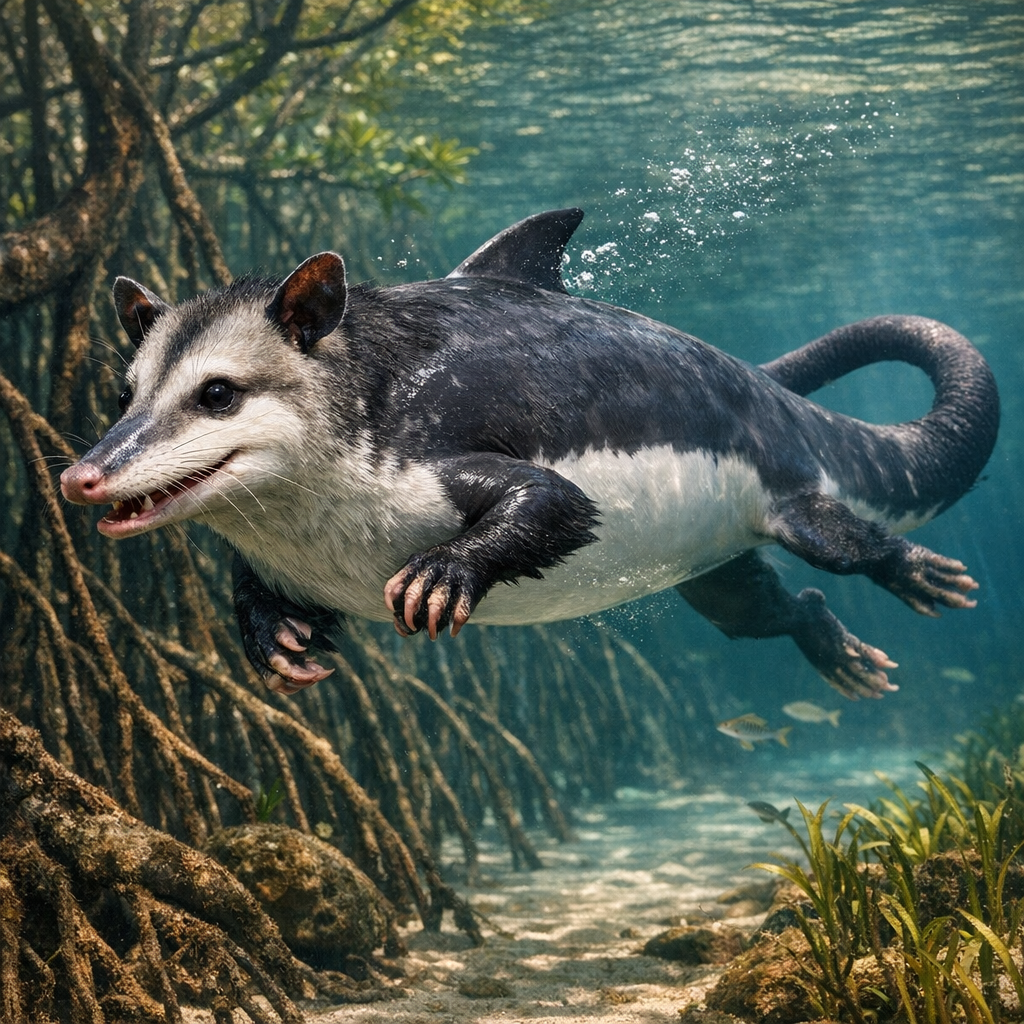
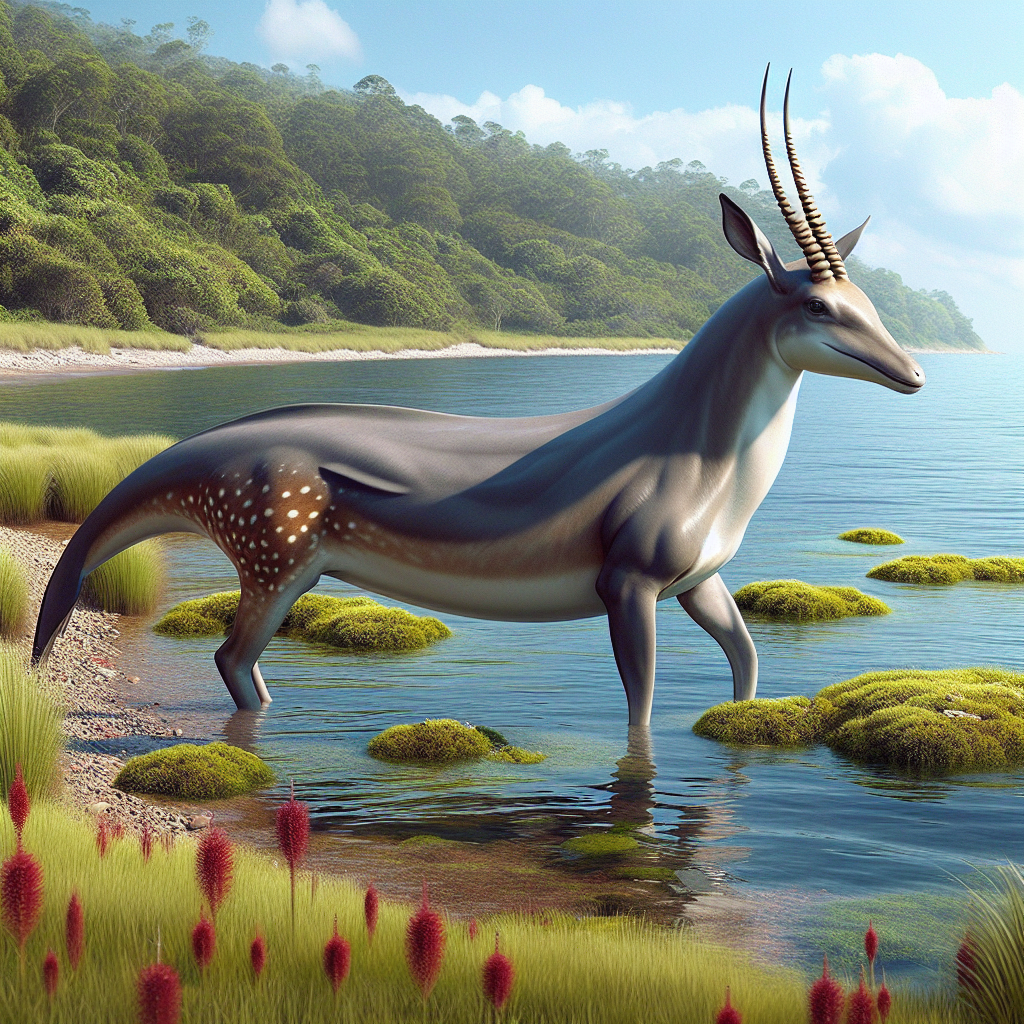
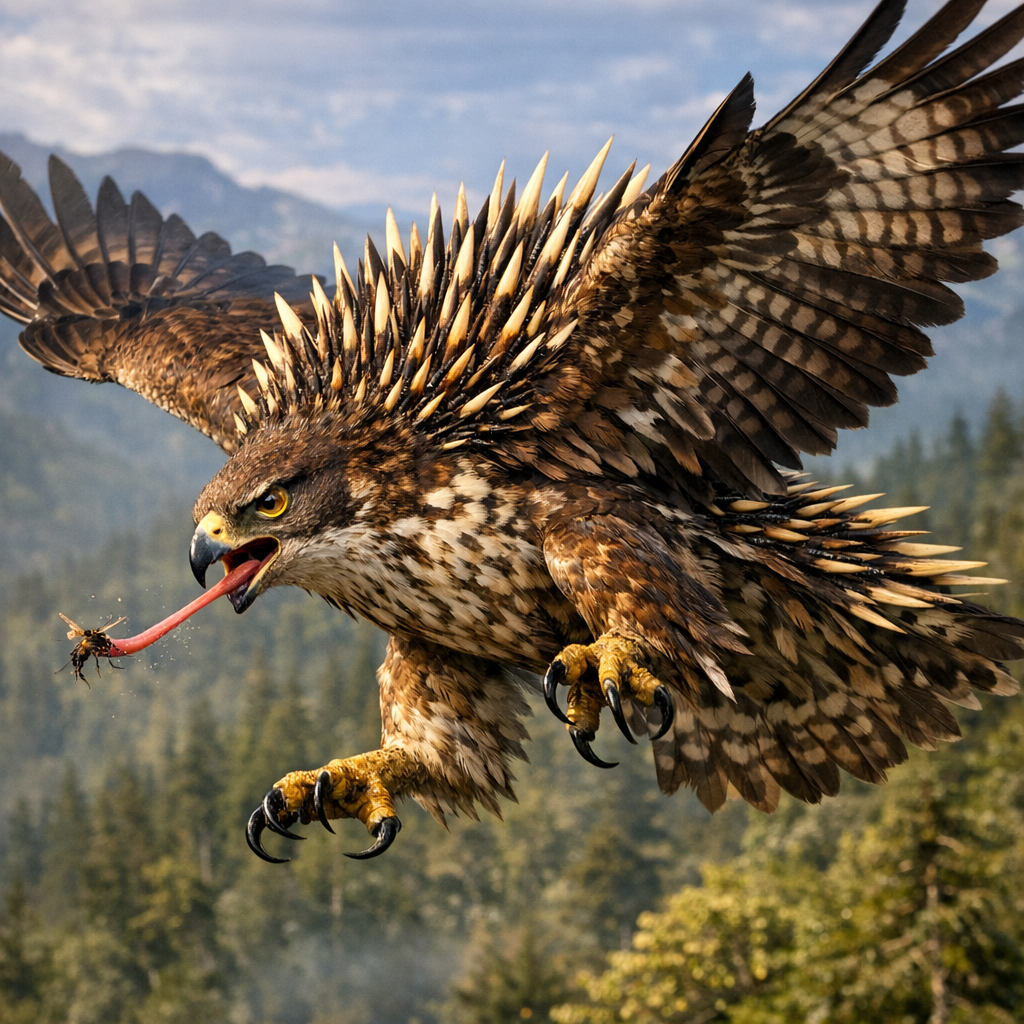
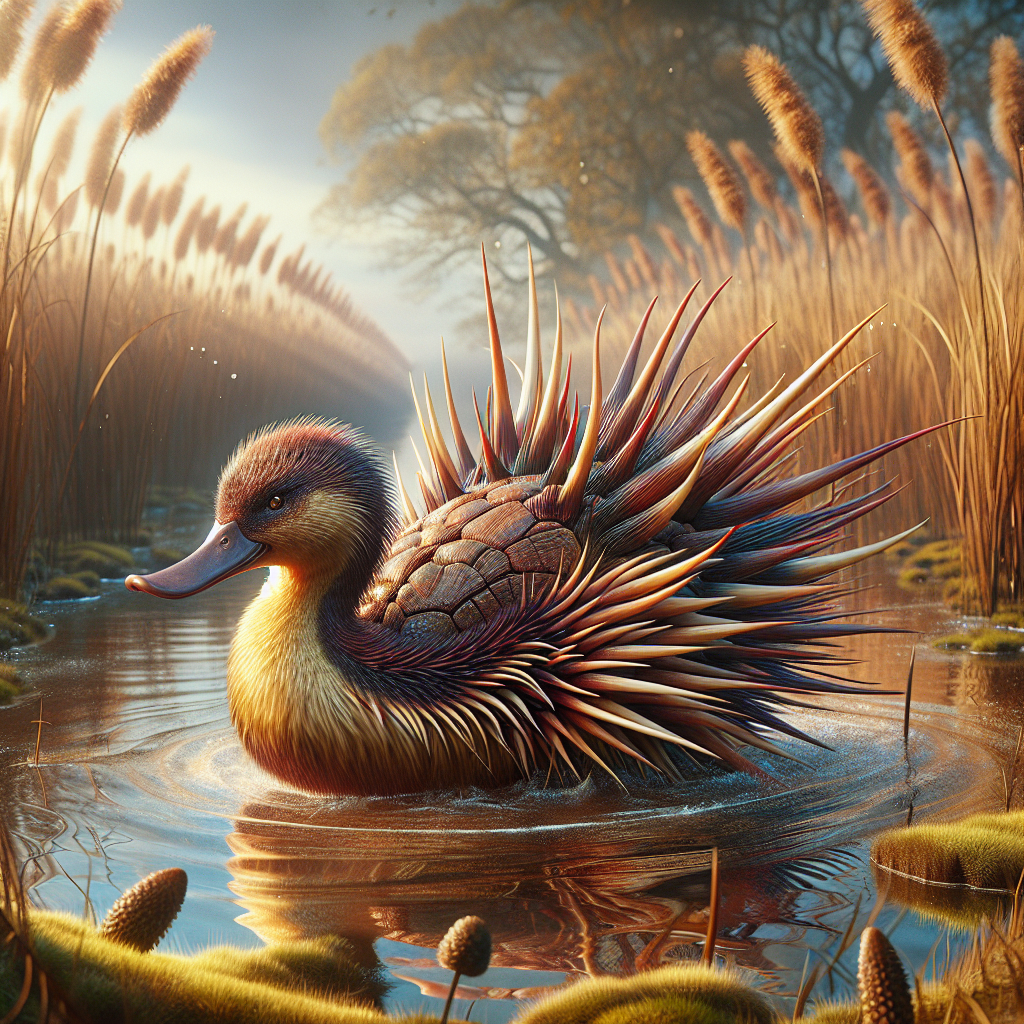
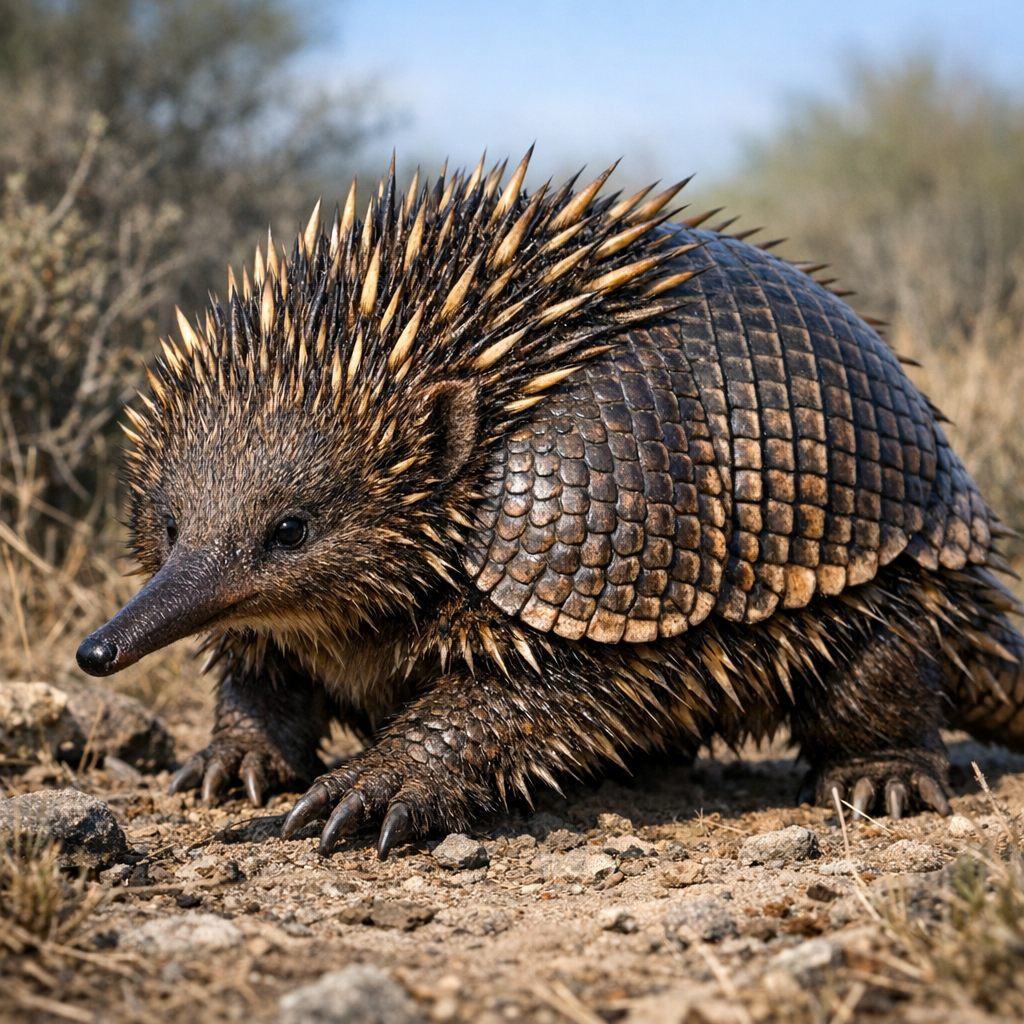
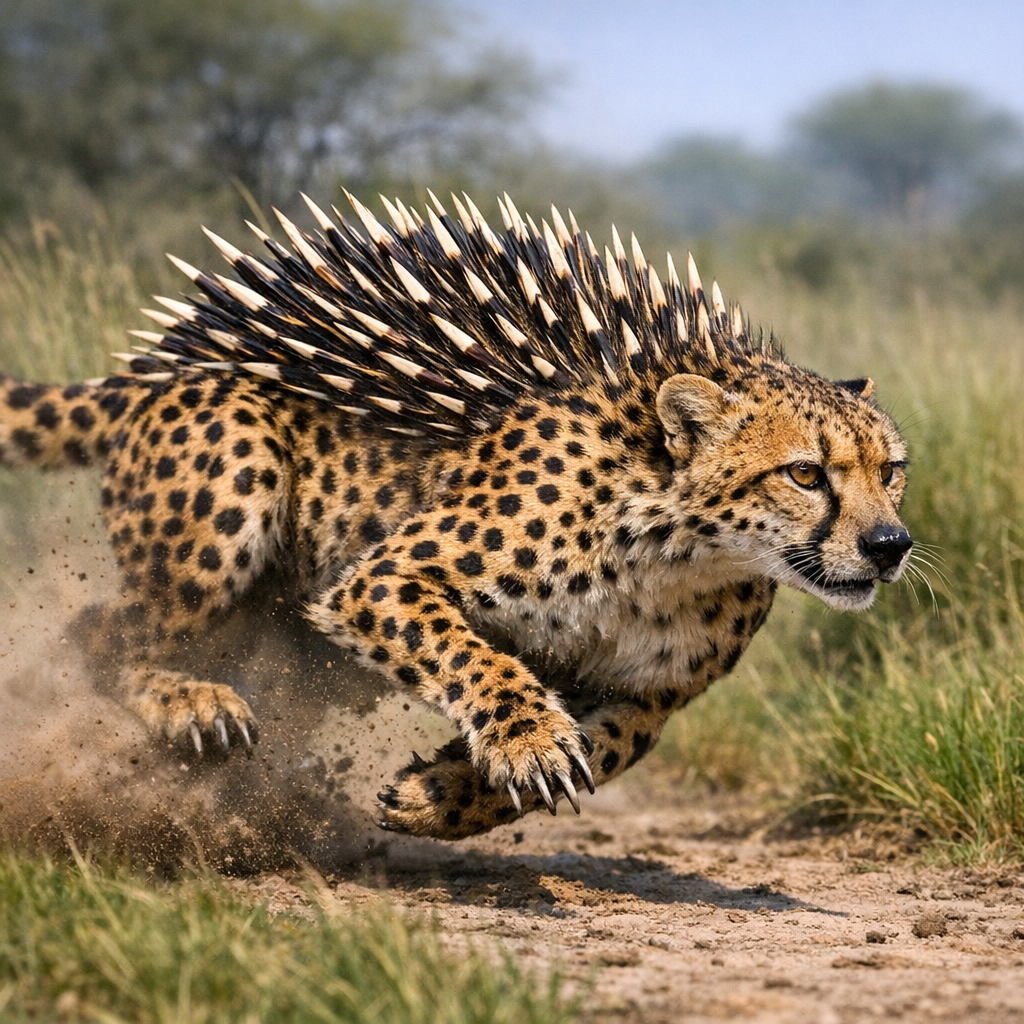
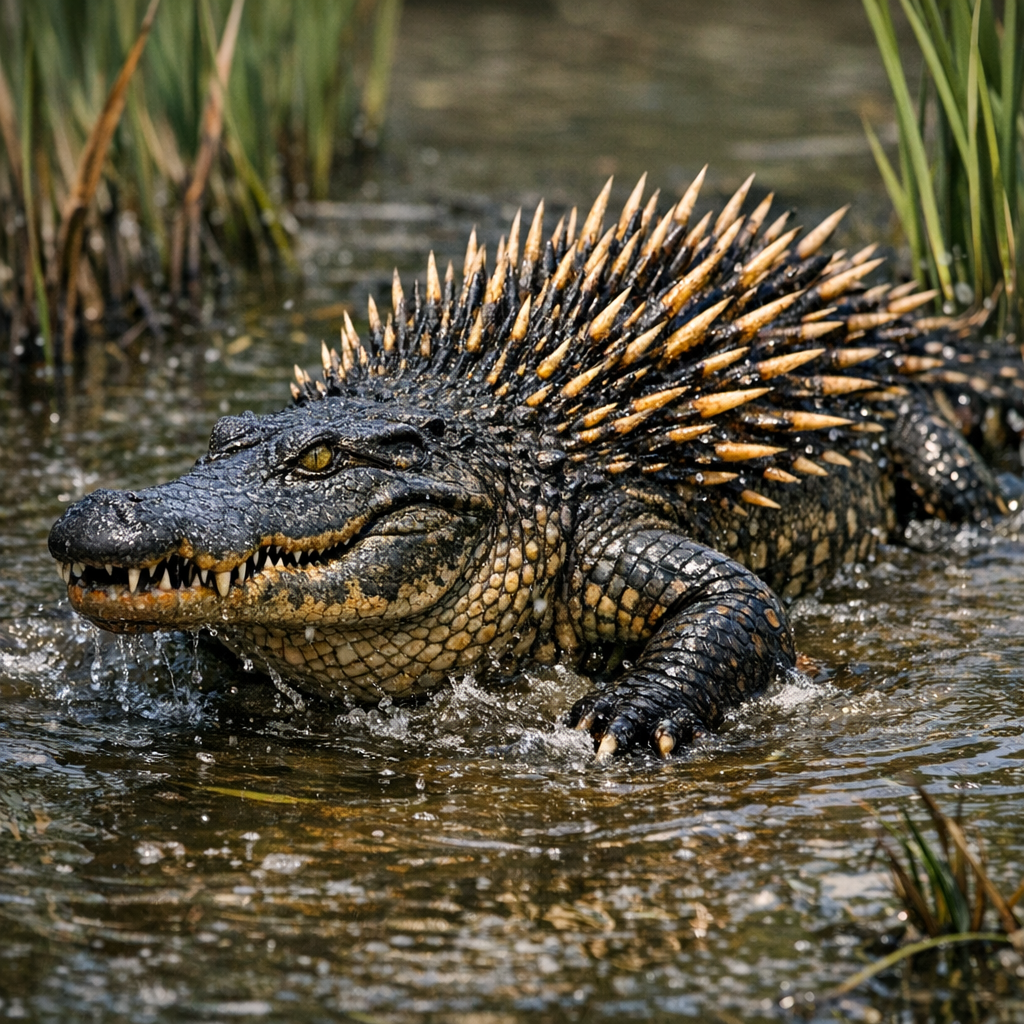
The Dolphinaechidna is a unique hybrid creature that combines the streamlined body of a dolphin with the spiny exterior of an echidna. It possesses a sleek, torpedo-shaped body covered in a layer of smooth, hydrophobic skin interspersed with hard, spiny quills that serve both as defense and camouflage in its natural habitat. Its head resembles that of a dolphin, featuring a pronounced rostrum and large, expressive eyes, while its back is adorned with a series of spikes that can be raised or lowered at will. This creature is both agile in the water and capable of burrowing into the sandy shores, making it an interesting blend of aquatic and terrestrial traits.
Special abilities
Spiny Surge
The Dolphinaechidna launches itself forward with incredible speed, using its spiny quills to pierce through the defenses of its prey.
From the Dolphin
Real-world basis: The creature utilizes its powerful tail to propel itself, while its quills serve as an offensive mechanism.
Quill Barrage
The Dolphinaechidna can shoot a barrage of its quills at a target, causing damage and potentially immobilizing smaller foes.
From the Echidna
Real-world basis: This ability mimics the echidna's ability to defend itself with spines, tailored for offensive action.
Aquatic Camouflage
The Dolphinaechidna can blend into its surroundings in both water and sand, making it difficult for predators and prey to detect.
From the Dolphin
Real-world basis: Utilizes its skin texture and color patterns to adapt to various environments for stealth.
Burrow Shield
When threatened, the Dolphinaechidna can quickly burrow into the sand, creating a protective barrier against attacks.
From the Echidna
Real-world basis: This behavior is derived from the echidna's natural burrowing instincts, providing both concealment and safety.