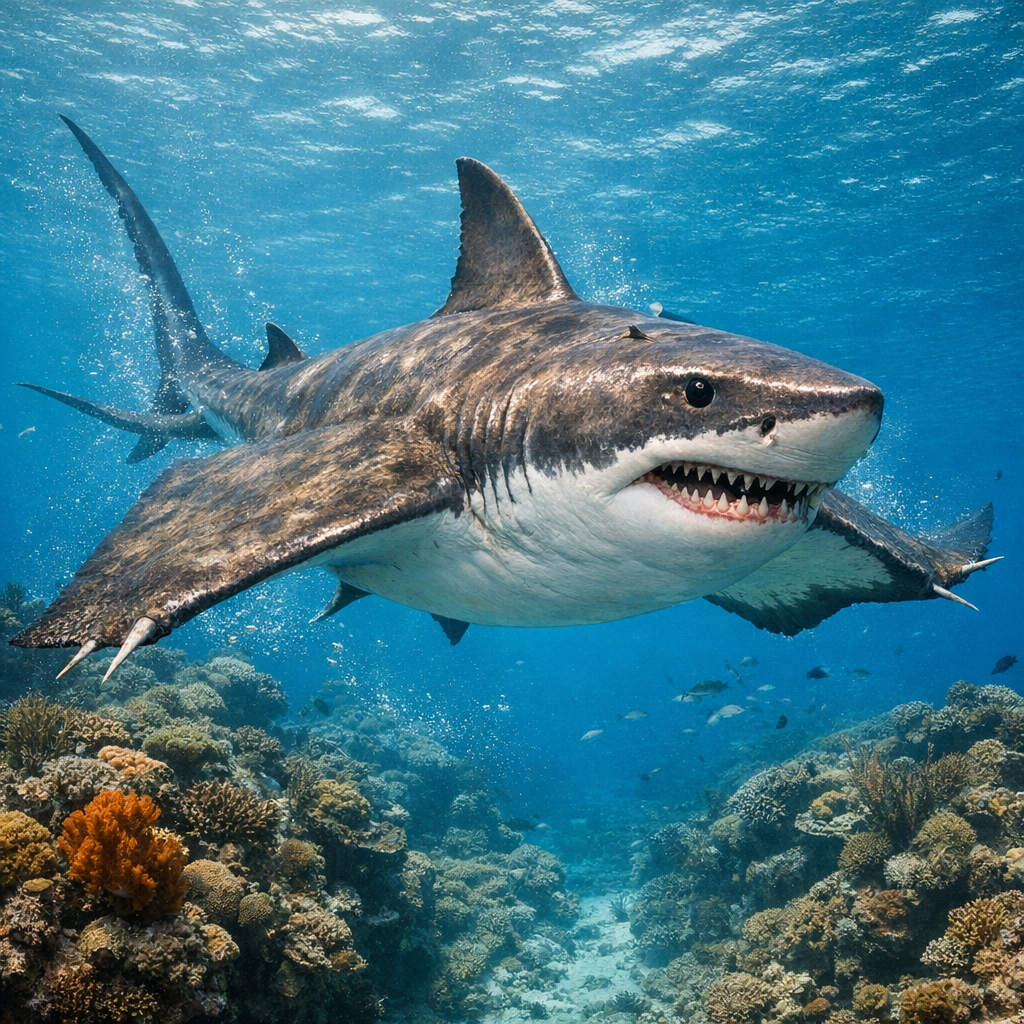
Stingwhite Ray
A hybrid of Sting Ray + great white shark
- Habitat
- The Stingwhite Ray inhabits warm coastal waters, particularly in shallow reefs and estuaries where it can blend into the sandy substrate. It prefers areas with abundant marine life, such as coral reefs and kelp forests, which provide ample opportunities for hunting and hiding.
- Diet
- The diet of the Stingwhite Ray primarily consists of fish, crustaceans, and cephalopods. Utilizing its keen sense of electroreception, it can detect the electrical signals of prey hidden beneath the sand. Its feeding behavior involves an ambush technique, where it lies in wait before striking with speed and precision.
The story of Stingwhite Ray
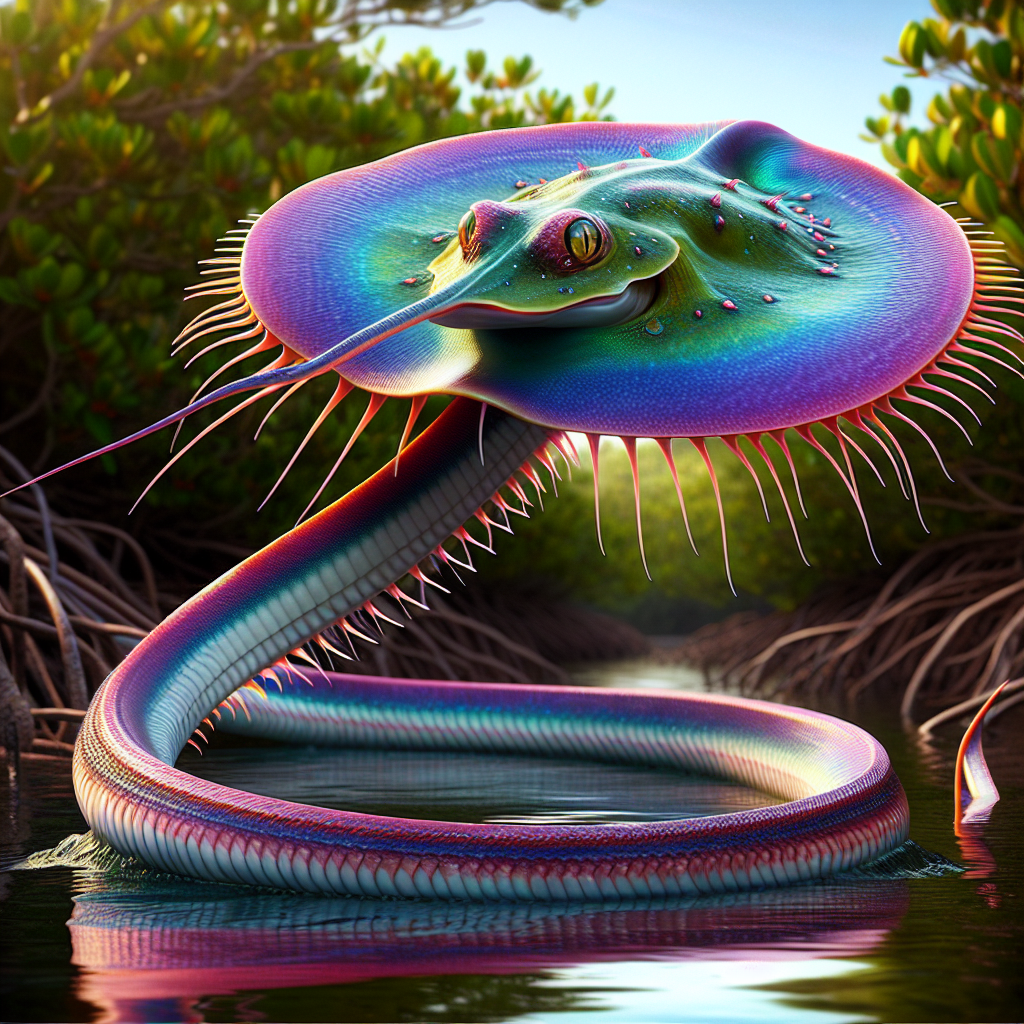
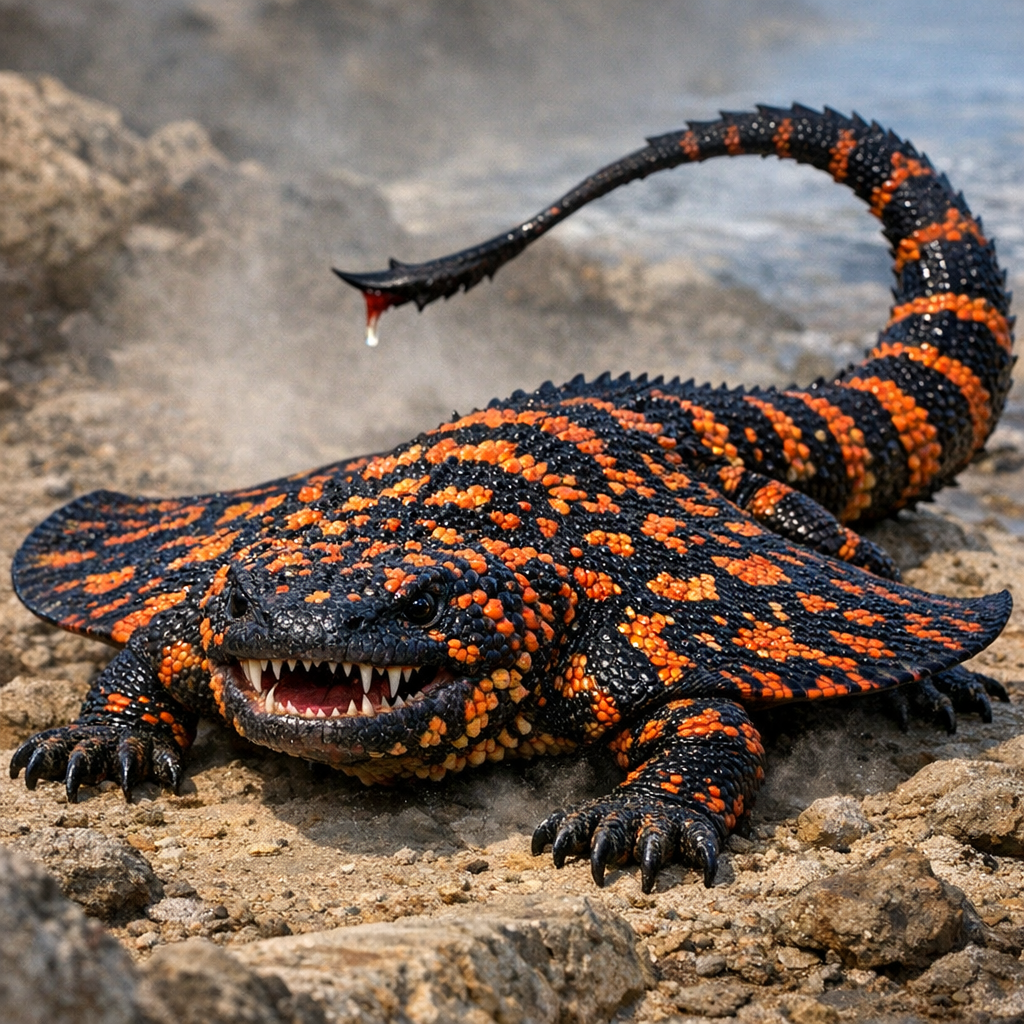
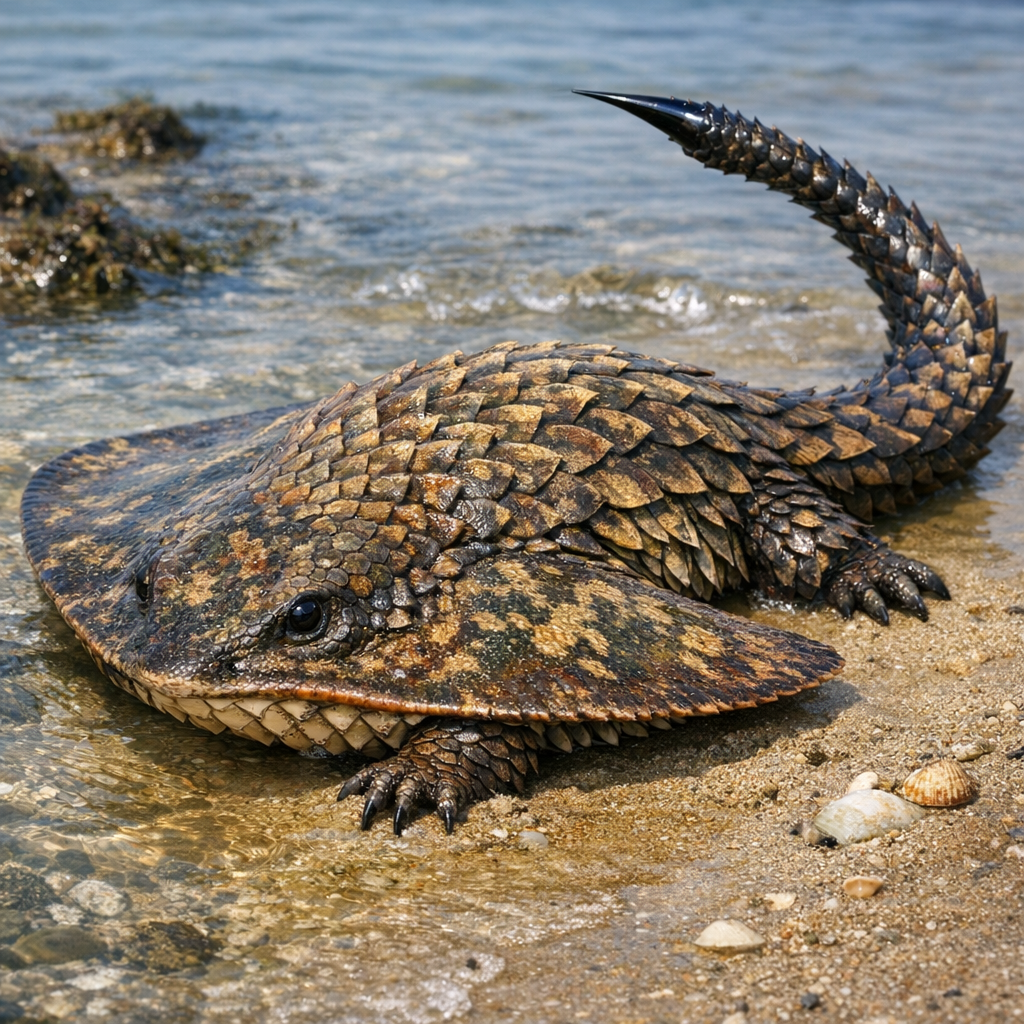
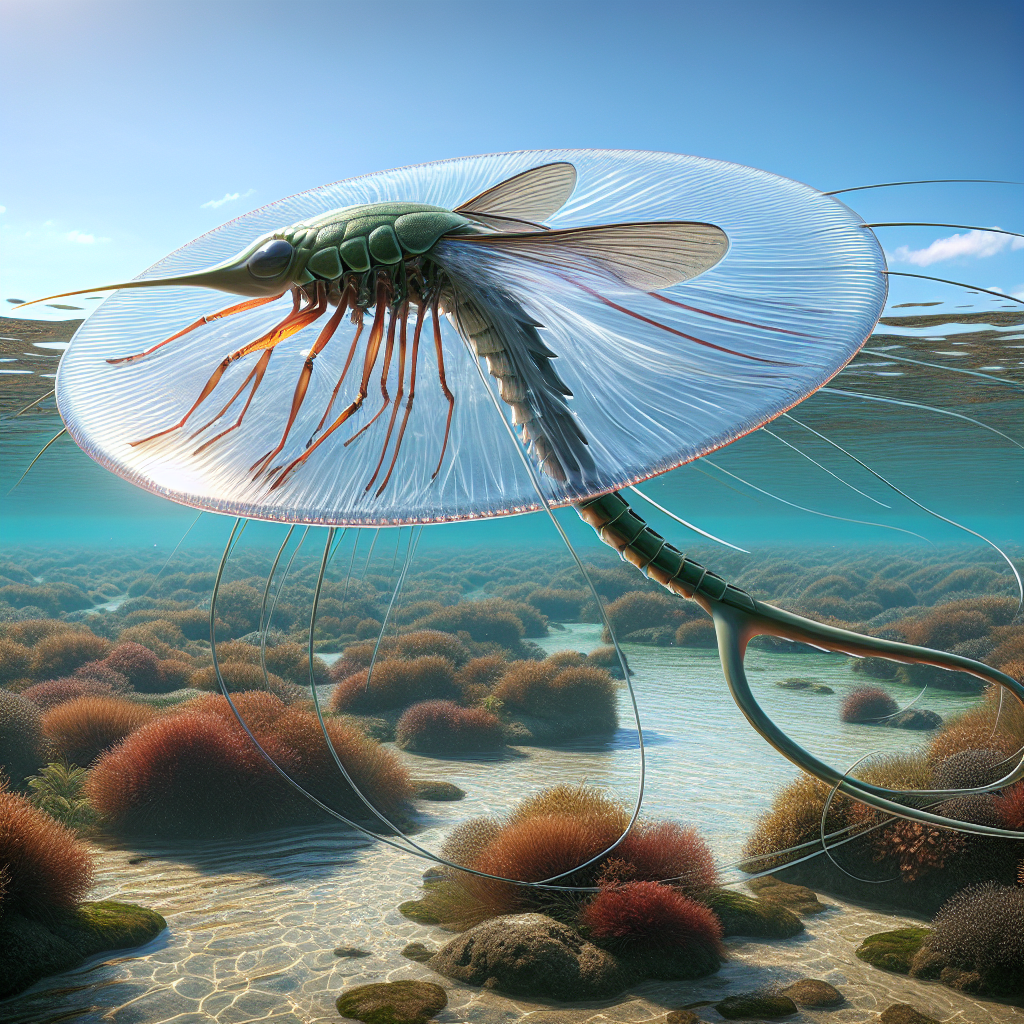
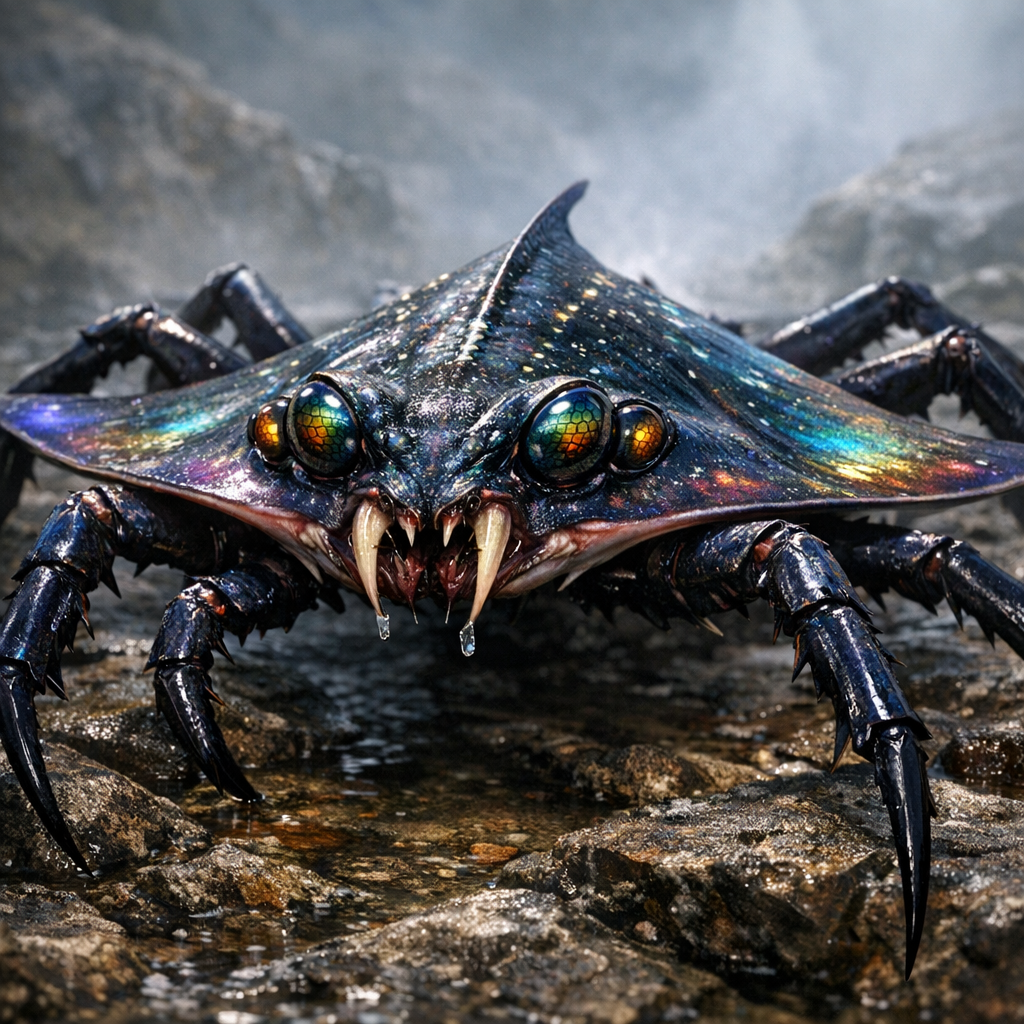
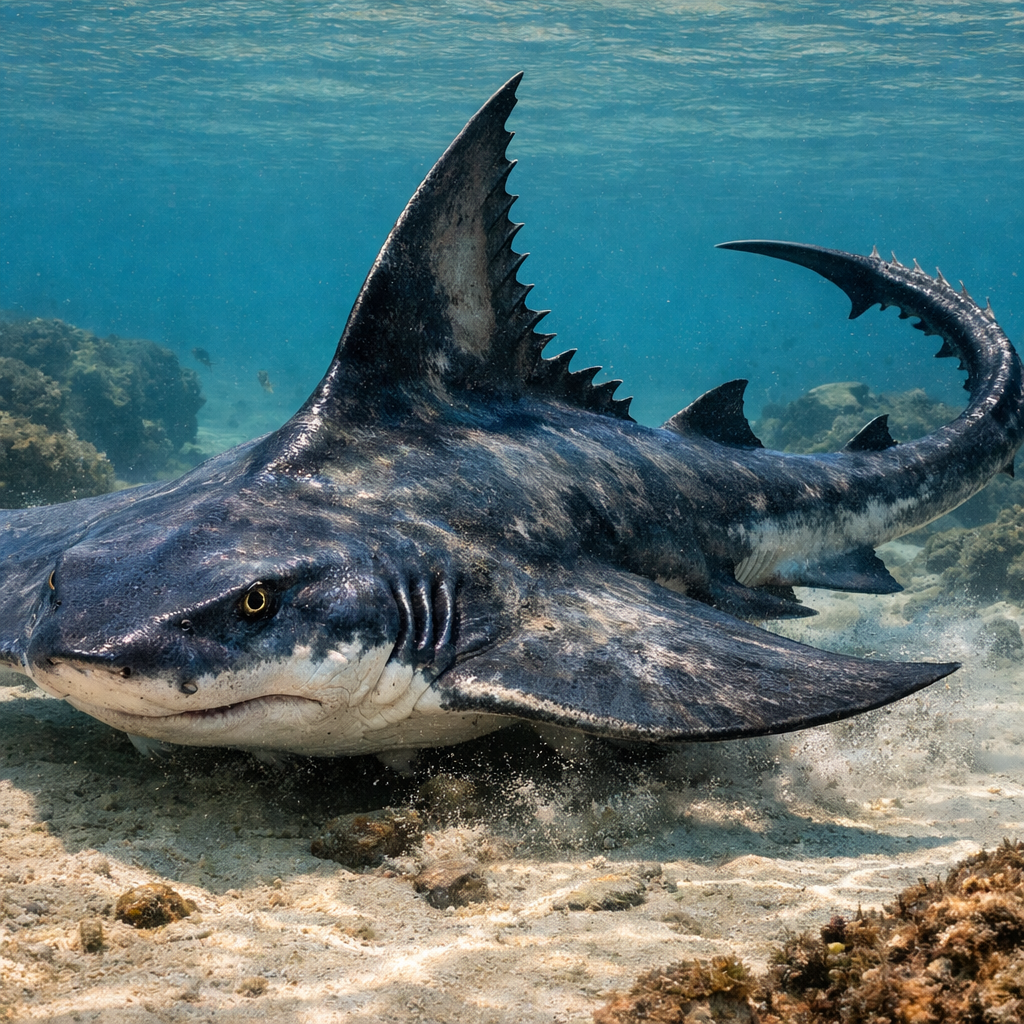
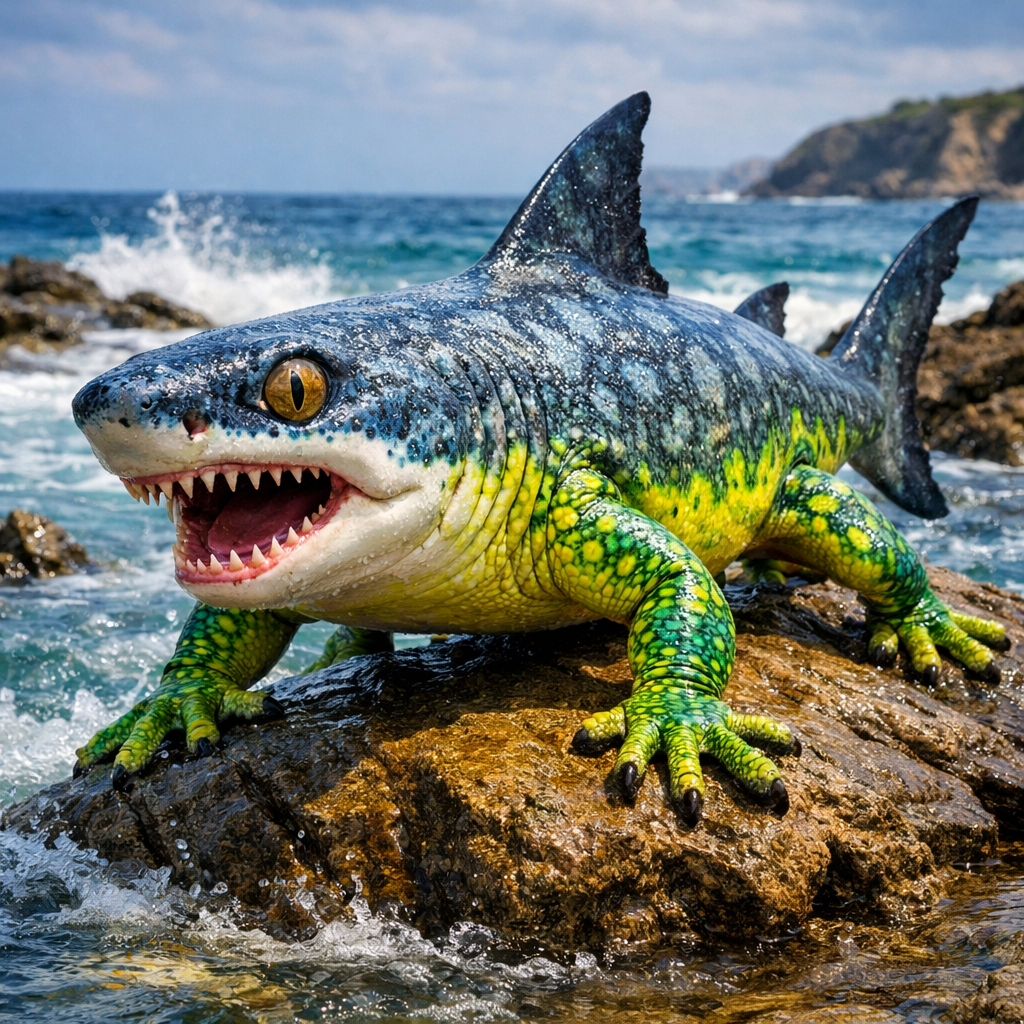
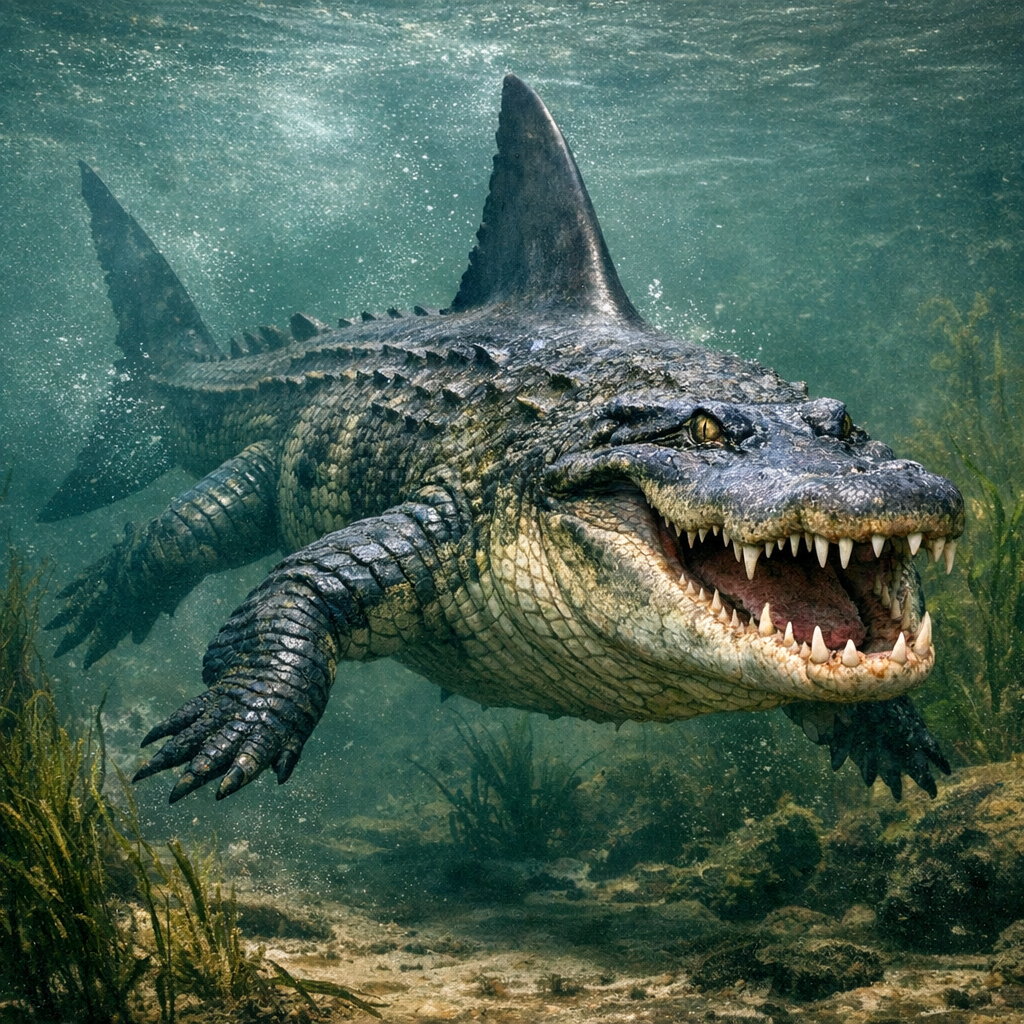
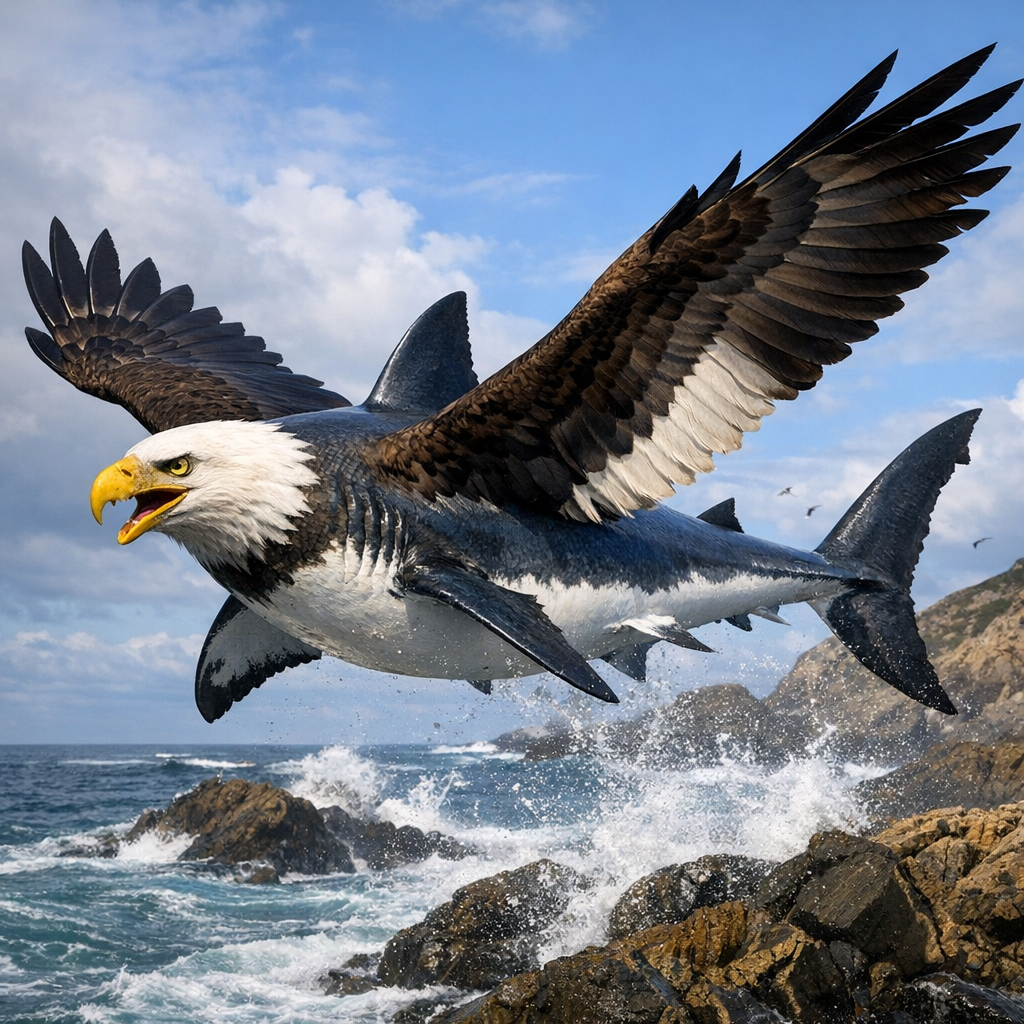
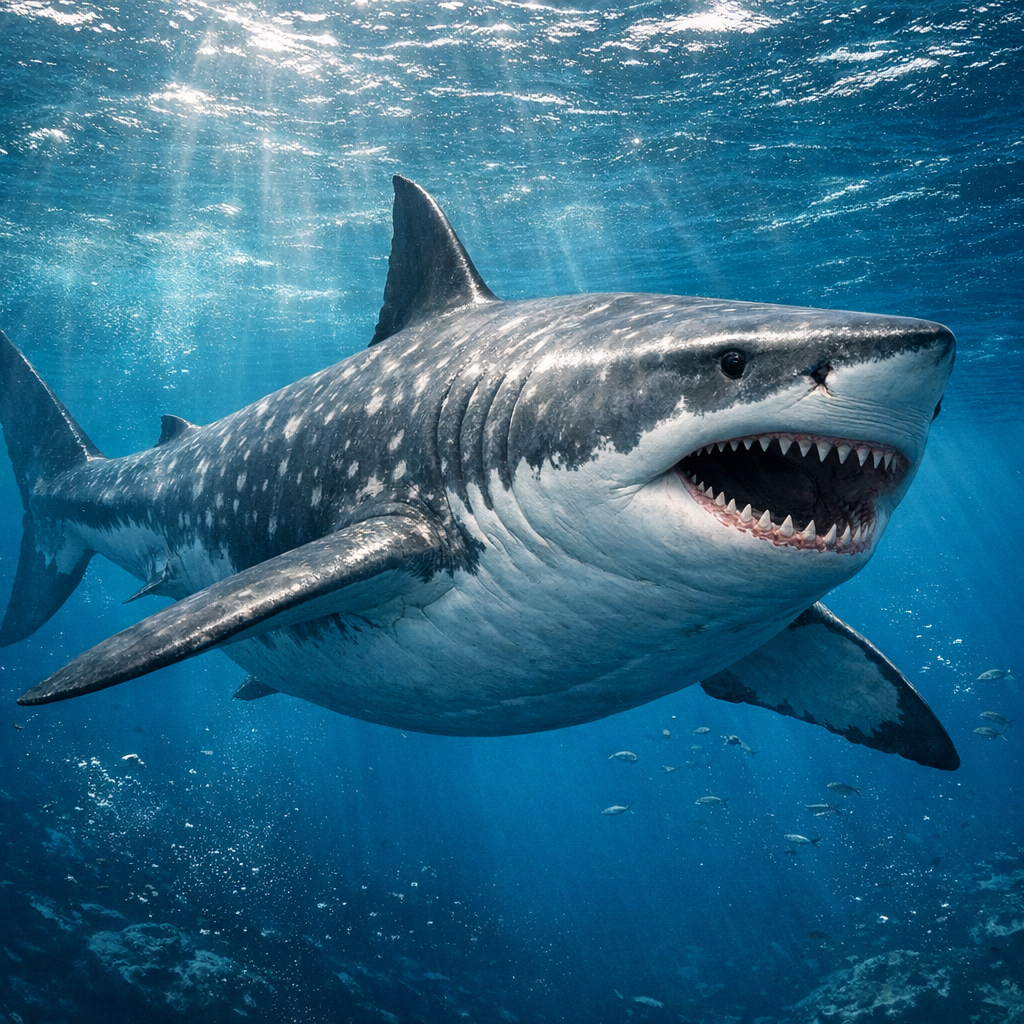
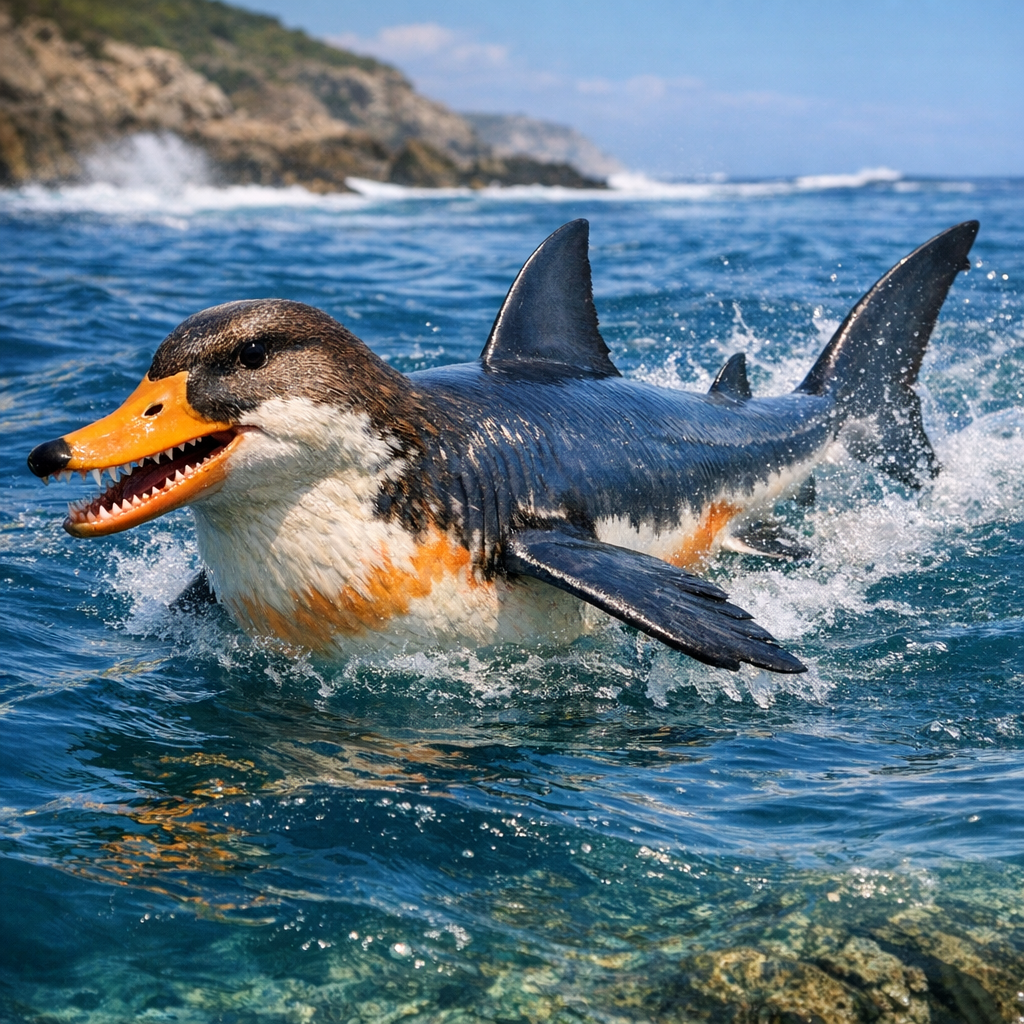
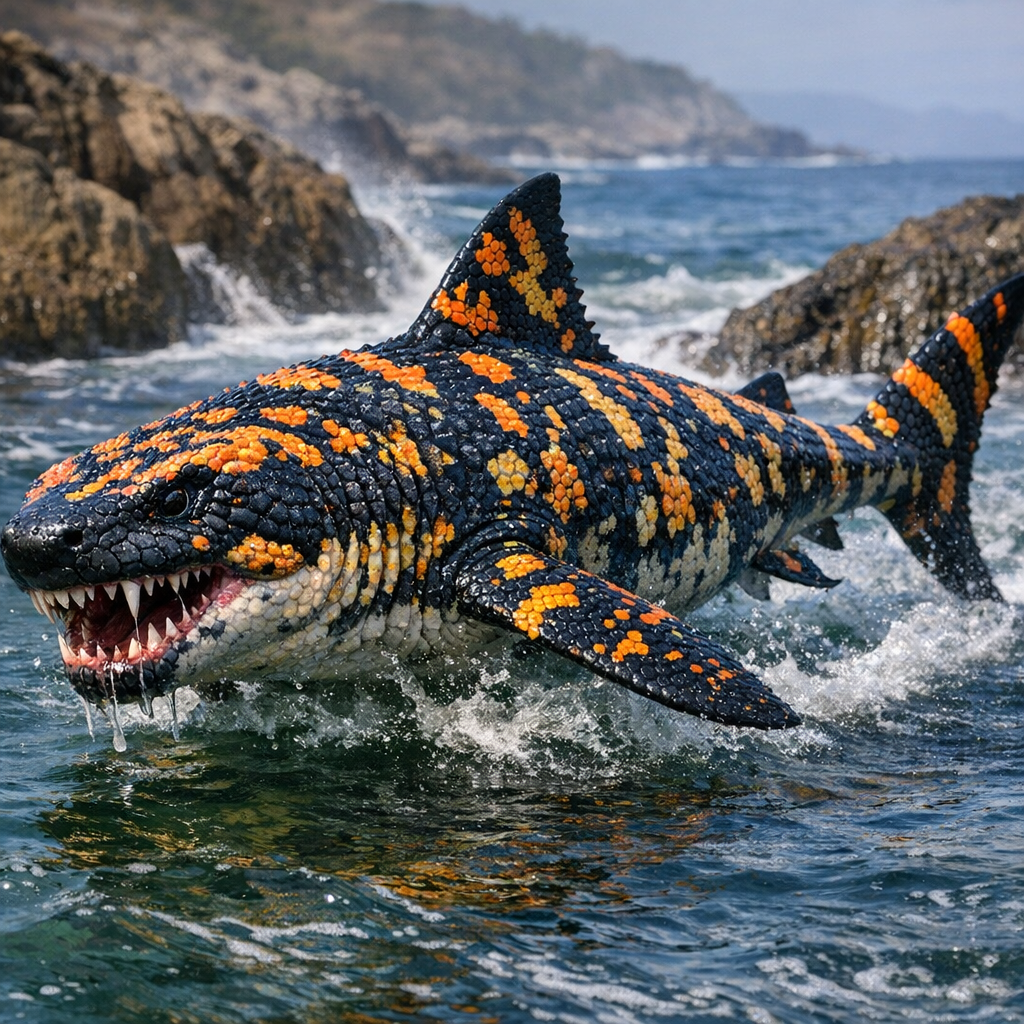
The Stingwhite Ray is a formidable hybrid creature that combines the sleek, hydrodynamic body of a stingray with the powerful musculature and predatory features of a great white shark. Measuring up to 12 feet in length, it exhibits a flattened, disc-like body with a broad, pointed snout reminiscent of a shark’s. The upper side is a mottled gray-brown color, providing camouflage against the ocean floor, while the underbelly is a pale white. Its elongated pectoral fins, akin to those of a stingray, are equipped with sharp, venomous barbs that can be deployed in defense or attack. The creature possesses rows of serrated teeth, similar to those of a great white, allowing it to efficiently tear into its prey. Its eyes are positioned on the top of its head, providing excellent visibility while hunting.
Special abilities
Venomous Strike
The Stingwhite Ray delivers a swift, venom-infused sting from its barbed tail, incapacitating prey and deterring predators.
From the Sting Ray
Real-world basis: The venom can cause paralysis and severe pain, making it an effective defense mechanism.
Bite of the Hunter
With powerful jaws lined with serrated teeth, the Stingwhite Ray can deliver a devastating bite to its prey, ensuring a quick kill.
From the Great White Shark
Real-world basis: The bite force of a great white shark is among the strongest in the ocean, capable of crushing bone.
Camouflage Blend
The Stingwhite Ray can alter its skin coloration to blend seamlessly with its surroundings, evading both hunters and prey.
From the Sting Ray
Real-world basis: This ability is due to chromatophores in the skin that allow for rapid color change.
Shark's Resilience
The Stingwhite Ray has a tough, flexible skin that provides natural protection against predators and physical impacts.
From the Great White Shark
Real-world basis: The dermal layer of sharks is reinforced with tiny scales called dermal denticles, reducing injury.