Flamibear
- Habitat
- Flamibears thrive in wetlands and marshy forests, where they can wade through shallow waters and forage among reeds and underbrush. They prefer areas with abundant vegetation and access to both land and water, allowing them to exploit a diverse range of resources.
- Diet
- Flamibears are omnivorous foragers, primarily consuming a diet of aquatic plants, small fish, and insects. Their unique beak allows them to probe the mud for invertebrates and to graze on grasses and leafy greens, making them adaptable eaters that can thrive in various environments.
The story of Flamibear
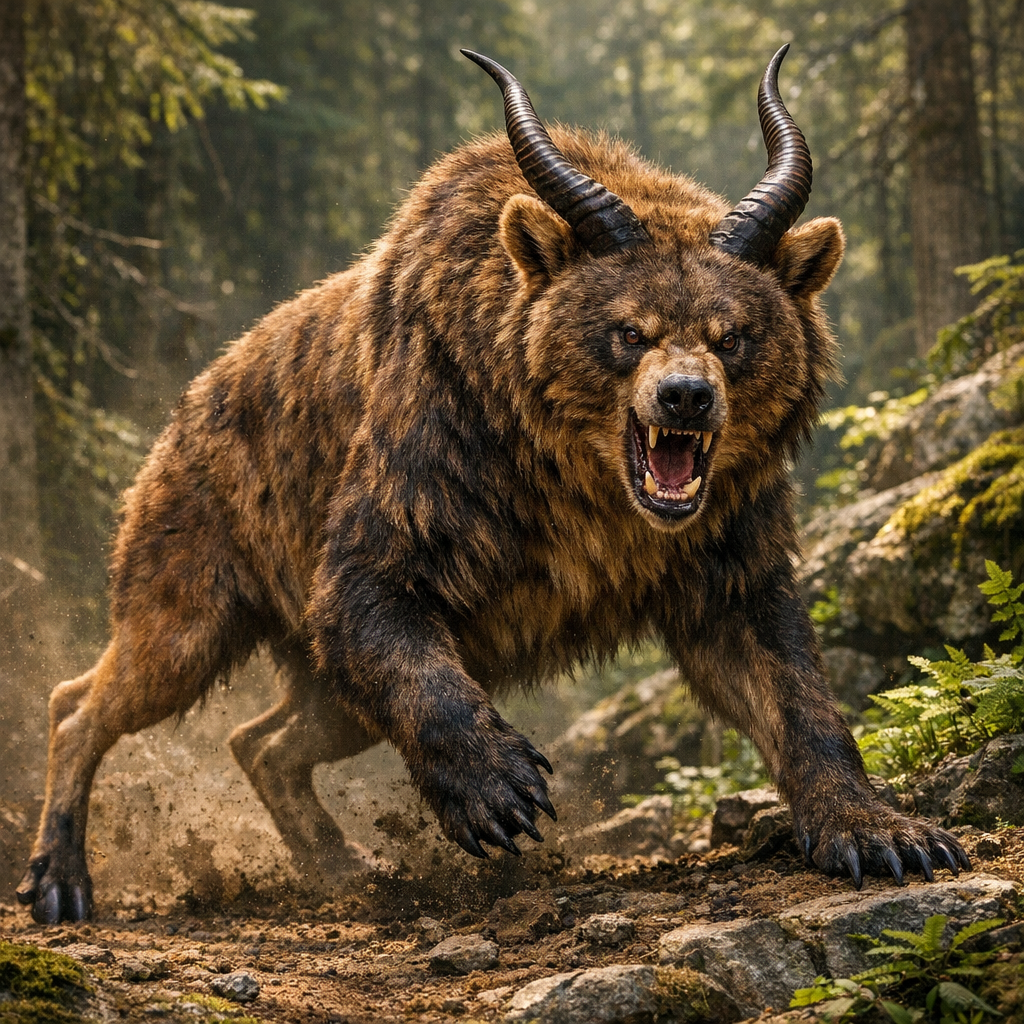
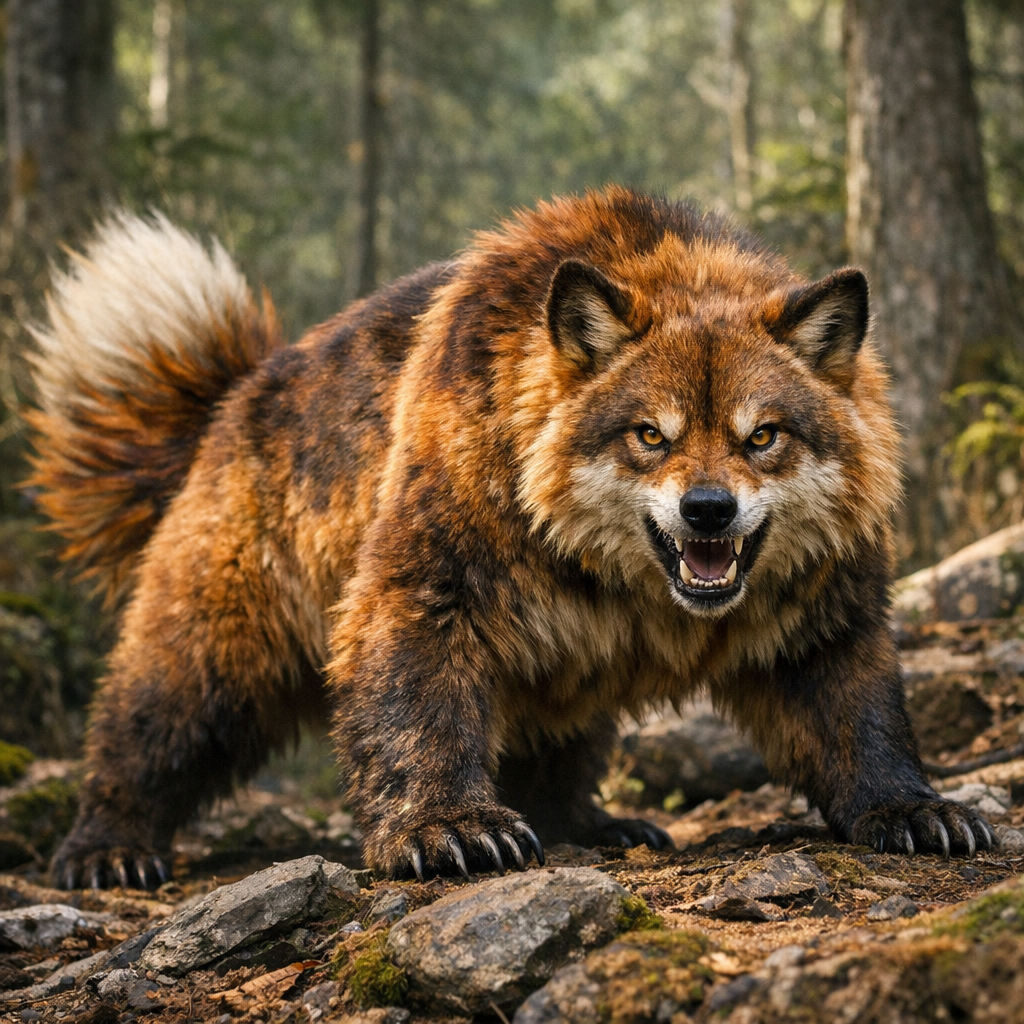
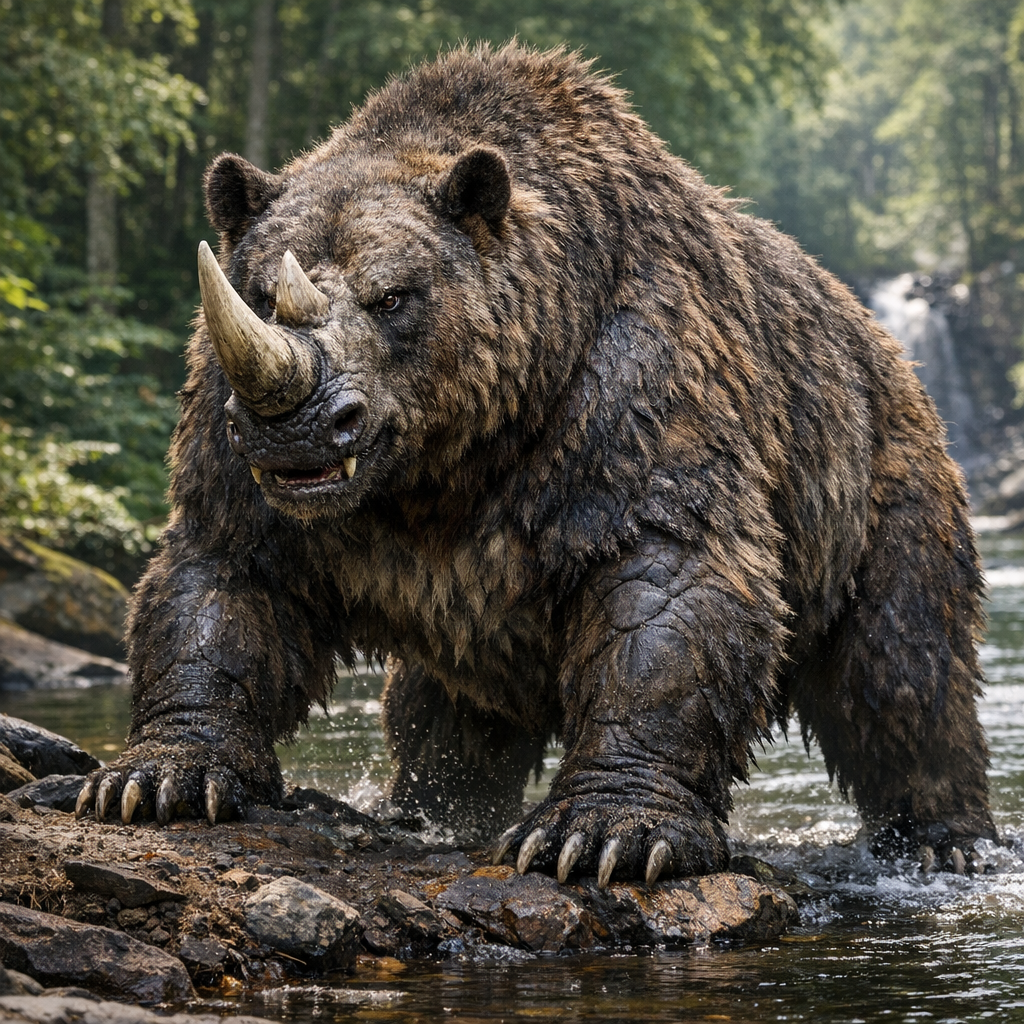
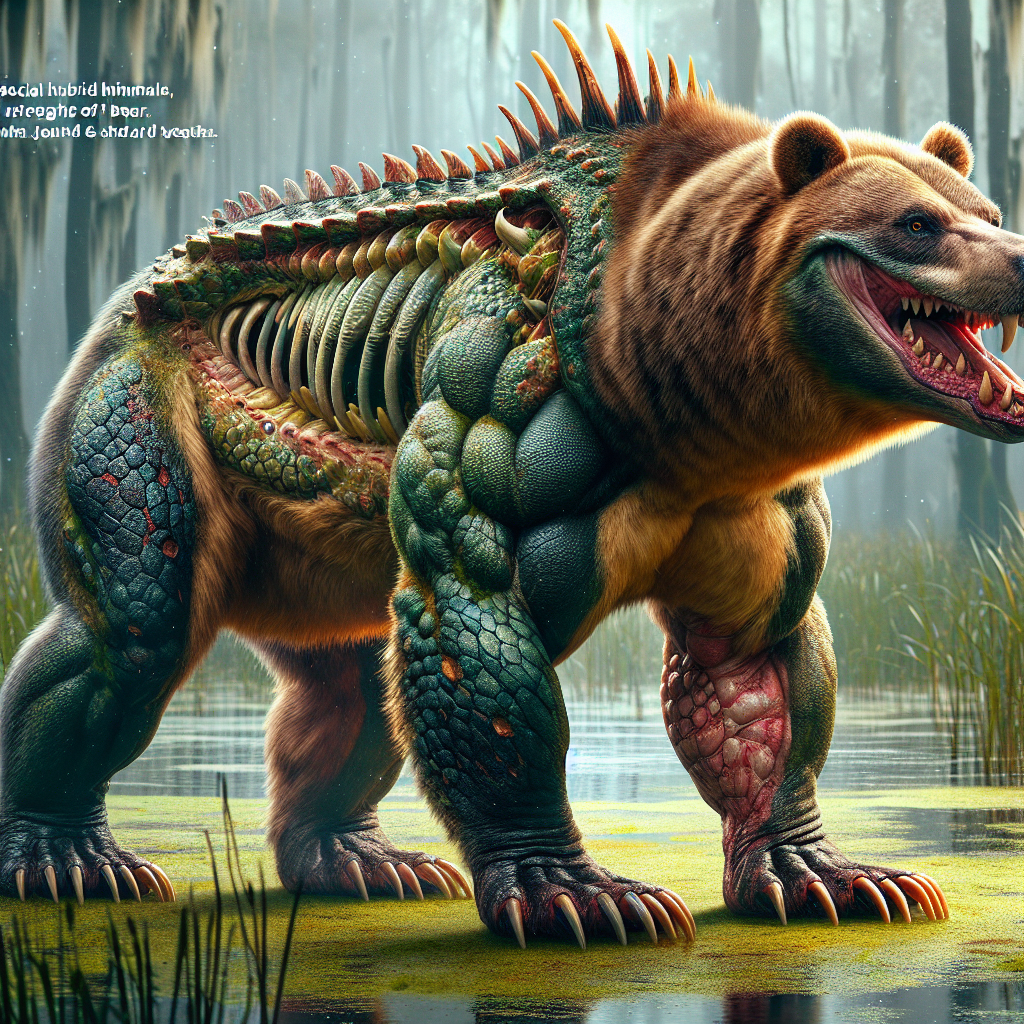
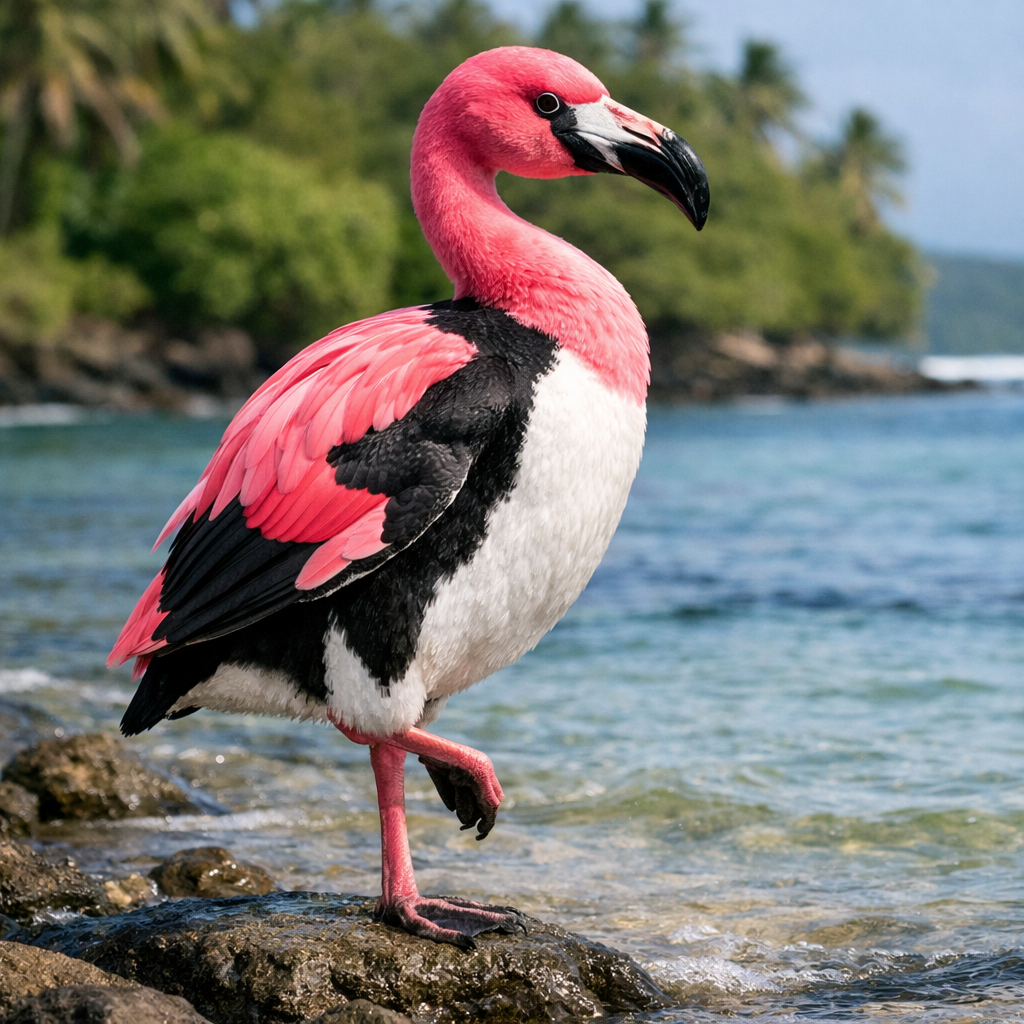
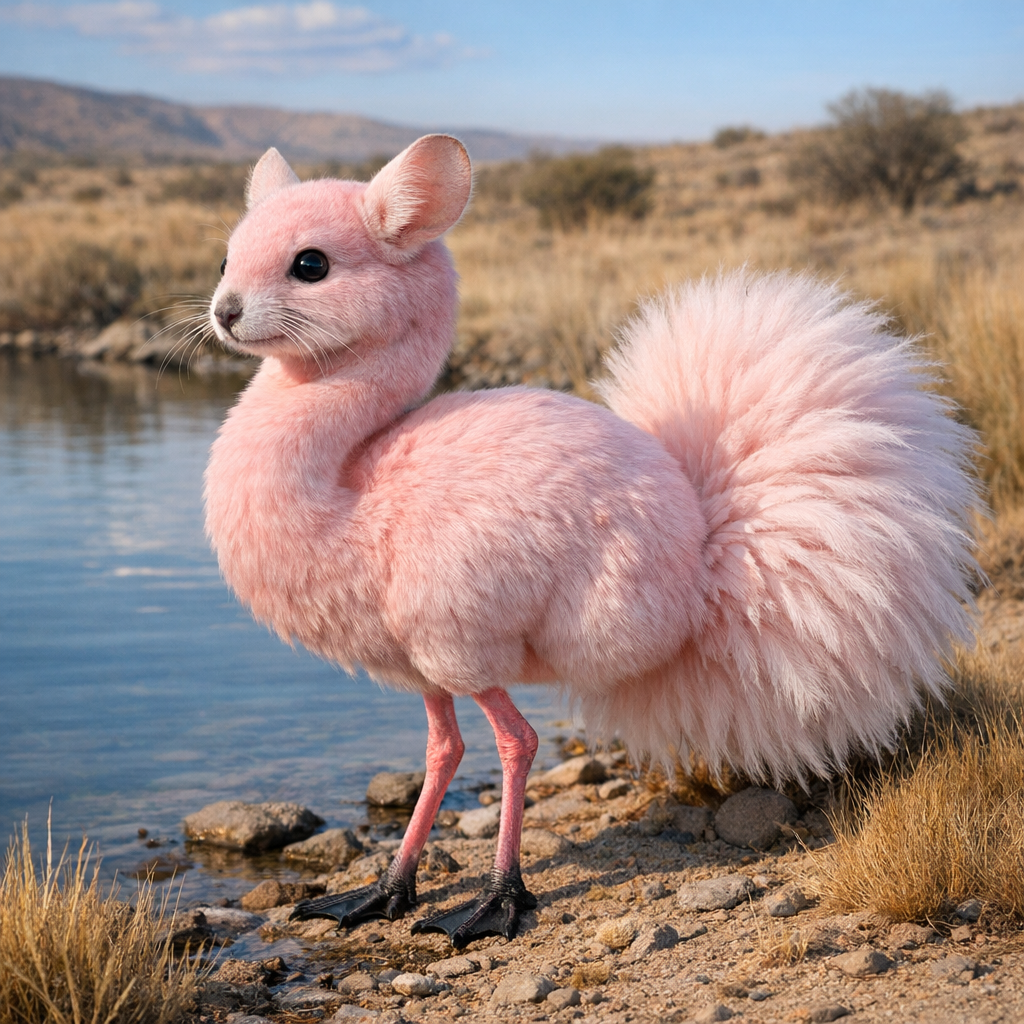
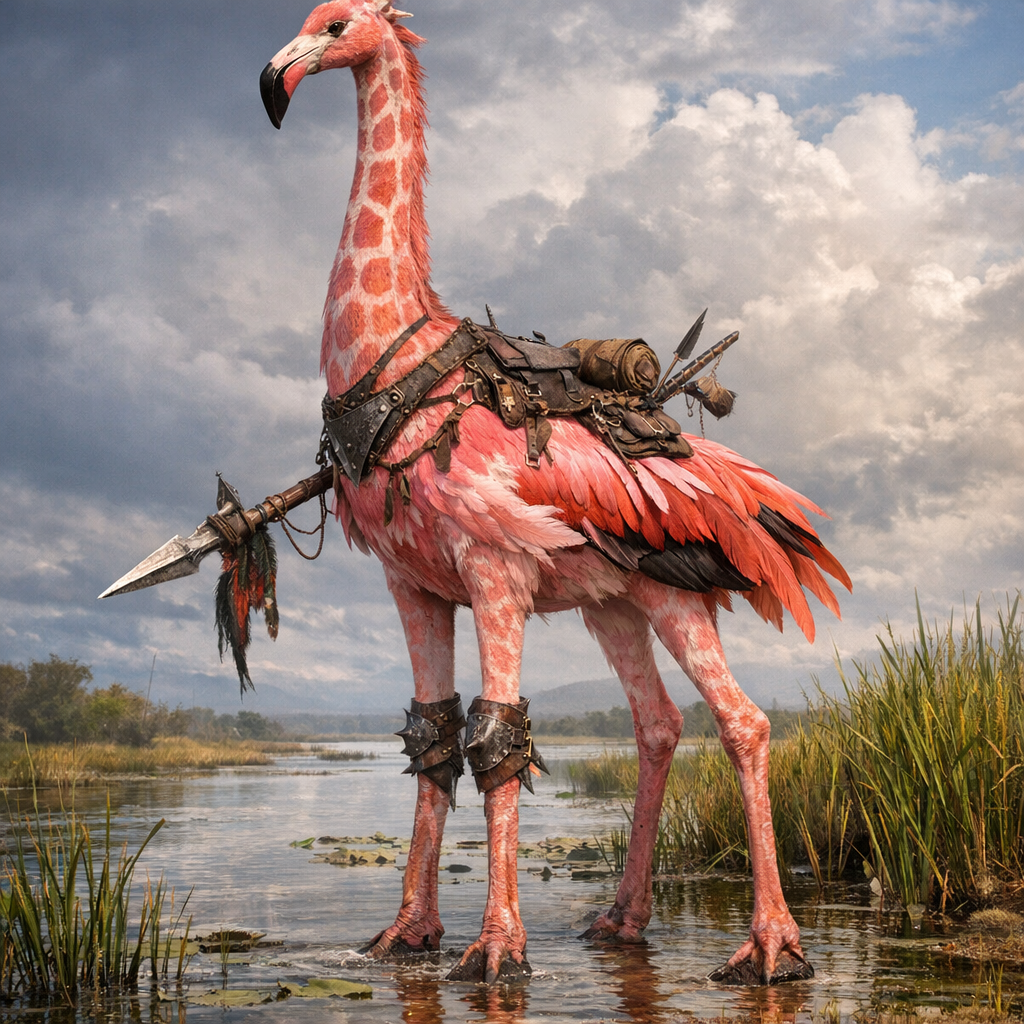
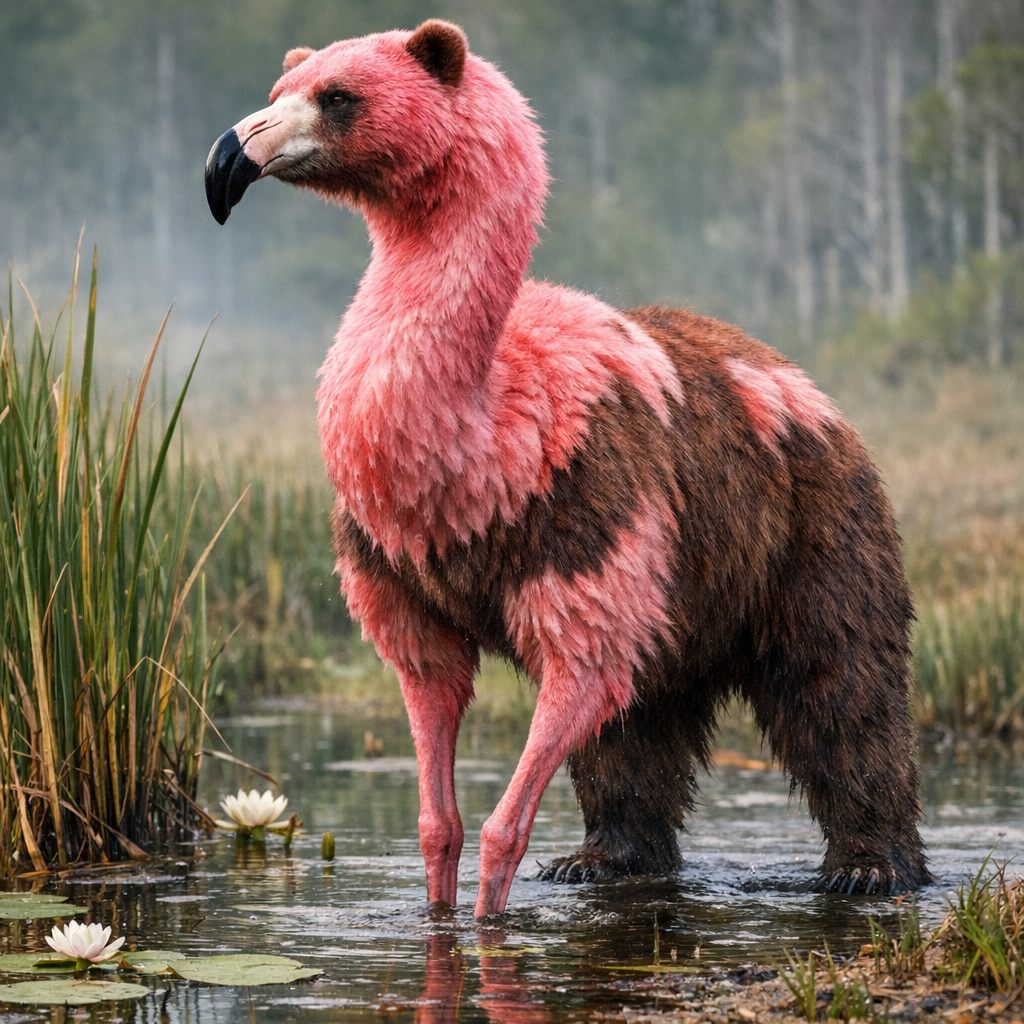
The Flamibear, a striking creature with the robust body of a bear and the long, elegant neck and legs of a flamingo, exhibits a unique blend of features. Its fur is a vibrant blend of soft pink and deep brown, allowing it to camouflage in both floral and forested environments. With its long, curved beak, it has adapted to forage for food in both aquatic and terrestrial settings, while its keen eyesight rivals that of its avian relatives. This remarkable hybrid stands at an impressive height, with powerful limbs and a graceful stance, making it a fascinating subject for zoological studies.
Special abilities
Bear Claw Strike
The Flamibear unleashes a powerful swipe with its formidable claws, capable of causing significant damage to opponents.
From the Bear
Real-world basis: Strong forelimbs and sharp claws adapted for hunting and foraging.
Flamingo Finesse
With a swift and agile movement, the Flamibear performs a series of twisting strikes, catching foes off guard.
From the Flamingo
Real-world basis: Inherent agility and balance derived from long limbs and dynamic body structure.
Marshland Camouflage
The Flamibear can blend seamlessly into its surroundings, becoming nearly invisible to predators and threats.
From the Flamingo
Real-world basis: Natural color adaptation to blend into marshy environments.
Bear's Resilience
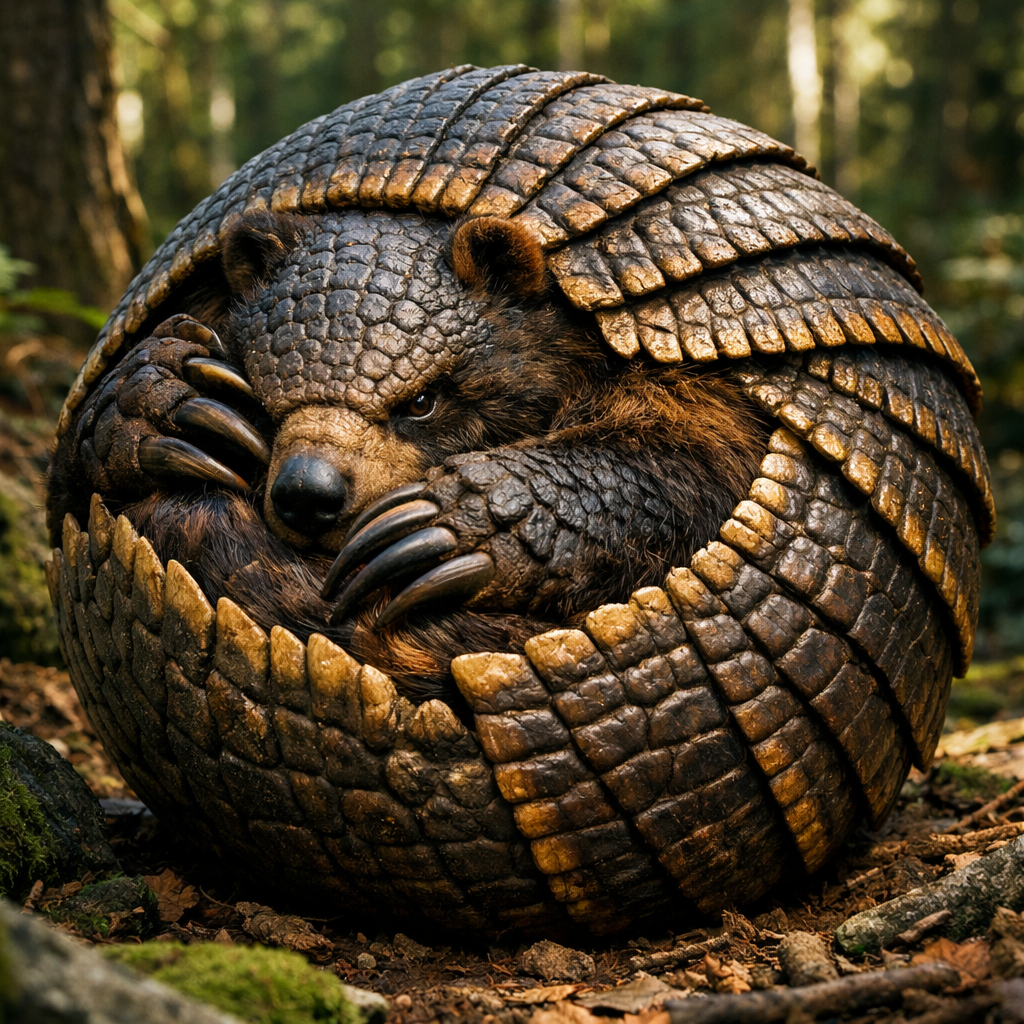
Drawing on its bear ancestry, the Flamibear can withstand significant damage, bolstering its durability in the face of danger.
From the Bear
Real-world basis: Thick fur and strong muscle structure providing added protection.