Bearfox
- Habitat
- The Bearfox thrives in temperate forests and mountainous regions, favoring environments with dense underbrush and ample tree cover. It prefers areas with a mixture of coniferous and deciduous trees, which provide both shelter and a varied diet.
- Diet
- Bearfoxes are omnivorous foragers, consuming a diverse diet that includes fruits, nuts, insects, small mammals, and the occasional carrion. Their foraging behavior is opportunistic, allowing them to adapt to seasonal changes in food availability.
The story of Bearfox
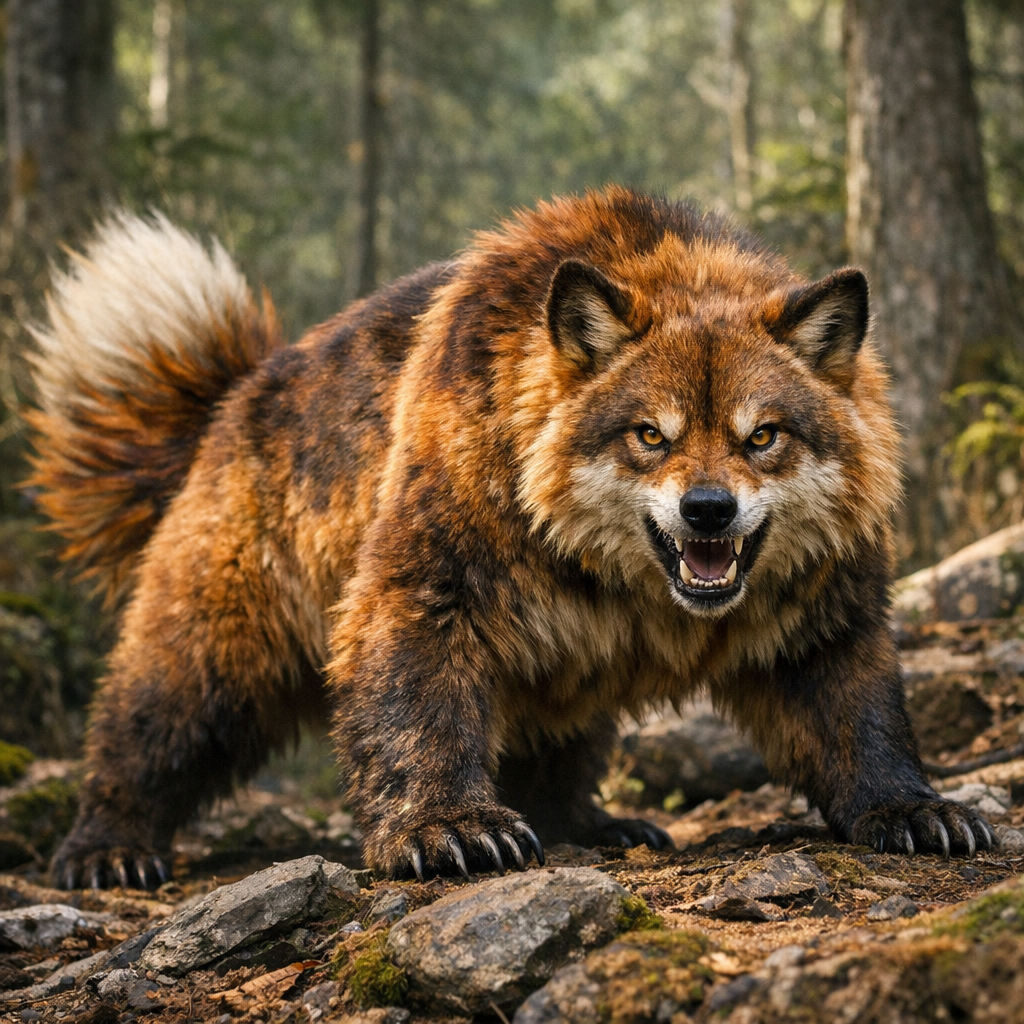
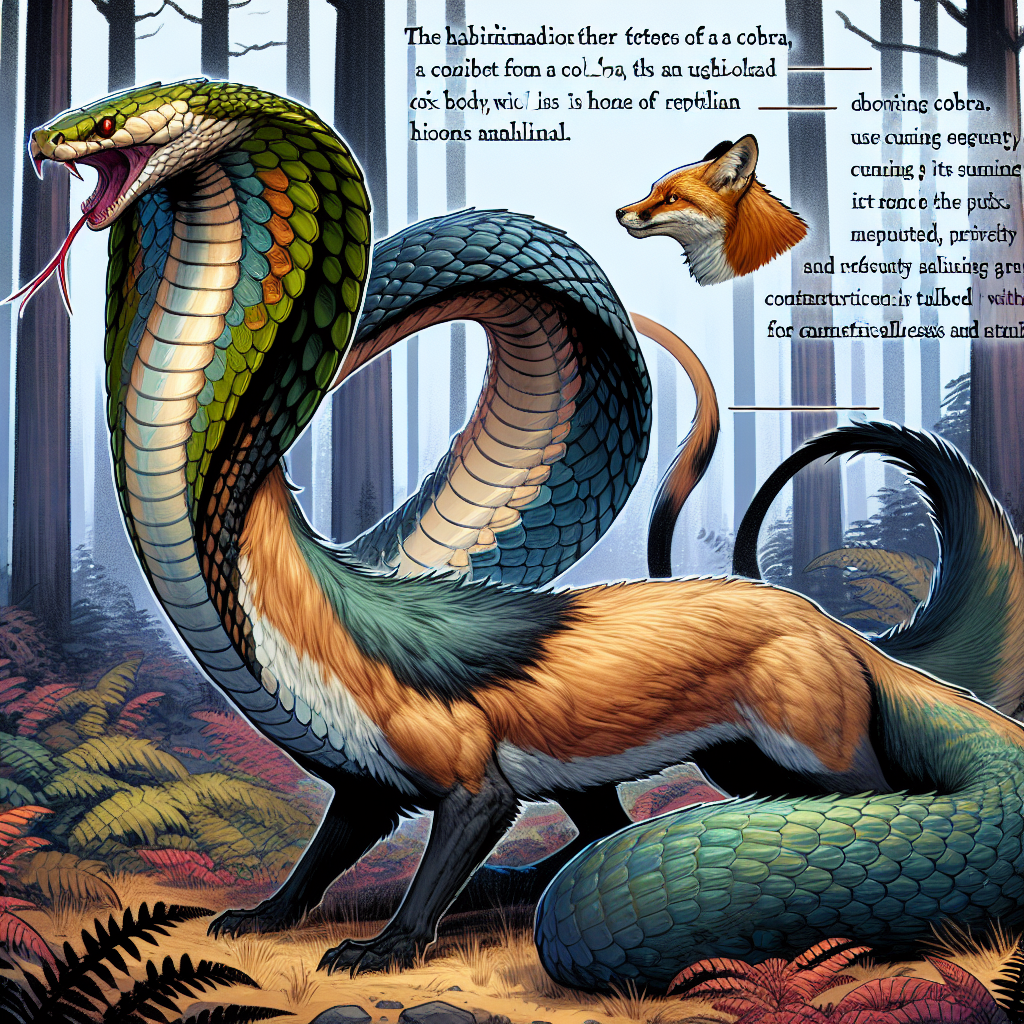
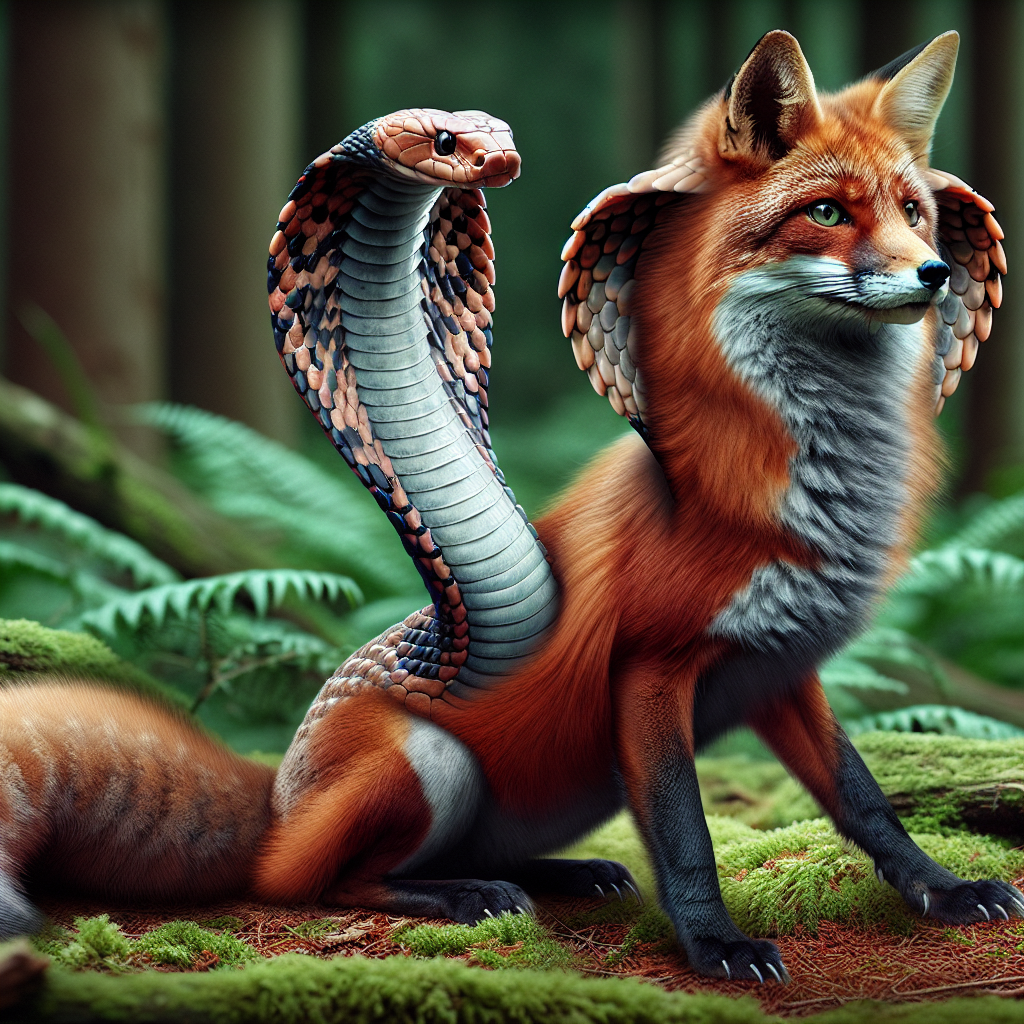
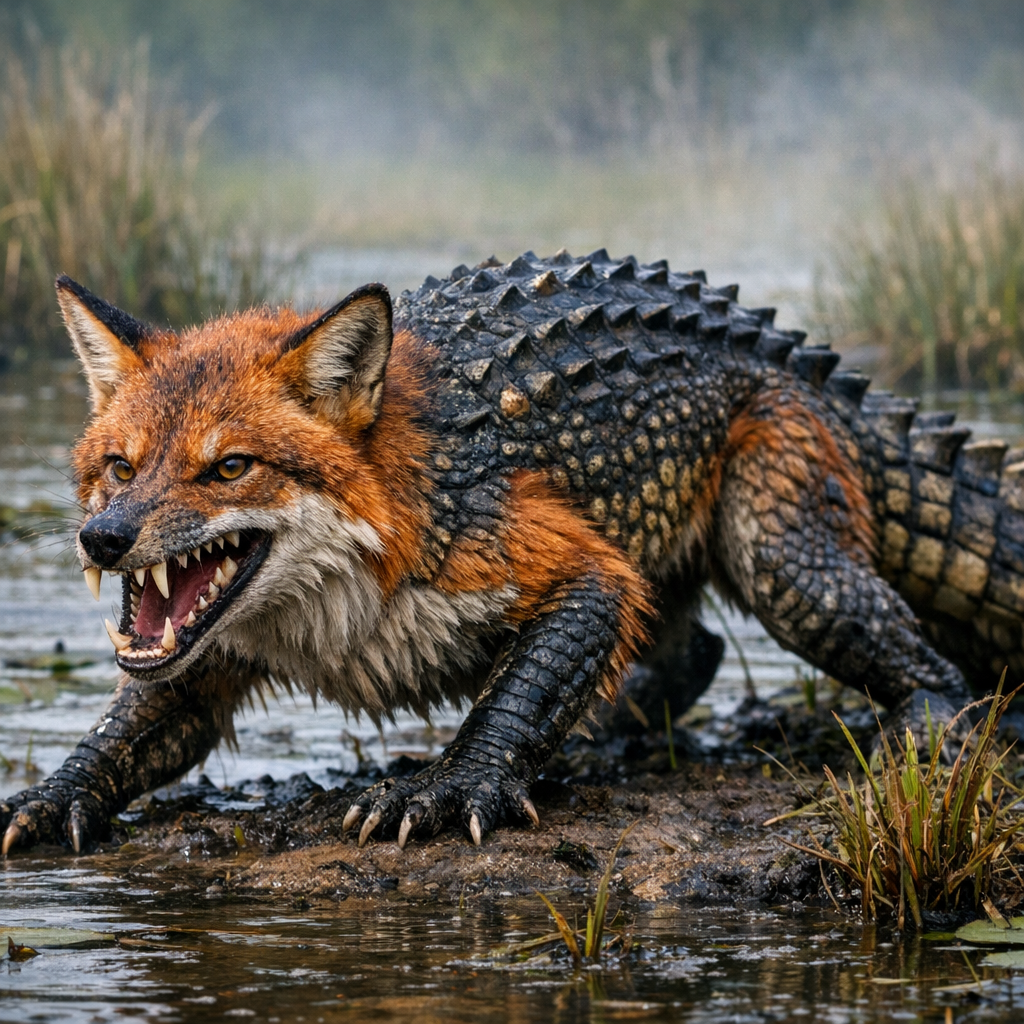
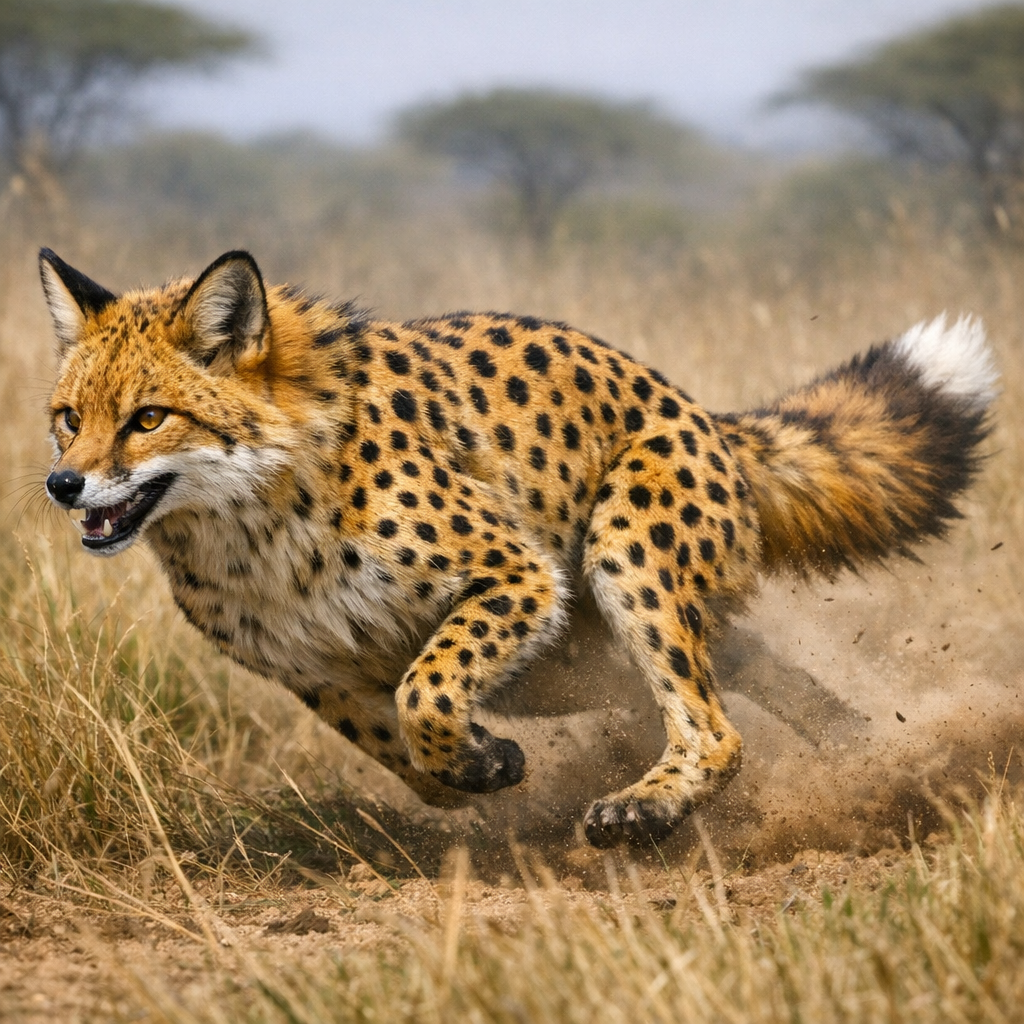
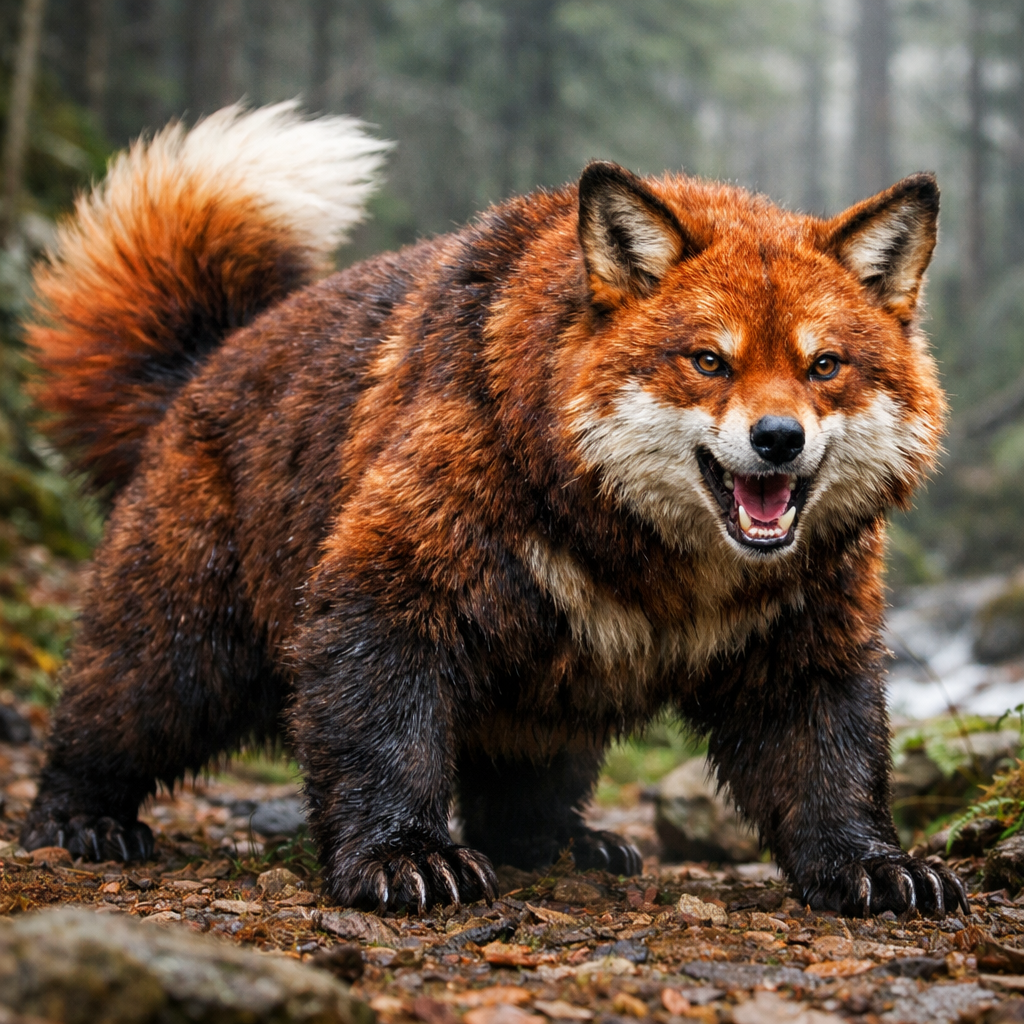
The Bearfox (Ursus vulpes) is a fascinating hybrid species exhibiting a robust physique akin to a bear, with a dense, water-resistant fur coat that ranges from deep russet to earthy brown. Its face combines the sharp, cunning features of a fox, including a slender snout and pointed ears, while its body is muscular and powerful, standing approximately 3 feet tall at the shoulder and weighing around 150 pounds. The Bearfox’s tail is bushy and expressive, serving as a balance aid during agile maneuvers. This creature's adaptations include sharp claws for digging and climbing, as well as keen eyesight and acute hearing, making it an incredibly versatile predator and forager.
Special abilities
Claw Swipe
A powerful swipe from its strong forelimbs, capable of inflicting significant damage to opponents.
From the Bear
Real-world basis: The strong musculature and sharp claws allow for a forceful and damaging strike.
Sly Ambush
Utilizes stealth and cunning to launch a surprise attack on unsuspecting prey or foes.
From the Fox
Real-world basis: The Bearfox's agility and ability to remain undetected enable it to catch its opponents off-guard.
Thick Fur Shield
Its dense fur provides excellent protection against physical attacks and harsh weather.
From the Bear
Real-world basis: The insulation properties of the fur guard against temperature extremes and physical impacts.
Quick Reflexes
Enhances its ability to dodge and evade incoming attacks, making it a difficult target.
From the Fox
Real-world basis: The Bearfox's neurological adaptations facilitate rapid response to threats.