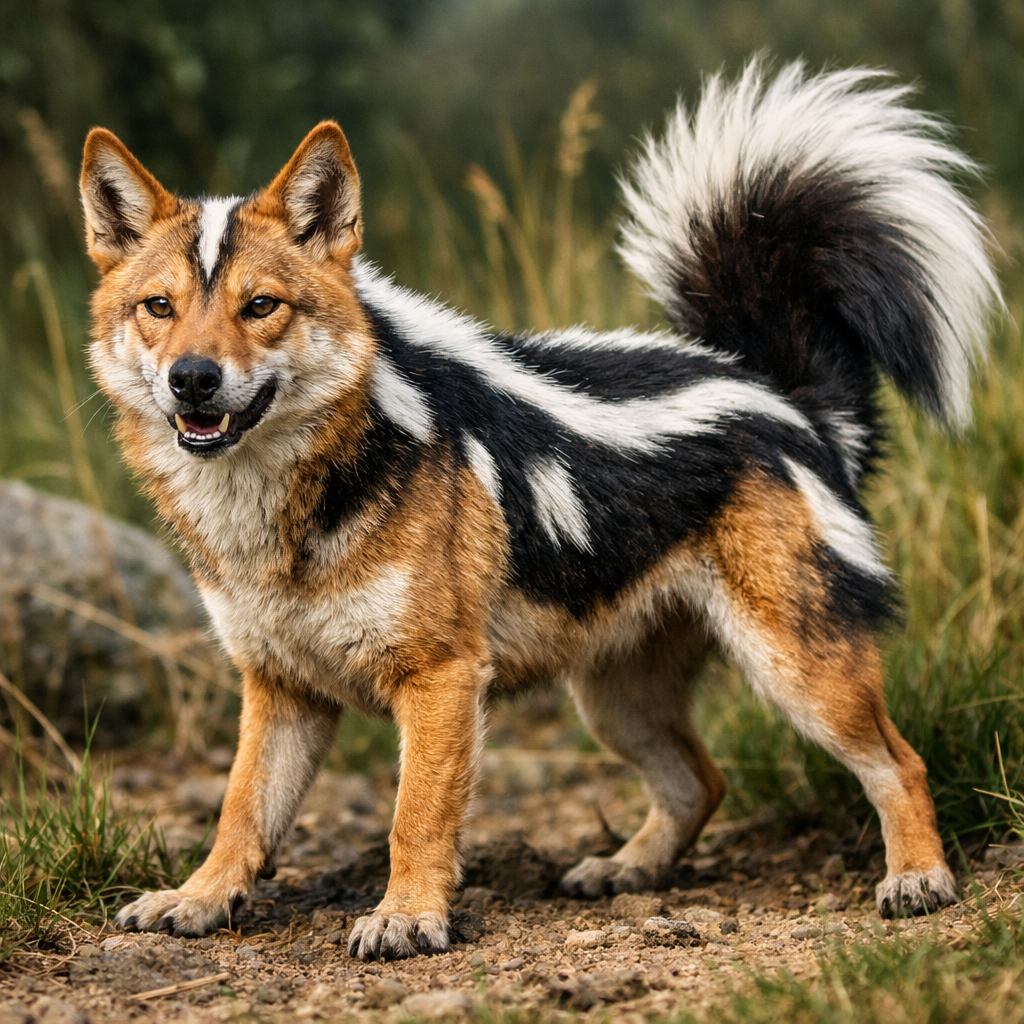
Dingunk
- Habitat
- The Dingunk thrives in a variety of environments, predominantly in scrublands, grasslands, and light forests where it can easily navigate through underbrush. It prefers areas with abundant cover for hunting and nesting, often near water sources that support its prey.
- Diet
- The Dingunk is an omnivore, primarily hunting small mammals, birds, and reptiles while also foraging for fruits, insects, and carrion. Its scavenging behavior allows it to adapt to seasonal changes in food availability, making it a versatile forager.
The story of Dingunk
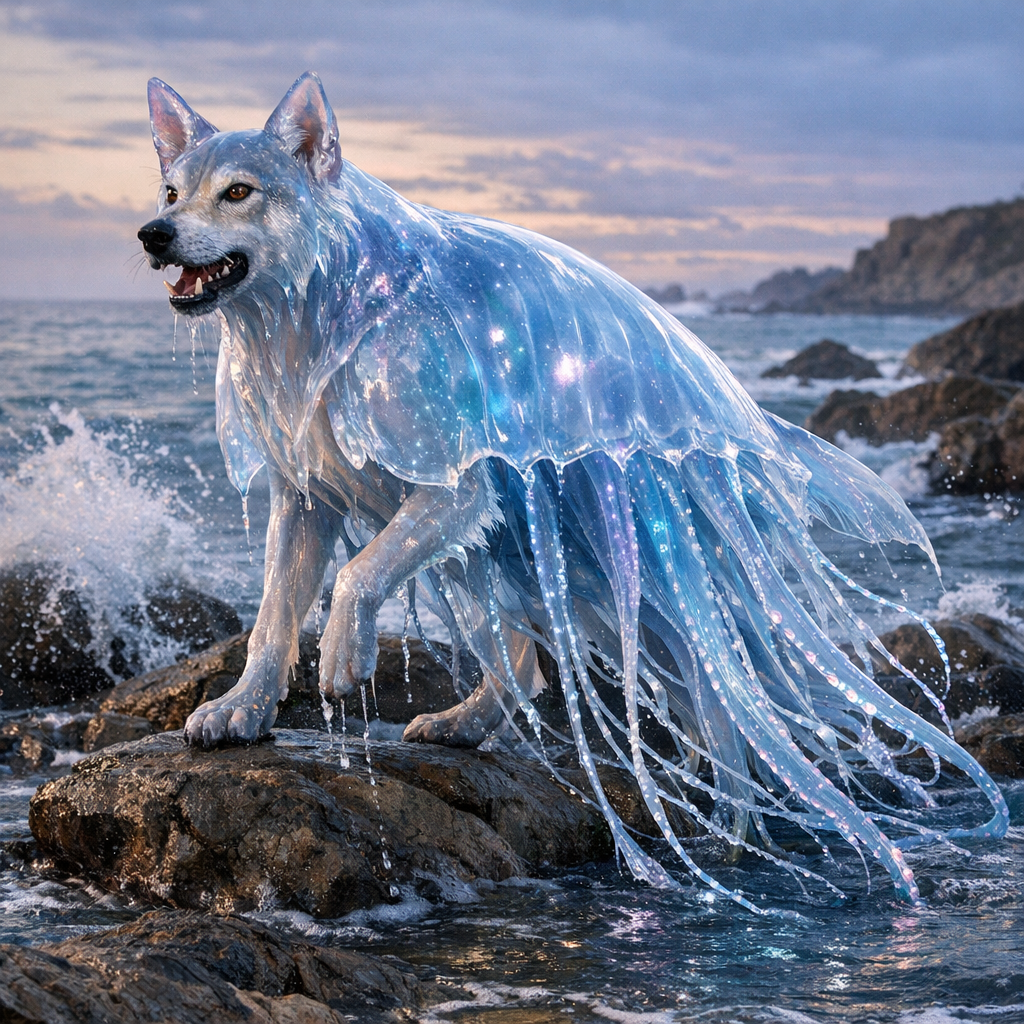
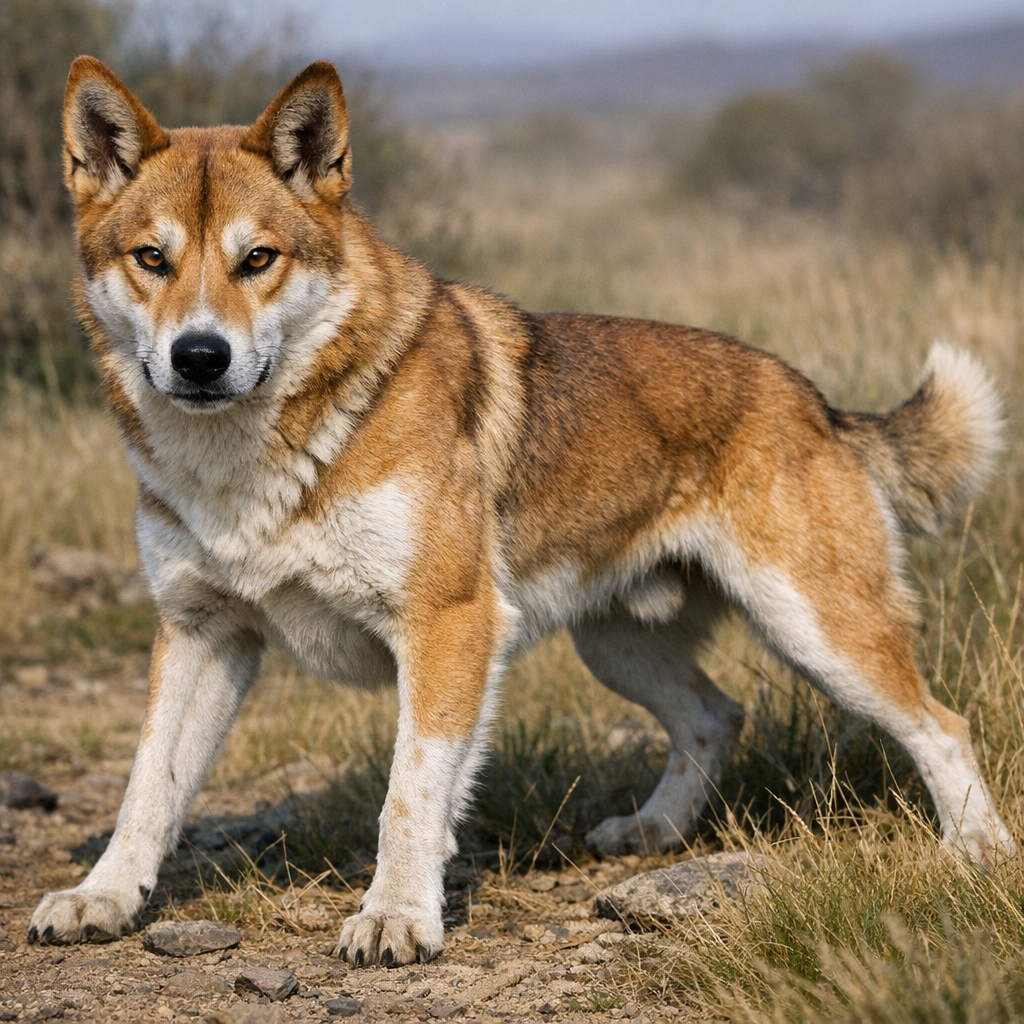
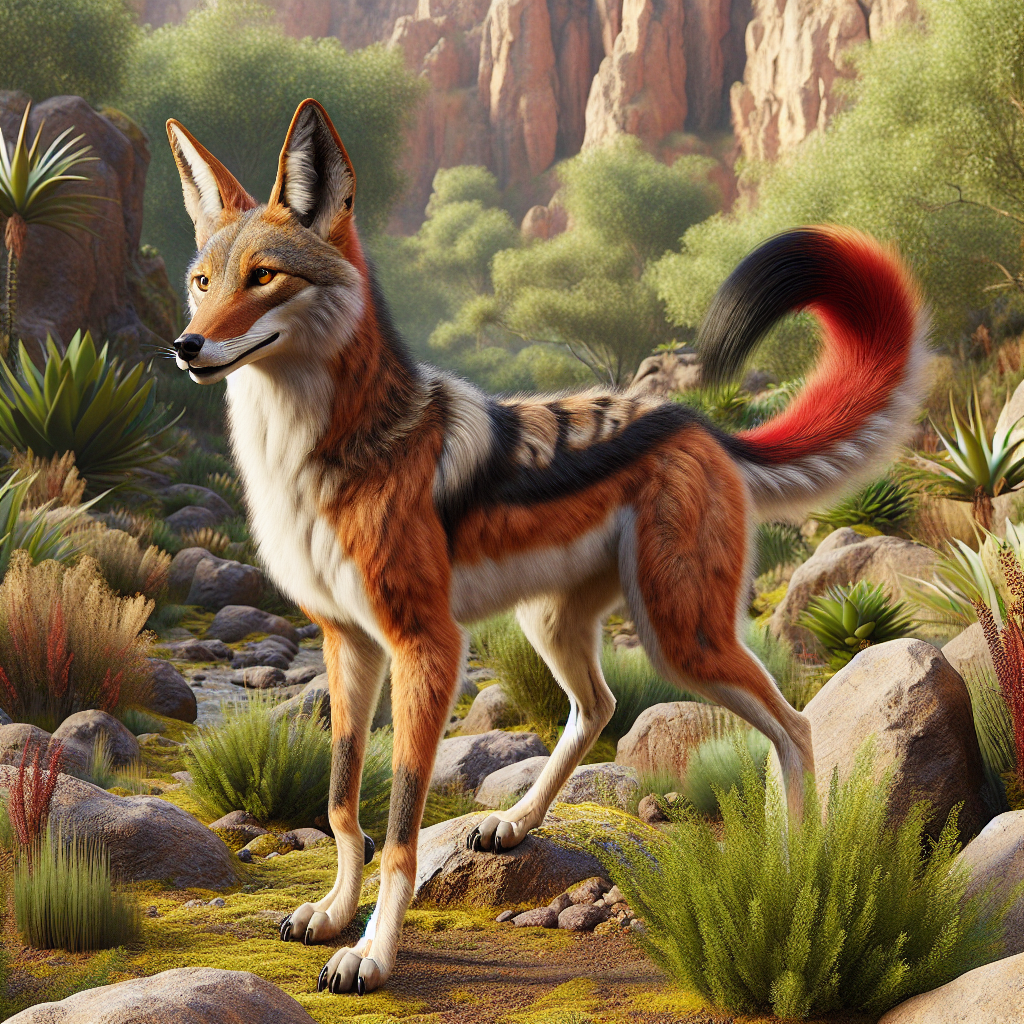
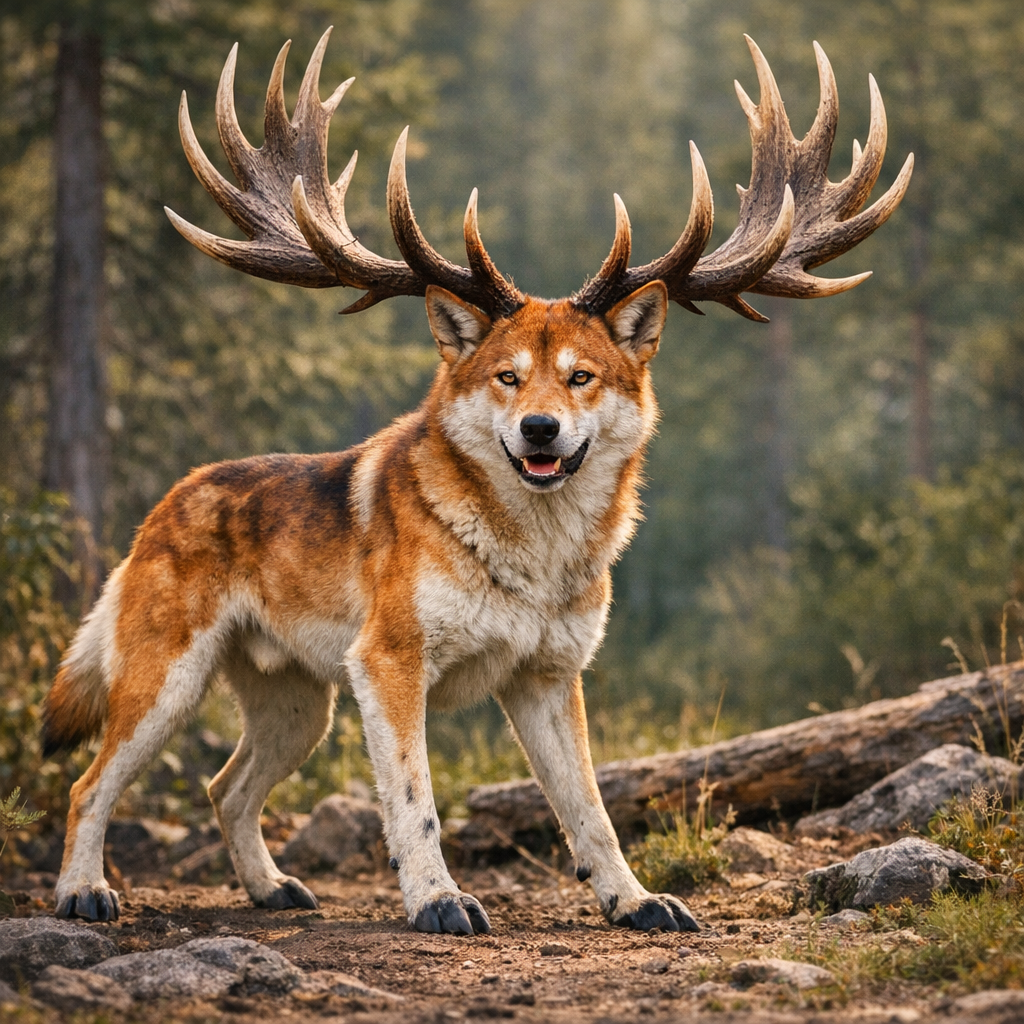
The Dingunk is a medium-sized mammal that exhibits the lean, agile body structure of a dingo combined with the distinctive striped pattern and scent glands of a skunk. Its fur is a rich sandy color with black and white stripes running along its back and tail. The Dingunk possesses sharp canine teeth and a keen sense of smell, making it an effective predator and forager in its environment. Its eyes are bright and alert, adapted for both day and night vision, while its ears are erect and highly sensitive to sound.
Special abilities
Scent Blast
The Dingunk releases a potent spray from its scent glands, temporarily disorienting and repelling attackers, giving it a chance to escape or counterattack.
From the Skunk
Real-world basis: Utilizes specialized anal glands to produce a noxious chemical spray, affecting the olfactory senses of predators.
Agile Strike
With its swift reflexes, the Dingunk lunges at its prey or attacker, delivering a sharp bite that inflicts pain and causes fear.
From the Dingo
Real-world basis: Combines speed and agility derived from its dingo ancestry to execute rapid attacks.
Camouflage Blend
The Dingunk can blend into its environment by altering the position of its fur, making it harder for predators and prey to spot it.
From the Dingo and Skunk
Real-world basis: Incorporates natural patterns found in both parent species to enhance its stealth capabilities.
Pack Tactics
When in a group, the Dingunk can coordinate attacks, increasing the effectiveness of their hunting strategies and overwhelming larger prey.
From the Dingo
Real-world basis: Exhibits social hunting behavior similar to dingoes, enhancing group dynamics and success rates.